lens-artists: this made me smile

An authentic smile … arouses an authentic feeling of freshness, and I think the smile belongs only to human beings.~ Dalai Lama

If we want those smiles, we must create the reasons that make them appear. ~ Dalai Lama

I love smiles, and my wish is to see more smiles, real smiles …~ Dalai Lama

Leya has invited bloggers to “share something that made us smile, made You smile – and make the world smile with us! Old or new smiles, big or small, we welcome them all!”

A smile awakens a smile. A frown returns a frown.

lens-artists: details

One Red Spot

Within today’s Ted Forbes newsletter he introduces a Japanese aesthetic concept: Koh-ltten, which loosely translates to “one red spot.”

One of the techniques Ted’s dad used to balance his landscape composition is to place a dot of color into a negative space. He wrote that it’s almost like a small light, a point of visual interest.

The “red spot” works as a balancing contrast in two ways: color and scale. Its presence is unexpected, but it often functions to anchor the composition. It can be subtle, only noticeable when you’re really analyzing the work. It doesn’t have to be red, and it not restrained to a”dot” or “spot.” The overarching idea is to provide the viewer with a visual anchor – it serves as a point of contrast to the rest of the picture.

In the Japanese aseptic the emphasis is on subtle contrast, A “spot” a moment, a detail of interest or beauty. It doesn’t stand out too much. Think of it as “quiet.” Beauty is contrast displayed with humility.

In closing, I apologize to Patty (pilotfishblog.com) for taking another pathway to illustrate detail within photographs as I was so engaged with Ted Forbes discussion of the Japanese aesthetic concept: Koh-ltten I had an overwhelming desire to explore and share this quiet detail.

Thank you Ted for your willingness to share your journey and in this sharing teach me so much about photography.

lens-artist: silence

Through Brazilian Eyes has invited lens-artists to illustrate silence through images…

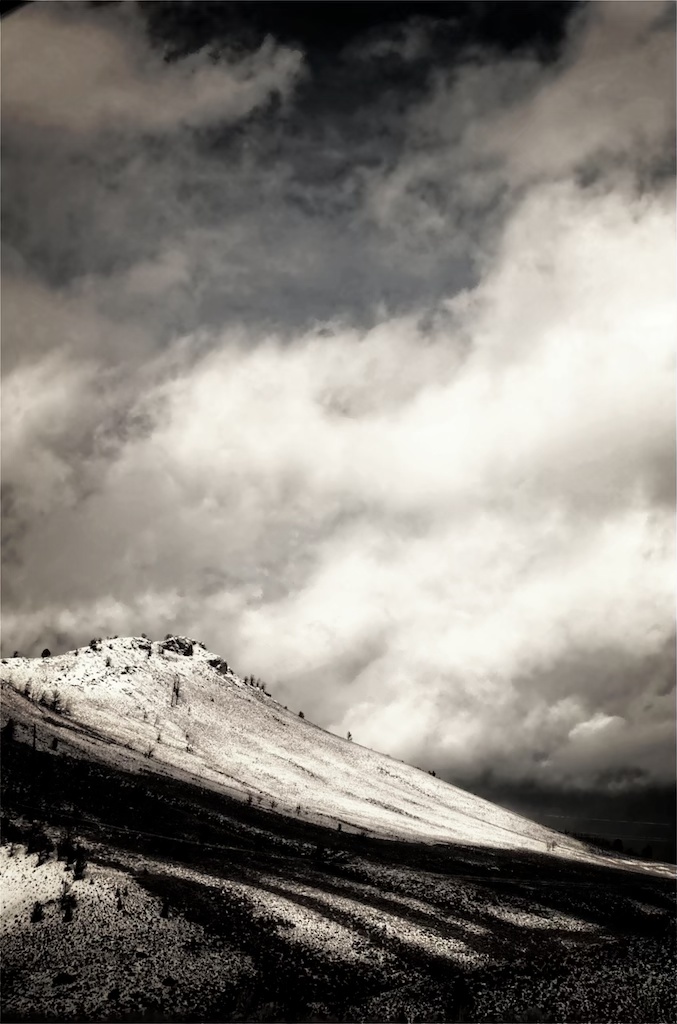
Living in the country, waking to snow left during the night, feeling the silence – the stilled silence, and then gasping and sharing with delight the sight of footprints left by silent night visitors. Memories.

I once read that the silence after a snowstorm isn’t just our imagination — all those tiny flakes actually trap the sounds of your surroundings. 

Chris Bianchi, a meteorologist at Weather Nation, described the phenomenon as a sort of citywide cup of tea: After a big storm, we can take a few minutes to relax and take in the quiet.

“The science behind that quiet comes down to how sound waves travel (or, more accurately, don’t travel) through snowflakes.

“‘Snowflakes, when they’re spaced further apart, there’s little gaps, obviously invisible to the naked human eye,’ Bianchi said. ‘But there are these little gaps within the snow and those are very efficient at absorbing sound.’ 

“The sound waves from cars, buildings and people get trapped in those small places between the snowflakes. 

“Not just any snow can trap noise. It has to be the freshly fallen, light and fluffy. Wet and heavy snow doesn’t leave those spaces for sound to be trapped. 

“One study found a couple of inches of snow can absorb as much as 60 percent of sound. Snow can act as a commercial sound-absorbing foam when it’s in that fluffy, freshly fallen state. 

“As the snow starts to melt, those little sound-catching spaces start to go away too.

“(When snow melts) it compacts, and that compaction reduces the amount of little crevices and nooks and crannies that sound is able to be trapped in,” Bianchi said.

“So, for at least a few hours or even a day after a snowstorm, we can get some reprieve from all that noise around us.

“‘It’s calming, it’s relaxing, it’s tranquil,’ Bianchi said. ‘Life is kind of forced in a sense to slow down.’”

cited: CPR News, Claire Cleveland and Andrea Dukakis, “Yes, it really is quieter when it snows. Here’s the science behind the calm after the storm. February 4, 2020.

And then, the crunching sounds of footsteps ending silence.

li qingzhao

The lotus has wilted, only a faint perfume remains;

On the bamboo mat there’s a touch of autumn chill.

Softly I take off my silk dress

And step on board my orchid skiff alone.

Who is sending me the letter of brocade

From beyond the clouds?

When the wild geese return**

The moon will be flooding the West Chamber.

Flowers fall and drift away,

Water glides on,

After their nature.

Our yearning is the sort

Both sides far apart endure–

A melancholy feeling there there’s no resisting.

As soon as it leaves the eyebrows

It surges up in the breast*.

*cited: Ci-pomes of Li Qingzhao: A New English Translation, Sino-platonic Papers. No 13, October, 1989

**Wild geese were thought to be bearers of letters, especially love messages, because of their regular migrations from north to south and vice versa.

lens-artists: looking back

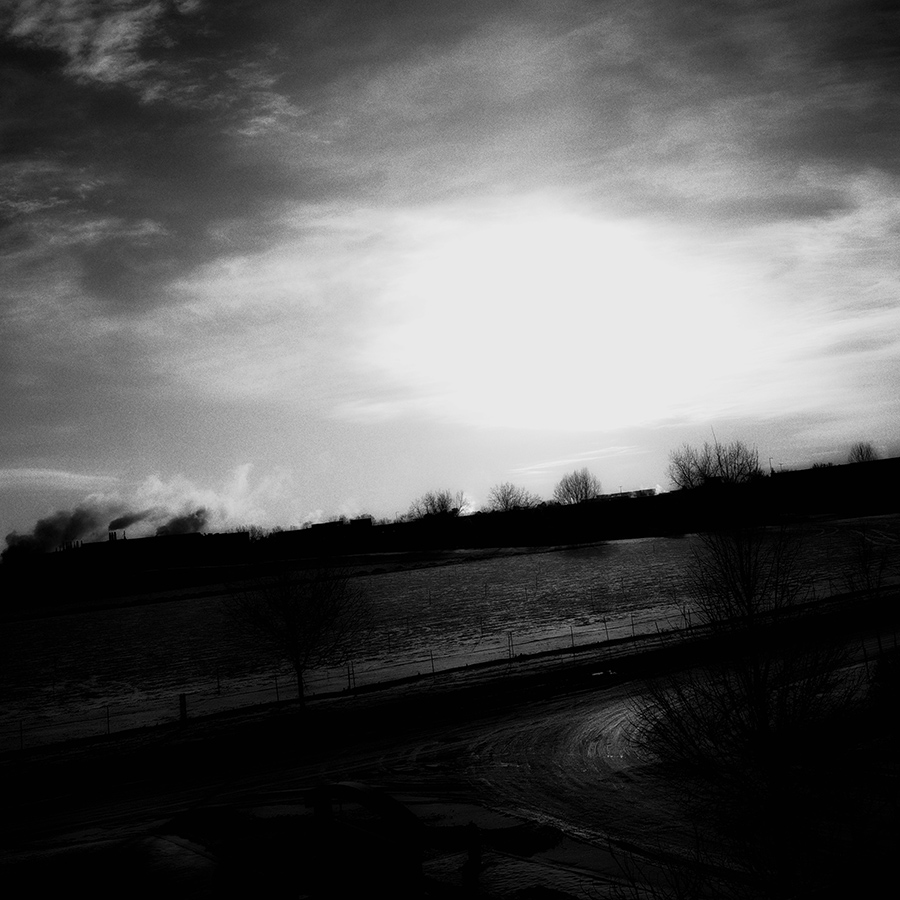
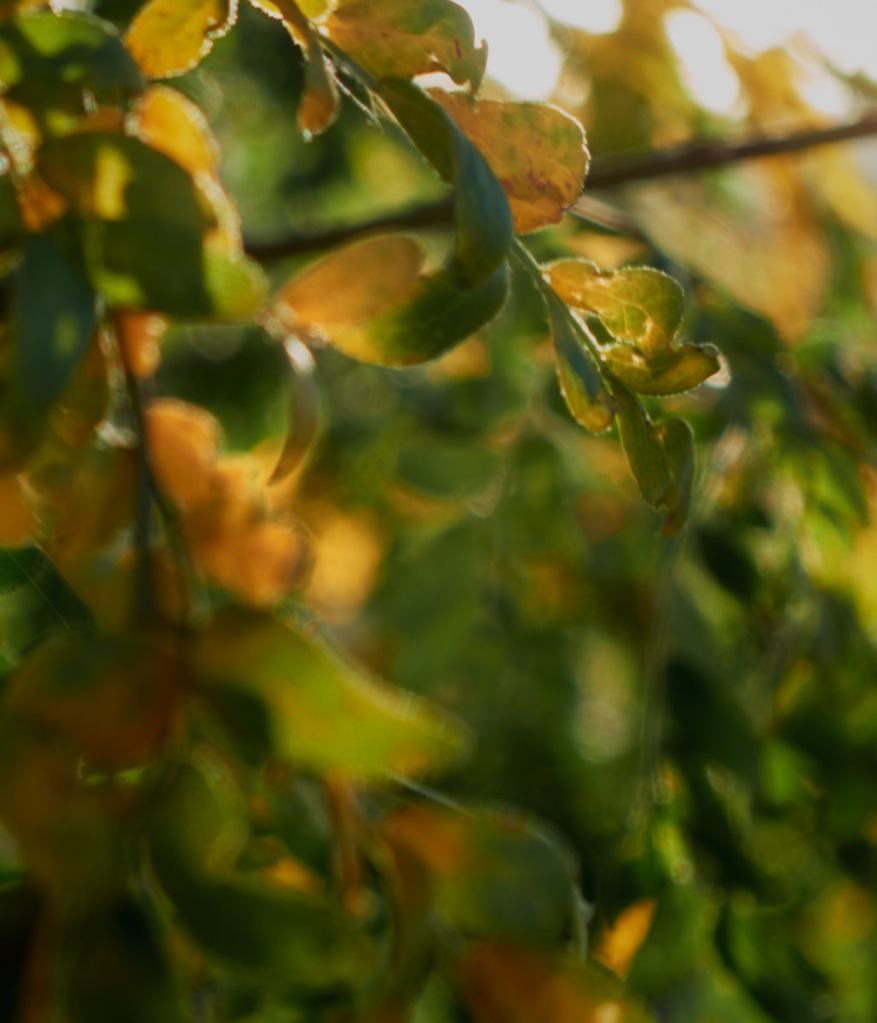
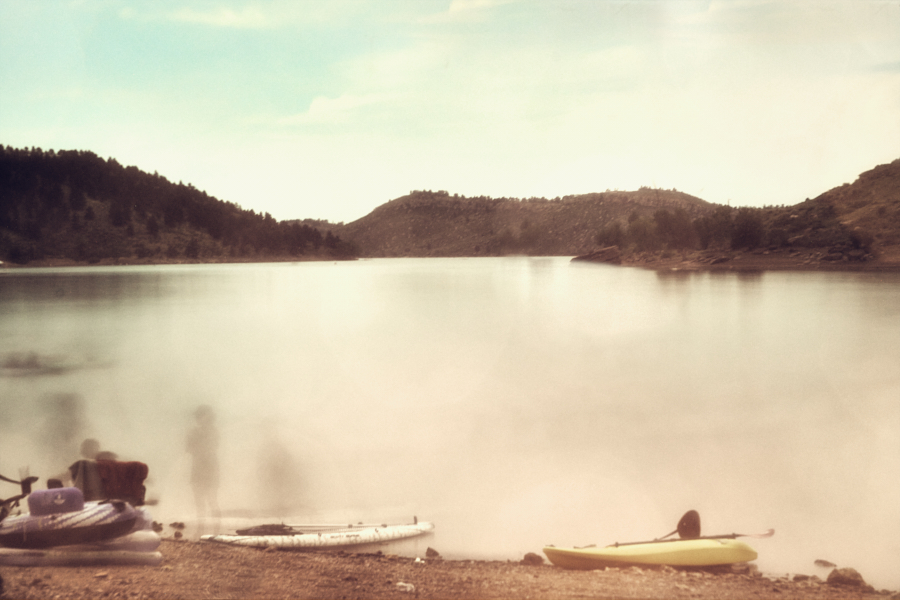
through the lenses of a Ricoh Caplio GX100 and Sony NEX-5N to the year 2013

violets on the gate–
even at night
sweet nostalgia
~Issa*

Sony NEX-5N: f/10 1/100s 27mm
Ricoh Caplio GX100: f/2.5 1/10s 5.1mm
Ricoh Caplio GX100: f/2.5 1/8s 5.1mm

I recently gained access to all the images posted to WordPress beginning in 2011 so this is an exciting way to begin looking back.

Thank you Sofia for this lens-artists invitation: looking back.

*cited: http://www.haikuguy.com