The two guardians of the world – the bright states that protect the world – moral shame and moral fear.
The Buddha shared that a sense of shame and the fear of blame are two bright states that protect the world. Having a sense of shame means that we refrain from doing evil because we do not want to harm ourselves. It is because we wish to preserve our self-respect that we develop a sense of shame. We wish to be respected by others, so we develop the fear of blame.
When there is a leader who does not ask his predecessor to give him advice of how to govern, he will rule according to his own opinion which sets the stage for a decline in morality and consequently the quality of peoples’ lives. If we look at the world today, the two guardians of the world are fading away.
We have stories of immoral characters who go unpunished.
We begin to see and hear of increasing violence in its manifestation of negation of others, verbal and physical abuse, threats, power and control, and murder.
There are increasing rigid polarizations within families, between friends, and among neighbors and strangers.
There are reports of increasing incidents of racism.
There is a growing absence of social governance and increasing incidents of lawlessness; as well as, a growing sense of distrust, fear, anger, isolation, and sadness.
Looking to find resolution we find that government figures are more concerned with winning votes than with governing.
Some religious leaders seem ready to do almost anything to accommodate their followers while others resort to fanaticism.
What are the variables that can begin to nudge us out of this time of discontent? Faith, virtue, a sense of shame, the fear of blame, mindfulness, concentration, wisdom, compassion, and/or loving-kindness?
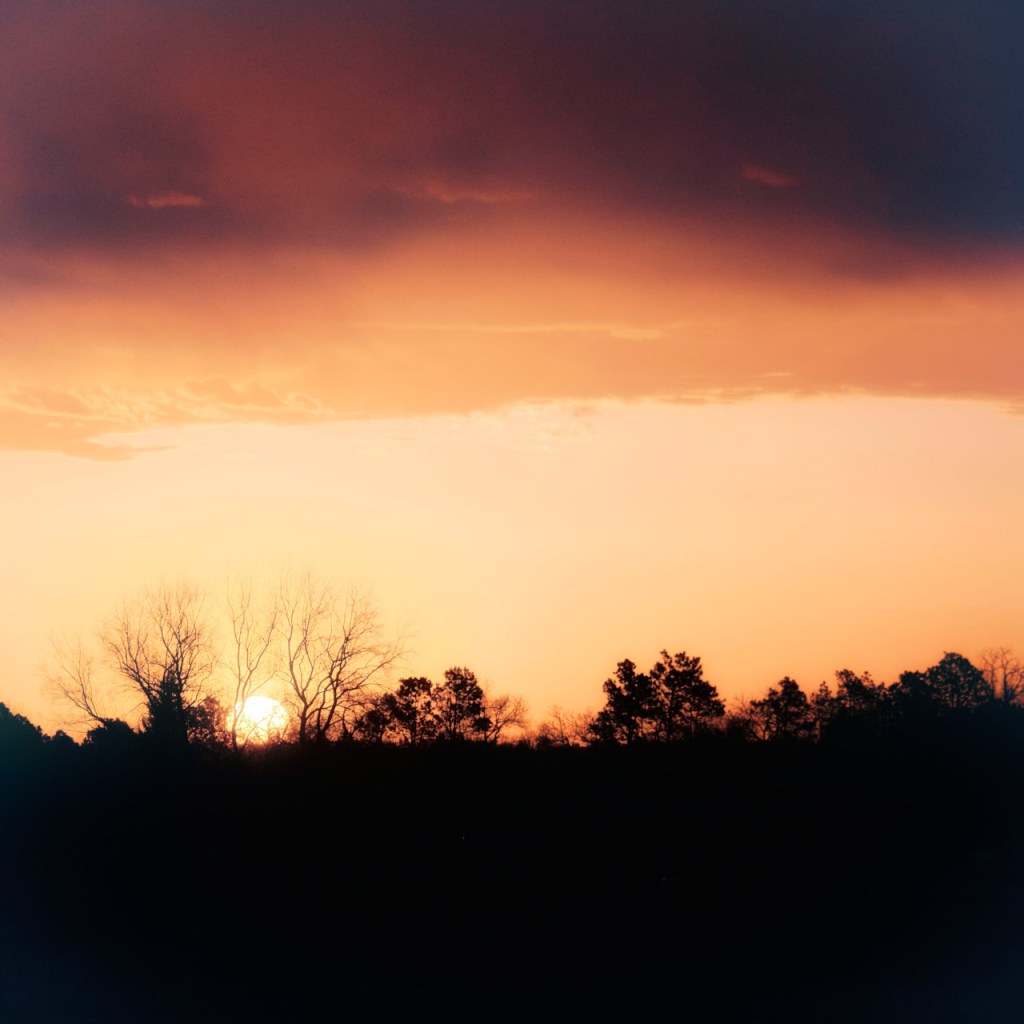
Outside my window looking eastward is a field …once a hay field that silently told stories of seasonal changes. My favorite was during time of haying as it awakened childhood memories of harvesting … especially of those times of baling.
All of this ended when the construction of a new housing development began with dust and noise and then the absence of the hawk soaring through the late afternoon sky. After that it became a time of remembering when I was 7, and the sense of okay-ness to wander over to work sites accompanied with childhood curiosity, “what ya doin’?” during the beginning stages of construction.
Then … the clock towers ... of importance, of course, was the building of the tower right across the street and questions about possible blocking of the eastern horizon’s dawn. So a shift from my year long photo project from …
the morning’s sun north to south – south to north travels to a focus on a section of the horizon – away from the clock tower which began to look like a prison guard tower.
Yet, this morning as I pulled the drapes open with joyful anticipation suddenly silenced by …
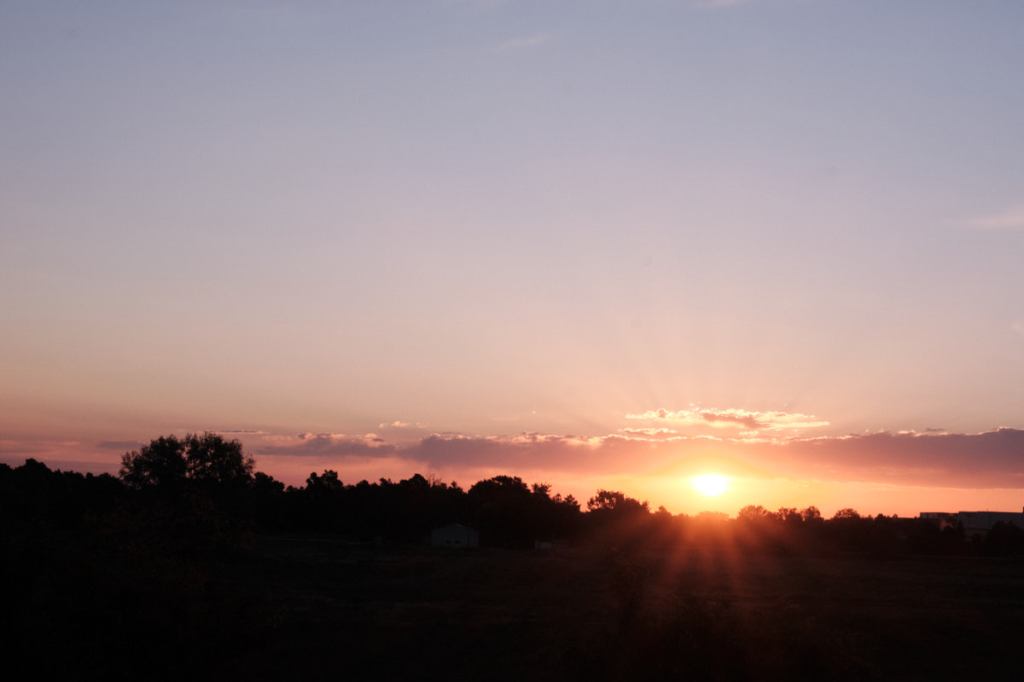
Sofia has invited photographers to explore the use of scale with images. She writes that scale is “… something that attracts our eyes more often than we think and intuitively we look for ways to convey the size of what we’re seeing.”
While the sun appears small within the wide expansion of the sky, the sun’s dawn invites an awareness of the expansive nature of the morning’s horizon.
Thank you Sofia for this invitation to explore sense of scale.
May I find the Equanimity that will lift a veil of shamed despair and acquaint me to the perceived and perceiver absent of greed, anger, and ignorance.
This journey with saldage has brought me to a place and time in which to unweave and sort through the pseudo-beliefs I have simply, without question, absorbed through the lens of childhood fantasy and comprehension.To begin this process is to reformulate beliefs through a process of mindfulness and analysis and then to know for myself, “These things are bad, blamable, censured by the wise; undertaken and observed, these things lead to harm and ill… These things are good, blameless, praised by the wise… These things lead to benefit and happiness.”
It is not an easy undertaking to not simply believe what has been learned within family, school and church as well as conclusions reached through readings. The invitation to not simply follow tradition brings to the surface conflicts with compliance and opposition that come from an avalanche of values and guiding principles that outlines how I understand the roles and expectations of women.
To not adhere to that which was surmised within family stories about an ancestor, who upon seeing a swarm of locust “knelt in his patch of grain and pleaded with his Maker to spare his wheat” and then saw them divide and not damage his remaining crops. Or within the story about the ancestor, who during a trip from New York to England, calmed the seas with a prayer, and while in England, after much fasting and prayer administered to a deaf and dumb boy who was subsequently healed. To not simply believe opens a door of pondering about generations of family members who intimately knew powerlessness and insecurity, who eased their feelings of incompetence through prayer, and whose conceptions blinded them to their neighbors’ plight.
To not simply believe that I must endure suffering is to reject the axiom that there is an absence of fundamental faith and goodness. To not adhere to the assumed abilities of ancestors frees me from the belief that a sincere act of making amends for my sins will open the doors to Shangri-La.To not simply draw upon scripture unbinds me to the shame that I don’t have the faith – even of the size of a mustard seed – to be deeded as “good and without sin” so what I wish for, even that which goes counter to nature’s laws, will be granted.To ease the suffering within discontent is to not simply hold to be true that I am to acquiesce to pain until the final judgment of death, and only then will I be forever at peace, or forever condemned to an existence of even greater suffering.
To not simply believe opens my ears to the incongruence within a belief in an all-knowing presence who, if not validated, punishes, absent of the grace within loving-kindness.To not simply believe brings a compassionate acknowledgment to the painful efforts to sway God into granting me my desires through bargaining, sacrifice, negation, and suffering, and to finally surrender with acceptance to “Thy will be done on earth as it is in heaven.”To not simply believe sheds light upon the greed, aversion, and delusions that are intertwined into my conception of and relationship with life.
I do hold that my beliefs and the subsequent desire for their illusive promises of validation, forgiveness, or reunification have set me upon an unending path of suffering.These beliefs lead to harm and ill as they are like thorns that tear into my heart.This searing pain releases resentment intertwined with envy, awakens alienation, and denies me the essence of Christ’s wisdom and loving compassion.
Christ stood before self-righteous anger and commanded that only the one without sin was to cast the first stone of punishment and, at another time and in the midst of his own suffering, sought forgiveness for those who “know not what they do.” Within these written words, I hear compassion speaking for the suffering intertwined within anger ungoverned by moral shame and moral dread.Compassion is telling us how suffering, entangled into knots of mental, emotional, and social turmoil, deafens us to our guiding principles and blinds us to the horrors our moral shame will witness as it awakens from darkened ignorance.
The practice of the presence of God as being comparable to that of consciousness finally makes possible “full awareness” applied to every thought, world, and deed. ~ Unknown
Excerpts from B Koeford, A Meditative Journey with Saldage
A song out there… Why, it is a beggar singing! If this old man who never had a silver coin can sing, why must you with rich gold memories sit here and sigh?
~Tu Fu (cited: The Jade Flute: Chinese Poems in Prose, gutenberg.org)
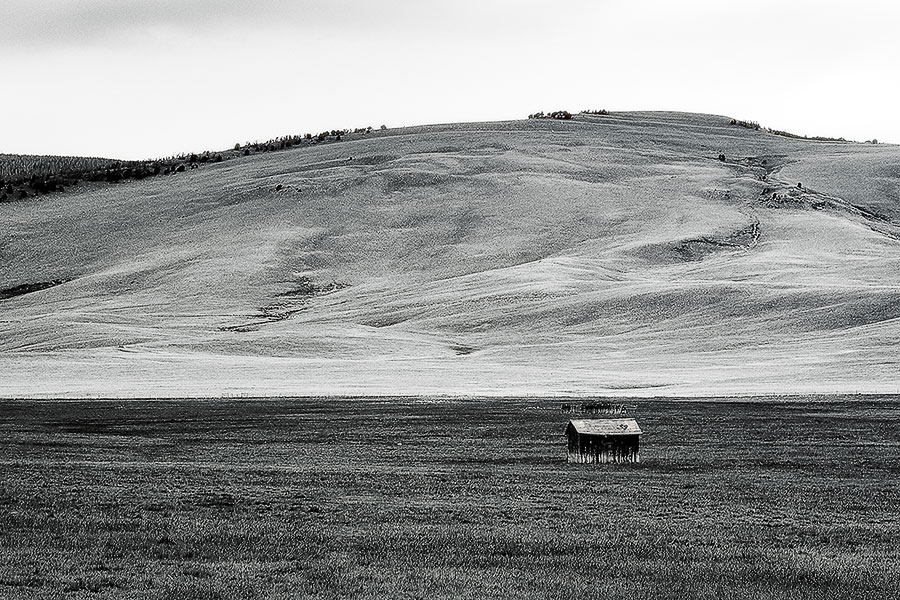
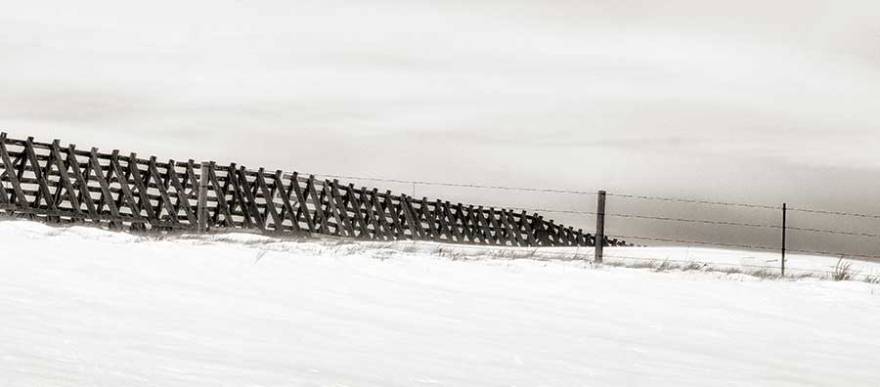
Today, I like the word Wintering (the act of staying at a place throughout the winter) as it has an underlying message of being at…rest, peace. A seasonal nap time.
Nikon D750 f/7.1 1/500 50
February has within it whispers of spring, It also–like November–is a time of heavy snow storms and cabin fever.











 a meditative journey
You must be logged in to post a comment.