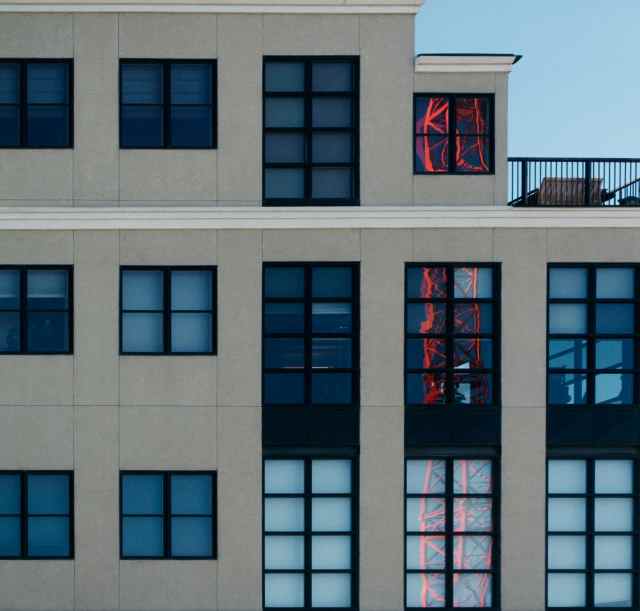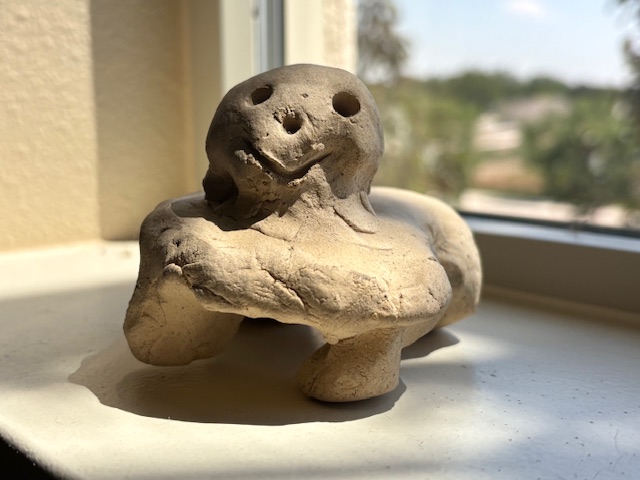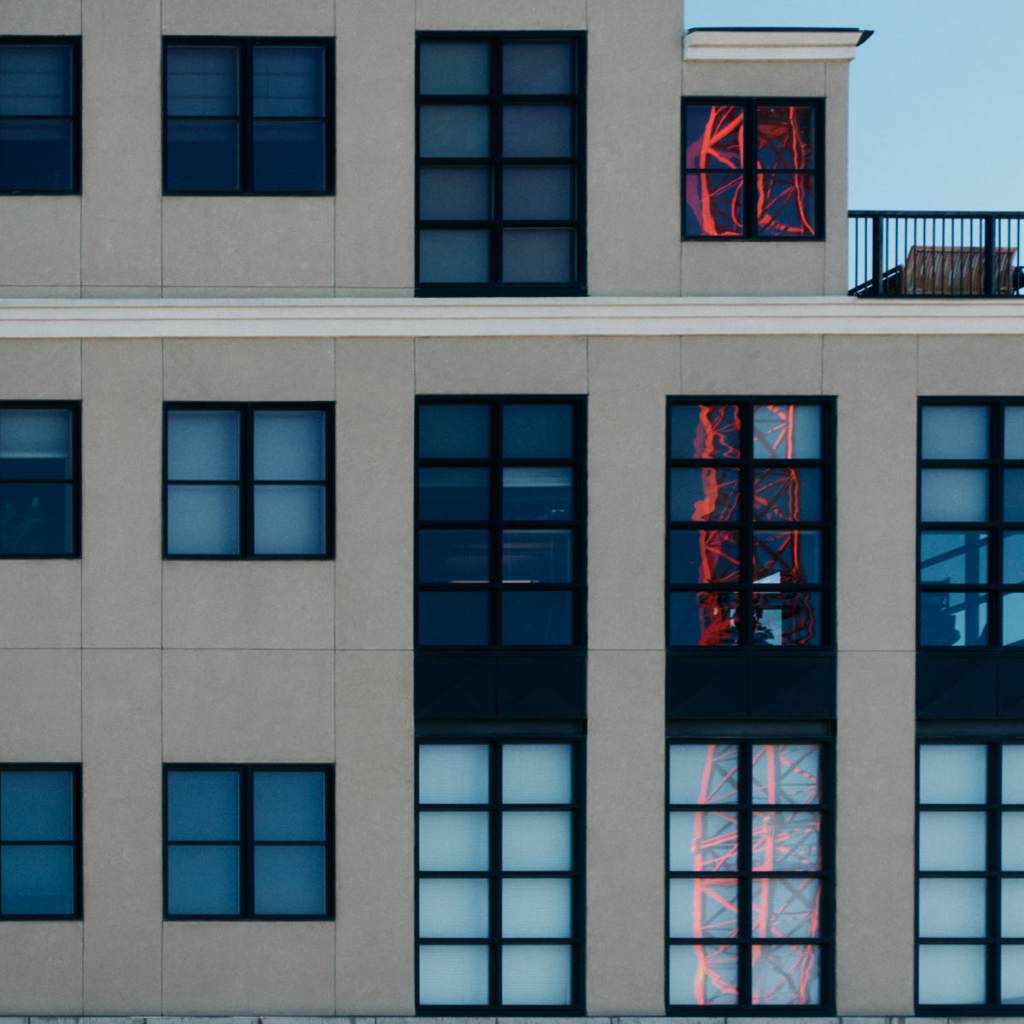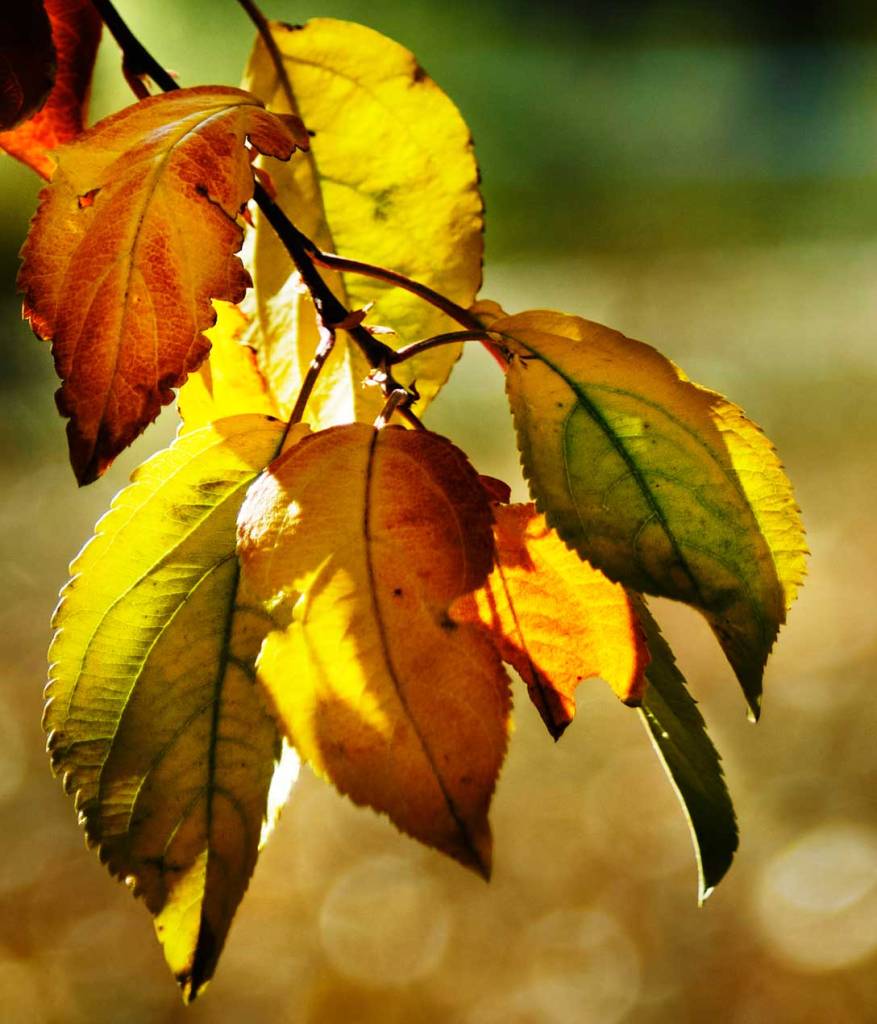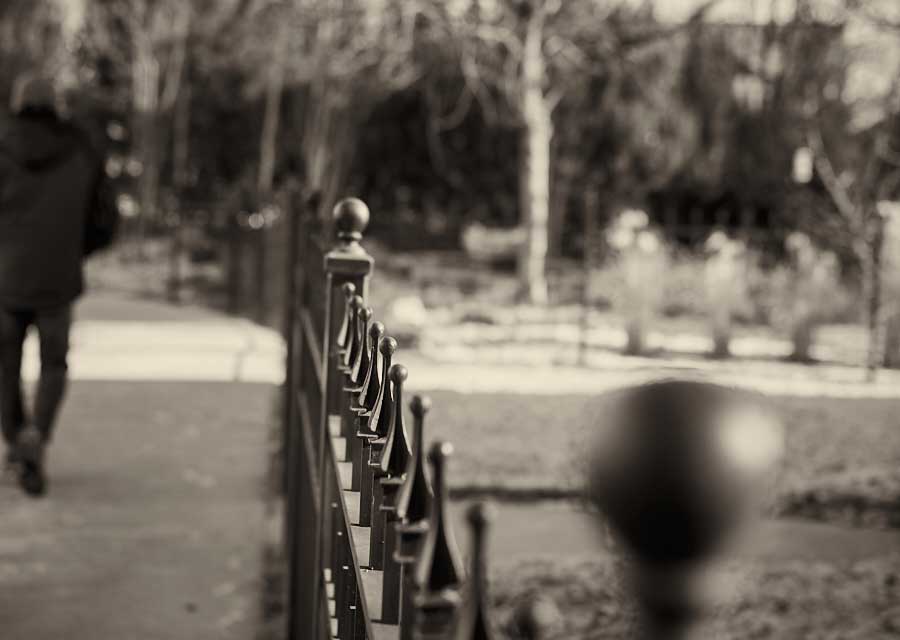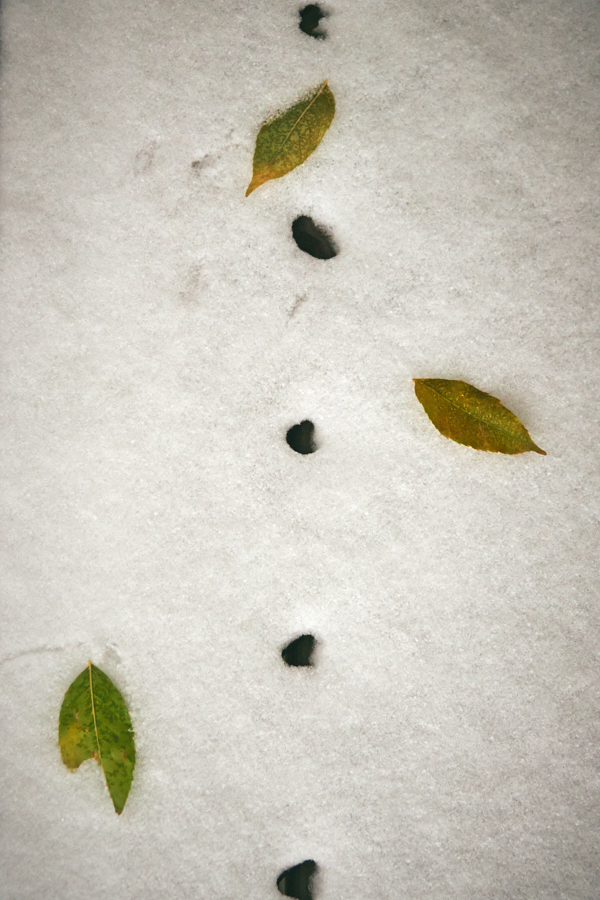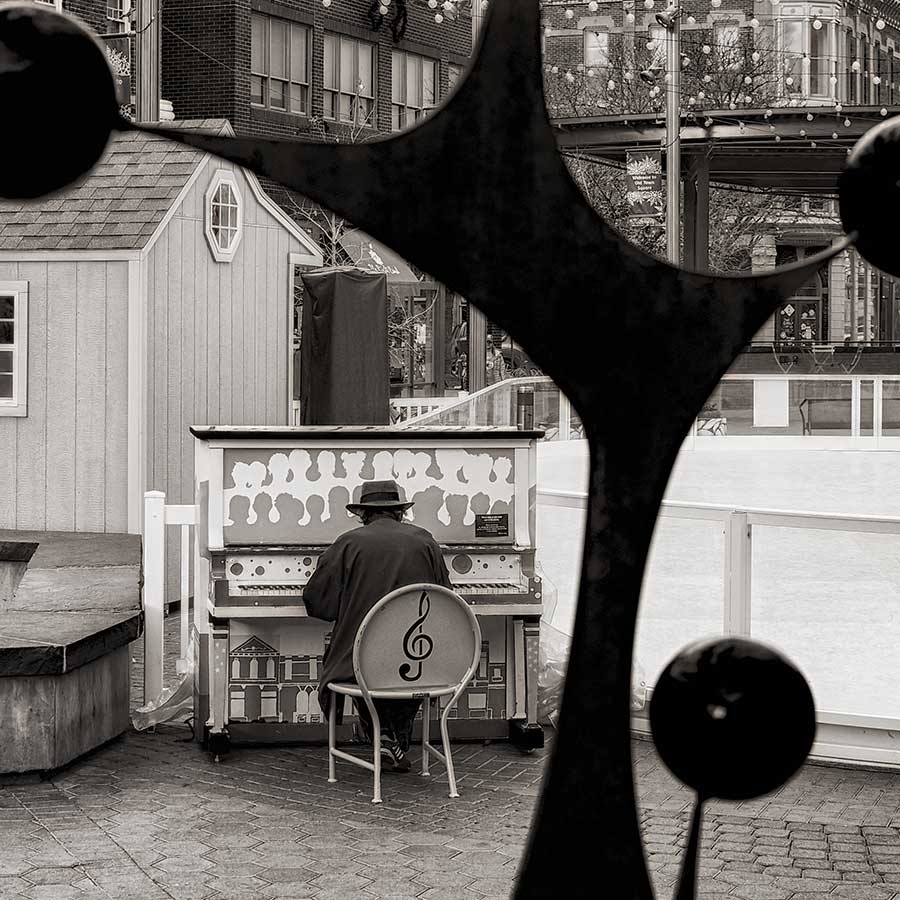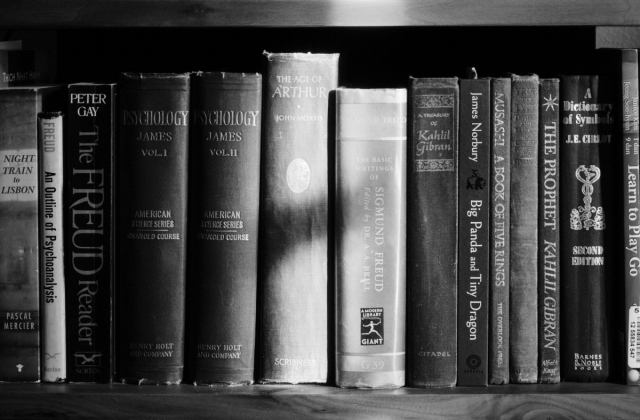
A virtual scavenger hunt! How creative! How fun! Thank you Anne (Slow Shutter Speed)!
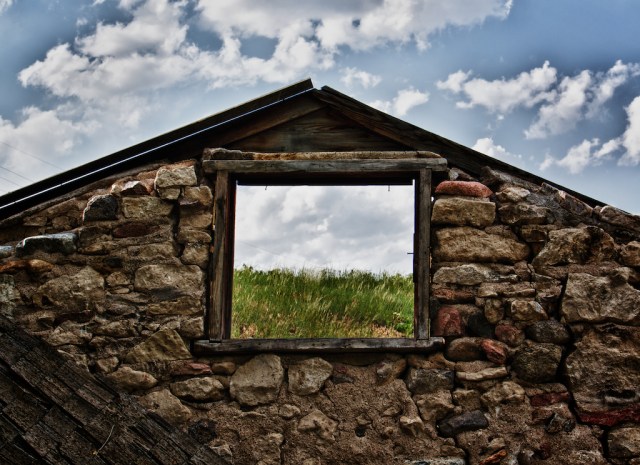
something with glass

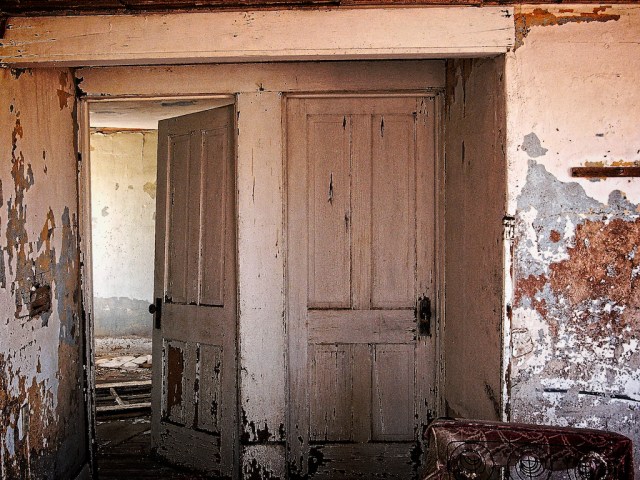
something with a bumpy texture

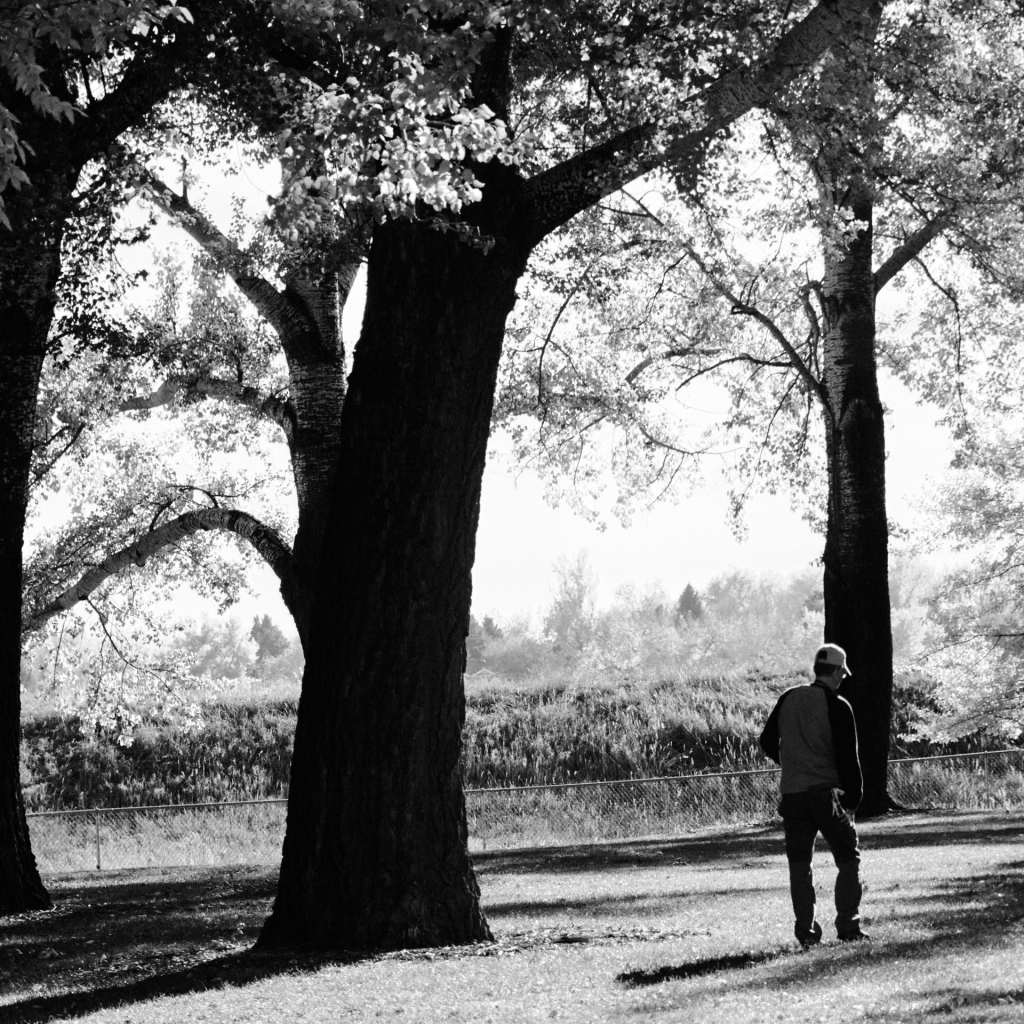
something with cool shadows

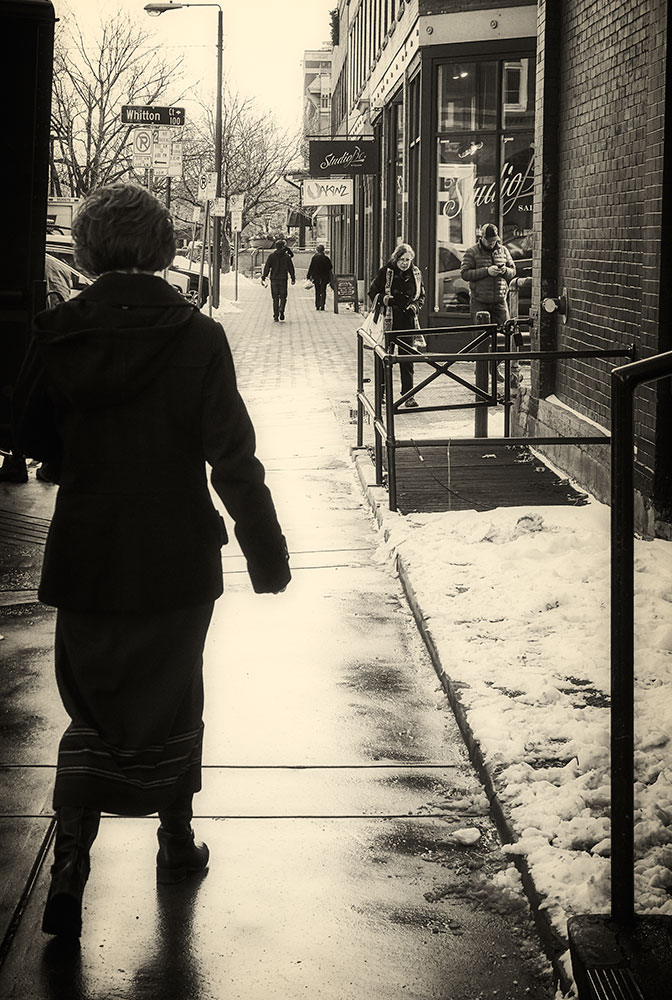
something with water

something with a pattern

A virtual scavenger hunt! How creative! How fun! Thank you Anne (Slow Shutter Speed)!
something with glass

something with a bumpy texture

something with cool shadows

something with water

something with a pattern

Photo composition is an essential element of any photographic image. A photograph has only two essential elements, subject, and composition (not camera settings). By composition, we refer to the way we place all the elements of the photograph inside the four sides of our frame. ~George Tatakis
Lines are horizontal, vertical, diagonal, organic, and implied. Ted Forbes (The Art of Photography) wrote that while lines don’t actually exist in nature they are most likely the most basic element of visual composition. He further noted:
Lines serve many purposes in visual composition. They can divide the composition, they can direct the viewers eye, they can define shapes and they can make a statement to the feel or interpretation of the image by the viewer. Line’s speaking to the feel of a composition is extremely important.
For me going beyond the intellectual understanding of color theory: that is, to feel, see, sense, and be engaged with the multiple interactions of color within an image is a challenge.
It is my understanding that patterns are the repetition of shapes that are pretty basic and similar to each other. We will see them repeating at regular intervals within nature, design, works of art, architecture, and photography.


Thank you John (journeyswithJohnbo) for this invitation to refresh my understanding of these three tools of composition
As an autodidact, individuals who choose the subject they will study, their studying material, and the studying rhythm and time, in 2018 I began blogging a 52-week Photo Study that explored topics such as visual composition, creativity, point of view, the photographer, street photography, contemplative photography, landscape photography, and developing a personal style,


YOUR FIRST 10,000 PHOTOGRAPHS ARE YOUR WORST.” ~Henri Cartier-Bresson
After reading Henri Cartier-Bresson’s quote, I realized that one may just mindlessly click away 10,000 times with hope that…maybe, just maybe…accidentally…one image will be an A+ A+ A+ photograph (see the movie, “A Christmas Story”).


Then…a shower thought…maybe that one triple A+ image really only arises after 10,000 intentional shutter releases. Can you just image being present to, thinking through, and connected with each transient moment 10,000 times? In reality this would be like setting out on a journey of 10,000 steps knowing that one will never reach their destination.


Yet, what is an important part of a 10,000 endeavor? To create a triple A+ image? Or to undertake a photo study journey accompanied by fun, education, knowledge, experience, and exploration? I’ll go with the fun of creating and opening myself to the beauty of Mother Earth so this photo study blog journey is an encouragement to–not create a triple A+ image– but to be more intentionally present with each click of the shutter.
Thank you Tina (travels and trifles) for this week’s photo challenge to explore and share one’s lifetime journey of learning.
In this hour of longing
Reflection brings to mind each day gone by
And in each one
Was less of sorrow.*
“… the dream interpreter interpreted my dream, but I could not realize this. Only the sorrowful reflection in the mirror was realized unaltered. …”**

Anne from Slow Shutter Speed invites lens-artists to explore images of reflections
*The Diary of Izumi Shikibu, Diaries of Court Ladies of Old Japan
**cited: The Sarashina Diary, Diaries of Court Ladies of Old Japan
Within one of the realms of The Wheel of Suffering, is the animal realm in which a bodhisattva is depicted holding a book representing the need for wisdom that arises through thought, speech, and reflection.

” … I come to a place where I envision myself eagerly standing before bookshelves, my eyes lightly and briefly touching upon one book’s title and then another, feeling their words tickle my thoughts until I surrender to their unspoken promises. Once engaged by the promising nature of a title, it is hope that opens a book jacket and begins another journey through pages. With the turning of each page, desire seeks the experience of validation within the configuration of a writer’s text. All of this, I believe, is driven by memory traces of how the words of unknown authors enfolded my emotional self …” (cited: B Catherine Koeford, A Meditative Journey with Saldage)

“… you and I in the living room. You gave me three hard bound books…illustrated books. One about the lives of bees, the other about the Civil War, and lastly…the female reproductive system, “You are a woman now. You must wash your face twice a day …”
I was a woman. Three books. Books freed us to worlds beyond a rural newspaper route. Books were trips to the library, classical comic books left on my bed, novel reenactments, and later carefully National Geographic cutouts attached to your letters.
I loved novels. You, nature and science …” (cited: My Mother Came to Visit, memories of my mother during Covid …”it was a remembered touch that announced her arrival”)

Unseeded and Two Springs – two photo books of personal journeys of healing.
Two Springs: you left,
I remained… two springs
A photo journey…in remembrance of my mother, Elberta.
Unseeded: “The first time I heard the word “unseeded” I felt it resonate with another term saudade, a unique Portuguese word with no immediate English equivalent.
Saudade describes a vague and constant desire for something that does not and probably cannot exist …”
Ritva has invited lens-artists “to embrace your inner book lover and share your most creative photographic interpretation of anything related to books.”
Sometimes the voice of a bird calls among the ancient trees—a male calling to its wife, up and down through the woods.

Sometimes a nightingale sings to the moon, weary of empty hills. ~ Poet Li Po*

Anne (Slow Shutter Speed) invites lens-artists to “take your camera and zoom lens out for some zooming.”
*cited: Arthur Waley, The Poet Li Po A.D. 701-762, Project Gutenberg eBook
This week Tina (Travels and Trifles) invites lens-artists to share photographs that bring a bit of humor into their lives. As I have found that photo walks are like treasure hunts where each click of the camera is tucking images into a bag of treasures … only to be opened when one is at home. The images below brought moments of humor that I hope you enjoy.
Only if I could poppy speak.

Yep! A foretelling of academia!

How does a children’s slide become the Fantom of the Opera?

Ready, set, and off flying she goes!

This week Egídio (Through Brazilian Eyes) invites lens-artists to share images of serenity. What is serenity?
In the stillness
Between the arrival of guests
The peonies. ~Buson

Transient

A gentle awakening to unintended stilled silence?

Hidden, evasive, denied as yearning seeks another state of being?
Ritva writes that “we work so hard to learn the photography rules, at least I do but now it is time to BREAK them!! The problem is just that in order to break a rule, you must know that there is a rule in the first place!”

The composition guidelines (rules) used within this image:
Sub-framing – a picture in a picture is a technique which invites a viewer’s eye into an image through the use of natural or man-made elements. This invitation to the viewer to be guided from the foreground to the background also adds depth to an image. They may take multiple shapes or forms and may either dominate an image or constitute a small component in a wider composition.
Does the composition of this image invite you to be guided from the foreground to the framed tree in the left upper corner?
Rule of odds – guideline created by how the composition within an image may gift us with the balance we unconsciously seek
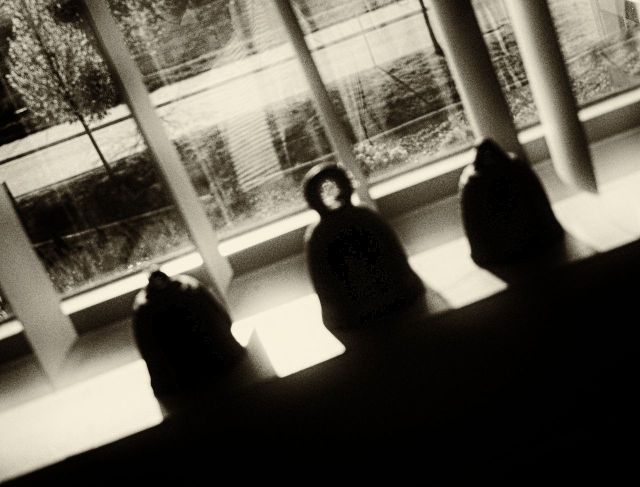
Does the three blurry bells gift you with a sense of balance? Or does the line composition have a negative affect on balance? I find that my head tilts in an attempt to fit the image into a sense of expectation.
Rule of thirds: the element of composition that begins with dividing an image into thirds, horizontally and vertically, creating nine imagined sections.
This image is created with five layers, do you find that the composition may have some how upset the rule of thirds?
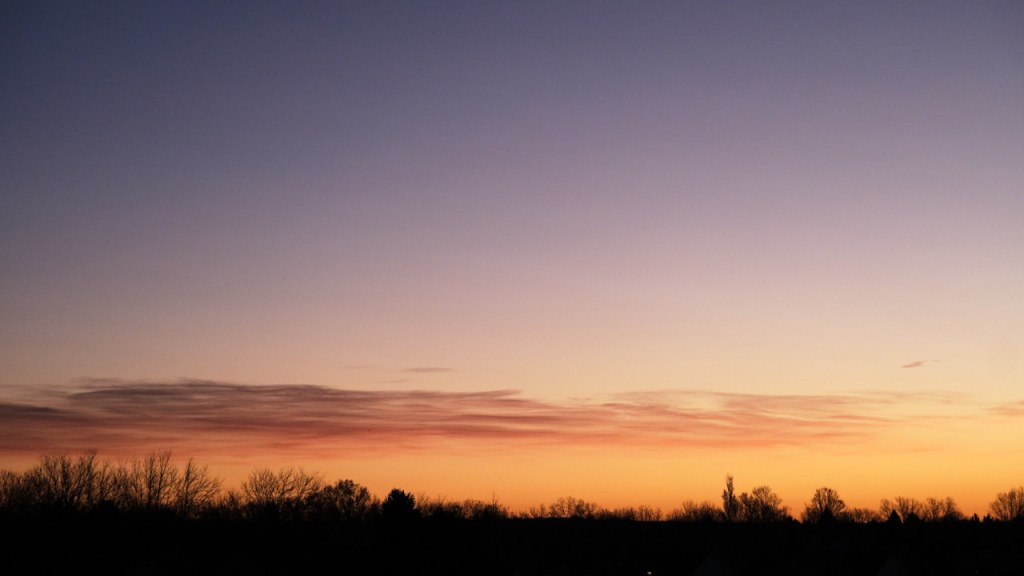
Dawns’ light


Sutcliffe rarely left Whitby [a port and resort community on the Yorkshire coast], where his portrait studio kept him busy, and said that he was ‘tethered for the greater part of each year by a chain, at most only a mile or two long.’ To most modern photographers this would seem a crippling restriction, but Sutcliffe gradually realized that it was an asset to him as a photographer since it forced him to concentrate on the transitory effects that could transform familiar scenes. …photographers should always aim for something more than ‘mere postcard records of facts.’ ‘By waiting and watching for accidental effects of fog, sunshine or cloud,’ he advised, ‘it is generally possible to get an original rendering of any place. If we only get what any one can get at any time, our labour is wasted; a mere record of facts should never satisfy us.’
cited: Frank Meadow Sutcliffe, The History of Photography Series, p 8
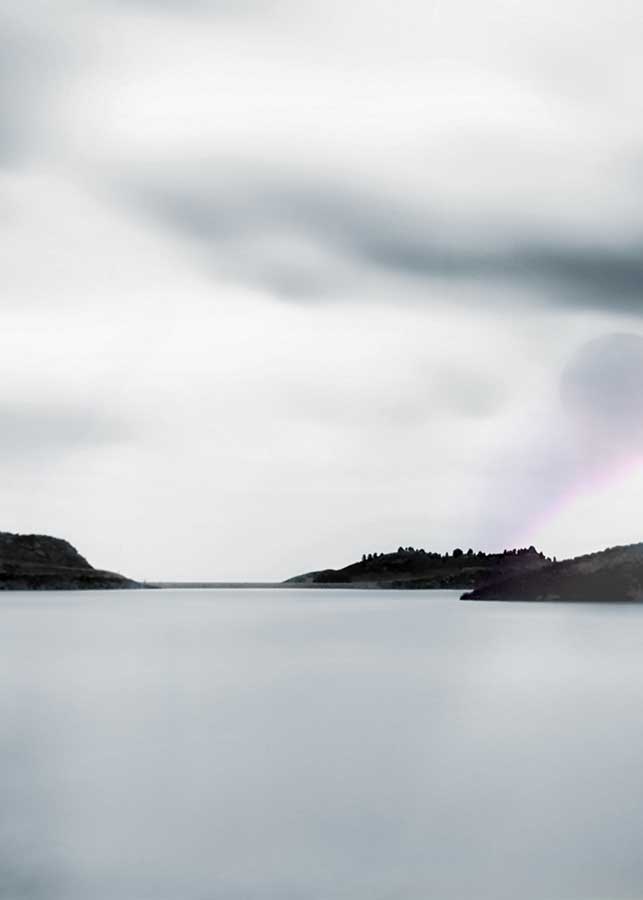
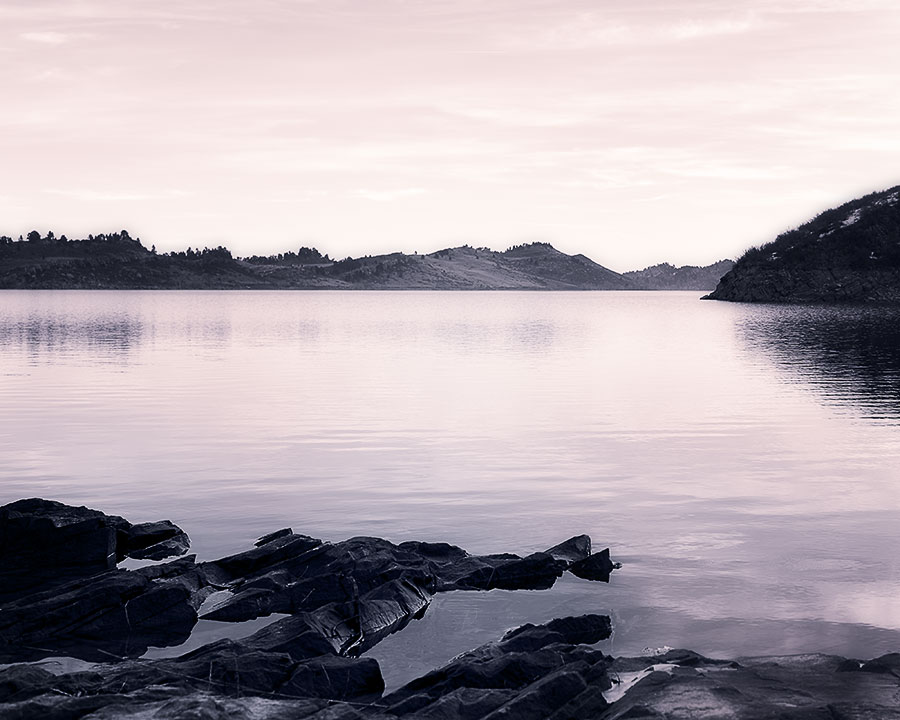
Horsetooth Reservoir


Journeys with John invites lens-artists to “share where you go or what you do to help lift those spirits when this old world starts getting you down”.
all are lonely
yet are you much more than any
you who still wait?
Houses, aged and fragile, once stood strong within their newness and sang of home, dreams, hopes, joys. tears, family.

Houses that story homes of past years now silent.

Absent are the sounds of togetherness, of spoken differences, of celebrations, of loss.

Houses, abandoned, speak to our soul, our imagination. They tell of impermanence.
Yet, they seem to be waiting…waiting as they fade.
images and thoughts submitted in response to slow shutter speed’s challenge: abandoned
Leya (To See a World in a Grain of Sand) invites lens-artists to share what they saw during their outings and what they brought.
As I turned into an alley on my way to the library with hopes there would be a hard copy of Umberto Eco’s, The Name of the Rose, I found wall paintings of joy-filled companionship. Images speaking of metaphors, puns, riddles, memories?

“The question, …, was whether metaphors and puns and riddles, which also seem conceived by poets for sheer pleasure, do not lead us to speculate on things in a new and surprising way ..” (cited: Umberto Eco, The Name of the Rose)
You must be logged in to post a comment.