lens-artists: music to my eyes

The child claps his hands

playing alone, happily,

under a festive tree ~Issa*

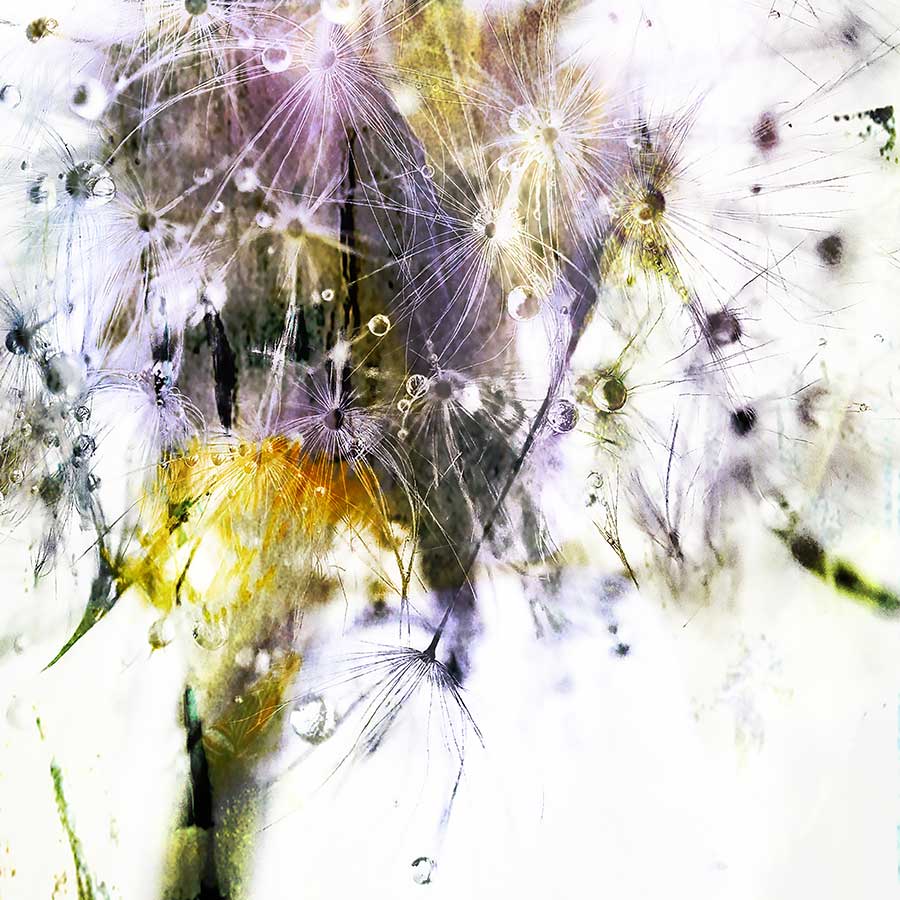
artist: R. B. AH**
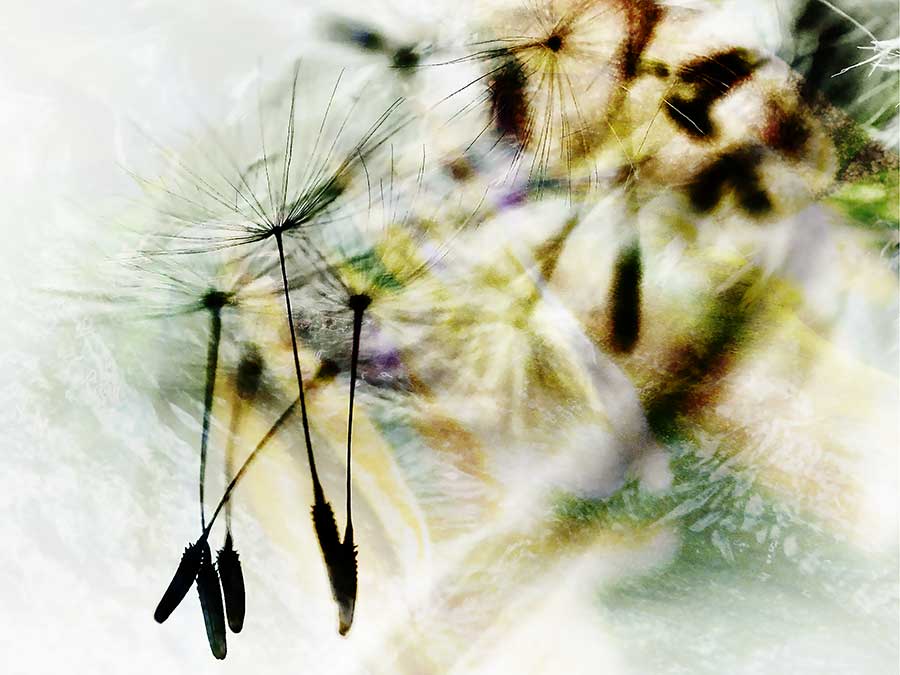
artist: A. H-A**

Egidio invites photographers to share photographs that are associated with songs. That is, “what music do you hear in your photos?”

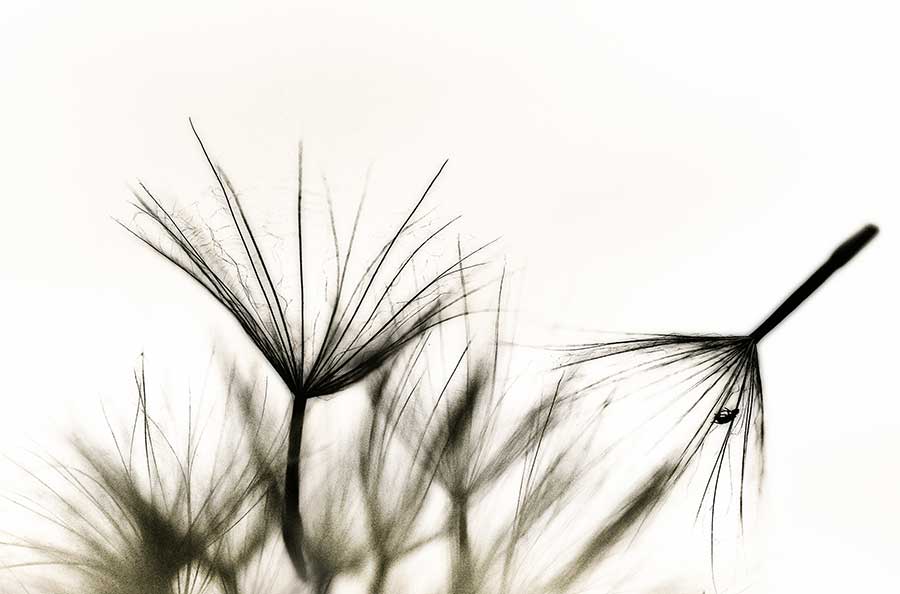
I thought to share this masterpiece of abstract art created by a very quiet and thoughtful artist.

While photographs do not bring to mind music, they often speak to me either through haiku or a haiku accompanies me during a photo walk. There are associations with images and scent as well as music and memory.

Music seems more abstract than other art forms because it represents emotional states, symmetry and repetition, and other intangibles. But just because you can’t see or touch these things, doesn’t make them any less real. In preliterate societies, music was probably one of the best methods for storing and conveying complex stories and information.***

One of the best ways to understand how the over-all space of creative expression reflects its parts is to imagine yourself inside the space of the artwork…select a place within the composition where you would like to locate yourself for a few minutes of contemplation. …imagine…passing through different areas of the artwork…feel…energetic patterns. (152)****

*cited: The Spring of My life

Trans: Sam Hamill

**used with permission by the artist

***The Ethan Hein Blog (www.ethanhein,com)

**** McNiff, Shawn

Trust the Process

early morning readings

contemplative photography

Nikon D750  f/5.6  1/400s   170m   450 ISO

“…there is thinking as a result of mind and object of mind, but there is no thinker. There is feeling, but the feeling and the one who feels are not separate.” ~Thich Nhat Hanh, The Other Shore

“In this acausal world … artists are joyous. Unpredictability is the life of their paintings, their music, their novels. … Most people have learned how to live in the moment. The argument goes that if the past has uncertain effect on the present, there is no need to dwell on the past. And if the present has little effect on the future, present actions need not be weighed for their consequence. Rather, each act is an island in time, to be judged on its own. Families comfort a dying uncle not because of a likely inheritance, but because he is loved at that moment. Employees are hired not because of their resumes, but because of their good sense in interviews. … it is a world of impulse. It is a world of sincerity. It is a world in which every word spoken speaks just to that moment, every glance given has only one meaning, each touch has no past or no future, each kiss is a kiss of immediacy.” ~ A Lightman, Einstein’s Dreams

“…Go on transforming a square canvas in your head until it becomes a circle. Pick up any shape in the process and pin up or place on the canvas an object, a smell, a sound, or a colour that came to mind in association with the shape. ~ Yoko Ono (cited: J F Simon, JR, Drawing Your Own Path)

hidden inspiration: shadow dancing

streetnoontues-8 Richo GX100   f/5.1  1/320  5.1m  80 ISO[/caption]

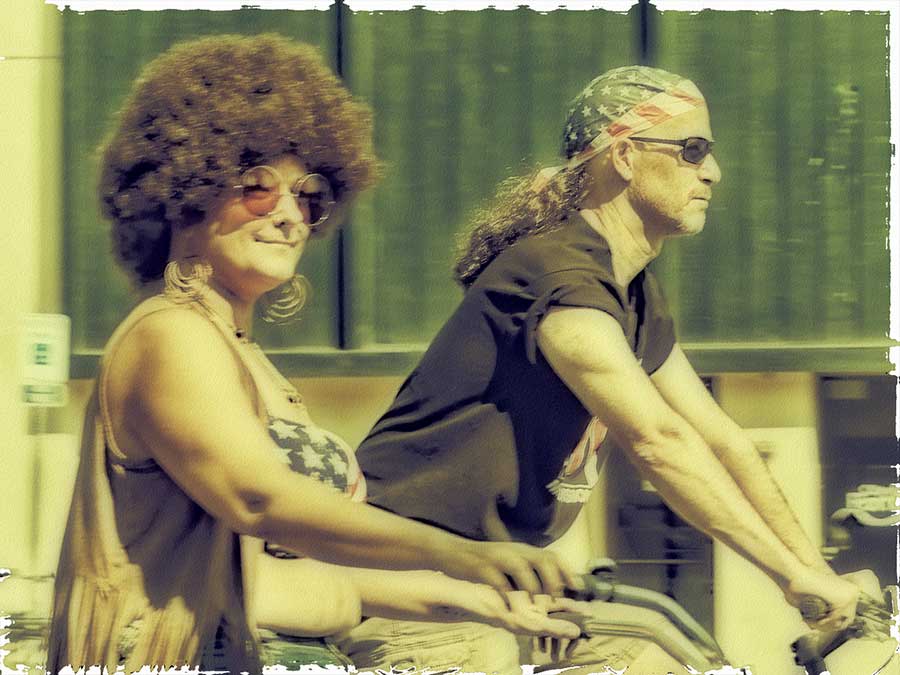
Marcus, Streets of Nuremberg, invites those who are interested in street photography to “try to shoot people who are engulfed in their every day business, unaware of the photographer aiming the camera at them. Obviously, using a longer lens (or zoom) does help not to get too close. But even with a wide angle lens, the camera up at the eye, you can wander through shops, bars or your local market, looking for interesting scenes, people, gestures, colors, patterns – and press the shutter when something catches your eye and gets your creative juices flowing. Move naturally, shoot, and trust me you will not be noticed.”

the dawn is here…

In the summer night
The evening still seems present,
But the dawn is here.
To what region of the clouds
Has the wandering moon come home?

~Kiyohara no Fukayabu

Meditative photography with an iPad, John F Simon’s “Drawing your own Path,” a pair of reading glasses, a fountain pen, and the dawn.  Edited in Lightroom CC.

weekend reflections

reflections91617web

Nick Cave and Warren Ellis create film and theatre scores that are elegantly minimal, hauntingly beautiful and instantly recognisable as theirs alone. Full of light and shade, creeping dread and inconsolable yearning, these heavily instrumental sound paintings inject aching humanity into ghostly frontier towns, parched desert vistas and post-apocalyptic war zones. Most are built around the duo’s intertwined piano and violin melodies, with sporadic use of guitar, flute, mandolin, celeste, percussion and other elements. Vocals are rare and sparing. But even without lyrics, they are always lyrical.

the journey begins

brendakofford_dandelionproject819web

You can learn about the pine only from the pine, or about the bamboo only from bamboo.  When you see an object, you must leave your subjective pre-occupation with yourself; otherwise you impose yourself on the object, and do not learn.  The object and yourself must become one, and from that feeling of oneness issues your poetry.  However well phrased it may be, if your feeling is not natural—if the object and our self are separate—then your poetry is not true poetry but merely your subjective counterfeit.

~ Basho*

Keith Kenniff is an American composer, multi-instrumentalist, and electronic music producer. He composes ambient/electronic music under the moniker Helios and post-classical piano music under Goldmund.

tears

dandelionproject_tears82617bweb

tears

The Belgian composer Wim Mertens (born 1953) is an international recording and performing artist who has given countless concerts, as a soloist and with his ensemble, all over Europe, North and Central America, Japan, Thailand and in Russia. He initially studied at the Conservatory of Brussels and graduated in political and social sciences at the K.U. Leuven and Musicology at the R.U. Gent. In 1998, Mertens became the Cultural Ambassador of Flanders.