this is because that is

Stay at Home Order … day 14 plus 14 seclusion retreat days

leaving the town

breathing easier…

firefly ~Issa (cited: haikuguy.com)

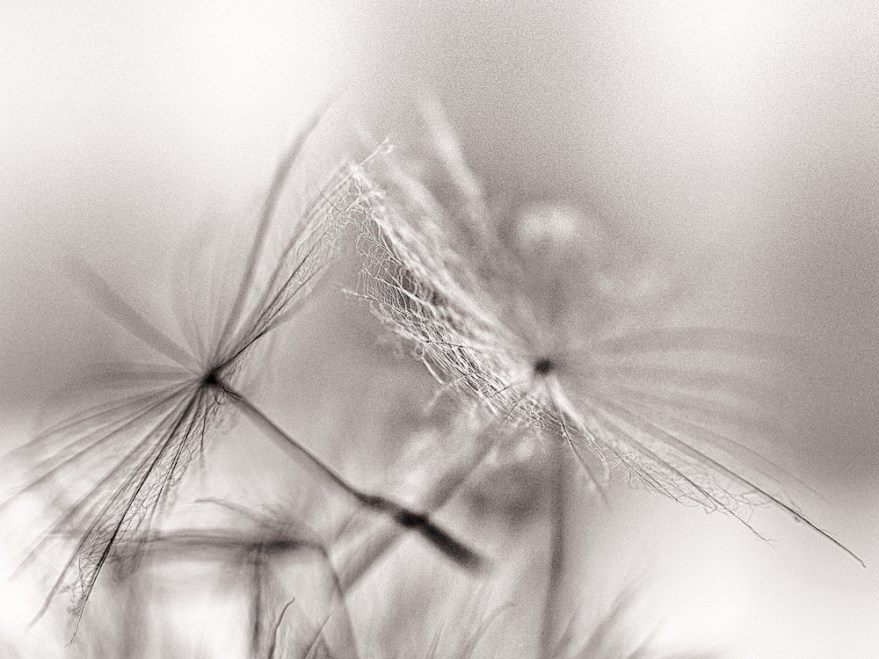
Nikon D750 f/1.8 1/4000 35mm 200 ISO

“The rapid increase of carbon dioxide concentration in Earth’s modern atmosphere is a matter of major concern. But for the atmosphere of roughly two-and-half billion years ago, interest centres on a different gas: free oxygen (O2) spawned by early biological production. The initial increase of O2 in the atmosphere, its delayed build-up in the ocean, its increase to near-modern levels in the sea and air two billion years later, and its cause-and-effect relationship with life are among the most compelling stories in Earth’s history.”

(cited: Lyons, Timothy W.; Reinhard, Christopher T.; Planavsky, Noah J. The rise of oxygen in Earth’s early ocean and atmosphere: Nature, Volume 506, Issue 7488, pp. 307-315 (2014).

“The oxygen holocaust was a worldwide pollution crisis that occurred about 2,000 million years ago. Before this time there was almost no oxygen in the Earth’s atmosphere. The Earth’s original biosphere was as different from ours as that of an alien planet. But purple and green photosynthetic microbes, frantic for hydrogen, discovered the ultimate toxic waste, oxygen. Our precious oxygen was originally a gaseous poison dumped into the atmosphere. … (The atmospheres of Mars and Venus today are still more than 95 percent carbon dioxide; the Earth’s is only 0.03 percent.)…”

(cited: Lynn Margulis, Dorion Sagan Microcosmos: Four Billion Years of Microbial Evolution

how many nights…

Stay at Home Order … day 11 plus 14 seclusion retreat days

“The sight of the leaves ever reminds me strangely of my own sadness. I cannot go within, but lie on the veranda; mayhap my end is not far off. I feel a vague anger that others are in comfortable sleep and cannot sympathize with me. Just now I hear the faint cry of a wild goose.* Others will not be touched by it, but I cannot endure the sound.

How many nights, alas!-

Sleepless-

Only the calls of the wild geese-

~The Diary of Izumi Shikibu (cited: Diaries of Court Ladies of Old Japan)

isolation

*Footnote within the Diary of Court Ladies of Old Japan notes that the “wild geese visit Japan in Autumn and fly away northwards in the early spring. They are never alone, and their cries calling to each other make the solitary woman feel loneliness more keenly.”

May you be well. May you be safe. May you find solace.

lens-artists photo challenge: simplicity

Across concealed blue skies – drifting signs

Imaginary birds and dragons – aimless shifting stories

Gathering and dispersing – water droplets and star dust

In flight – clouds empty of clouds

Nikon D750 f/1.8 1/800 35mm 200 ISO

This week Patti (P.A. Moed) invites us to “get back to the basics” and to share how we understand simplicity.

As I was re-reading the basic rules for the board game Go, I came to understand that while the game builds upon 6 simple rules it is an incredibly complex game with more possible configurations for pieces than atoms in the observable universe.

The true origin of Go is unknown. One of the legends tells us that it first emerge in China during the reign of the legendary Emperor Yao (2356 BC- 2255 BC) who created the game for one of his children.

Kano Yoshinori (Graded Go Problems for Beginners) outlines the 6 general rules as:

1) Go is played by two people (I enjoy playing alone as it feels more strategic than competitive) taking turns playing their moves, one stone at a time.

2) One side plays with black stones, the other white.

3) A move consisted of placing a stone on an intersection of the board. Stones can also be placed on the borders of the grid.

4) Once a stone is placed on an intersection, it cannot be moved to another point.

5) When one player has more knowledge and skill, the “weaker” player places more stones on the board to compensate for the difference in strength.

6) In an even game, the side holding the black stone always goes first. In a handicap game, it is the white who plays first.

Nikon D750 f/1.8 1/3200 35mm 200 ISO

At first glance, nature appears simple. The seasons flow from one into another. Clouds move across the sky creating amazing characters and awakening imaginary stories. Yet, when one become more intimate with Mother Earth’s dynamics there are multiple configurations that are beyond my imagination.

Please be safe…

lens-artists photo challenge: favorite photos of 2019

2019 in review…

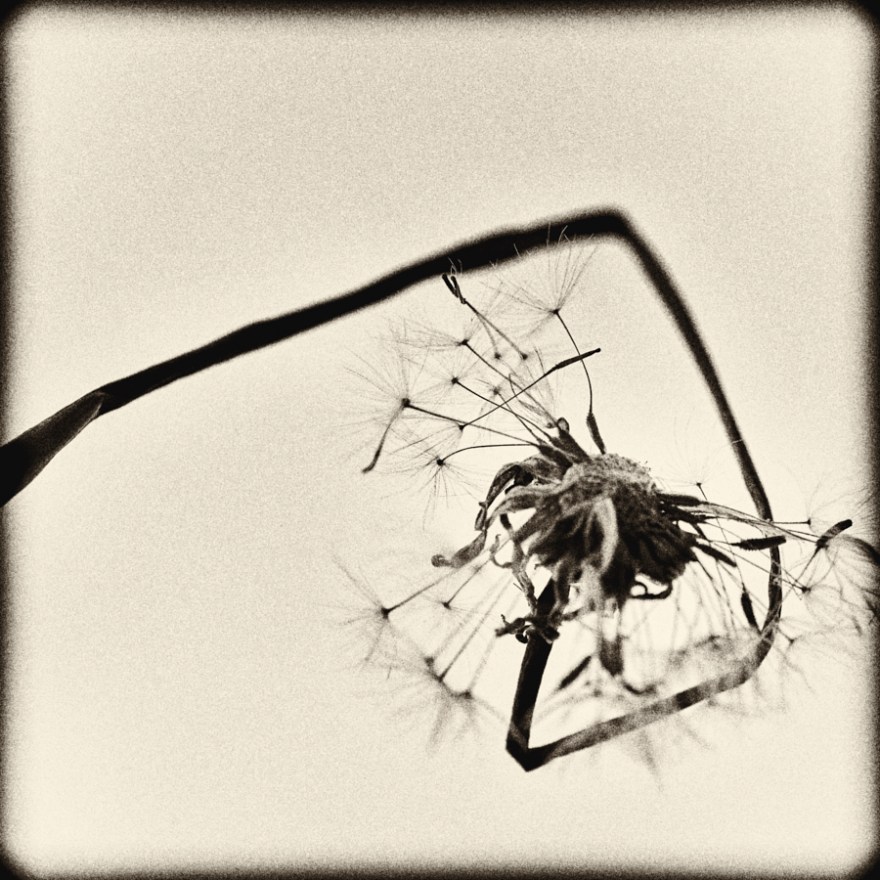
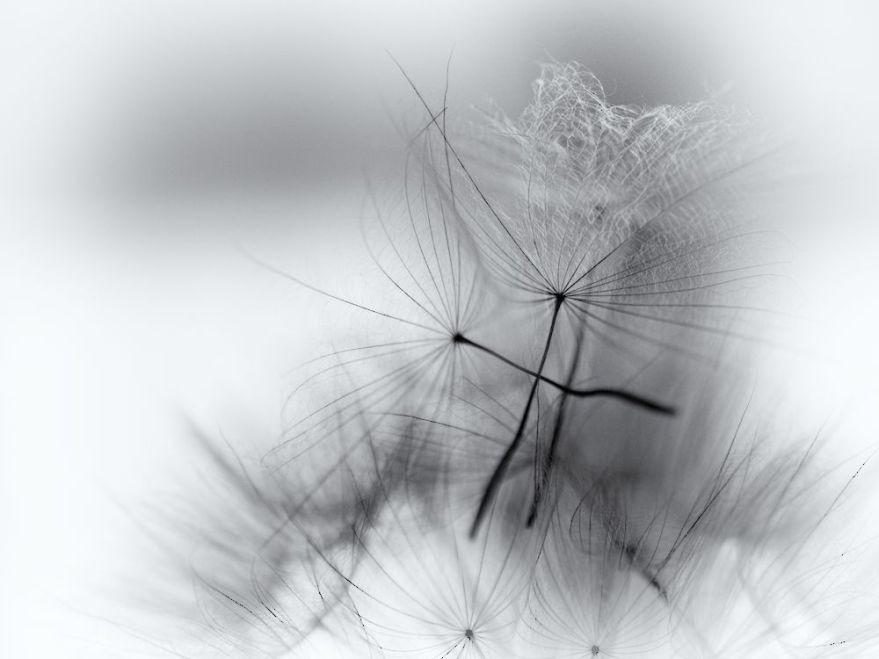
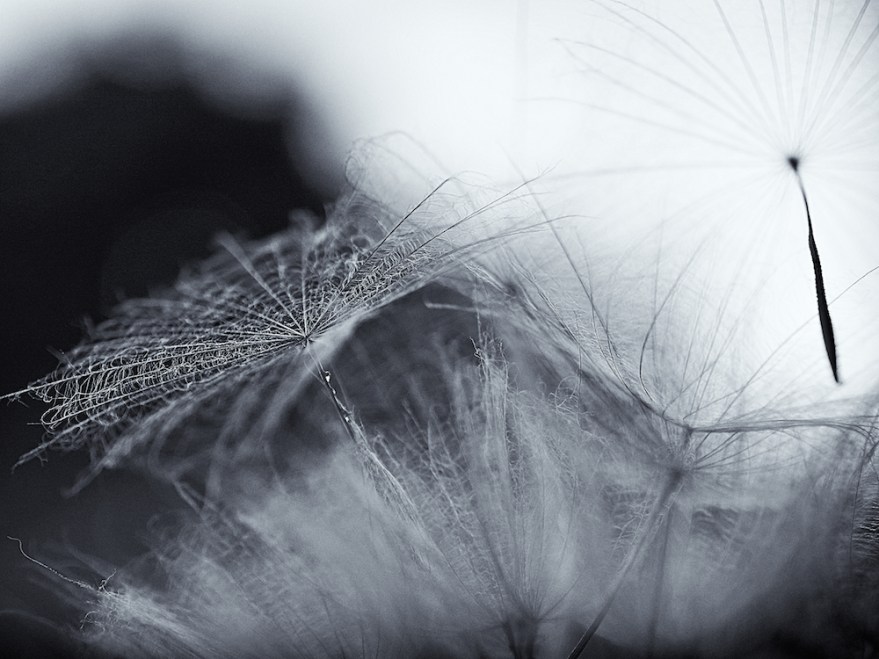
As I was reviewing 2019 images within the WP media library, I notice these two images side-by-side. While not my favorite images, together they create a unique perspective and invite contemplation.

As 2020 unfolds, present moment by present moment, may you and all your loved ones awaken to life’s mysteries and know joy.

Images submitted for Patti’s lens-photo challenge – favorite photos of 2019.

June, 2015

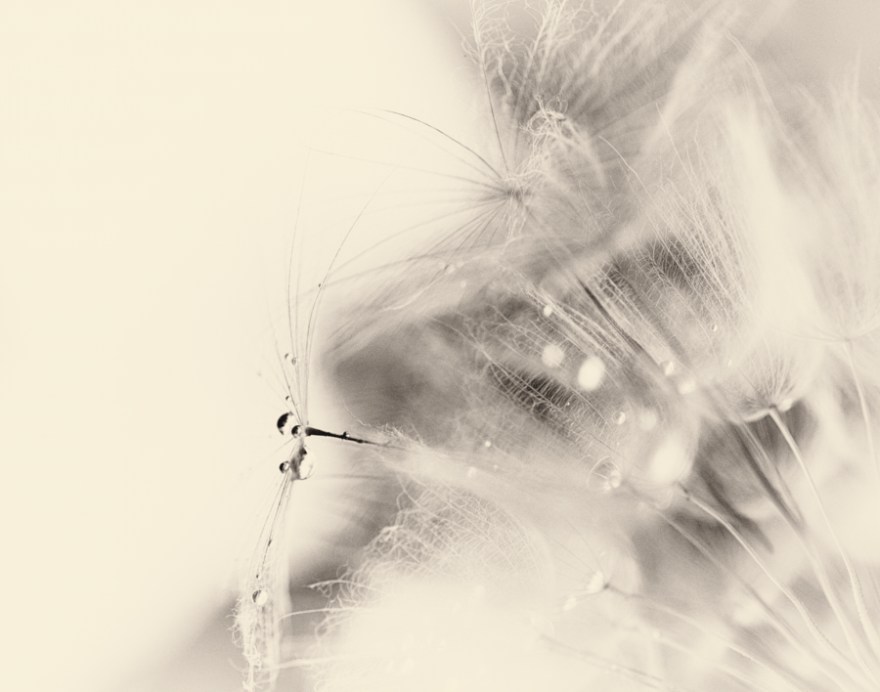
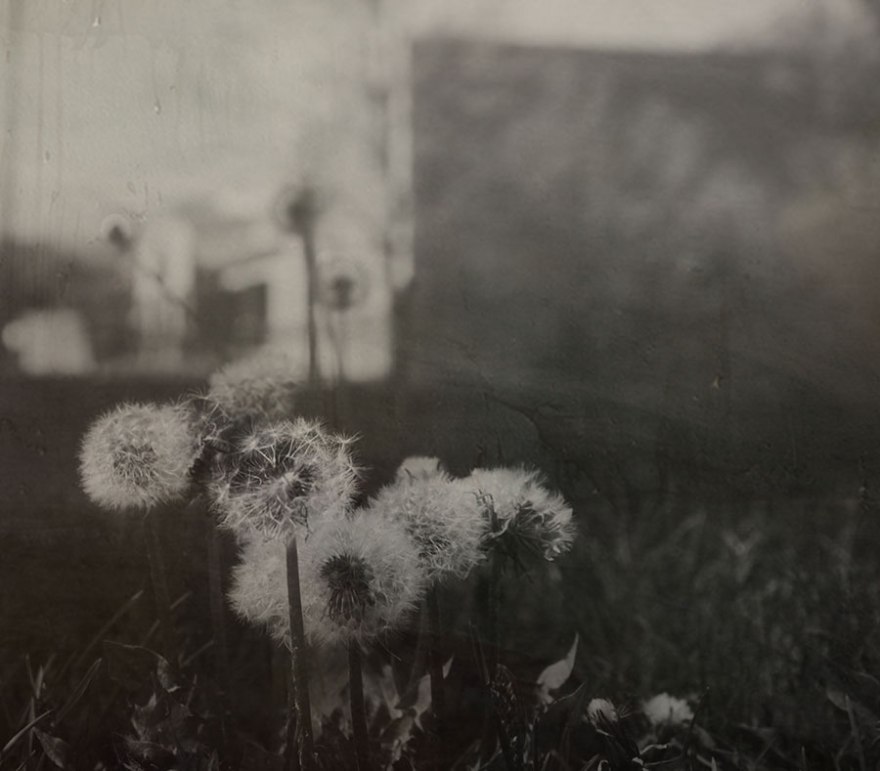
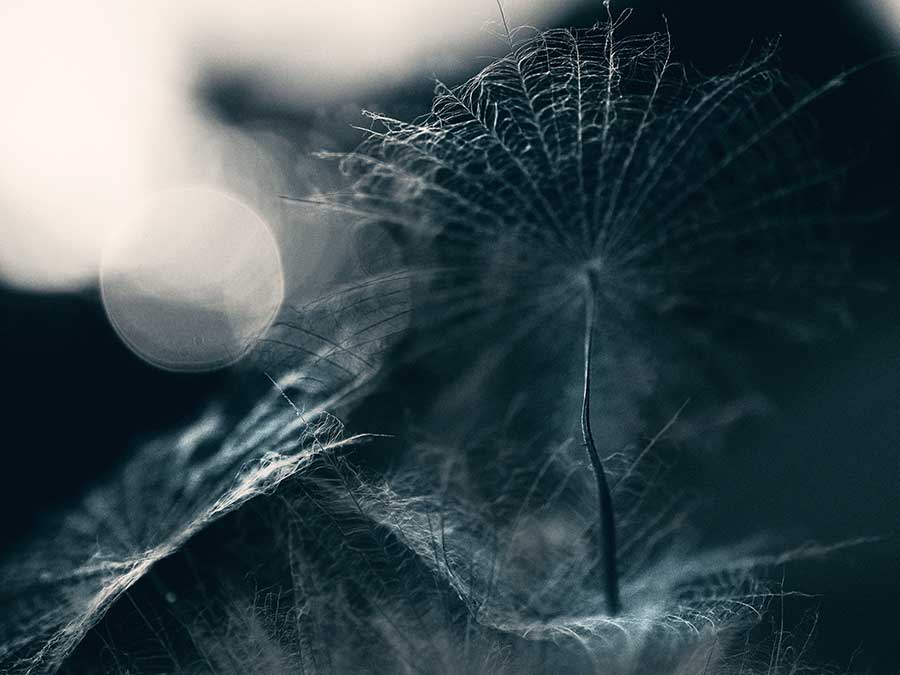
As I was reviewing old files, I saw that my obsession with dandelions and meadow salsify began during the smumer of 2015.

Dandelions and meadow salsify are members of the Asteraceae family which include daisies, chrysanthemums, sunflowers, asters, dahlias, zinnias, cosmos, common burdock, artichoke and straw flowers.

earth friday

Communities in the Four Corners — where the borders of Colorado, Utah, New Mexico and Arizona meet — have been bouncing between desperately dry and record-breaking moisture since the winter of 2017, forcing people dependent on the reliability and predictability of water to adapt

“We’ve set records almost every year, good or bad. So hot, so dry. So much snow, the river’s too high. It’s just incredibly bipolar”

Luke Runyon, KUNC . “Climate Whiplash Test Four Corners Communities’ Ability to Adapt.” October 9, 2019.

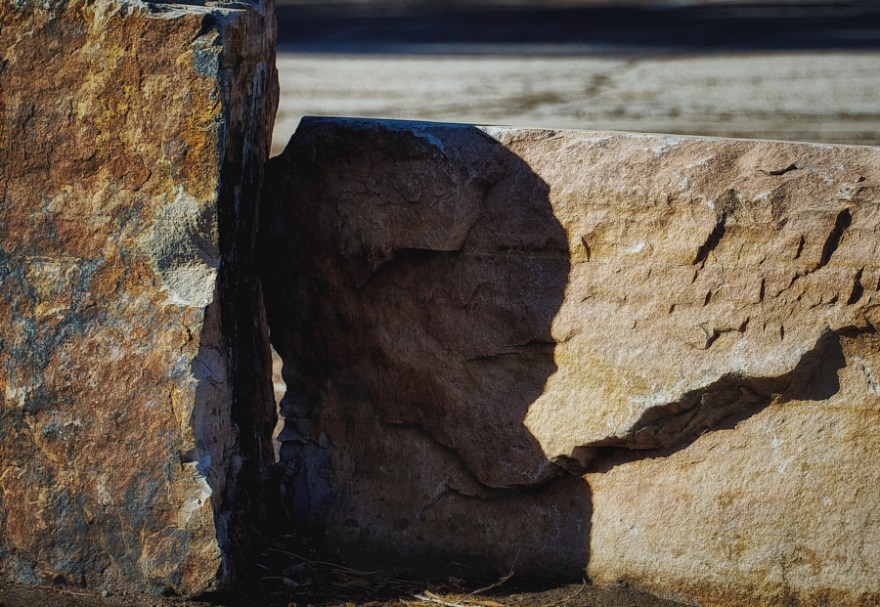
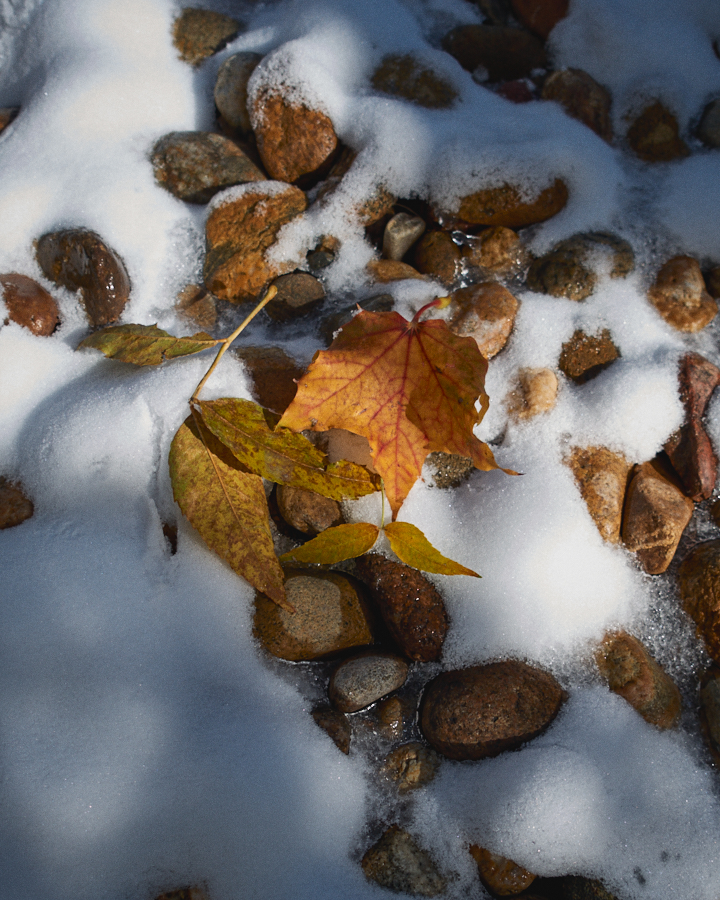
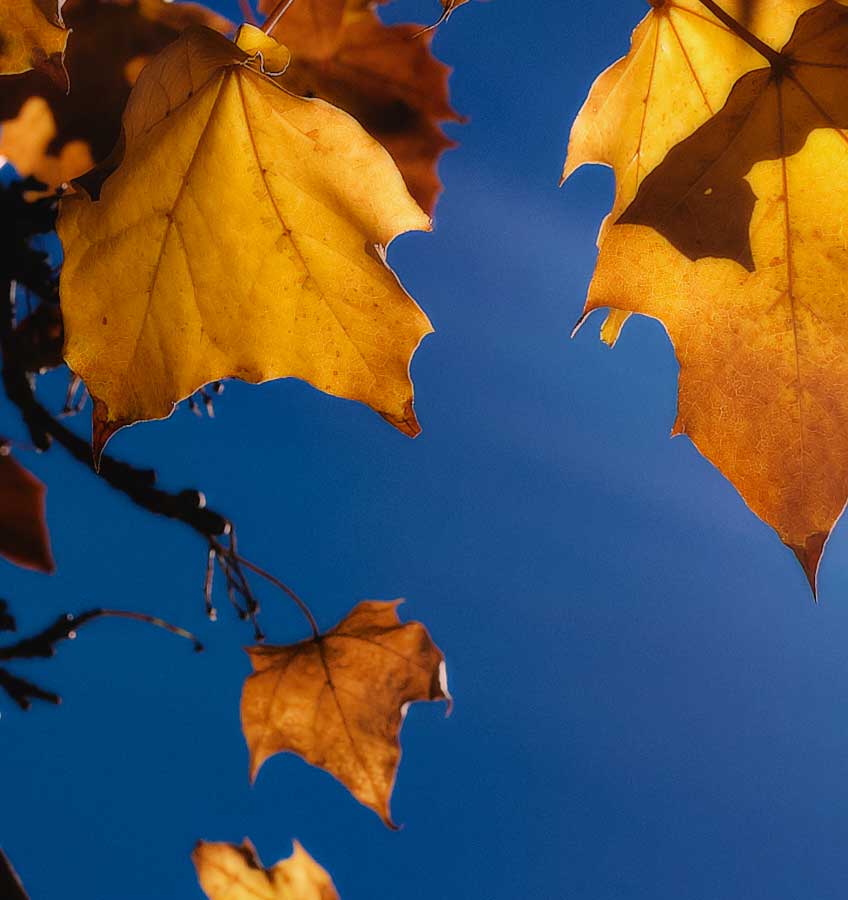
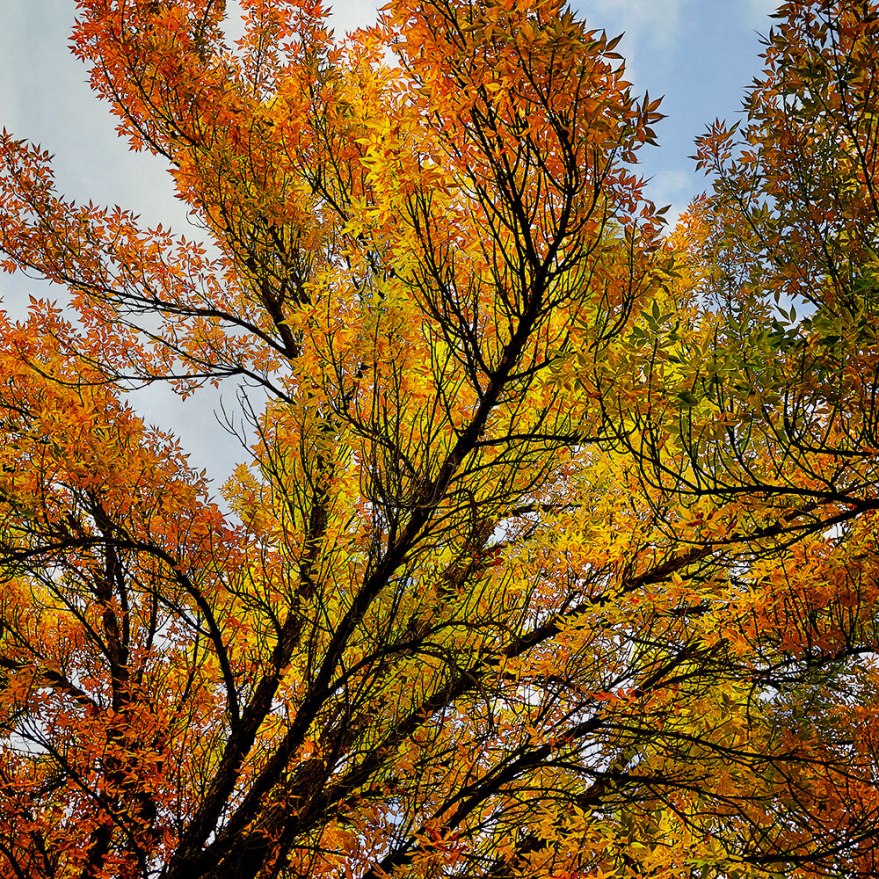
Autumn

autumn 2019 Sony RX1003 f/2.8 1/125s 12.2mm 80 ISO

Land Acknowedment:

Colorado State University acknowledges, with respect, that the land we are on today is the traditional and ancestral homelands of the Arapaho, Cheyenne, and Ute Nations and Peoples. This was also a site of trade, gathering, and healing for numerous other native tribes. We recognize the indigenous peoples as original steward of this land and all the relatives within it. As these words of acknowledgment are spoken and heard, the ties nations have to their traditional homelands are renewed and reaffirmed.

now I need so much patience

“…talking to you, God. Is that all right? With the passing of people, I feel a growing need to speak to You alone. I love people terribly, because in every human being I love something of You. And I seek You everywhere in them and often do find something of You. But now I need so much patience, patience and thought, and things will be very difficult. …”

~Trans: Arno Pomerans Hillesum, E. An Interrupted Life p. 16

Image and quote submitted in response to Travel with Intent’s Six Word Challenge.