
wordless wednesday


Nikon D750 f/7.1 1/400s 85mm 900 ISO
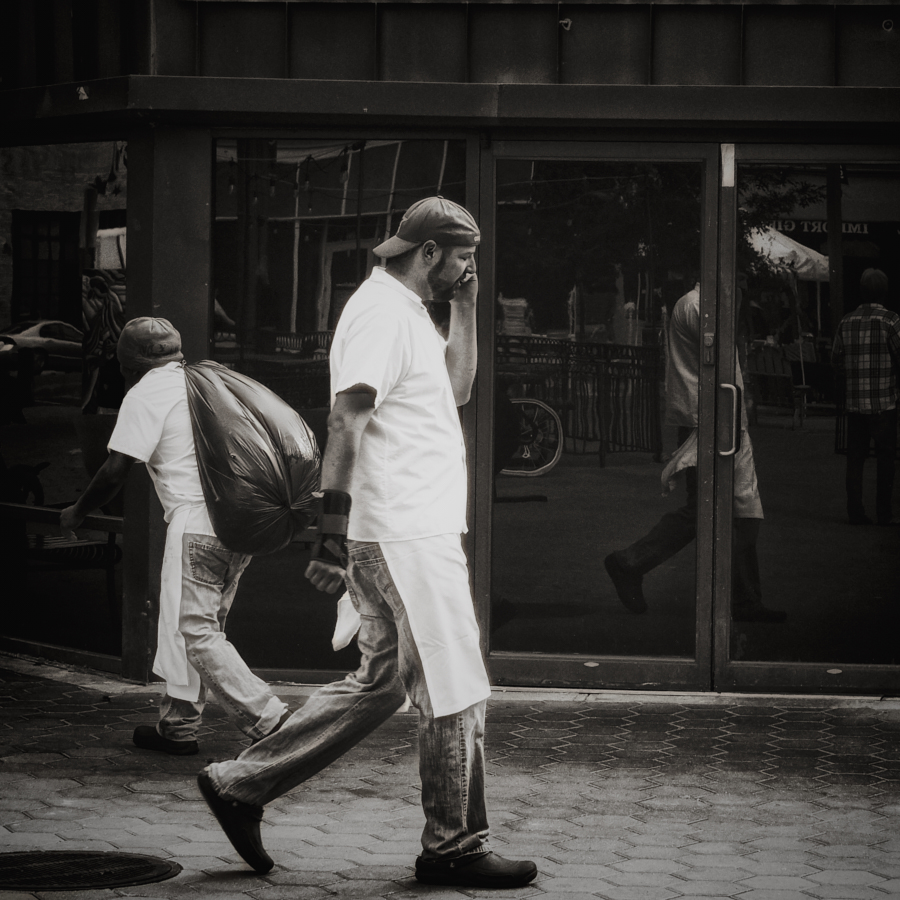
Nikon D750 f/7.1 1/400s 55mm 1800 ISO
Image submitted in response to Ryan Photography’s weekly monochrome challenge.
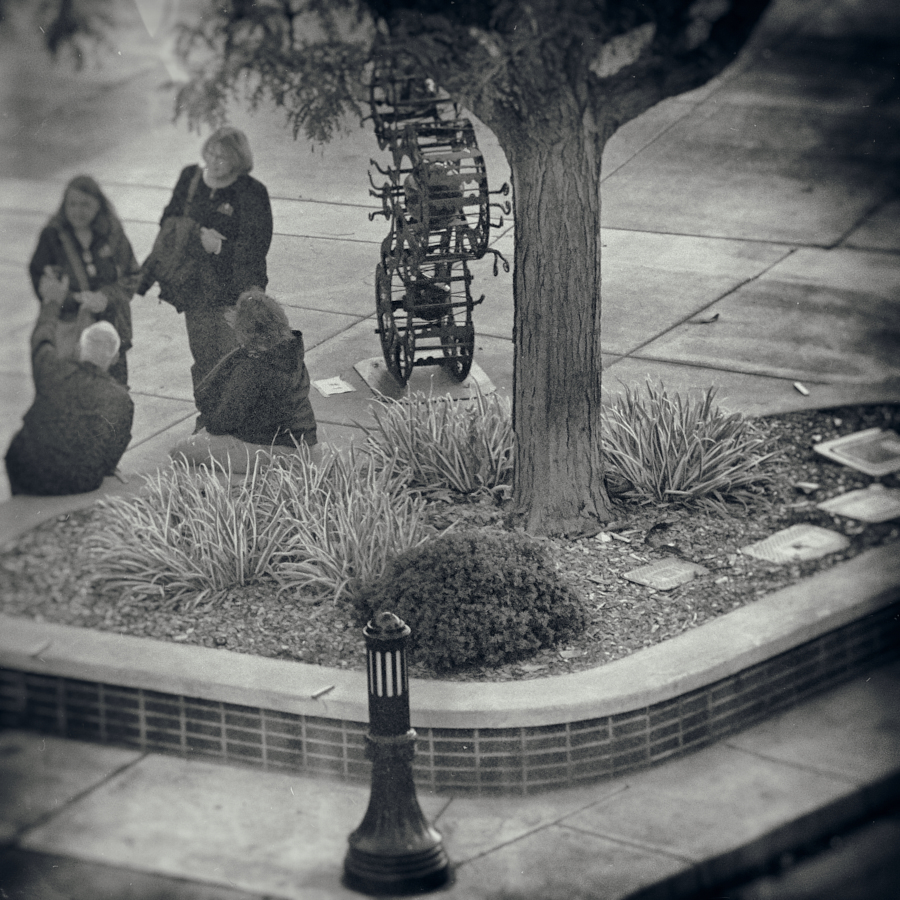
Nikon D750 f/5.6 1/400s 210mm 5000 ISO
If only his horse
had been tamed
by my hand–
I’d have taught it
not to follow anyone else!
~Izumi Shikibu (J Hirshfield & M Arantani, The Ink Dark Moon)
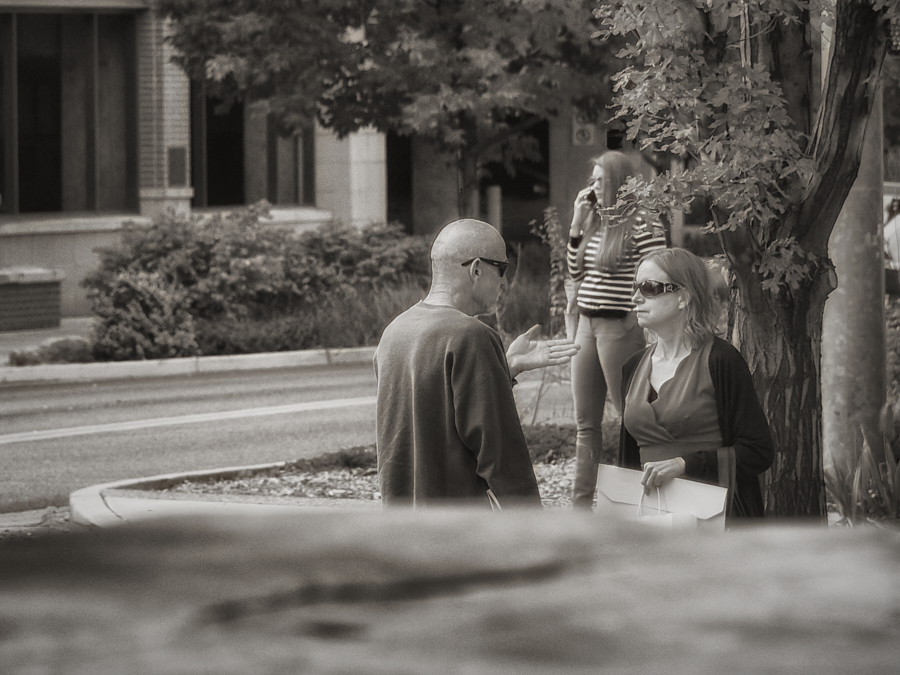
Nikon D750 f/5.6 1/400s 112mm 640 ISO

Nikon D750 f/4.5 1/500s 85mm 100 ISO
In a famous passage in the Meditations, Descartes speaks of looking from a window and seeing men pass in the street. ‘Yet,’ he reflects, ‘do I see any more than hats and coats which could conceal automations? I judge that they are men.’ …the observer no longer passes through them to see the living person beneath. He no longer sees what is implied. However, the attention of the right hemisphere, concerned as it is with the being in context, permits us to see through them to the reality that lies around and beyond them. It could not make the mistake of seeing the clothes and hats in isolation.
The illusion that, if we can see something clearly, we see it as it really is, is hugely seductive. …We never see anything clearly…What we call seeing a thing clearly, is only seeing enough of it to make out what it is; this point of intelligibility varying in distance for different magnitudes and kinds of things…” Ruskin, in Modern Painters, makes the point that clarity is bought at the price of limitation…He gives the example of an open book and an embroidered handkerchief on a lawn. Viewed from a distance of a quarter of a mile, they are indistinguishable; from closer, we can see which is which, but not read the book or trace the embroidery on the handkerchief: as we go nearer, we ‘can now read the text and trace the embroidery but cannot see the [fibers] of the paper, nor the threads of the stuff’; closer still and we can see the watermarks and the threads, ‘but not the hills and dales in the paper’s surface, nor the fine [fibers] which shoot off from every thread’; until we take a microscope to it, and so on, ad infinitum. At which point do we see it clearly? …Clarity, it seems, describes not a degree of perception but a type of knowledge. To know something clearly is to know it partially only, and to know it, rather than to experience it, in a certain way ~I McGilchrist, The Master and his Emissary (pp181-182).


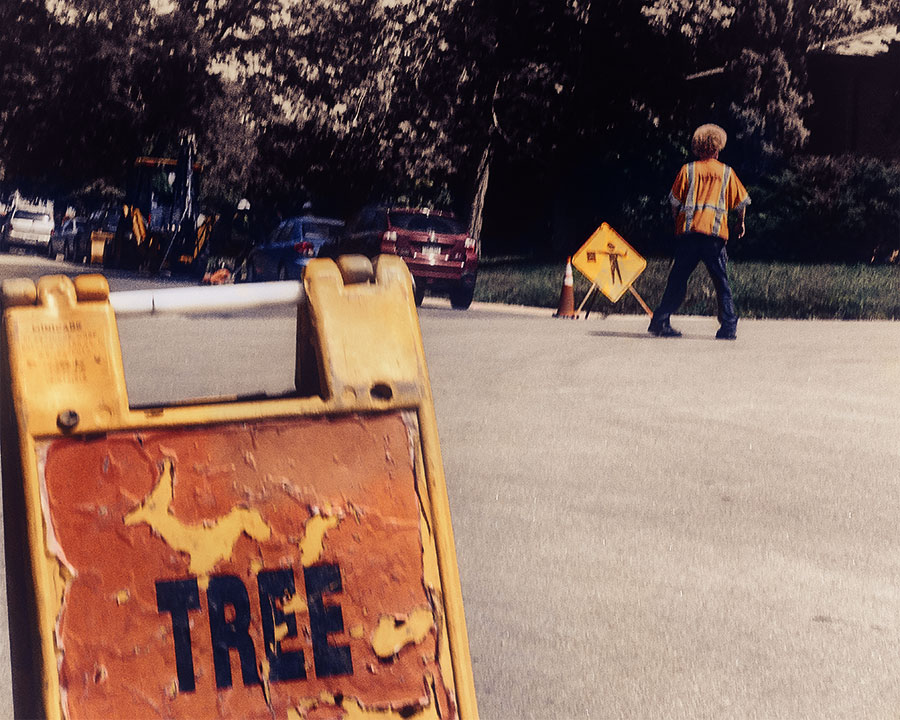
Sony RX100 III f/11 1/250 25.7m 800 ISO
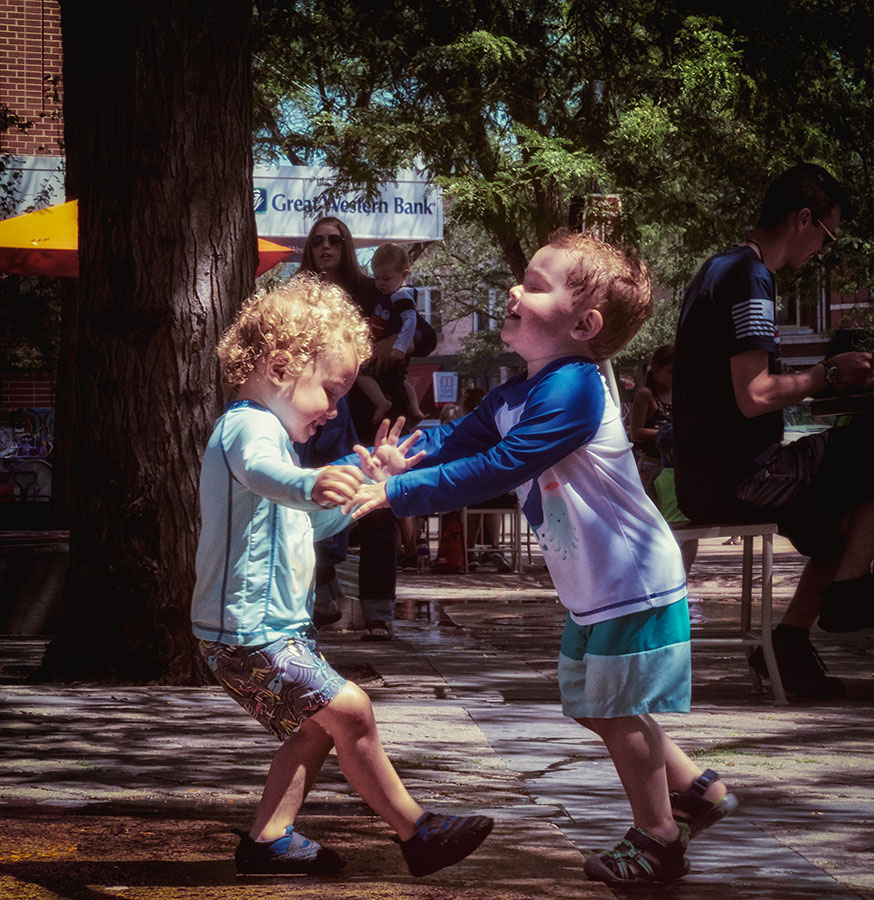
A Push or a Save?….Sony RX100 III f/10 1/320 25.15m 800 ISO
A series of photographs has the ability to convey a story through the inclusion of emotion, mood, ideas, and visual narrative.
Five basic elements of story photography are:
The introduction – an image that identifies the important characters while giving information about the context of the story and introducing the theme. The first image should also be compelling and invite curiosity so that your viewer is drawn into the story.

the gaze
The Plot – introduces ideas, feelings, experiences while exploring themes. Do not forget to follow the “rule of thirds” as this will definitely isolate and immediately draw the viewer’s attention to your subject.

elsewhere
Varying characters’ perspective – photograph closer to your subject(s) or further away. Photograph from multiple angles to find which angle best communicates your story.

watching
Stages – show images taken at different times/stages of the photo session. Explore which subject needs to be included or excluded in an image.
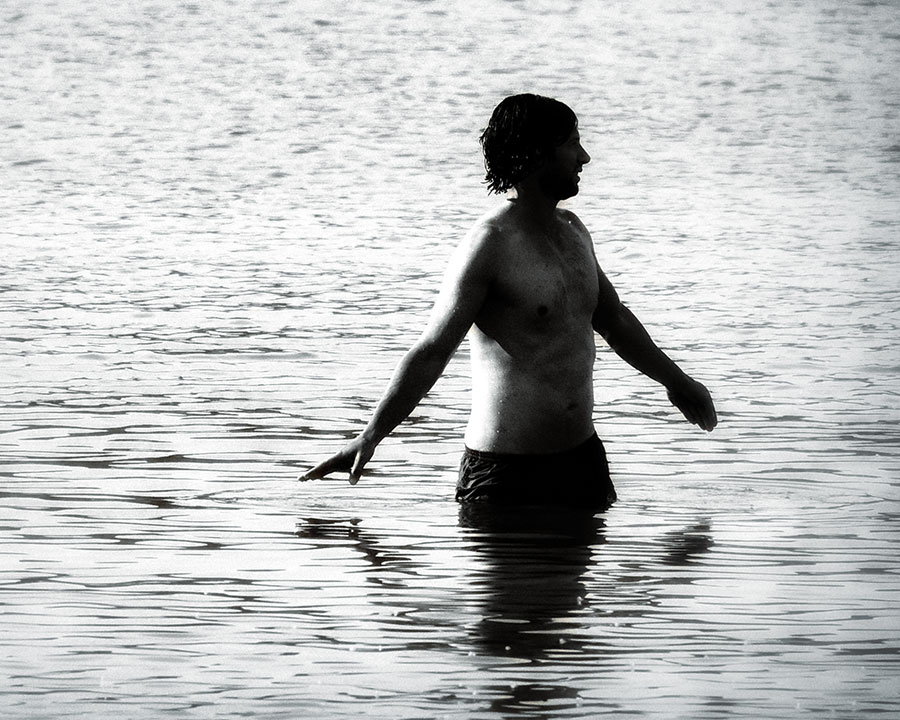
connecting
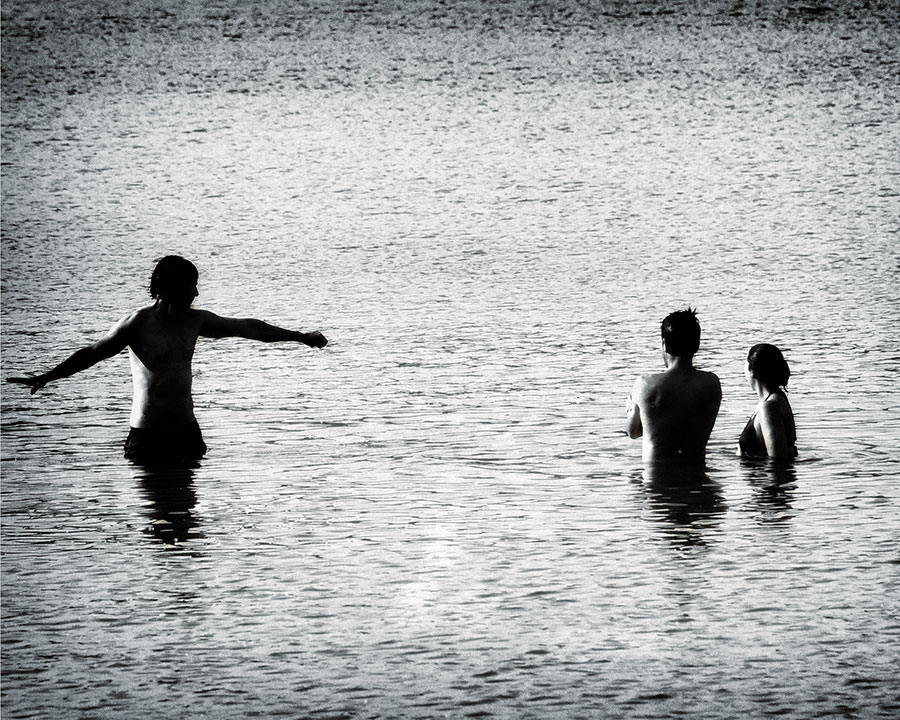
looking away
Focus on detail – you can also tell a story by paying attention to detail. When photographing outdoors, make sure the sun is behind you or off to the side.

disconnected
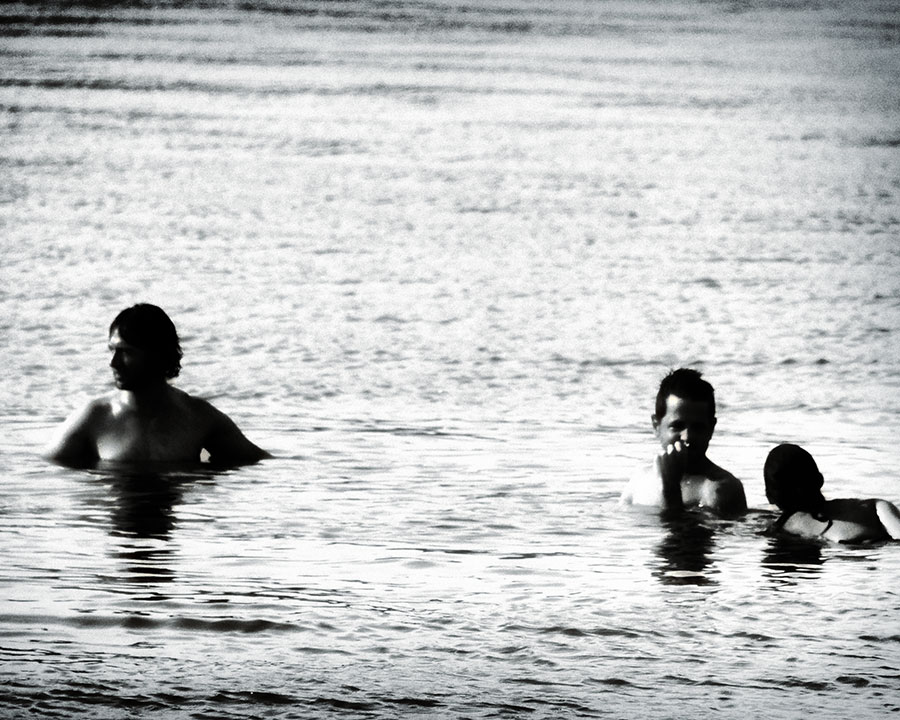
exclusion
Photo editing – ensure there is variety among the images to create interest while at the same time link them together by processing them in a similar manner (black and white, lightening).
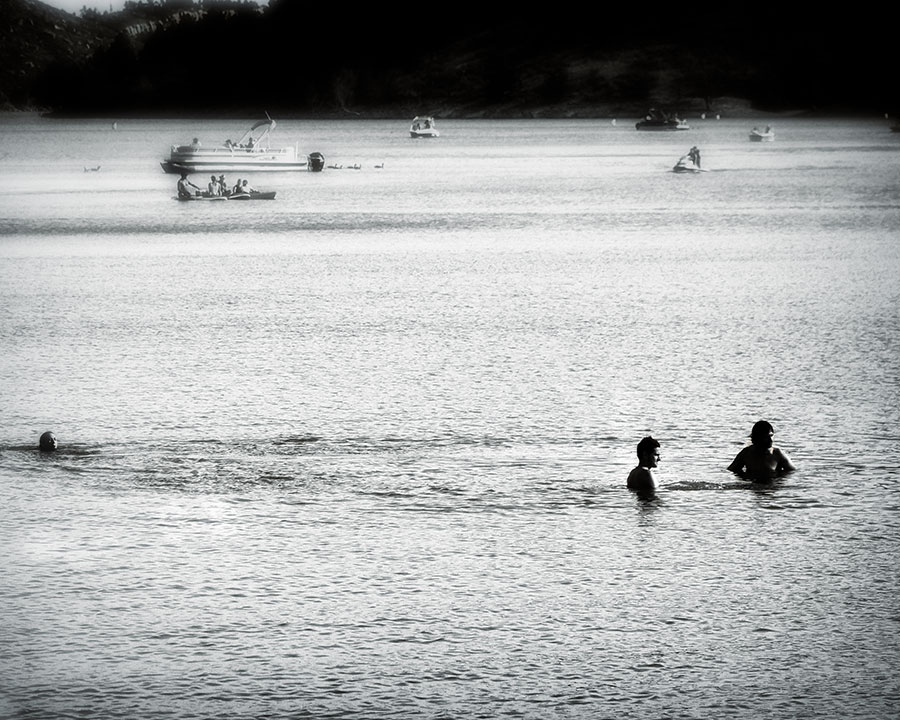
distancing
If you chose to caption your photos be sure to take note of what the subject(s) are doing without giving it away. Cations should be short, clear, and simple.
Projects such as story telling, variations, and photo series are excellent learning experiences because they help explore creativity, encourage you to compare your work with earlier photographs and allow you to see how your ideas and techniques evolve over time.
I love a great story…do you have one to share? Let’s tag with #aphotostudy.
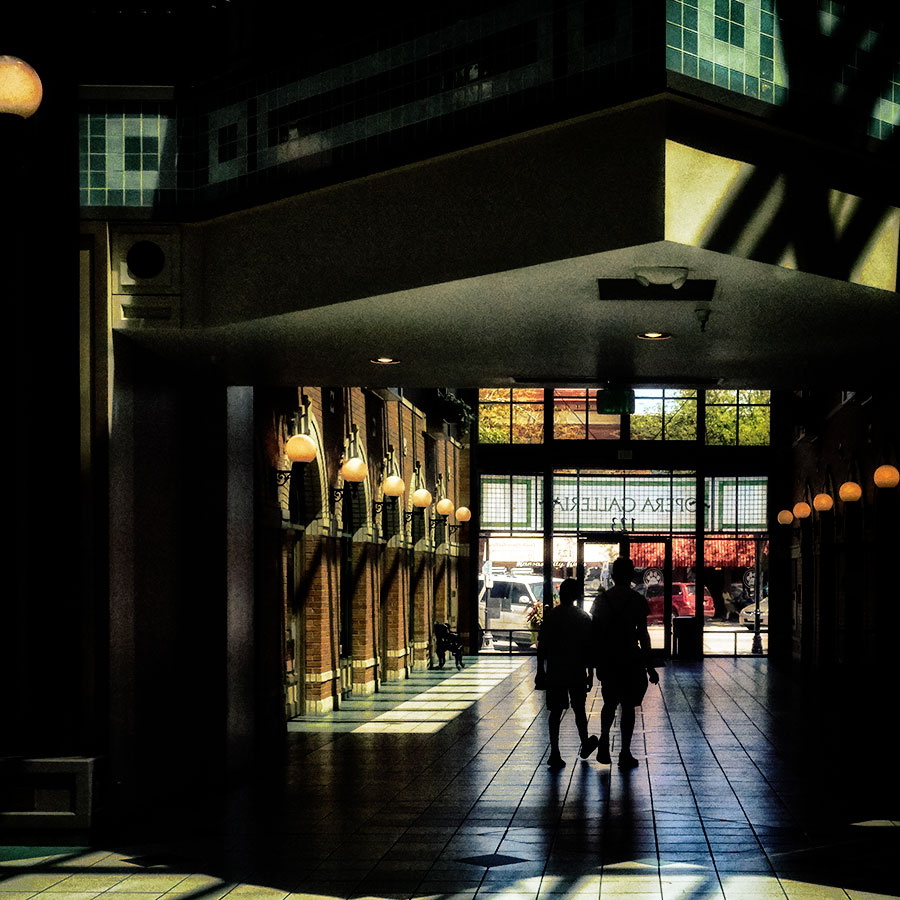
 a meditative journey
You must be logged in to post a comment.