lens-artists … everyone should see this

This week’s lens-artists challenge is hosted by Joanne. She writes that “Often times we see something that inspires us” and wish others could see what we see. She invites lens-artist to share some inspiriting photographs of things/people/places.

At this time of my life my travels are through books. As I wander through pages of someone’s thoughts and imaginations, it is often that I think of someone to share inspiring passages.

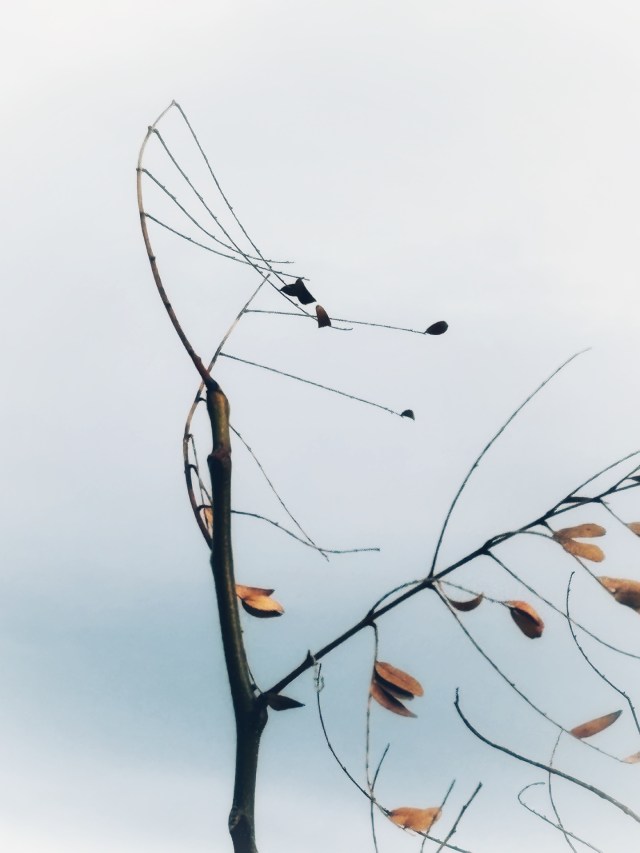
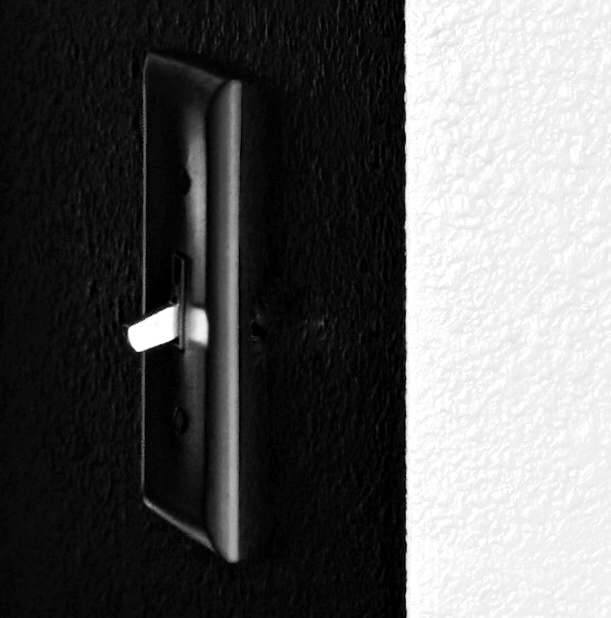
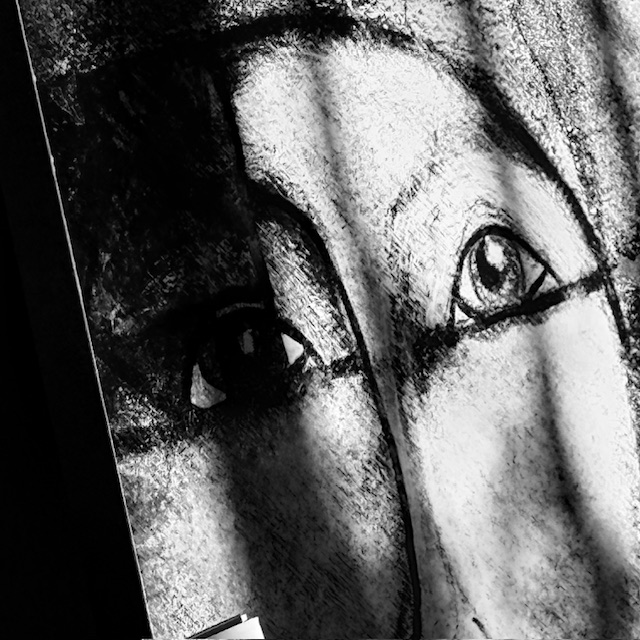
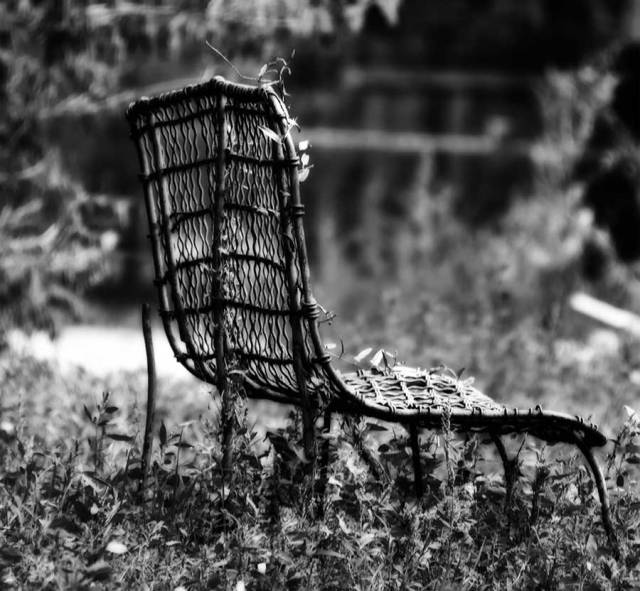
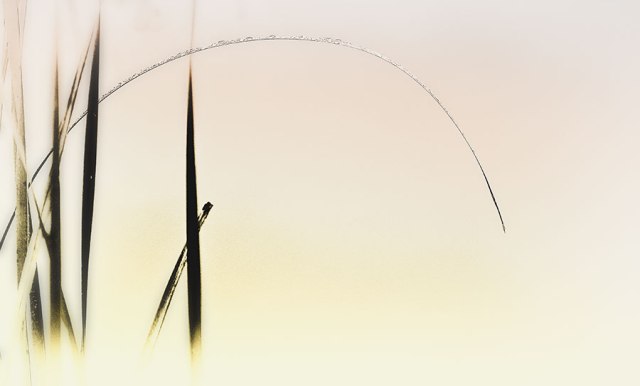
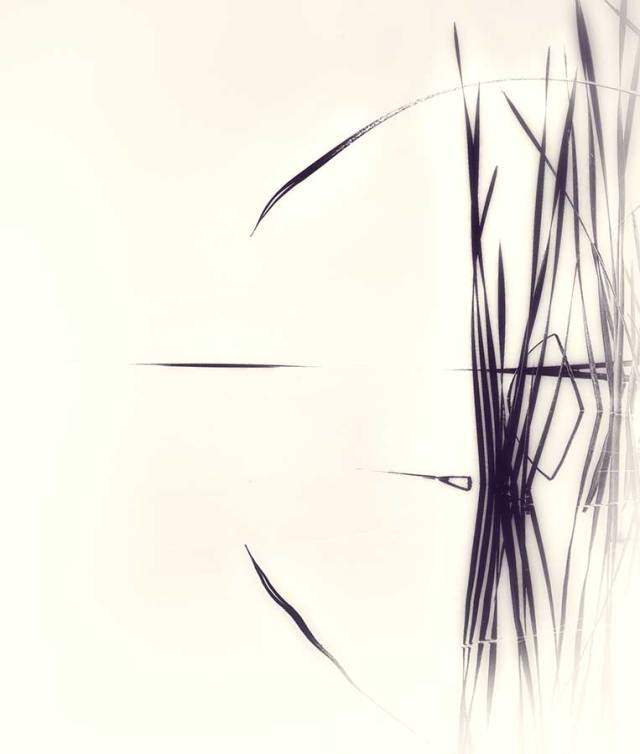
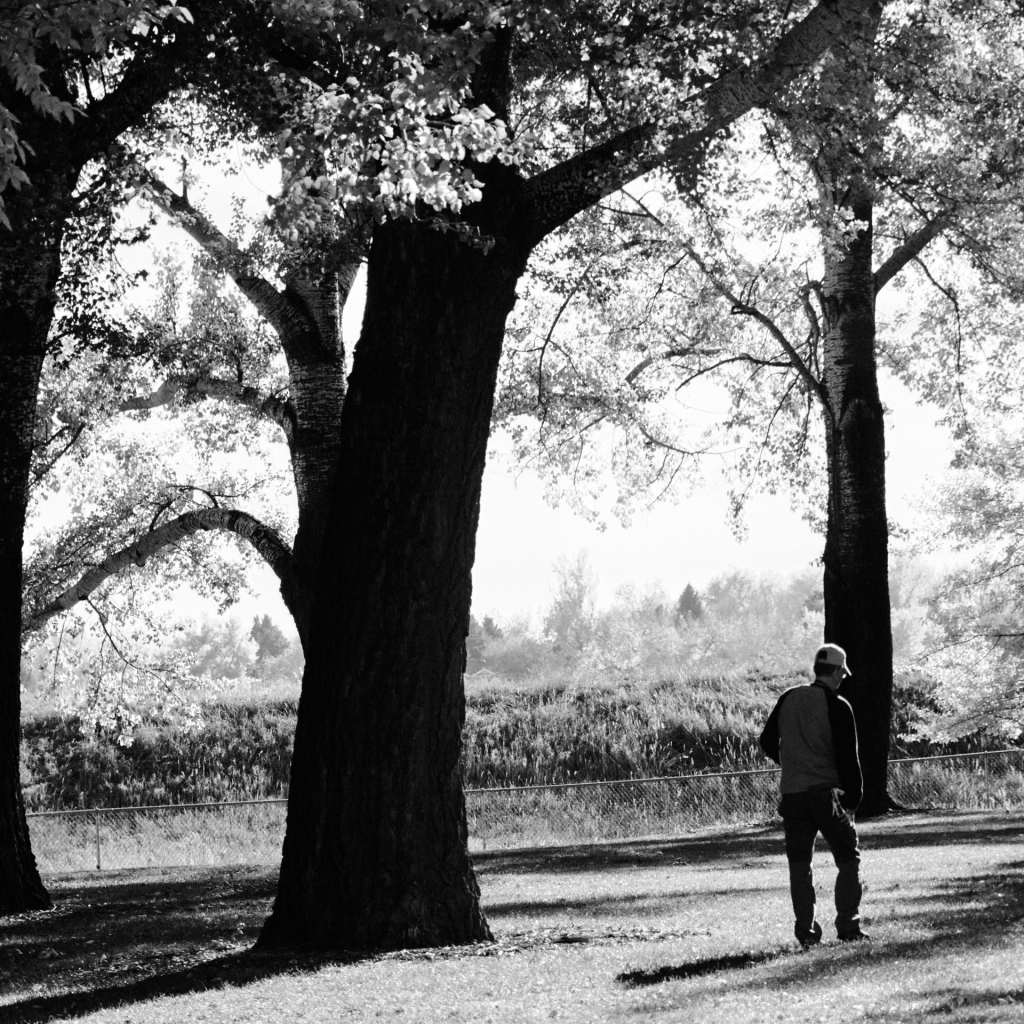
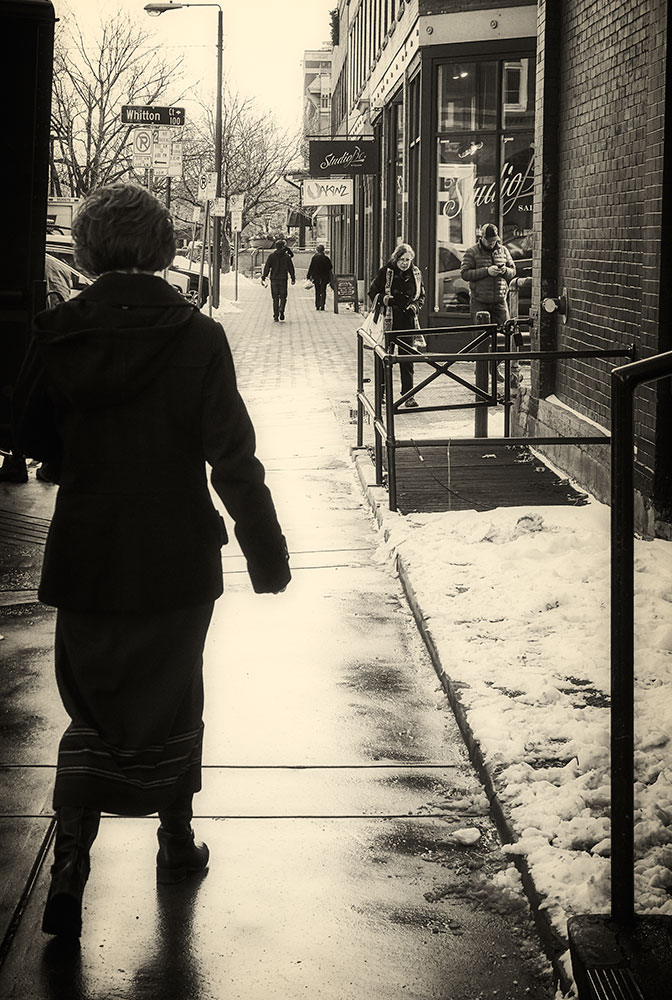
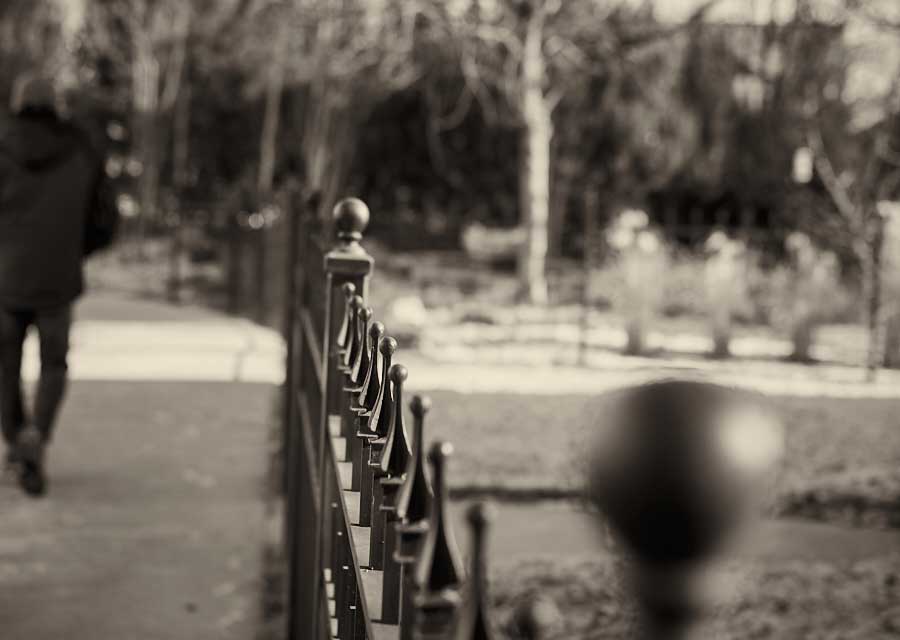
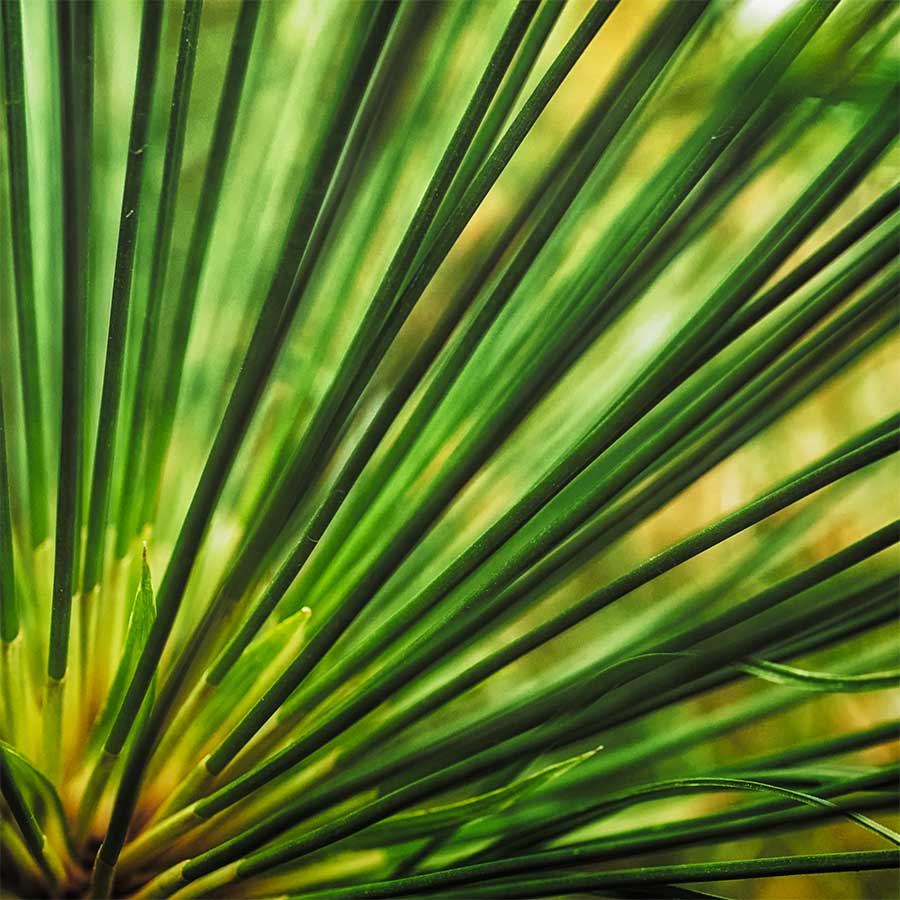
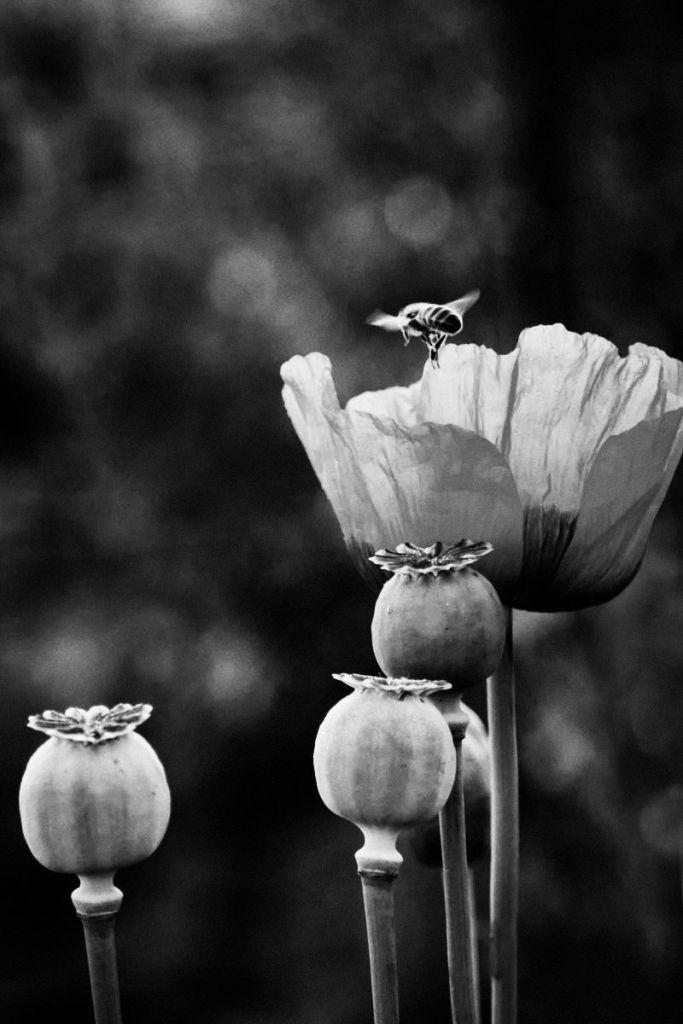
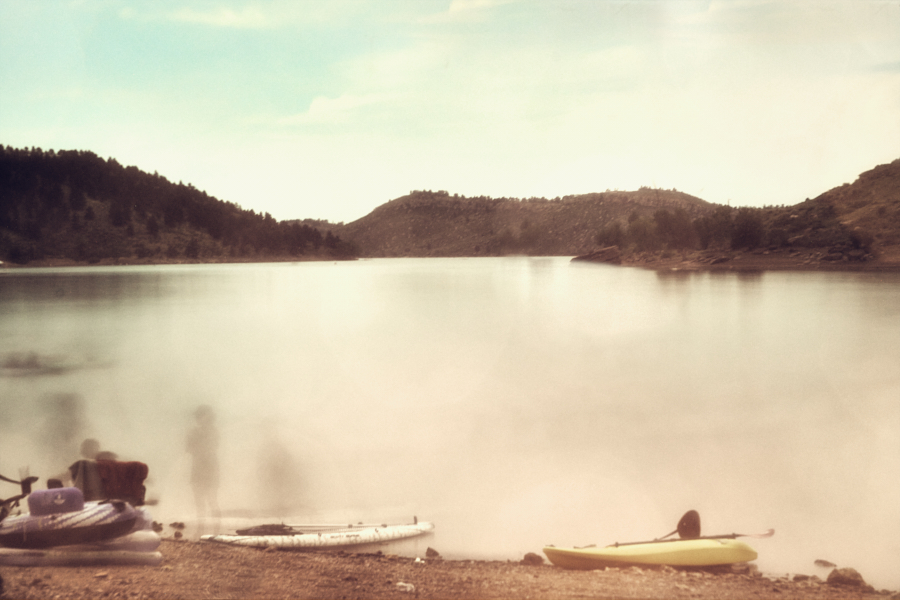
The Practice of Contemplative Photography Seeing the World with Fresh Eyes” by Andy Karr and Michael Wood is one such book. To be introduced to their Two Ways of Seeing opens me to a new way of being…being present during photo walks. The images below were created during pond walks.

“To see clearly you need to untangle perception from conception. To distinguish them you need to take out your (metaphoric) microscope and look closely at each one.

“Visual images appear when consciousness connects with the eye. Mental images appear when consciousness connects with the conceptional mind. …

What appears to conceptual mind is only an abstract, general image that encompasses all the views and pictures of a thing that you have ever seen. It is a very different kind of object from the specific ones that appear to the non-conceptual senses.

“The visual object that appears to the eye appears clearly, in great detail. You see–all at once–color, shape, texture, and the rest.

“The usual sequence of perception is that in the first moment, there is direct sensory experience. In the second moment, a concept and label arise, superimposed on the direct perception. …These moments of perception and conception are extremely brief. The sequence happens very quickly, so quickly that you don’t notice that a whole process is unfolding.”

Thank you Joanne for inviting me to continue my contemplation of how life is in a perception state of change and what I simply see within a moment transforms into an ideal/story/memory of a thing. What is difficult to embrace is possibility that no one actually sees what we see…

lens-artists: longing

I was introduced to the Portuguese word, saudade, which has no immediate English equivalent about 30 years ago. Saudade is a word that feels intimate as it named a life-long companion. It touched upon a vague and constant desire for something that does not and probably cannot exit, for something other than the present, a turning toward to past or towards the future; not an active discontent or poignant sadness but an indolent dreaming, a wishfulness.

Over 30 years ago, I met a homeless woman who identified herself as a sundowner.   She described how each evening’s sun invited her to settle down along the side of her life’s path so that her journey could begin afresh in the morning sun.  She eloquently described an undercurrent of yearning that ebbed and flowed throughout her soul and how, in her past days, she found herself at the mercy of private memories, thoughts, and imaginations and had encountered, time and time again, various degree of discontent that wandered along side her aloneness.

As I heard the suffering within women who story their lives through the multi-colored threads of substance use, I find myself acknowledging a similarity within each of these unique stories with my own metaphysical search for someone, something, or some place that remains beyond the forever next horizon.  Each of our unique narratives reveal an unending wandering with satchels of discontent that tell of a spiritual emptiness and an emotional intimacy wit, “a homesickness for a place one knows cannot be.”

Thank you Egídio for your invitation to wander through loneliness.

lens-artist: live and learn

As an autodidact, individuals who choose the subject they will study, their studying material, and the studying rhythm and time, in 2018 I began blogging a 52-week Photo Study that explored topics such as visual composition, creativity, point of view, the photographer, street photography, contemplative photography, landscape photography, and developing a personal style,

YOUR FIRST 10,000 PHOTOGRAPHS ARE YOUR WORST.” ~Henri Cartier-Bresson

After reading Henri Cartier-Bresson’s quote, I realized that one may just mindlessly click away 10,000 times with hope that…maybe, just maybe…accidentally…one image will be an A+ A+ A+ photograph (see the movie, “A Christmas Story”).

Then…a shower thought…maybe that one triple A+ image really only arises after 10,000 intentional shutter releases.  Can you just image being present to,  thinking through, and connected with each transient moment 10,000 times?   In reality this would be like setting out on a  journey of 10,000 steps knowing that one will never reach their destination.

Yet, what is an important part of a 10,000 endeavor?  To create a triple A+ image?  Or to undertake a photo study journey accompanied by fun, education, knowledge, experience, and exploration?  I’ll go with the fun of creating and opening myself to the beauty of Mother Earth so this photo study blog journey is an encouragement to–not create a triple A+ image– but to be more intentionally present with each click of the shutter.

Thank you Tina (travels and trifles) for this week’s photo challenge to explore and share one’s lifetime journey of learning.

lens-artists: looking back to creativity

This week Leya invites lens-artists to “share a link to the old post, and then create a new post on the same subject” Oh how fun!

After viewing the WP listing of a hundred and sixty-seven Lens-Artist’s challenges … no creativity challenge. “Oh! I must have been absent that weekend? What to do? Take a different road to creativity? Will I be forgiven?”

Calling upon the courage needed to search outside Leya’s guidelines, I found, a 2018 post – A photo study: contemplative photography.

Creativity begins as we begin to think differently, move out of our comfort zone, start to use our head over the camera, and go beyond all apparent possibilities.  

iPad f/1.8 1/50 sec ISO 64

Creativity is the ability to make or do something new…the ‘something’ can be an object, a skill, or an action. To be creative, the object, skill, or action cannot simply be bizarre or strange; it cannot be new without also being useful or valued, and not simply be the result of [an] accident. …an important form of creativity is creative thinking, the generation of ideas that are new as well as useful, productive, and appropriate. The second is that creative thinking can be stimulated by teachers’ efforts…

~Lumen Learning

Pablo Picasso once said, “Every child is an artist. The problem is how to remain an artist once we grow up.”

Found object art began to take shape in 1912 when Picasso made his cubist constructions from various scavenged materials, adding such things as matchboxes and newspapers. Dada and surrealist artists then made extensive use of found objects. And now, the art form continues to thrive among mixed-media artists.

…our ordinary vision is limited…our conventional consensus of reality is not the only version of reality…the mind…in its attempt to provide meaning (security), continually rearranges the world to fit individual needs.  The failure to recognize the constructive nature of the mind can be a major obstacle to artistry and creativity.

~Tao of Photography, Gross & Shapiro

Nature gifts us with her ever-changing dynamic paint brush upon the canvas of life

Thank you for visiting

lens-artists: five favs

As I spent part of the afternoon revisiting photo files in response to Tina’s invitation to share five favorite photographs, I began to ponder, “What are the variables within photographs that come together to create a place within the heart of the eyes?”

Photographs tell of silent, vague, faded memories. Photographs are of visual moments that have grasped one’s attention. Photographs share times of exploration, of travel, of life. Photographs are representations of impermanence, light and shadow, fantasy, composition, challenges, points of view, …

Even  in Kyoto—
hearing the cuckoo’s cry—
I long for Kyoto.
~Buson

an image created in 2013 that awakens memories of 1960s
a time of light and shadow

Thank you Tina for this quiet Sunday of reflection.

lens-artists: exploring color – b&w

This week Patti invites photographers to explore a couple of questions in regards to black and white vs color images: 1) When is it best to use one vs the other? 2) What’s the benefit of each one?

First I have to admit that even though I have read various articles about what types of photographs are ideal for black and white, I generally move in and out of an experimental flow of emotional responses.

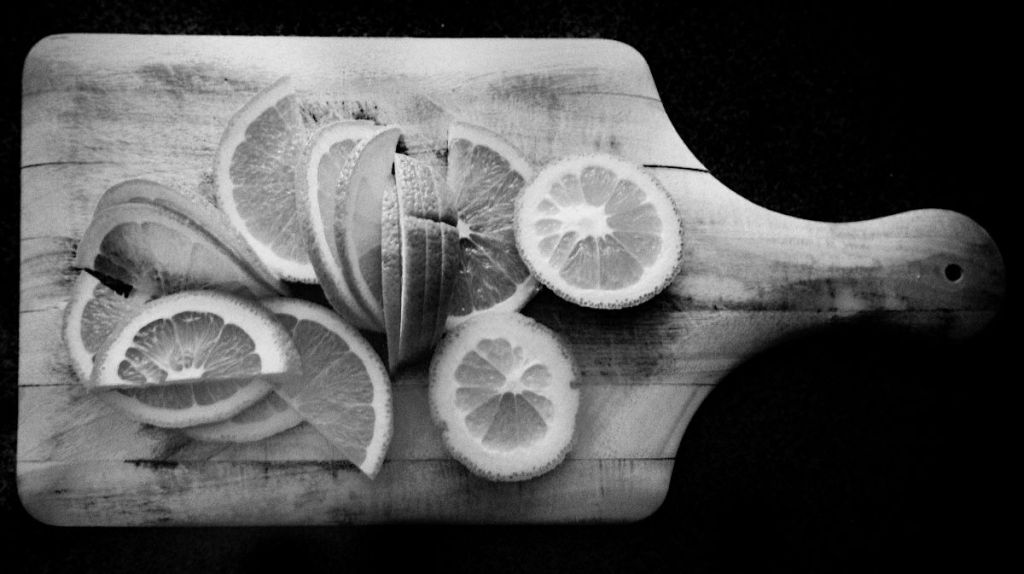
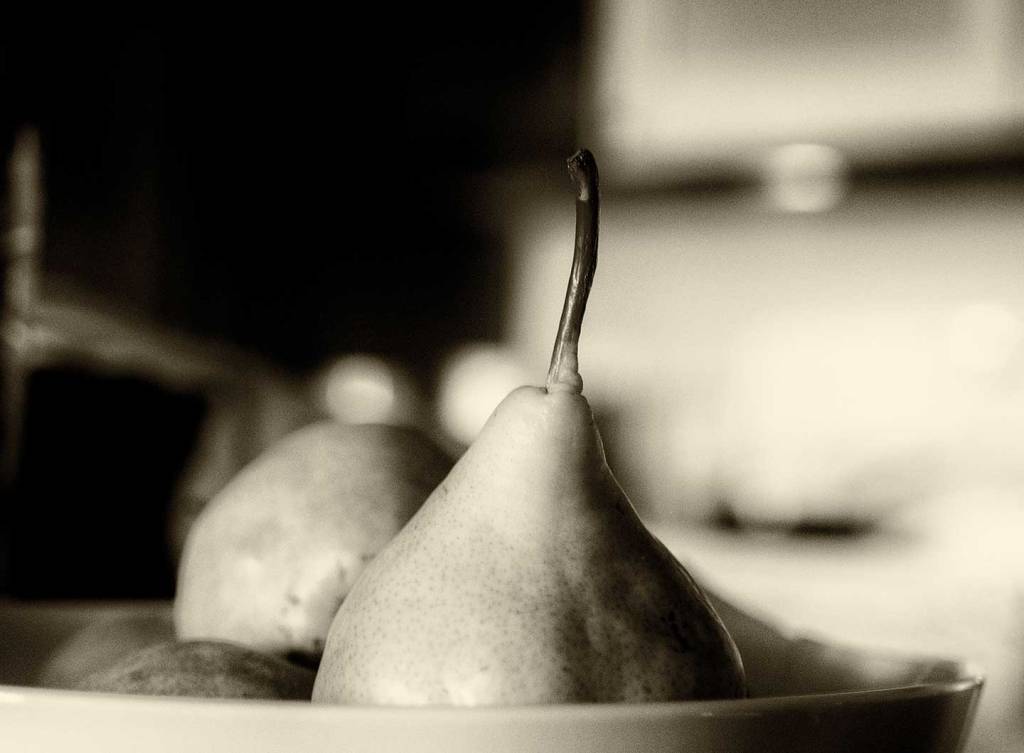
For example the first image was edited in Capture One from a raw file to a jpg. The black and white image was edited in Silver Efex Pro2. The last was edited in Color Efex Pro 4 which, for me, invokes a stimulus response of soft and gentle.

As I’ve been experiencing difficulties using Photoshop and Capture One due to upgrades, I made the very difficult decision to cancel both subscriptions. Anyone have any recommendations for editing programs that will work with an ISO 13.7.3?

Thank you for visiting.

lens-artists: 5 elements

In Chinese Medicine, the Five Elements represent the five unique energies that are present in all things throughout nature. These include Metal, Water, Wood, Fire, and Earth. Each element expresses itself differently depending on where it’s found and also manifests in our body organs, emotions, and personalities.
When Qi is moving through our body freely, the Five Elements are said to be in balance, as Qi needs to be moving constantly for optimum health. But imbalances between the Five Elements and their corresponding energetic channels (meridians) can cause the Qi to either stagnate, or become excessive, affecting our wellbeing.*

Everything relies on everything else in the cosmos in order to manifest—whether a star, a cloud, a flower, a tree, or you and me.~Thich Nhat Hanh

metal

If there was no earth there would be no metal. If there was no metal this photograph would not be.

fire

If there was no wood there would be no fire. If there were no fires there would be no prairie, savanna, chaparral and coniferous forests.

wood

If there was no earth there would be no wood. If there was no wood there would be no carpenters.

water

If there were no hydrogen atoms and oxygen atoms there would be no water. If there was no water there would be no fish.

earth

Without the Milky Way there would be on earth. Without our earth there would be no us.

This week Sofia (photographs) invites photographers to focus on one of the elements…and to try to get as many in one photo as possible…

*cited: poweryogaaco.com

life’s passages … 103

over the fields of

last night’s snow–

plum fragrance.

                                                                                      ~Okano Kin’emon Kanehide*

plums and raindrops
a spring rain shower

*cited:

Japanese Death Poems

Yoel Hoffmann


life’s passages … 102

shapes-42web

Imagine the dimension of time as a vertical line. Place yourself in the present on that line with the past above you and the future below you. Establish yourself in time. See all your ancestors that have come before you. The youngest generation of your ancestors is your parents. All of them are above you on this line of time. Then below you, see all your dependents, your children, your grandchildren, and all their future descendants. If you have no children, your descendants are the people you have touched in your life, and all the people they in turn influence. 

In you are both your blood ancestors and your spiritual ancestors. You touch the presence of your father and mother in each cell of your body. They are truly in you, along with your grandparents and great-grandparents. Doing this, you realize their continuation. You may have thought that your ancestors no longer existed, but even scientist will say that they are present in you, in your genetic heritage, which is in every cell of your body. 

plums

Look into a plum tree. In each plum on the tree there is a pit. That pit contains the plum tree and all previous generations of plum tree. The plum pit contains an eternity of plum trees. Inside the pit is an intelligence and wisdom that knows how to become a plum tree, how to produce branches, leaves, flowers, and plums. It cannot do this on its own. It can only do this because it has received the experience and heritage of so many generations of ancestors. You are the same. ~Thich Nhat Hanh (No Death, No Fear, 137-138)

baseballcaps3

This posting  was created in memory of Dustin, Bob, Elberta, Donna, Chris, Larry, Margaret, Thella, John, Clive, and Jeff who all live on within the lives of my beloved.