Looking backward … I cannot see the ancients days. Looking forward … I cannot see ages yet to come. Only heaven and earth have remained, and will remain forever … I am alone, I grieve, I drop tears into the dust. ~Chen Tzu-ang*
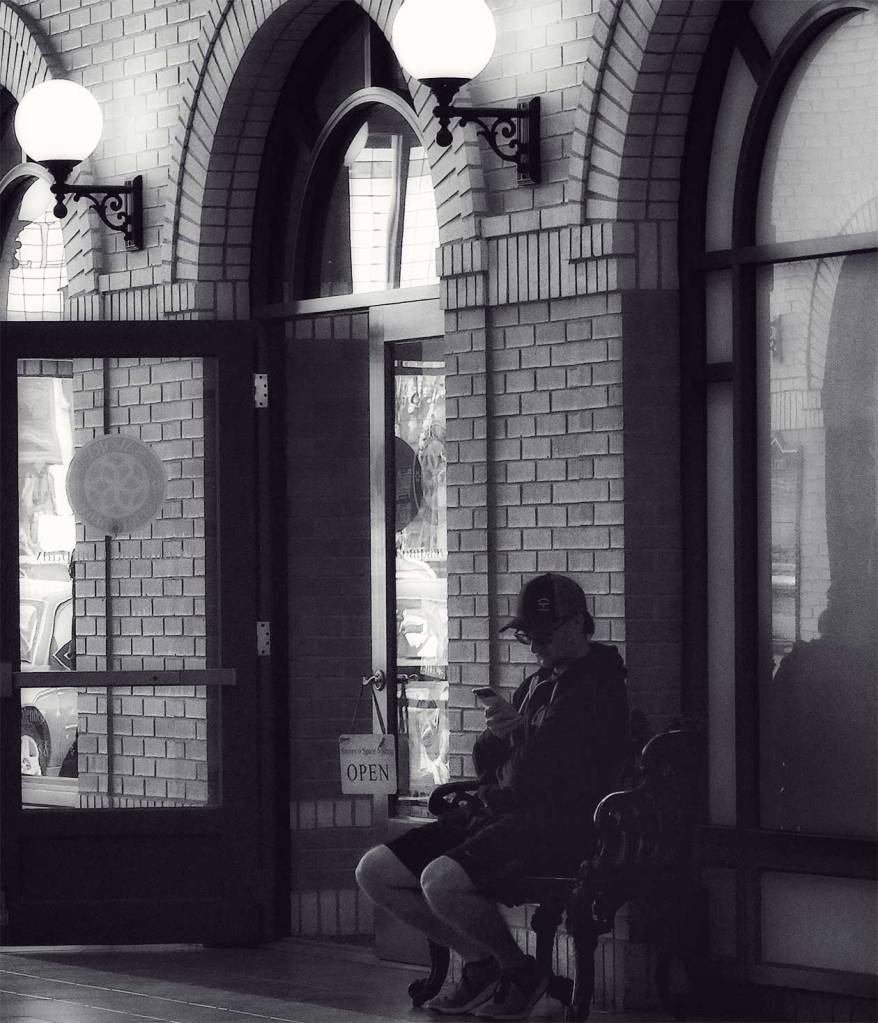
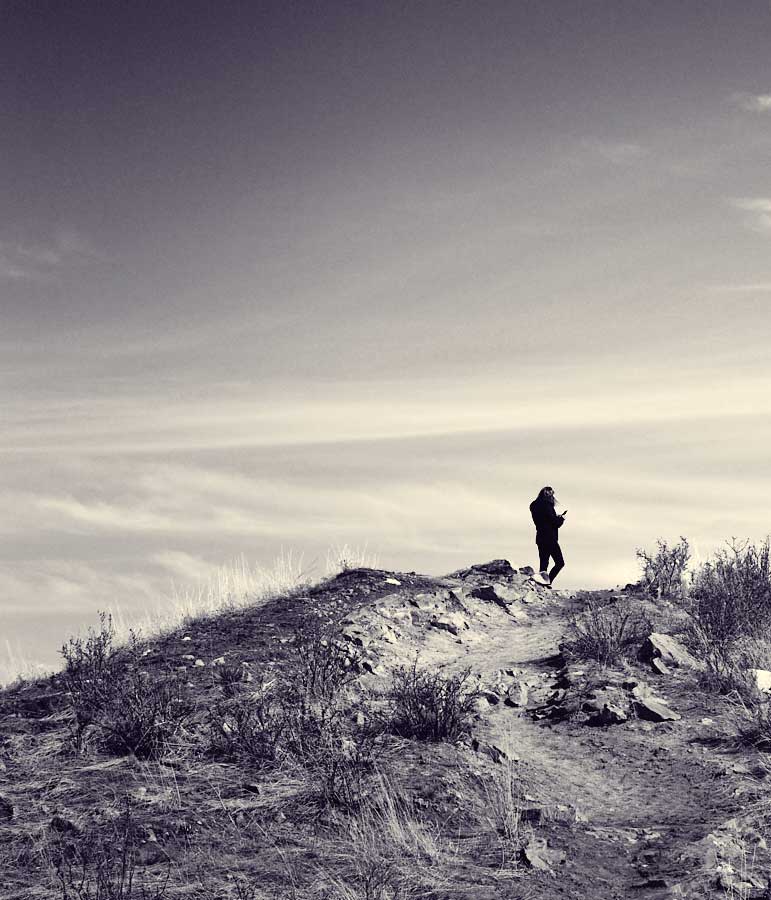
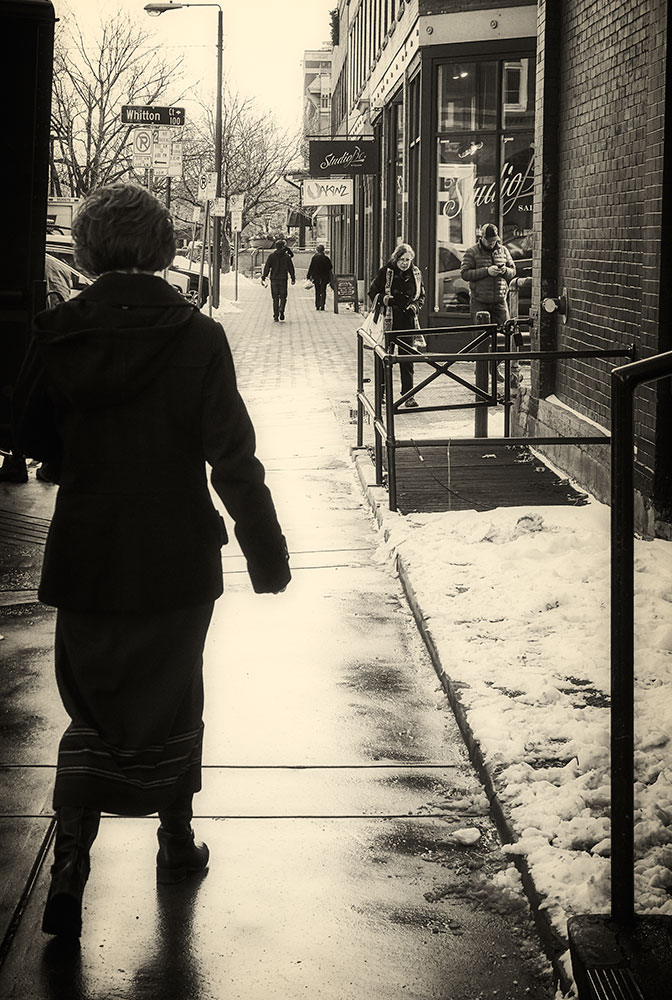
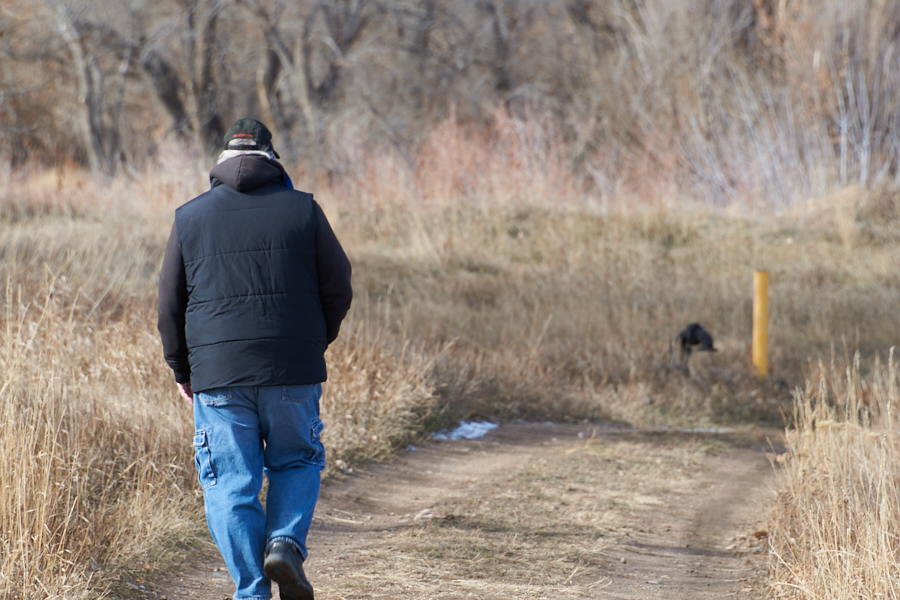
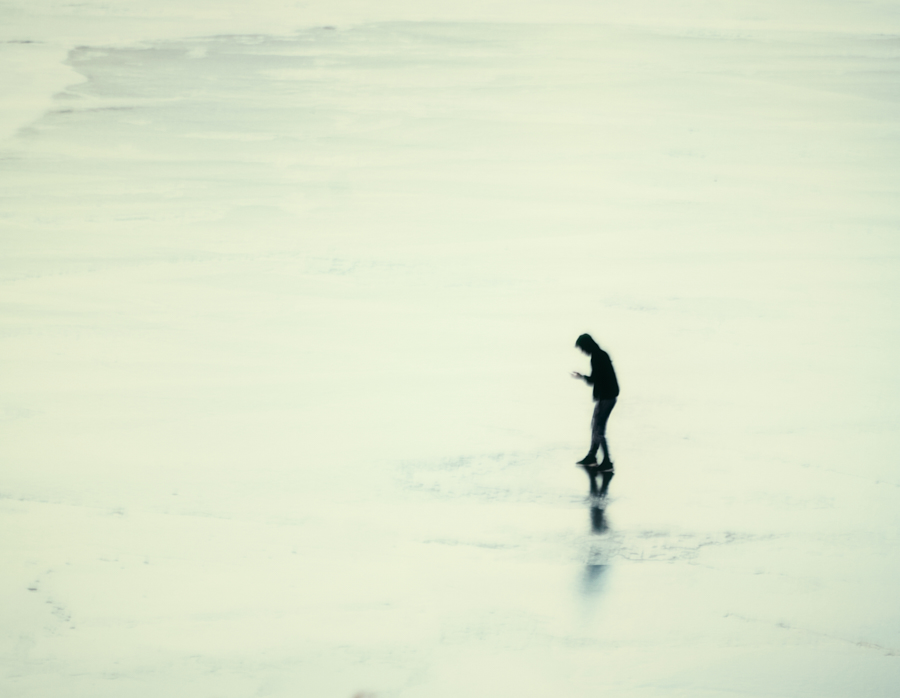
Images that speak of solitary … alone … by one’s self evoke feelings of contemplative sadness.
winterwalk
Leya has extended a lens-artists challenge: setting a mood
*cited: Translator: Anonymous. The Project Gutenberg Ebook of the Jade Flute, by Various
“The sight of the leaves ever reminds me strangely of my own sadness. I cannot go within, but lie on the veranda; mayhap my end is not far off. I feel a vague anger that others are in comfortable sleep and cannot sympathize with me. Just now I hear the faint cry of a wild goose.* Others will not be touched by it, but I cannot endure the sound.
How many nights, alas!-
Sleepless-
Only the calls of the wild geese-
~The Diary of Izumi Shikibu (cited: Diaries of Court Ladies of Old Japan)
*Footnote within the Diary of Court Ladies of Old Japan notes that the “wild geese visit Japan in Autumn and fly away northwards in the early spring. They are never alone, and their cries calling to each other make the solitary woman feel loneliness more keenly.”
Stay at Home Order … day 11 plus 14 seclusion retreat days
“The sight of the leaves ever reminds me strangely of my own sadness. I cannot go within, but lie on the veranda; mayhap my end is not far off. I feel a vague anger that others are in comfortable sleep and cannot sympathize with me. Just now I hear the faint cry of a wild goose.* Others will not be touched by it, but I cannot endure the sound.
How many nights, alas!-
Sleepless-
Only the calls of the wild geese-
~The Diary of Izumi Shikibu (cited: Diaries of Court Ladies of Old Japan)
isolation
*Footnote within the Diary of Court Ladies of Old Japan notes that the “wild geese visit Japan in Autumn and fly away northwards in the early spring. They are never alone, and their cries calling to each other make the solitary woman feel loneliness more keenly.”
May you be well. May you be safe. May you find solace.
“Reachable, near and not lost, those remained amid the losses this one thing: language.
horsetooth reservoir… Nikon D750 f/7.1 1/25s 85mm 100 ISO
“It, the language remained, not lost, yes in spite of everything. But it had to pass through its wounded wordlessness, pass through frightful muting, pass through the thousand darknesses of deathbringing speech. It passed through and giveback no words for that which happened.” ~Paul Celan* (cited: V. Schwarcz, Bridge Across Broken Time p. 85)
*Poet, translator, essayist, and lecturer, influenced by French Surrealism and Symbolism. Celan was born in Cernăuţi, at the time Romania, now Ukraine, he lived in France, and wrote in German. His parents were killed in the Holocaust; the author himself escaped death by working in a Nazi labor camp. “Death is a Master from Germany”, Celan’s most quoted words, translated into English in different ways, are from the poem ‘Todesfuge’ (Death Fugue). Celan’s body was found in the Seine river in late April 1970, he had committed suicide.






 a meditative journey
You must be logged in to post a comment.