
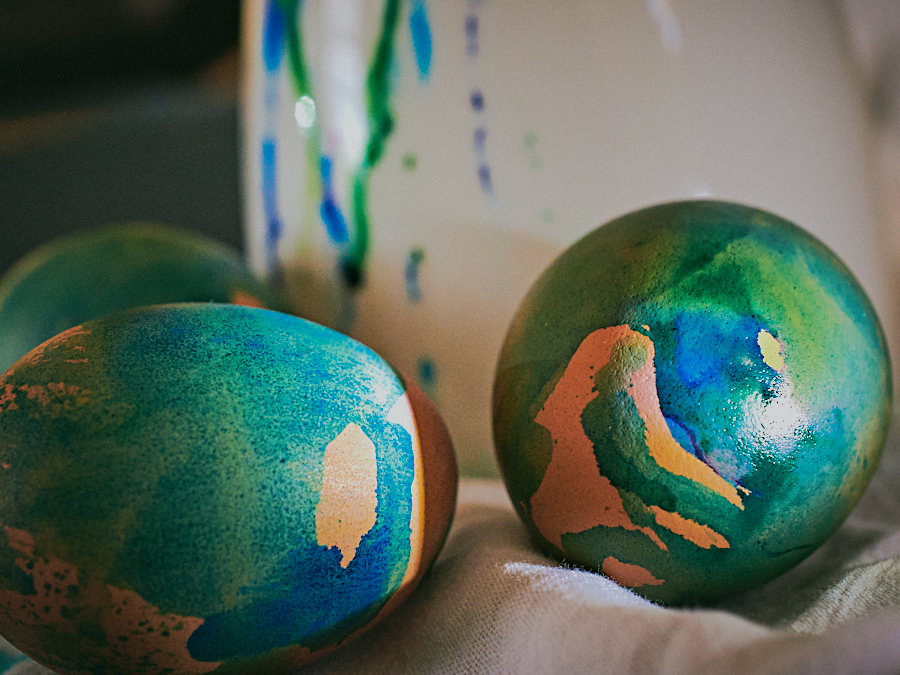
Metadata: Lecia D-Lux7 .. f/2.2 .. 1/2000s .. -0.7 .. 14.6mm 200 ISO
Edited: Capture One 21 Pro
Metadata: Lecia D-Lux7 .. f/2.2 .. 1/2000s .. -0.7 .. 14.6mm 200 ISO
Edited: Capture One 21 Pro
P.A. Moed invites photographers to share images of what it is that inspires them.
I find myself wondering what is…inspiration?
Scott Barry Kaufman (Why Inspiration Matters?) writes that inspiration awakens us to new possibilities by allowing us to transcend our ordinary experiences and limitations. Inspiration propels a person from apathy to possibility, and transforms the way we perceive our own capabilities. Inspiration may sometimes be overlooked because of its elusive nature.
a simple egg?


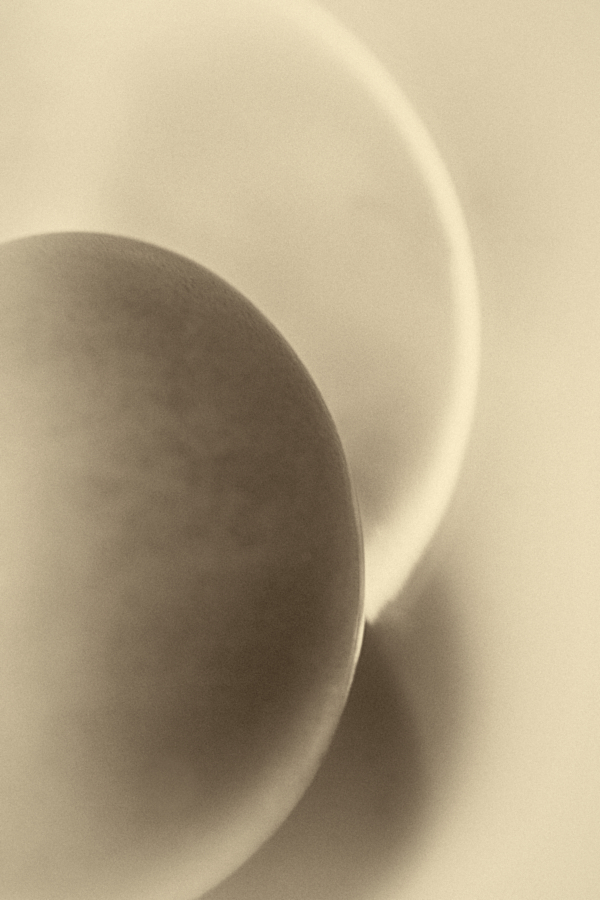

a child?

a weed?

or an invitation by Mother Nature to be … still.
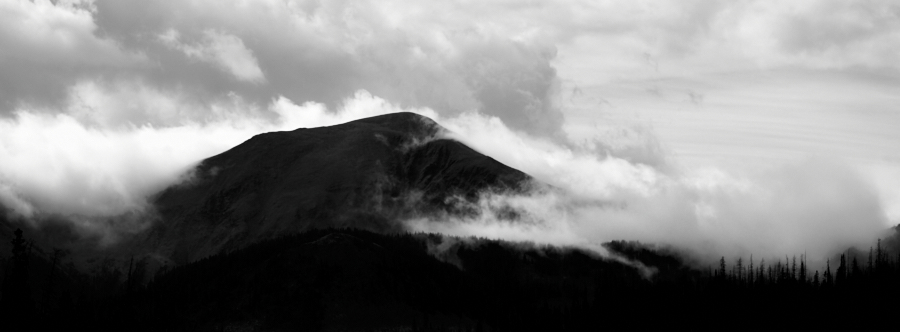

the man’s whiteness
walking in the house’s shadow…
summer moon ~Issa*
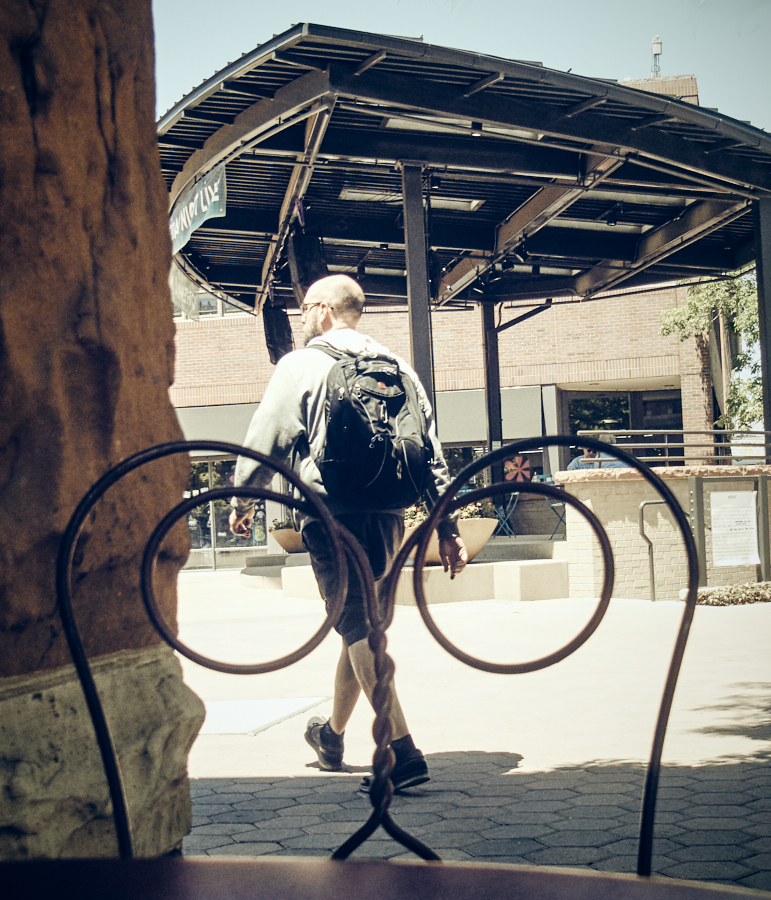

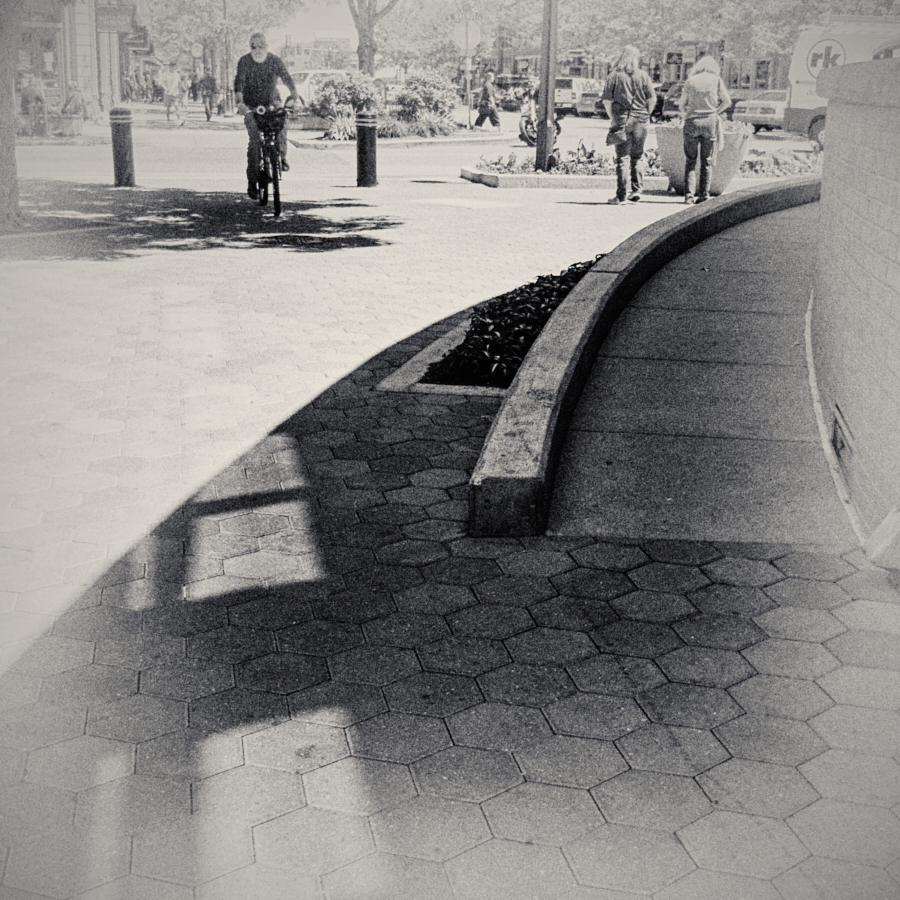

sharing tree shade
with a butterfly…
friends in a previous life ~Issa*

Isn’t the shade under a tree the tree’s shadow?
joining in Leya’s photo challenge: shades and shadows.
*cited: haikuguy.com
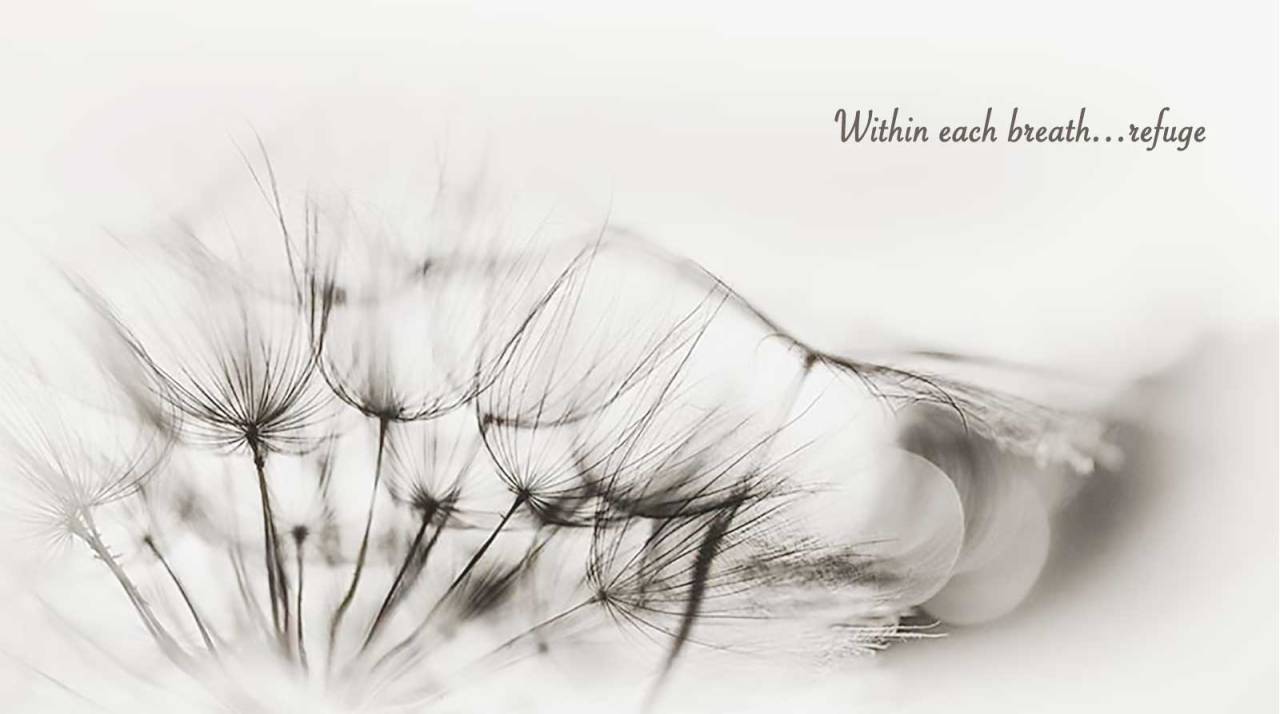
today’s heavenly gift
again is small…
billowing cloud ~Issa (cited: haikuguy.com)


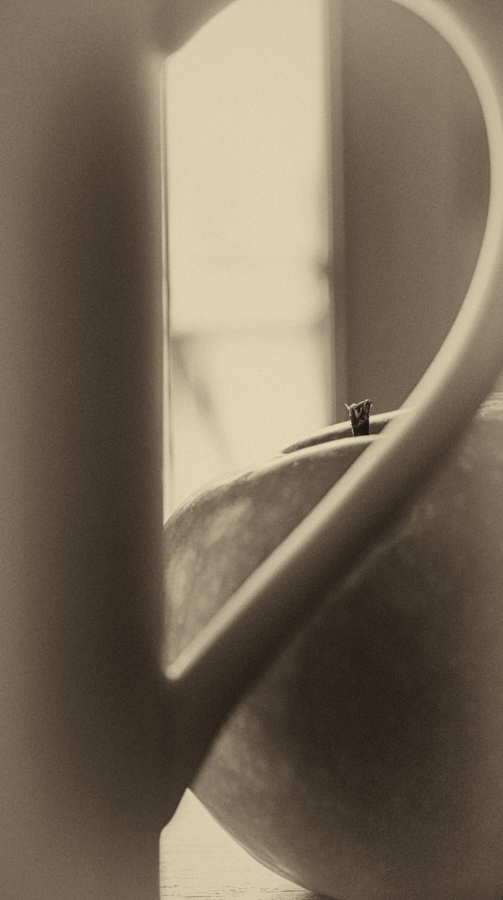
micro images (AF-S micro nikkor 40mm) submitted in response to slow shutter speed’s lens-artists photo challenge.
be safe…be well…be sage.

iPhone 7 f/1.8 3.99mm 100 ISO
dark figure on light ground
rule of thirds
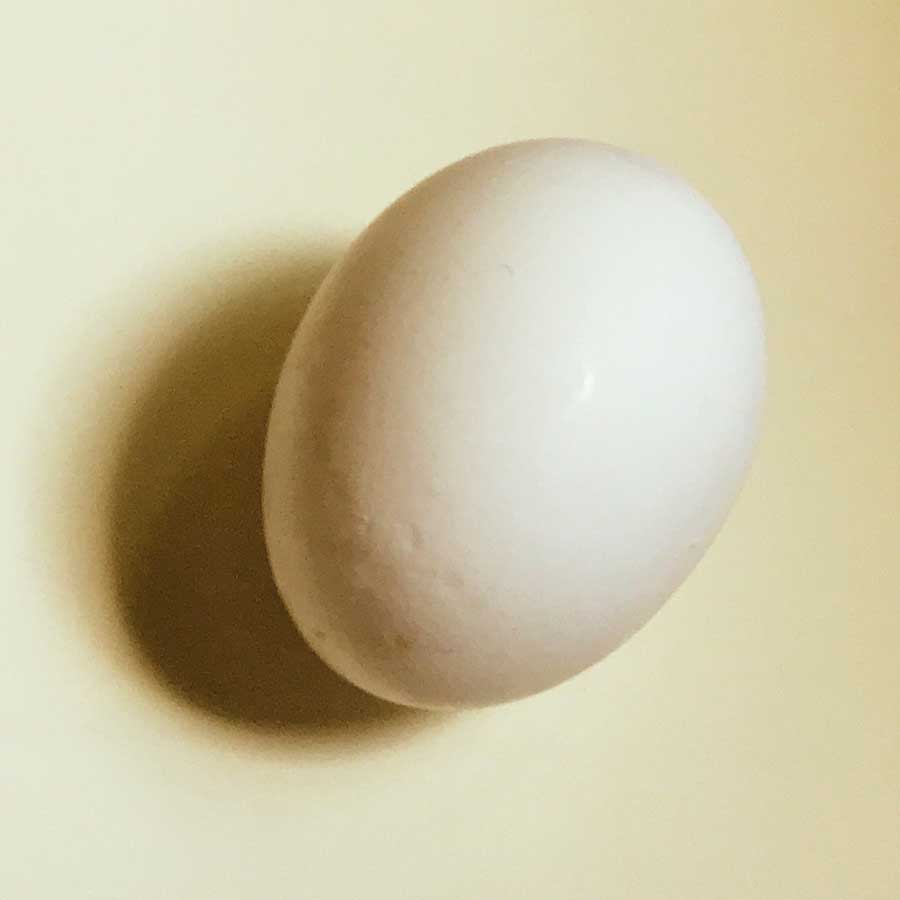
iPad f/1.8 1/130 sec ISO 64
“The object is of secondary importance to how I see the object. …concentrated looking is the way to get past labels and our preconceived ideas of what interests us. Looking slowly and in detail, …gives way to interlocked abstract shapes, energetic textures, ranges of colors, spaces in between things, sharp edges, and soft shadows. This way of seeing objects turns any item into an interesting subject.”
~John F Simon, Jr (Drawing your own Path)
I began this week with a posting of a 20 minute photo project with an egg and then went on to a second project…20 minutes with two eggs, a white small dish, a white tea cloth, a white pitcher, a small ball. Images edited in Snapfeed.
Limited resources has the potential to awaken creativity.


The third mediative photography project…one hour photographing an egg and a small white dish…2 minutes with each image before clicking the shutter. Images edited in Snapfeed.


Creativity begins as we begin to think differently, move out of our comfort zone, start to use our head over the camera, and go beyond all apparent possibilities.
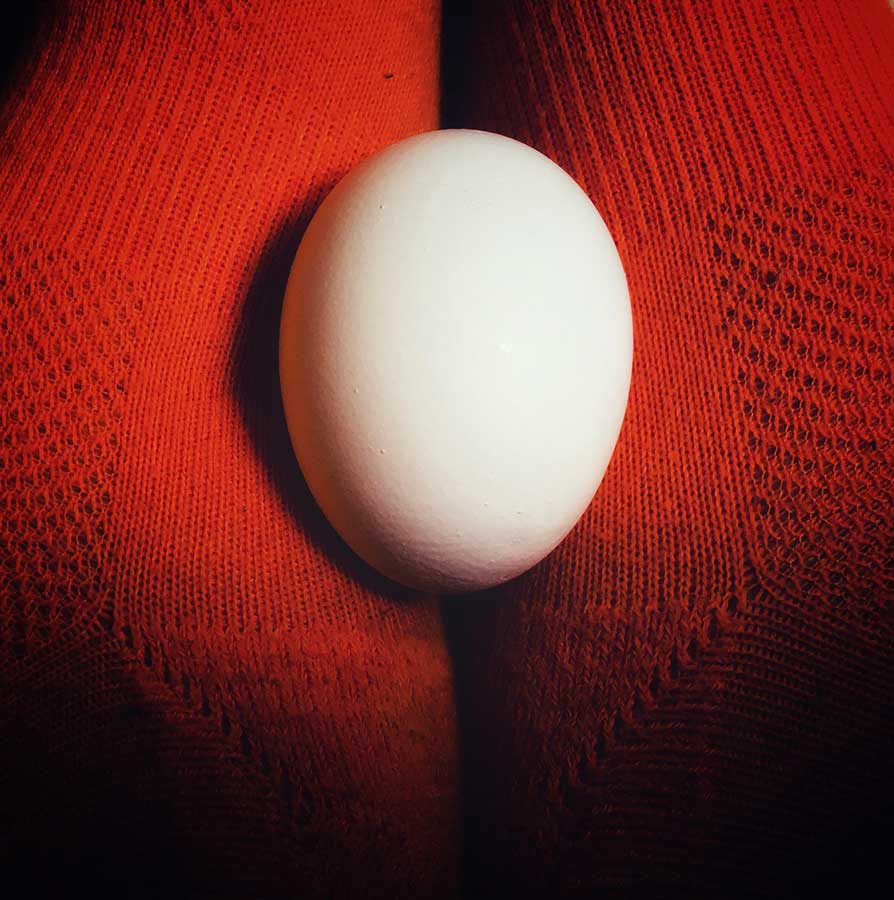
iPad f/1.8 1/50 sec ISO 64
A closing note: My restless soul resisted the idea to photograph an egg for an hour with a point and shoot camera (I substituted the point and shoot with an iPad). As a consequence, I began with two separate 20 minute exercises and then found the inspiration to set a meditative app for an hour with bells to chime every 2 minutes. Now I’m wondering what images would have emerged if I challenged myself for 2 hours…
Are you up to this challenge…one 20 minute photo session, two 20 minute sessions, or an hour? Let’s tag with #aphotostudy.
“An egg? Really…an egg? Why an egg for this contemplative photography project.?”
Many, many years ago, I was brave enough to attended an introduction to drawing class offered through a local art museum. The first drawing lesson included the use of charcoal with a single subject–a white egg. This elementary endeavor to draw an egg opened my world to the gradients of the whitest white to the multiple shades of grays and then to the blackest black. The other art lessons within this art class also served to be an introduction to the dynamics of perception and awareness that flow within moments of silent contemplation.
So, why not use an egg as a subject in a mediative photography project? Two minutes “being with…looking at…contemplating” a white egg, a small white bowl, on a white piece of cloth for each image. Ten photographs within 20 minutes.



Raj’s (xdrive photography lesson) valuable feedback to the use of a neutral density filter and monochrome in the initial submission of the golden hour lesson awakened me to how I was limiting my exploration of the soft light and golden shades found within the golden hour.
With the awareness that I have learned a great deal through Raj’s photo lessons, I set up a still life of the oranges below on my veranda during the golden hour…absent a neutral density filter.

Nikon D750 f/5.6 1/40s 35mm ISO 100
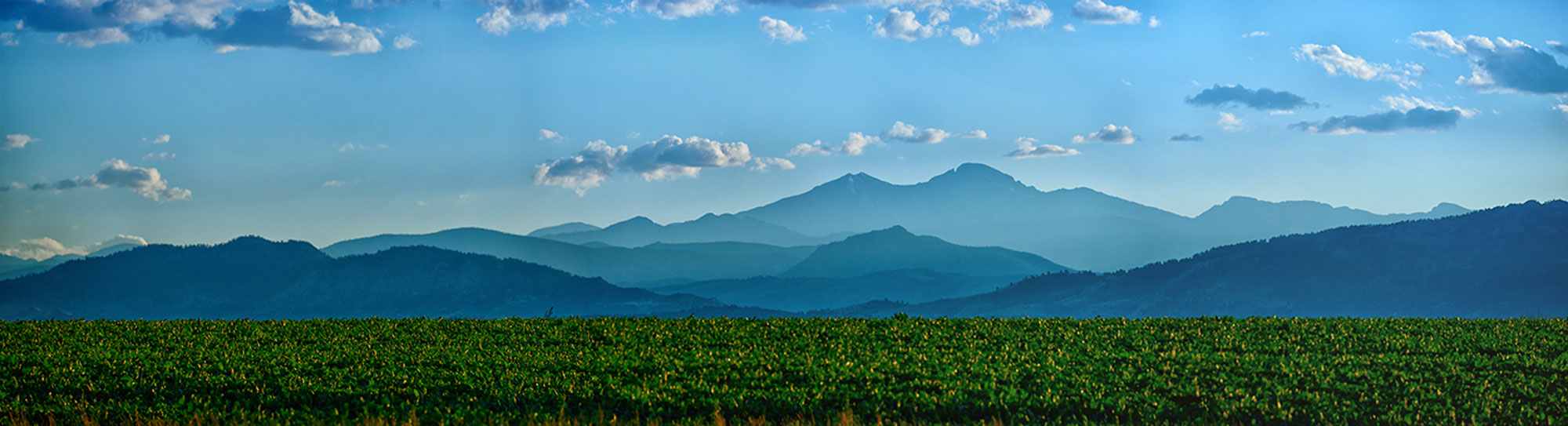
It has been my experience that the golden hour in Northeastern Colorado is impacted by the Rocky Mountain foothills as the light remains harsh for an extended period of time and disappears quickly as the sun moves behind the foothills. Also, a soft quality of light seems to require a cloud bank to serve as a reflector to the hidden sun’s rays. Otherwise, the available light often is more of a glaring quality than a golden soft glow.

D750 f/7.1 1/250s 85mm ISO 320
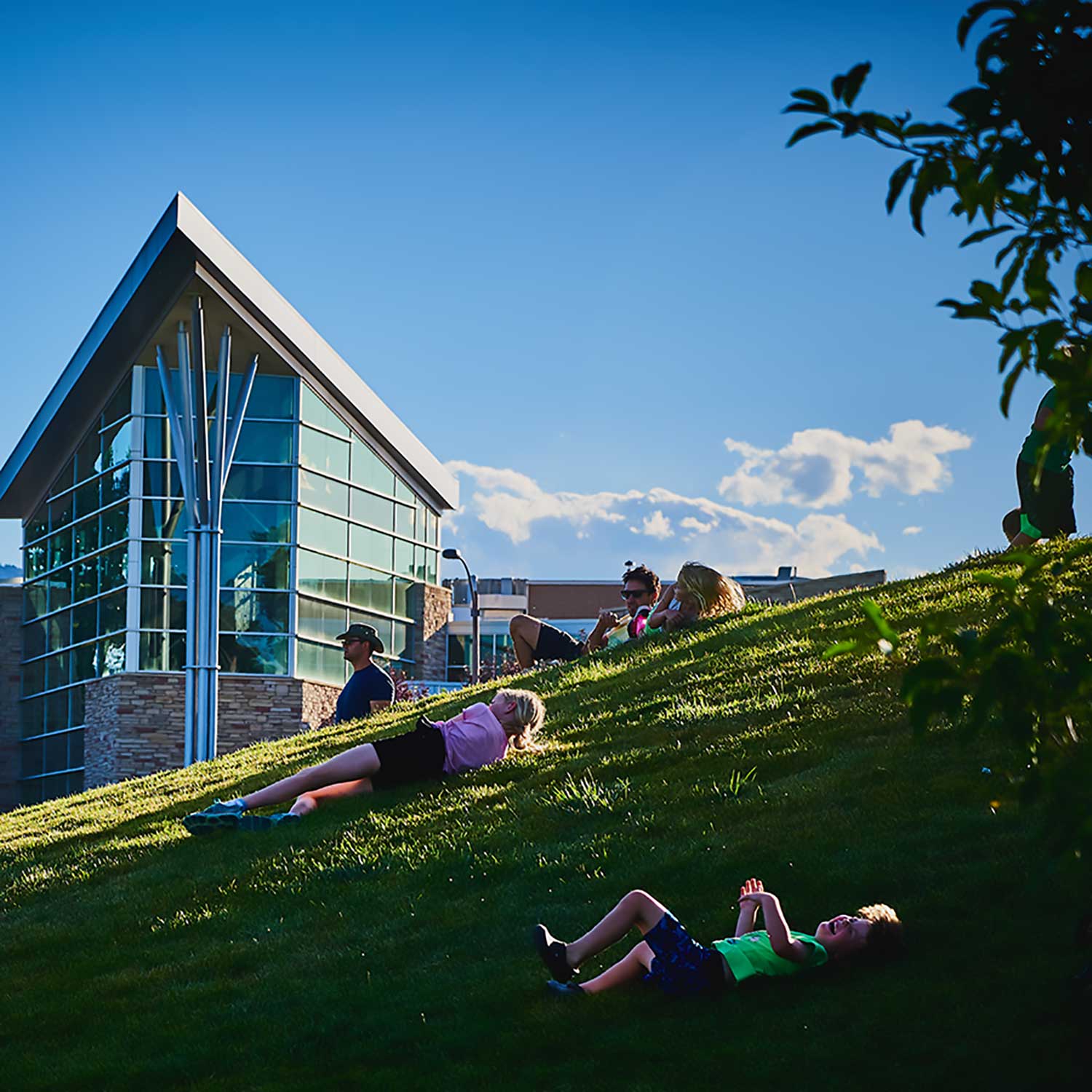
Nikon D750 f/5.6 1/500s 85mm ISO 100
The golden hour offers great shadows and rim lighting …

A panorama of the Rocky Mountain foothills…September 15, 2016 at 6:53 p.m. Sunset at 7:08 pm
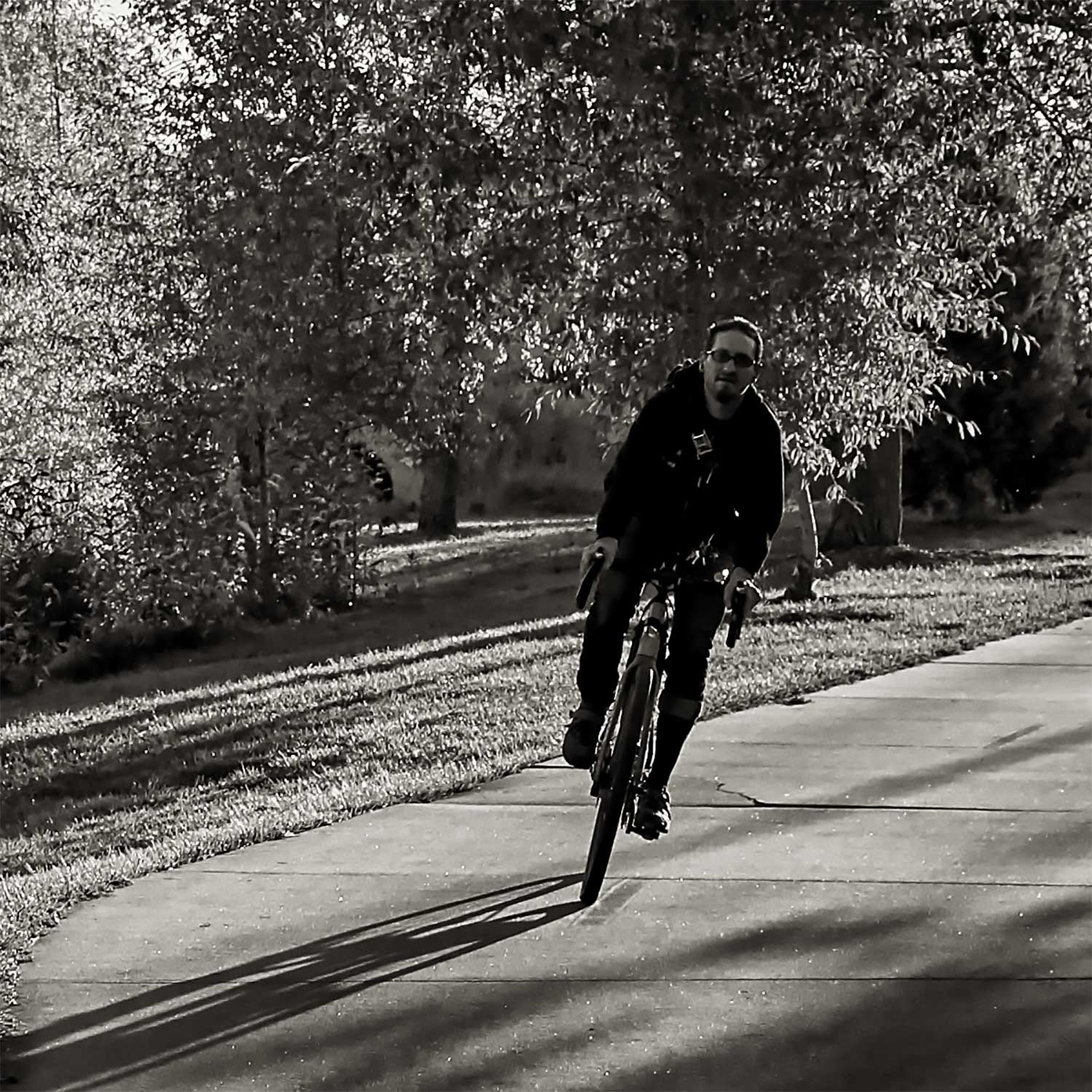
Nikon D750 f/7,1 1/250s 300mm ISO 320
As always, Raj I thank you for your time and valuable feedback. Looking forward to your next lessons.
In Raj’s latest xdrive photo lesson he continues the discussion of setting the camera to raw by comparing the differences of raw and jpg images that are produced within the camera at the exact moment with the same camera settings.
Below you will see comparison of a raw image of apples and their reflections edited in Capture One with the exact jpg images created within the Nikon D750. I chose to have the aperture set at f/1.8 as a means to expand my understanding of the complexities of focal plane, sharpness, depth of field, and aperture settings. There were a series of images created using manual focus that were discarded as the sharpness and detail were a bit fuzzy.
I generally photograph with the camera set to raw with a black and white setting as a means to encourage a greater awareness of the range of white to black. When the raw images are transferred to Capture One for raw editing they are in color.

Nikon D750 f1.8 1.3s 35 mm ISO 100
2. When I opened up the jpg images from the Nikon, I found that they remained in black and white; therefore, I went back into Capture One and created a black and white version of the above image to use as a comparison to the Nikon’s jpg.

Nikon D750 f1.8 1.3s 35 mm ISO 100
The Nikon jpg image below seems to keep the reflected apples in greater shadow. Also the variations of the texture and appearance of the apples and their reflections are less apparent than in the image above.
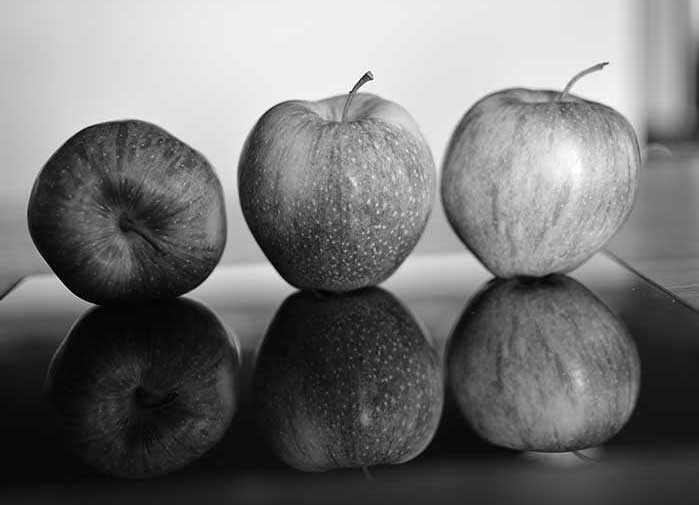
Nikon D750 f1.8 1.3s 35 mm ISO 100 JPG
A cropped comparison of one apple and its shadow.


At the beginning of this project, I found myself acknowledging a need for a basic understanding of editing pros and cons; for example, it is very easy for me to over sharpen images that result in haloes.
In closing, I’m also including two additional apple images in which I moved the camera closer as part of my open aperture setting and focal plane study.

Nikon D750 f/1.8 1.3s 35mm ISO 100
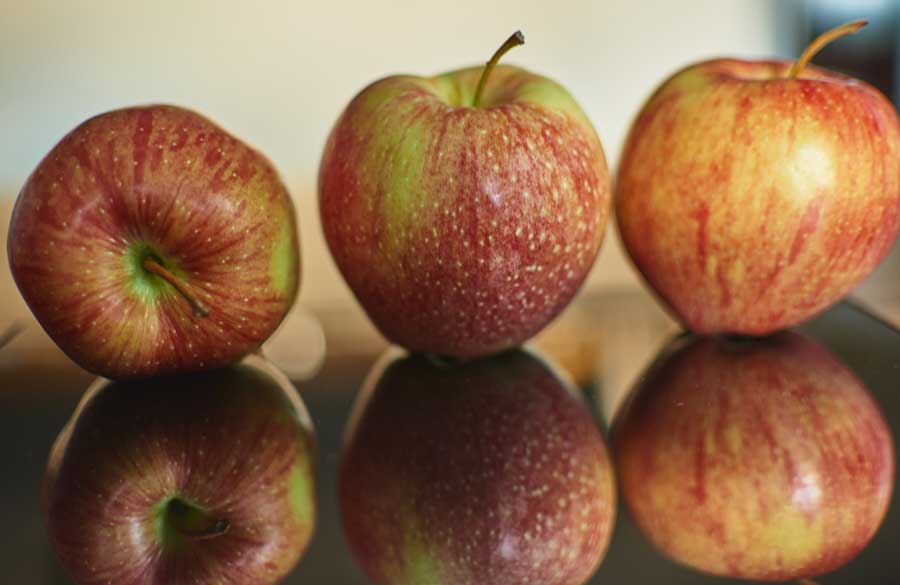
Nikon D750 f/1.8 0.4s 35mm ISO 100
The right apple and it’s reflection appear to be less sharp than in the other images; whereas, the first apple’s reflection is in less shadow. My initial understanding of focal plane tells me that the right apple must have been placed a bit further back than the other two.
Over to you Raj.
In the mountain shade,
water in the moss
drips between rocks.
I feel a glimmer of clarity.
~Ryokan (K Tanahashi: Sky Above, Great Wind)
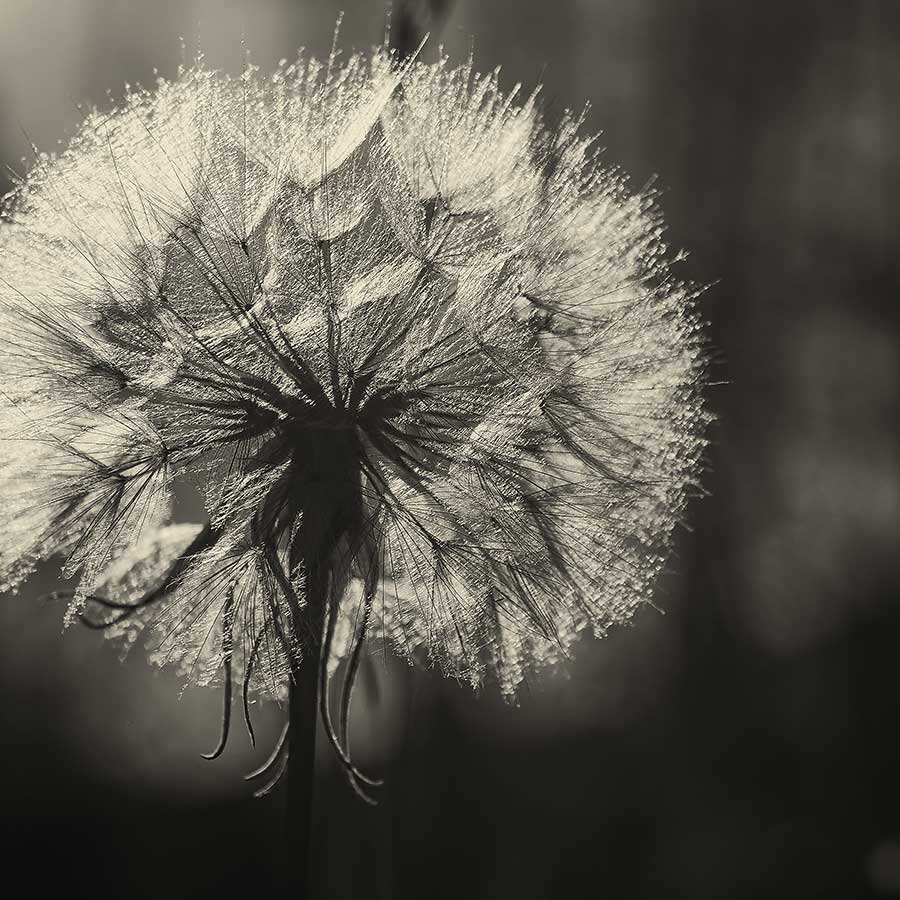
 a meditative journey
You must be logged in to post a comment.