taking a tiny trip
to see and be seen…
new summer robes ~Issa*

*cited: haikuguy.com
taking a tiny trip
to see and be seen…
new summer robes ~Issa*
*cited: haikuguy.com
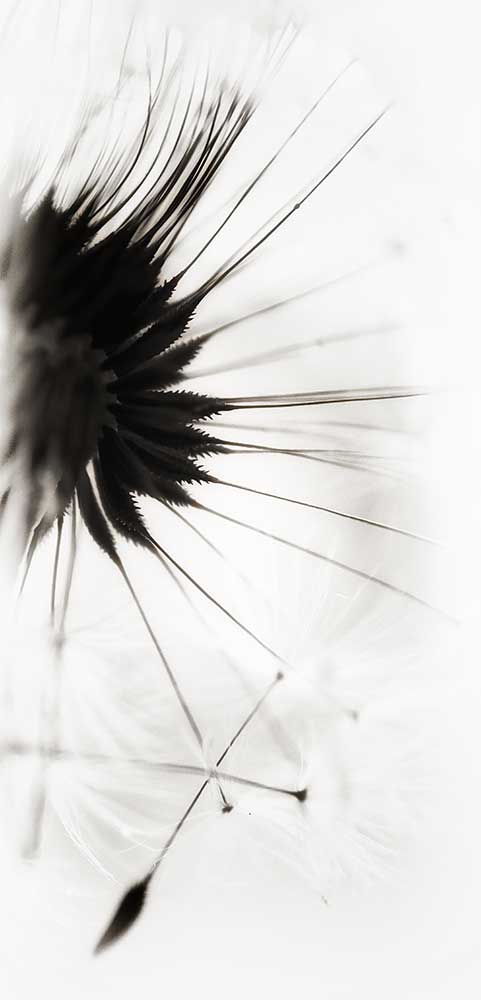
I remember the days
When dandelions
Entrusted with wishes
Danced above summer fields
Though we are parted,
I feel the sounds
of pine trees swaying
with the summer breeze …
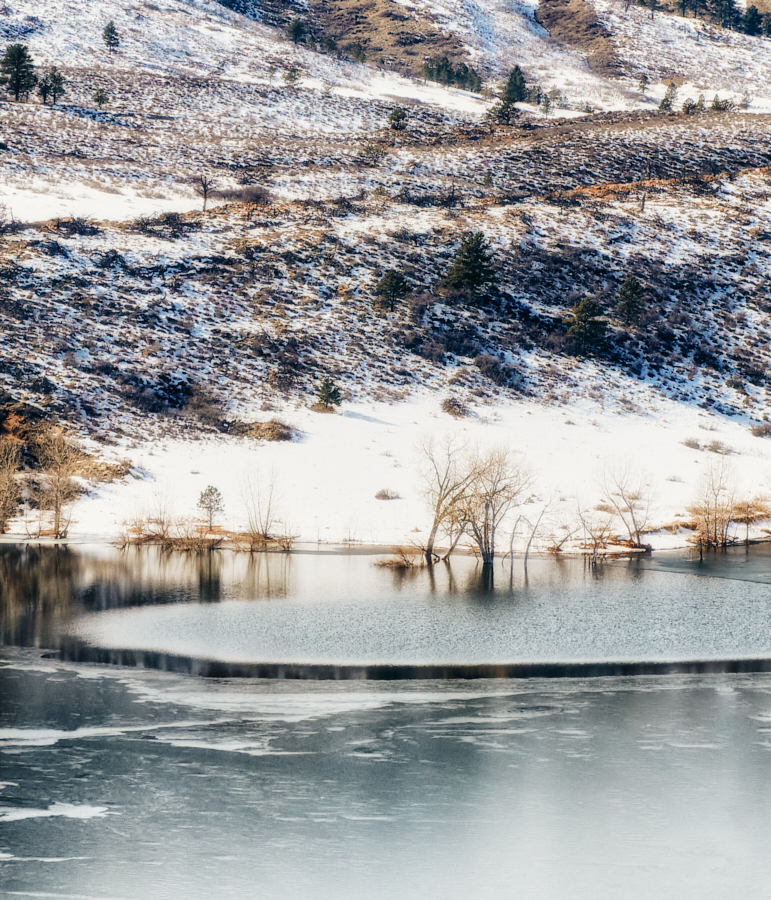
on Casper Mountain Peak
for you who
rarely visit,
though you have already arrived,
may the early evening storm
not blow so hard!
~Ryokan*

*cited:
Sky Above, Great Wind
K Tanahashi
initially posted on September 1, 2015

Lagoon Summer concert at Colorado State University, July 2017. Hop on over to Amy’s to join this week’s lens-artists photo theme: summer
Nikon D750 f/6.3 1/640s 85mm 100 ISO edited Capture One 20
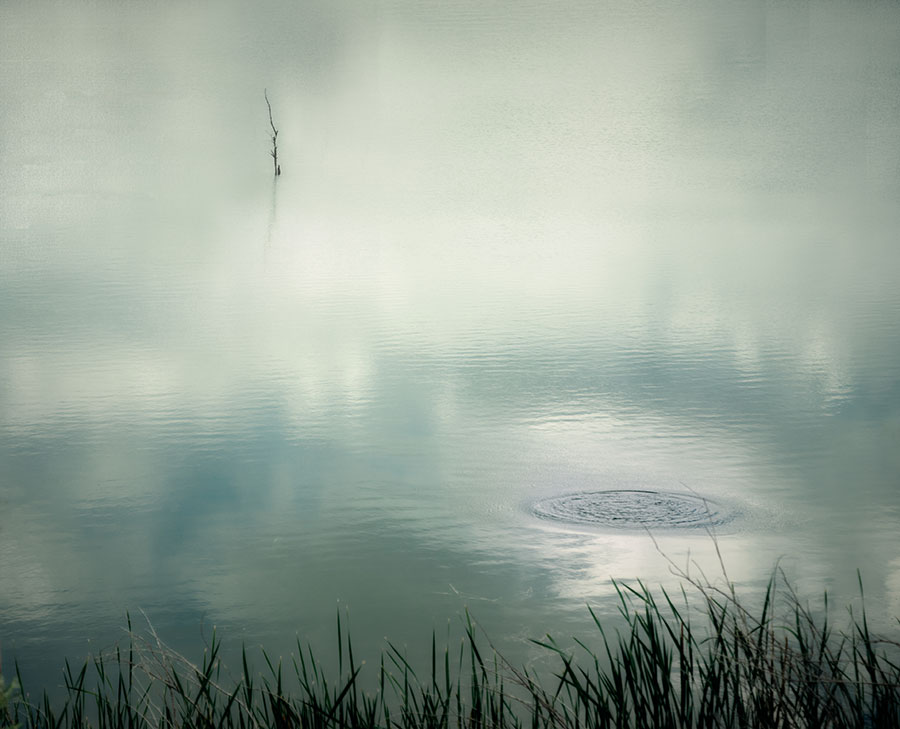

Nikon D750 f/5.6 1/2000s 150mm 720 ISO
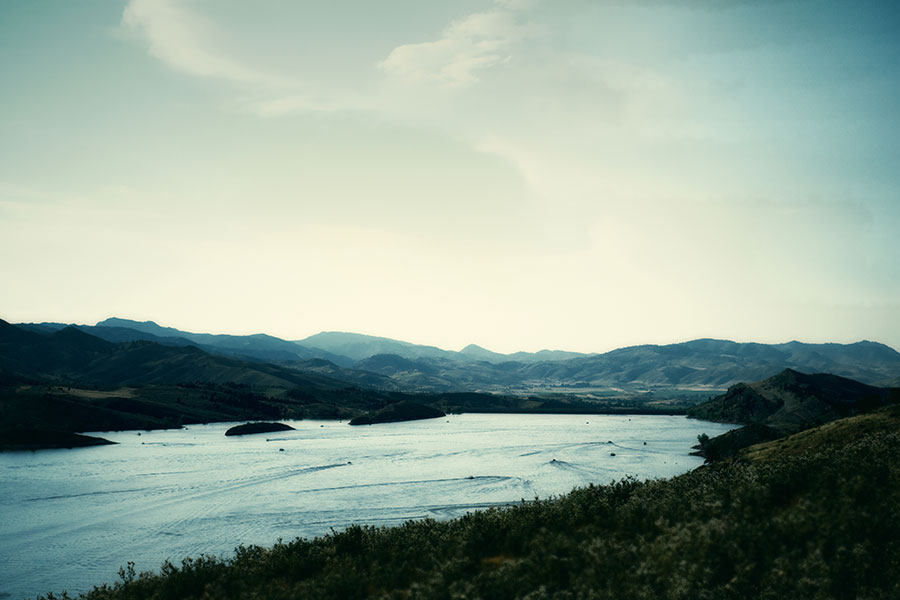

In the aging house,
crookedness of the door being straightened,
a spring-like winter day.
~Buson (Y Sawa & E Shiffert, Haiku Master Buson)

Walking on, walking on,
things wondered about — springtime,
where has it gone on too?
~Buson (Y Sawa & E Shiffert, Haiku Master Buson)

On the shortest path,
stepping through water to cross
in the summer rains.
~Buson (Y Sawa & E Shiffert, Haiku Master Buson)
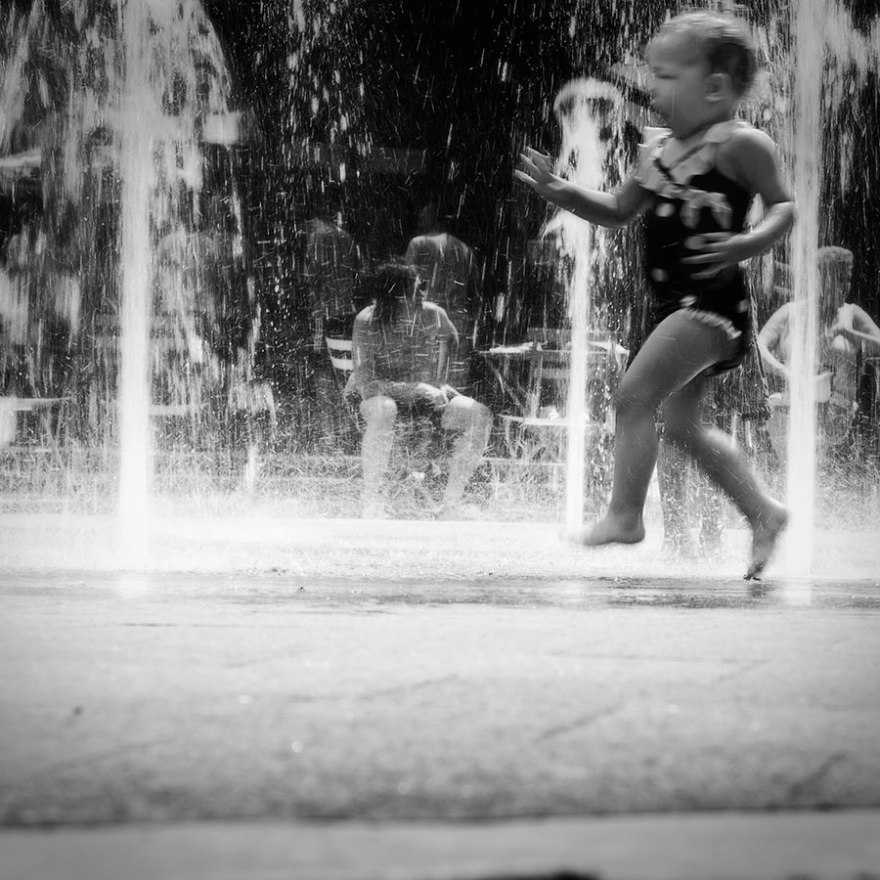
No trail to follow
where the teacher has wandered off —
the end of autumn
~Buson (Y Sawa & E Shiffert, Haiku Master Buson)

and then… Vivaldi’s Four Seasons
An artistic journey through the seasons….a lens-artist’s challenge offered by Tina.
A series of photographs has the ability to convey a story through the inclusion of emotion, mood, ideas, and visual narrative.
Five basic elements of story photography are:
The introduction – an image that identifies the important characters while giving information about the context of the story and introducing the theme. The first image should also be compelling and invite curiosity so that your viewer is drawn into the story.

the gaze
The Plot – introduces ideas, feelings, experiences while exploring themes. Do not forget to follow the “rule of thirds” as this will definitely isolate and immediately draw the viewer’s attention to your subject.

elsewhere
Varying characters’ perspective – photograph closer to your subject(s) or further away. Photograph from multiple angles to find which angle best communicates your story.

watching
Stages – show images taken at different times/stages of the photo session. Explore which subject needs to be included or excluded in an image.
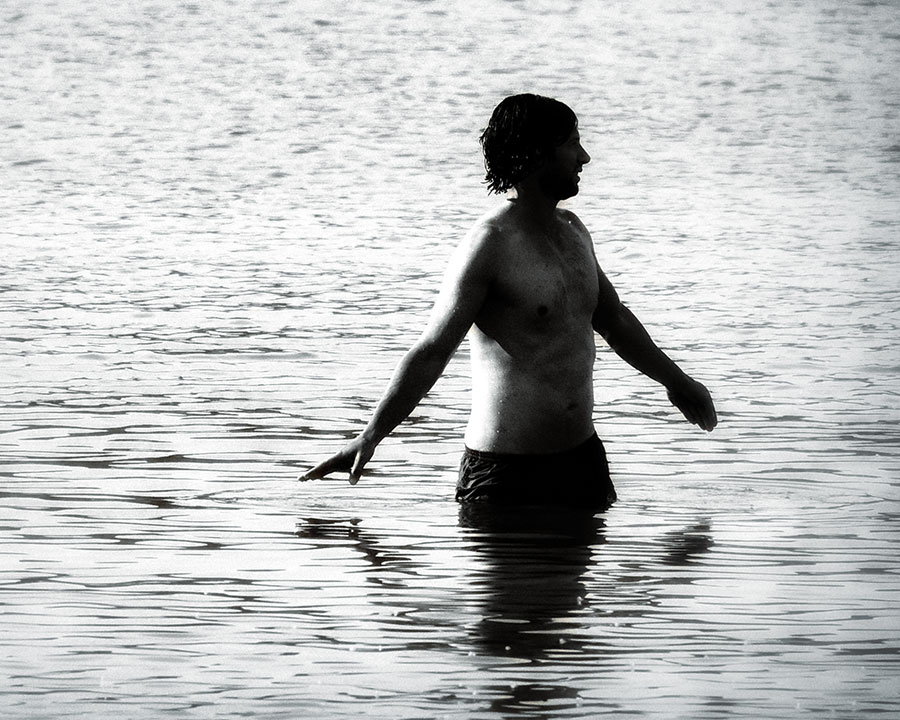
connecting
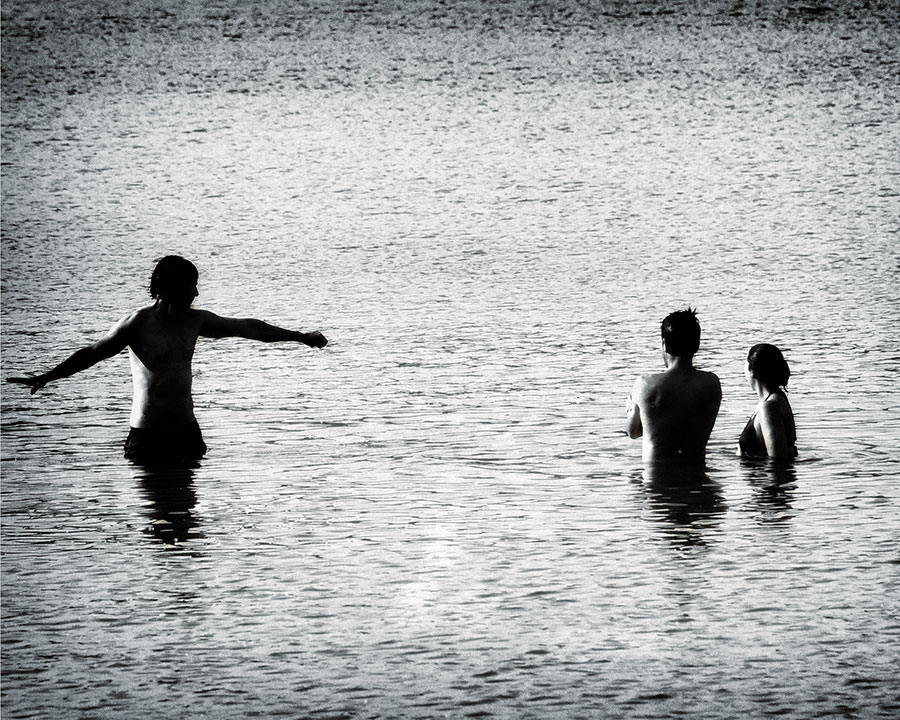
looking away
Focus on detail – you can also tell a story by paying attention to detail. When photographing outdoors, make sure the sun is behind you or off to the side.

disconnected
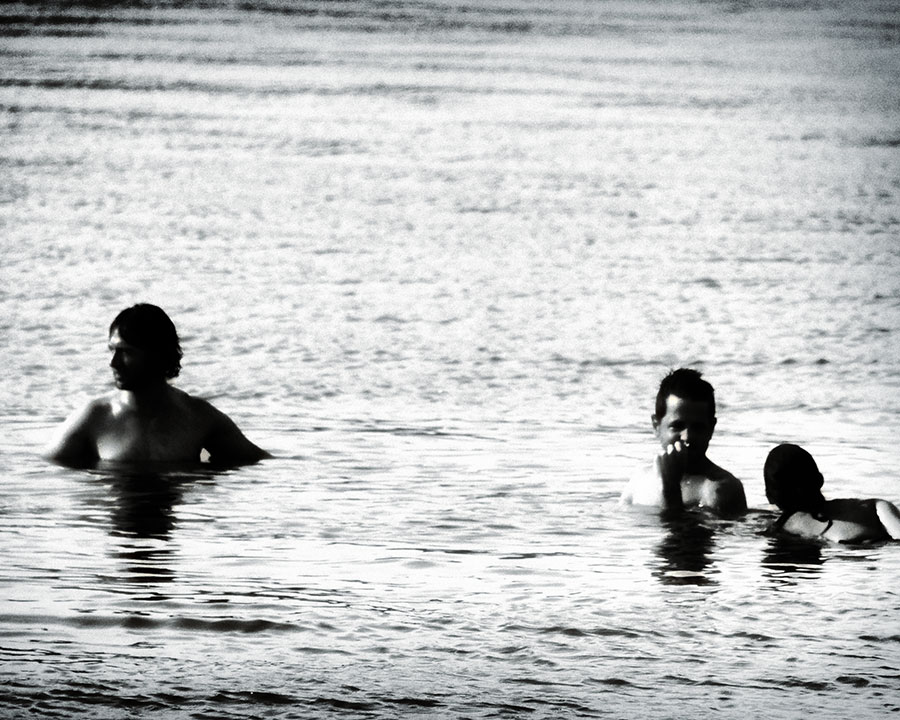
exclusion
Photo editing – ensure there is variety among the images to create interest while at the same time link them together by processing them in a similar manner (black and white, lightening).
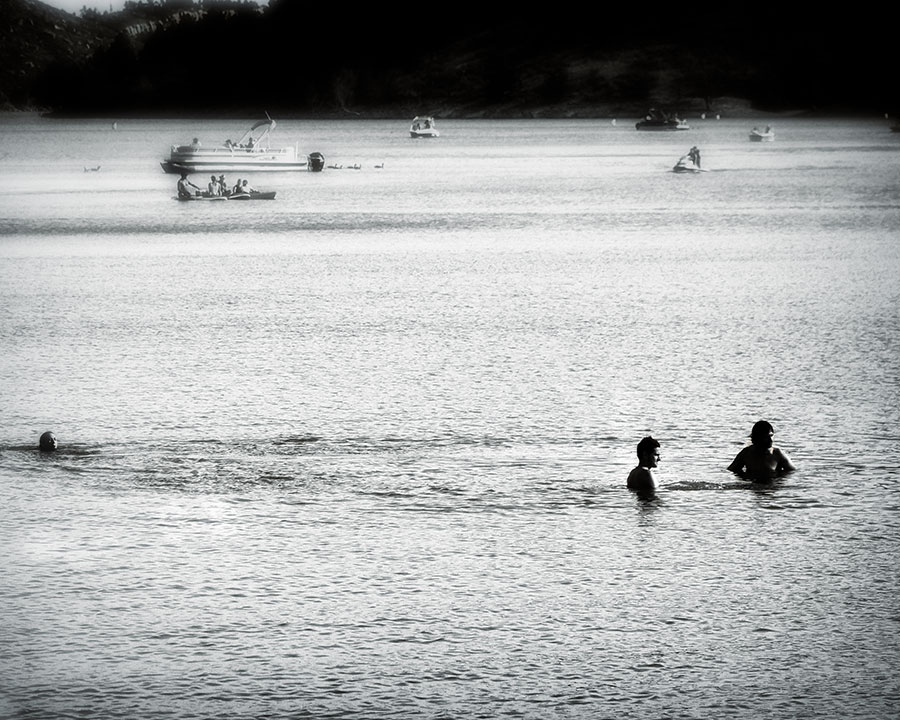
distancing
If you chose to caption your photos be sure to take note of what the subject(s) are doing without giving it away. Cations should be short, clear, and simple.
Projects such as story telling, variations, and photo series are excellent learning experiences because they help explore creativity, encourage you to compare your work with earlier photographs and allow you to see how your ideas and techniques evolve over time.
I love a great story…do you have one to share? Let’s tag with #aphotostudy.

Nikon D750 f/7.1 1/80s 50m 100 ISO

Nikon D750 f/7.1 1/80s 50m 100 ISO
Images submitted for this week’s lens artists photo challenge: cooling
 a meditative journey
You must be logged in to post a comment.