Sunday, August 19, 2018 – camping in Poudre Canyon
yesterday’s dewdrops
upon threads of yesterdays
colors of autumn
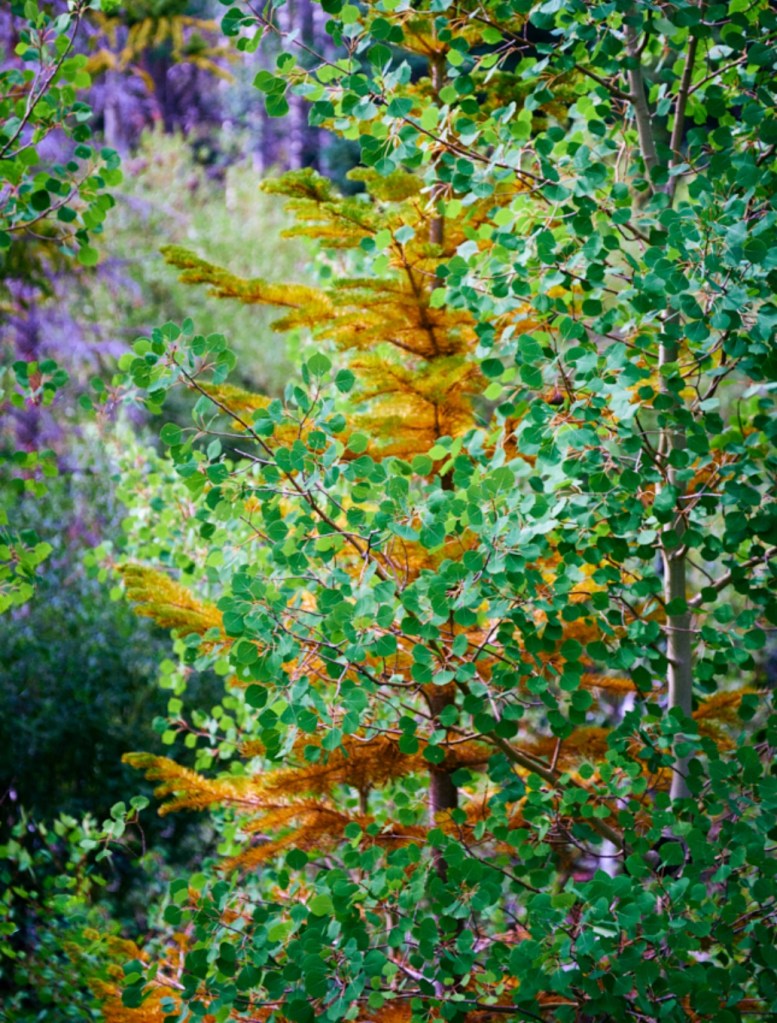
Nikon D750: f/4.5 1/125s 70mm
Sunday, August 19, 2018 – camping in Poudre Canyon
yesterday’s dewdrops
upon threads of yesterdays
colors of autumn
Nikon D750: f/4.5 1/125s 70mm
late afternoon sun
paths of long tree silhouettes –
painting trunk shadows
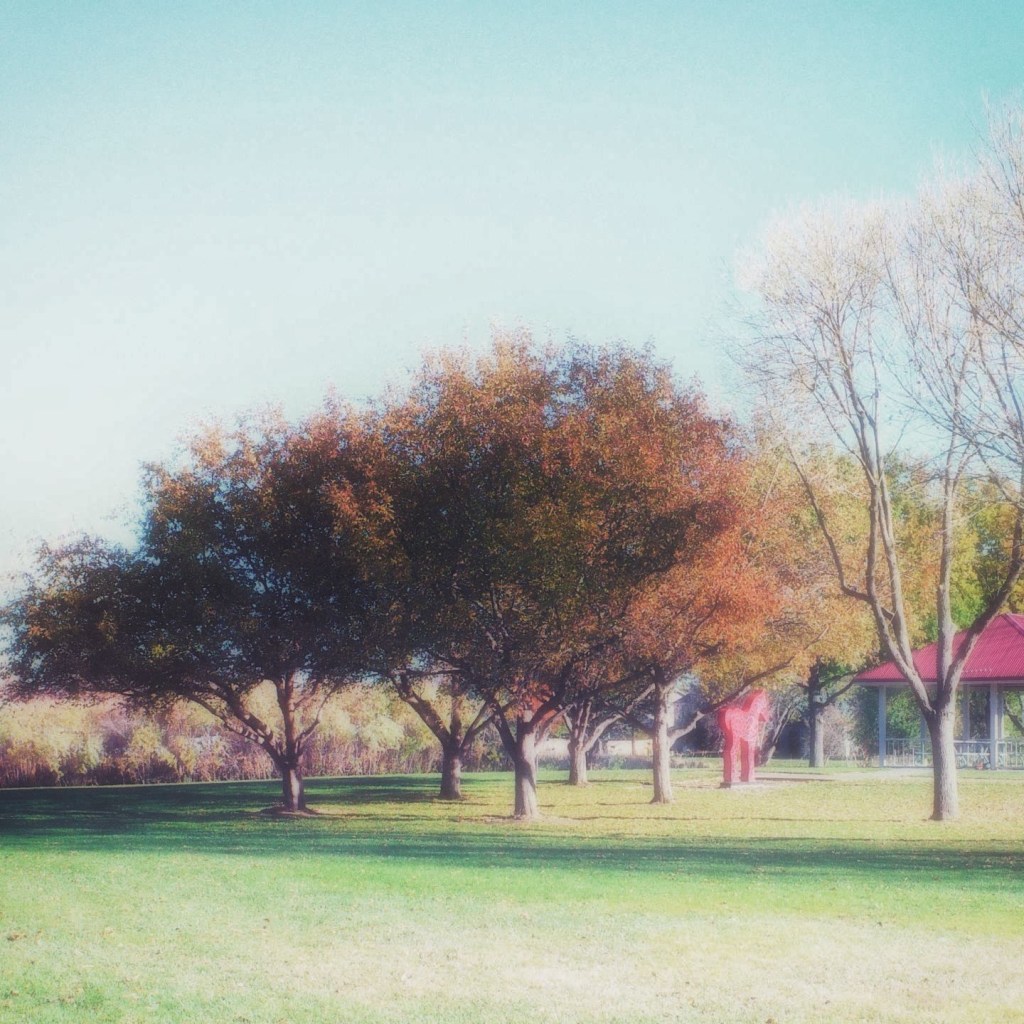
Visit The Life of B to join November’s Shadows of Squares
Leanne (Leanne Cole) invites photographer to share monochrome images that represent the letter T and “everything that starts with it.”
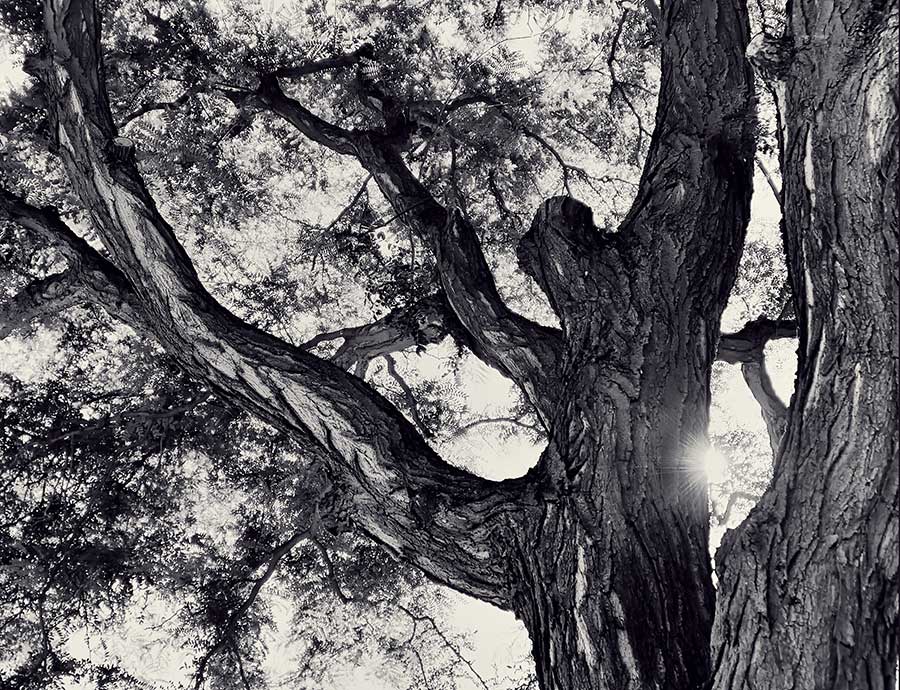
How about sun light peeking through Trees?

Spring is a time of renewal … the continuation of awakening after winter’s sleep

to join May’s square challenge visit The Life of B
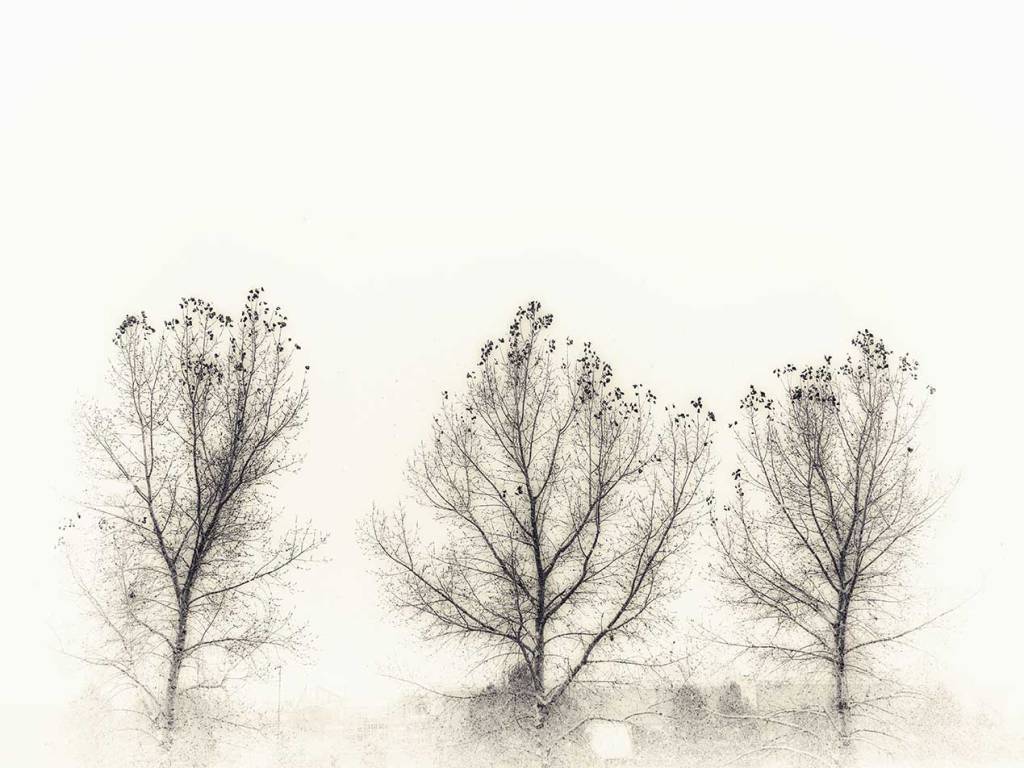
sunset silhouette
leafless branches — in the sky
an ink-line drawing

Oh leaves, ask the wind which of you
Will be the first to fall. ~Soseki*
*cited in Jonathan Clements, The Moon in the Pines
A valley and above it forests in autumn colors.
A voyager arrives, a map leads him there.
Or perhaps memory. Once long ago in the sun,
When snow first fell, riding this way
He felt joy, strong, without reason,
Joy of the eyes. Everything was the rhythm
Of shifting trees, of a bird in flight,
Of a train on the viaduct, a feast in motion.
He returns years later, has no demands.
He wants only one, most precious thing:
To see, purely and simply, without name,
Without expectations, fears, or hopes,
At the edge where there is no I or not-I. ~Czeslaw Milosz*
*cited: Trans. Robert Haas. Poetry-Chaikhana.com Sacred Poetry from Around the World
Patti invited lens-artists to explore diagonal lines in their creative work. The lines within an image guide the eye through the frame, carefully taking the viewer through the photograph. They also help to create depth, a sense of tension, and dynamism.


seclusion retreat … 10th day
The loneliness
of my ramshackle
grass hut,
where no one but the wind
comes to call (Saigyō Trans: B Watson, Poems of a Mountain Home)

“One can live without coffee and without cigarettes, Liesl said rebelliously, but not without nature, that’s impossible, no one should be allowed to deprive you of that. I said, ‘Think of it as if we’d got to spend a prison sentence here, for a few years perhaps, and learn to look at the couple of trees over there across the road as if they were a forest. …” (Etty Hillesum, Trans: A Pomerans, An Interrupted Life The Diaries of Etty Hillesum 1941-1943. pg. 127)
“… Were it possible for us to see further than our own knowledges reaches, and yet a little way beyond the outworks of our divining, perhaps we would endure our sadnesses with greater confidences than our joys. For they are the moments when something new has entered into us, something unknown, our feelings grow more mute in shy perplexity, everything in us withdrawn, a stillness comes, and the new, which no one knows, stands in the midst of it and is silent. …” (Rainer Maria Rilke Trans: M D Herter Norton, Letters to a Young Poet. pg.40


Solitude Retreat … 9th day
In the Hida Mountains
the village pawnshop is closed –
a winter evening
~Buson (cited: Y Sawa & E M Shiffert, Haiku Master Buson

you just can’t go and ask a tree
“Fall is so wonderful because of the change in the colors of the leaves, and [during the autumn months], the deciduous trees pretty much shed their leaves and become bare—well, most of those trees. …
“The process of shedding leaves is really interesting and shows the intricate evolution of nature as a way to survive through all seasons. When the days grow shorter and the amount of sunshine available to leaves decreases, the process that makes food for the trees ends. Chlorophyll begins to break down, the green color disappears, and we get those splendid colors of the fall before most trees drop their leaves.
“The process of leaf drop is also a neat little trick of nature. At the base of their stem (referred to as the petiole), leaves have a zone called the abscission layer, located near the branch to which they are attached.
“The word abscission (sounds like scissors) comes from the Latin ‘to cut away’. The abscission zone has special cells that act like scissors, cutting the leaf off from the main part of the tree in autumn. The part of the leaf stem, or petiole, nearer the leaf contains a separation layer of thin-walled cells that break readily, allowing the leaf to drop. On the branch or twig side of the petiole, there’s another special layer of cells that have a corky structure, which forms a protective layer on the tree, neatly closing up the break to prevent injury or disease. So, the cold of winter gets sealed out, while precious water that the tree continues to use through the winter is sealed in. When spring finally arrives, the return to rapid growth from the trees limbs makes leaf buds expand and swell, and the old leaves finally break off if they haven’t already. Nature is so cool!
“Most, but not all, deciduous trees go through the abscission process. But there are a number of species that exhibit marcescence, or the retention of their leaves, to some degree through the winter months. That’s what you may see when you walk through the forest in the winter. Marcescence is most common by far in the beech, followed by many species of oak as well as hornbeam
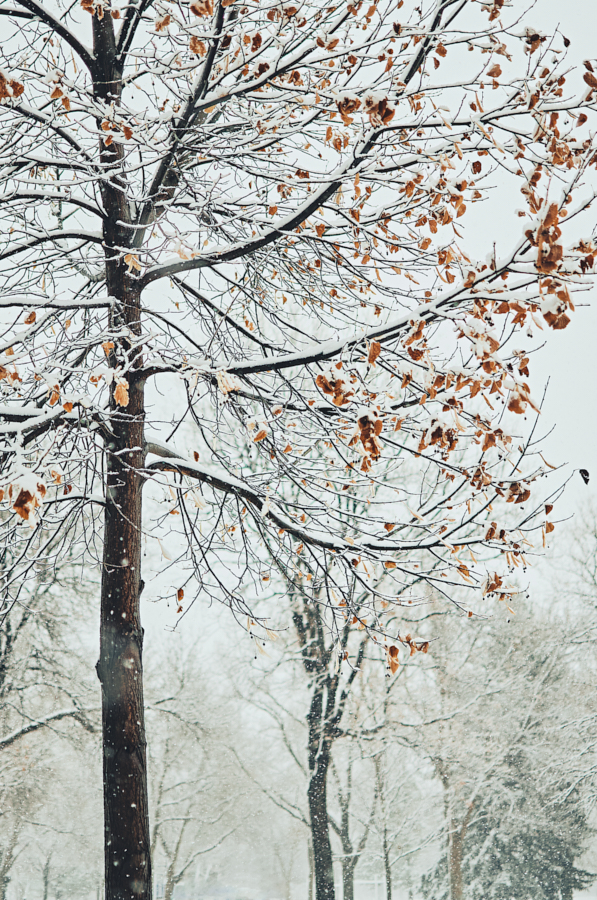
“Scientists have not established the exact reason why certain trees exhibit marcescence—you just can’t go and ask a tree. However, there are some common theories. A few of those theories are based on the observation that marcescent leaves are found most often on younger or smaller trees or on the lower limbs of bigger trees.
“One theory suggests trees may keep their leaves to deter deer and other browsing animals from eating the nutrient-rich twigs. The leaves may conceal sumptuous new buds. In fact, researchers have found that the dried leaves are less nutritious than the twigs, and that characteristic might keep the animal from trying to munch on the lower twigs of trees.

“Researchers suggest another possibility for trees holding their leaves through the winter. It relates to the availability of nutrients for trees as they head into the growing season in the spring. When leaves drop in the fall, the nutrients from those leaves that accumulate on the forest floor are pretty much gone by the next spring when the tree needs food to kick off the growing season. This mulch layer would also hold in precious moisture for the trees. If the tree holds its leaves until spring, then releases them to the ground below, they may act as quick-start nutrients as the growing season begins, and this is most important for the smaller trees under much of the canopy from larger trees.
“On a related note, in some years, rapid onset of early frosts or freezes may halt the abscission process and cause many other deciduous trees to hold their leaves into part of the winter season. This would include varieties of maples and other species, but as the winter wears on most of these trees finally do lose their leaves.
“There’s no debate that the muted browns and yellows of marcescent leaves provide a beautiful backdrop in the bare forests of the winter. In addition, one benefit of trees like the beech, which keep most of their leaf canopy during the winter, is for birds who can seek shelter from the cold winter temperatures and winds among those clumps of leaves.
“For those who choose to take that wonderful saunter through a forest path during the winter, you now know why there are trees who choose “not to go naked” during the season, but wait to complete a quick change as nature’s spring fashion season swings into full gear.”
cited: Weather Underground,Tom Niziol. Marcescence: why some trees keep their leaves in winter, January 22, 2020

“… literature provided me with alternate threads by which to darn a harmonious, yet delusional, understanding of death, of fatherless children, of a family. To move into this realm is to be cuddled in the arms of a chair, mesmerized by the pages of a book unfolding like an accordion, embraced by a transparent sound barrier, and transported into fantasies found through fictional characters. While my mind’s eye grasped the hand of my naïve emotional self and together we observed the telling of storied lives, there was a seeking mind that simultaneously identified revealing markers to create a map, not to a place of hidden treasures, but to a place that felt like a home.
I was six years old the first time this happened. Martin and Cooney’s Five Little Peppers and How they Grew eased my aloneness with the emptiness left by my father’s death and filled it with a reformulated concept of family. Later, it was Alcott’s characters within Little Women and Little Men who gave me permission to vicariously be a fatherless child united with loving adults who validated sacrifice, patience, and compassion. Burnett’s themes of grief and loss within The Little Princess identified the behaviors, choices, and attitudes necessary to survive the evils of dark despair until the rescue by an unknown and unidentified savior, just and righteous.”
~B Catherine Koeford, A Mediative Journey with Saldage homesickness for a place, a time, a person that cannot be
Flowering thorn —
the pathway by my home village
is like this!
~Buson (Y Sawa & E Shiffert, Haiku Master Buson)

 a meditative journey
You must be logged in to post a comment.