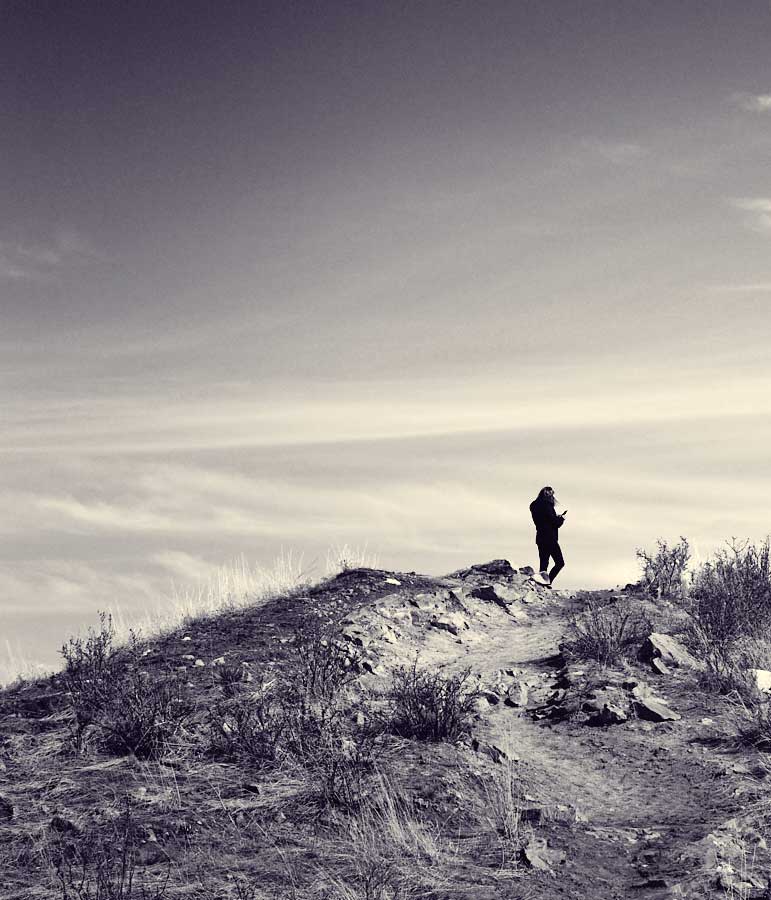
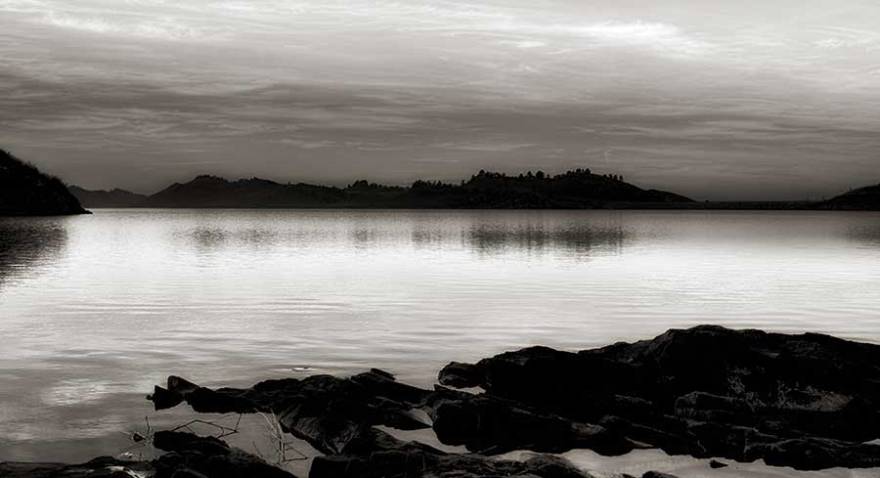
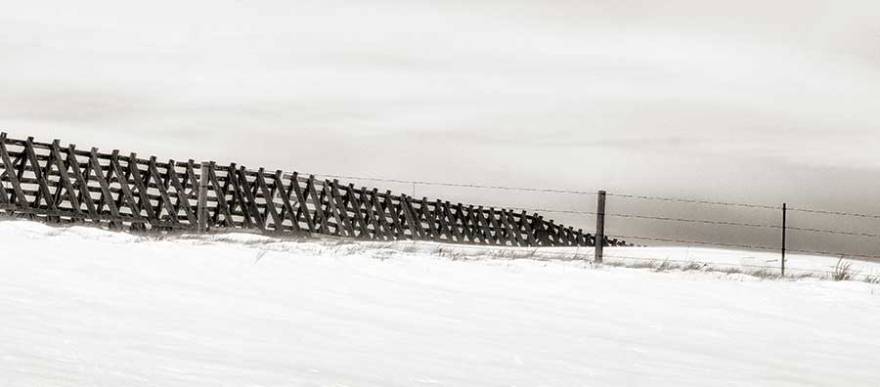
sunset silhouette
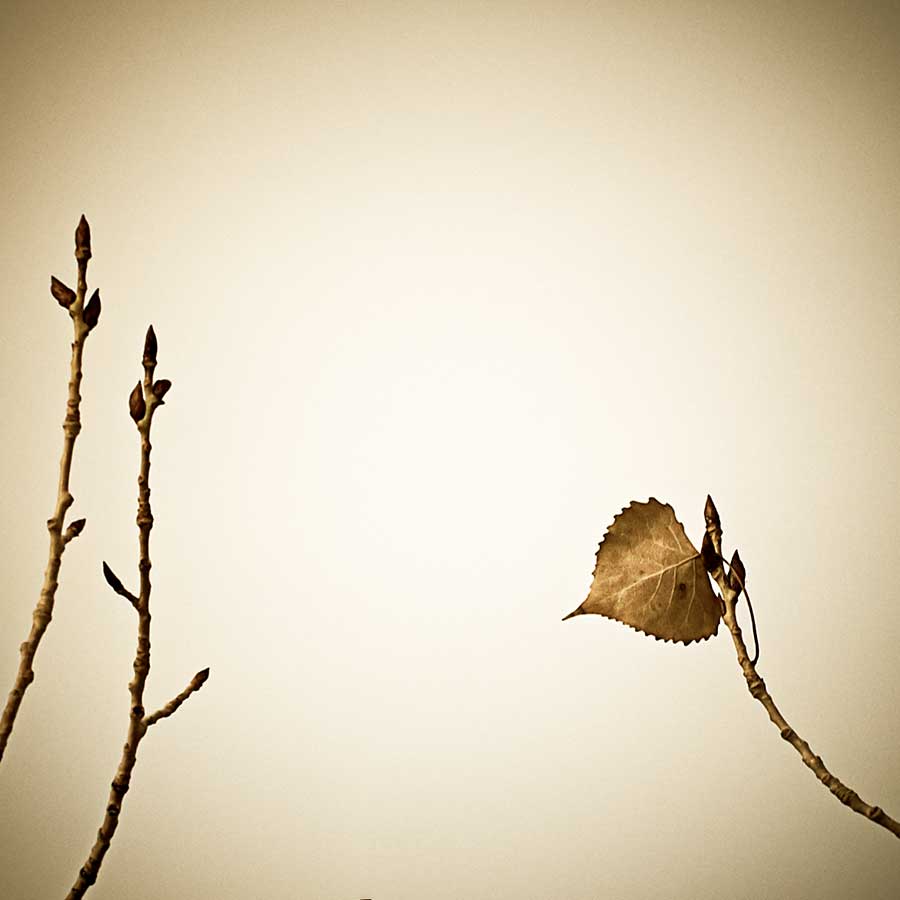
leafless branches — in the sky
an ink-line drawing

sunset silhouette
leafless branches — in the sky
an ink-line drawing

In the aging house,
crookedness of the door being straightened,
a spring-like winter day.
~Buson (Y Sawa & E Shiffert, Haiku Master Buson)

Today, I like the word Wintering (the act of staying at a place throughout the winter) as it has an underlying message of being at…rest, peace. A seasonal nap time.

February has within it whispers of spring, It also–like November–is a time of heavy snow storms and cabin fever.

…in order to know we must trust our ancestors – trust them deeply. Spinoza points out the fact that our knowledge of parentage and the date of our birth is, in fact, what he calls ‘knowledge by hearsay’.*

*cited:
The Bodhisattva’s Brain
Owen Flanagan
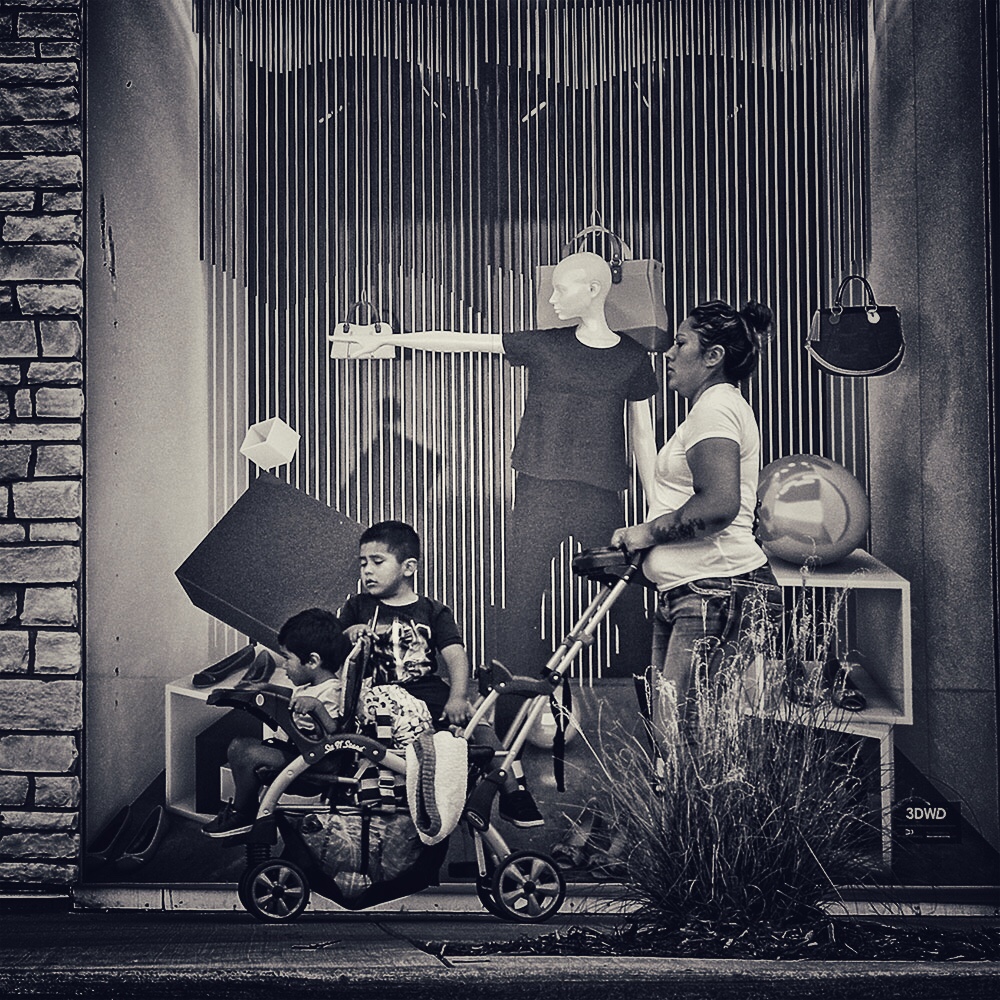
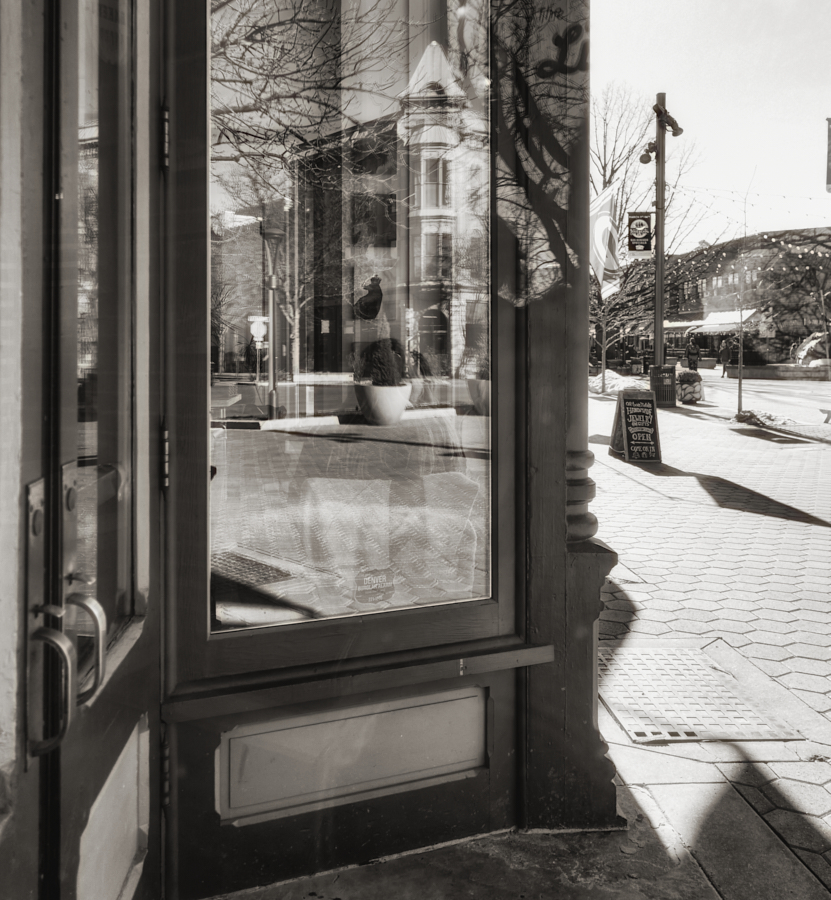
Hum … window shopping. It has been a long time. I do miss those days walking about Old Town, watching people stroll about, listening to a shopper play a public piano (Piano About Town art project), governing the impulse to buy, sitting out doors with a cappuccino, and most of all, walking about with camera in hand.


Why not join The World as I see it’s lens-artists challenge: window shopping
sunday morning with Thich Nhat Hanh
‘… the flower is made of non-flower elements. We can describe the flower as being full of everything. There is nothing that is not present in the flower. We see sunshine, we see the rain, we see clouds, we see the earth, and we also see time and space in the flower.

A flower, like everything else, is made entirely of non-flower elements. The whole cosmos has come together in order to help the flower manifest herself, The flower is full of everything except one thing: a separate self, a separate identity.
The flower cannot be by herself alone. The flower has to inter-be with the sunshine, the cloud and everything in the cosmos. If we understand being in terms of inter-being, then we are much closer to the truth. Inter-being is not being and it is not non-being. Inter-being means being empty of a separate identity, empty of a separate self.” ~Thich Nhat Hanh, No Death, No Fear: Comforting Wisdom for Life
Zepher Richard Lee
The depth of the hearts
Of humankind cannot be known.
But in my birthplace
The plum blossoms smell the same
As in the years gone by.
~Ki no Tsurayuki*

*cited:

if I go to heaven I will forget you,
and
if I go to hell you will forget me.*
In China a person who will not forget the past is described as ‘one who did not drink Old Lady Meng’s soup.’ Borrowed from Buddhist folklore, Old Lady Meng dispenses the Broth of Oblivion to souls leaving the last realm of the underworld on their way to reincarnation. After drinking her soup, the soul is directed to the Bridge of pain that spans a river of crimson water. There, two demons lie in wait: Life-Is-Not-Long and Death-is-Near. They hurl the soul into waters that will lead to new births.
Old Lady Meng is more than a quaint antidote for the Greeks’ Mnemosyne. She embodies a psychological understanding about the forces that promote, indeed demand, forgetting for the sake of ongoing life. It is not enough to note that water is linked with amnesia in Chinese folklore as much the same way that the river Lethe is associated with forgetting in Greek mythology. The challenge here is to make sense of the distinctively Chinese attachment to remembrance in spite of the benefits of Old Lady Meng’s soul.
In Jewish tradition, too, the benefits of amnesia were acknowledged along with the sacred commitment to recollection. There is a midrash, or Torah-based story, that teaches us a lesson similar to that of Lady Meng: ‘God granted Adam and Eve an all-important blessing as they were about to leave the Garden of Eden: I give you, He said, ‘the gift of forgetfulness.” What is so precious about amnesia? Why would God, who demands fidelity to memory, offer the relief from recollection? Perhaps it is because without some ability to forgive and forget we might become bound by grudges and hatred. To remember everything may be immobilizing. To flee from memory, however, leads to an ever more debilitating frenzy.(40-41)**
source:
*Arang and the Magistrate
Munhwa broadcasting corporation
**Bridge Across Broken Time
Vera Schwarcz
the lantern blown out —
the sound of the wind
through the leaves ~Shiki*

*cited: J Hardy, Haiku Poetry Ancients & Modern

rocks and wood – front porch, light and shadow

rocks and water – Big Thompson Canyon, long exposure
images submitted for Dawn’s Monochrome Madness theme challenge: rocks
If I should live long,
Then perhaps the present days
May be dear to me,
Just as past time filled with grief
Comes quietly back in thought.
~Fujiwara no Kiyosuke


Standing at this Threshold
With uncertainty, I question:
What is it that I seek?
Protection? Compassion? Acceptance? Forgiveness? Completion?
Who is it that I beckon?
A father? A mother? A sister? A brother? A companion? A child? A god?
To be? To endure? To offer? To embrace? To validate?
An intentional presence that is drawn upon
A place and time of shadows, myths, and dreams?
Birthed within a family?
Matured within a relationship?
Nourished within a community?
Where the Stillness within Silence,
Affirms the exchange of life’s giving and taking,
Embraces the connection of life’s emotional threads, and
Observes the interdependence of life with non-judgmental awareness,
Yet, knows of a united oneness with another that can not be?
Since it can not be, do I yearn
To know integration through the formation of thought;
To see clarity through the flowing of ink; and
To feel completion through the act of creating?
And then, finally, within the stillness of silence,
I befriend
An internal companion with whom
There is an honoring of the who and what of which I am;
A woman, a daughter, a sister, a niece, a wife, a mother, an aunt, a grandmother, a great-grandmother.
I touch
With reverence the presence of all that was, is, and will be.
I release
The seeking, the beckoning, the yearning to the Winds of Change.
I with uncertainty, Step over this Threshold
Foreseeing a return
~bckofford
You must be logged in to post a comment.