lens-artist: live and learn

As an autodidact, individuals who choose the subject they will study, their studying material, and the studying rhythm and time, in 2018 I began blogging a 52-week Photo Study that explored topics such as visual composition, creativity, point of view, the photographer, street photography, contemplative photography, landscape photography, and developing a personal style,

YOUR FIRST 10,000 PHOTOGRAPHS ARE YOUR WORST.” ~Henri Cartier-Bresson

After reading Henri Cartier-Bresson’s quote, I realized that one may just mindlessly click away 10,000 times with hope that…maybe, just maybe…accidentally…one image will be an A+ A+ A+ photograph (see the movie, “A Christmas Story”).

Then…a shower thought…maybe that one triple A+ image really only arises after 10,000 intentional shutter releases.  Can you just image being present to,  thinking through, and connected with each transient moment 10,000 times?   In reality this would be like setting out on a  journey of 10,000 steps knowing that one will never reach their destination.

Yet, what is an important part of a 10,000 endeavor?  To create a triple A+ image?  Or to undertake a photo study journey accompanied by fun, education, knowledge, experience, and exploration?  I’ll go with the fun of creating and opening myself to the beauty of Mother Earth so this photo study blog journey is an encouragement to–not create a triple A+ image– but to be more intentionally present with each click of the shutter.

Thank you Tina (travels and trifles) for this week’s photo challenge to explore and share one’s lifetime journey of learning.

saturday morning with pascal mercier

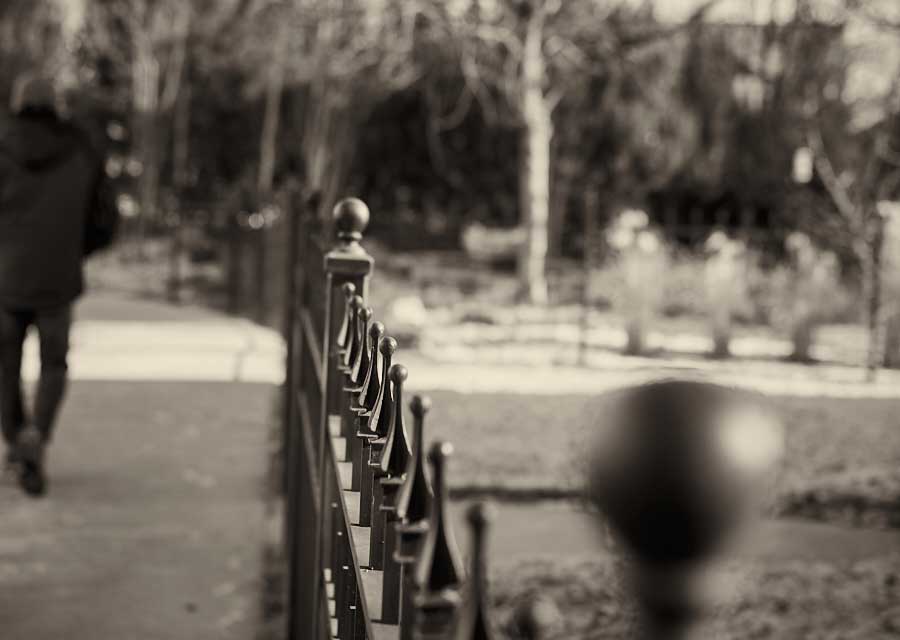
“”We live here and now, everything before and in other places is past, mostly forgotten and accessible as a small remnant disordered slivers of memory that light up in rhapsodic contingency and die out again.

Fujifilm X-T4: f/9 1/10 s 80 mm 400 ISO

“This is how we are used to thinking about ourselves. And this is the natural way of thinking, when it is others we look at: they really do stand before us here and now, no other place and no other time, and how should their relationship to the past be thought of if not in the form of internal episodes of memory, whose exclusive reality is in the present of their happing?” Pascal Mercier, Night Train to Lisbon, pp, 241-242

thursday morning with pascal mercier

Encounters between people, it often seems to me, are like crossings of racing trains at breakneck speed in the deepest night.

We cast fleeting, rushed looks at the others sitting behind dull glass in dim light, who disappear from our field of vision as soon as we barely have time to perceive them. Was it really a man and a woman who flitted by there like plantoms in an illuminated window frame, who arose out of nothing and seemed to cut into the empty dark, without meaning or purpose? ~ Pascal Mercier, Night Train to Lisbon, pg. 94

Fujifilm X-T4: f/4 1/1400 s 78.1 mm 640 ISO

lens-artists – quiet hours

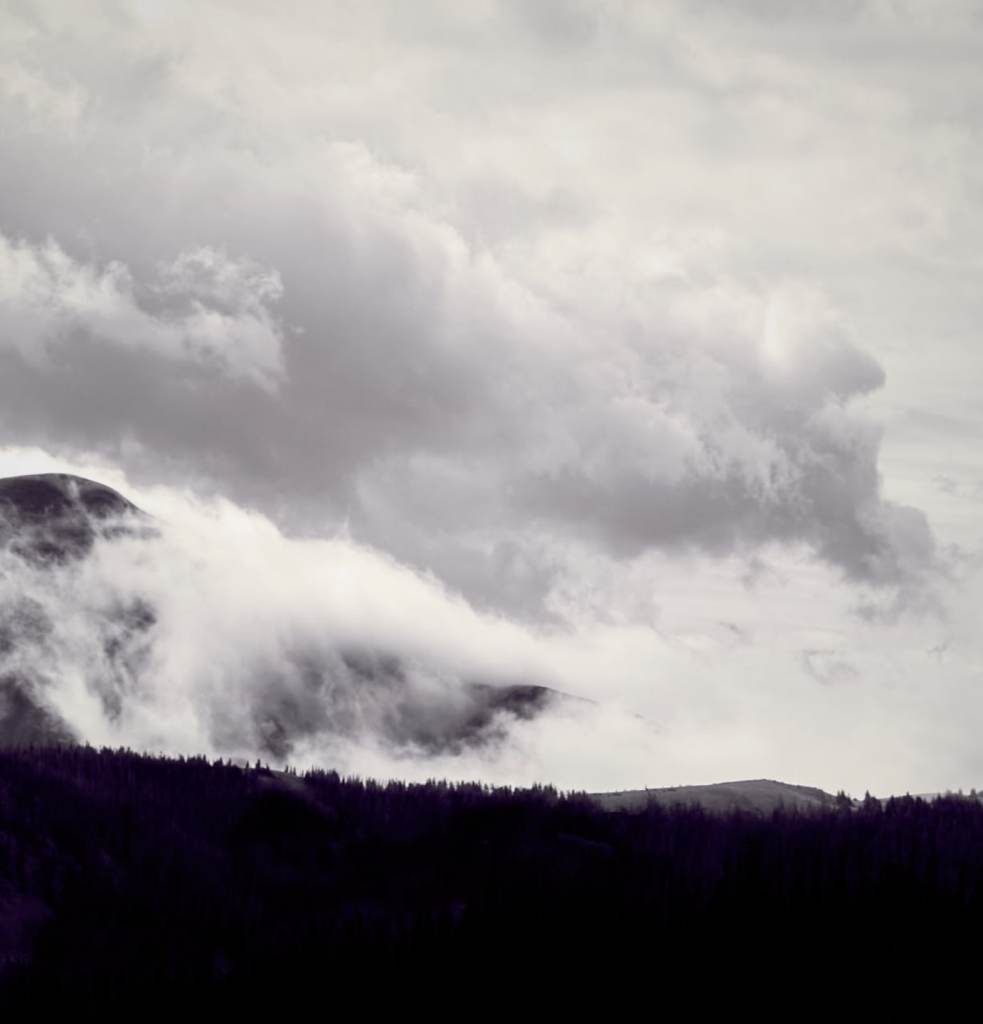
There is a profound moment … a second or so before the sun’s light peeks above the horizon … when a quiet stillness embraces the soul.  And then … a single bird’s singsong begins a welcoming of the dawn followed by the distant scent of a coffee … releasing me from the solitude of night.

Thank you Stupidity Hole’s for this week’s lens-artist challenge – quiet hours.

monday morning with pascal mercier

“Was it possible that the best way to make sure of yourself was to know and understand someone else?

One whose life had been completely different and had had a completely different logic than your own? How did curiosity for another life go together with the awareness that your time was running out? …” Pascal Mercier, Night Train to Lisbon, pg 97.

Fujifilm X-T4: f/4 1/750 s 65.2 mm 400 ISO

lens-artists: looking back to creativity

This week Leya invites lens-artists to “share a link to the old post, and then create a new post on the same subject” Oh how fun!

After viewing the WP listing of a hundred and sixty-seven Lens-Artist’s challenges … no creativity challenge. “Oh! I must have been absent that weekend? What to do? Take a different road to creativity? Will I be forgiven?”

Calling upon the courage needed to search outside Leya’s guidelines, I found, a 2018 post – A photo study: contemplative photography.

Creativity begins as we begin to think differently, move out of our comfort zone, start to use our head over the camera, and go beyond all apparent possibilities.  

iPad f/1.8 1/50 sec ISO 64

Creativity is the ability to make or do something new…the ‘something’ can be an object, a skill, or an action. To be creative, the object, skill, or action cannot simply be bizarre or strange; it cannot be new without also being useful or valued, and not simply be the result of [an] accident. …an important form of creativity is creative thinking, the generation of ideas that are new as well as useful, productive, and appropriate. The second is that creative thinking can be stimulated by teachers’ efforts…

~Lumen Learning

Pablo Picasso once said, “Every child is an artist. The problem is how to remain an artist once we grow up.”

Found object art began to take shape in 1912 when Picasso made his cubist constructions from various scavenged materials, adding such things as matchboxes and newspapers. Dada and surrealist artists then made extensive use of found objects. And now, the art form continues to thrive among mixed-media artists.

…our ordinary vision is limited…our conventional consensus of reality is not the only version of reality…the mind…in its attempt to provide meaning (security), continually rearranges the world to fit individual needs.  The failure to recognize the constructive nature of the mind can be a major obstacle to artistry and creativity.

~Tao of Photography, Gross & Shapiro

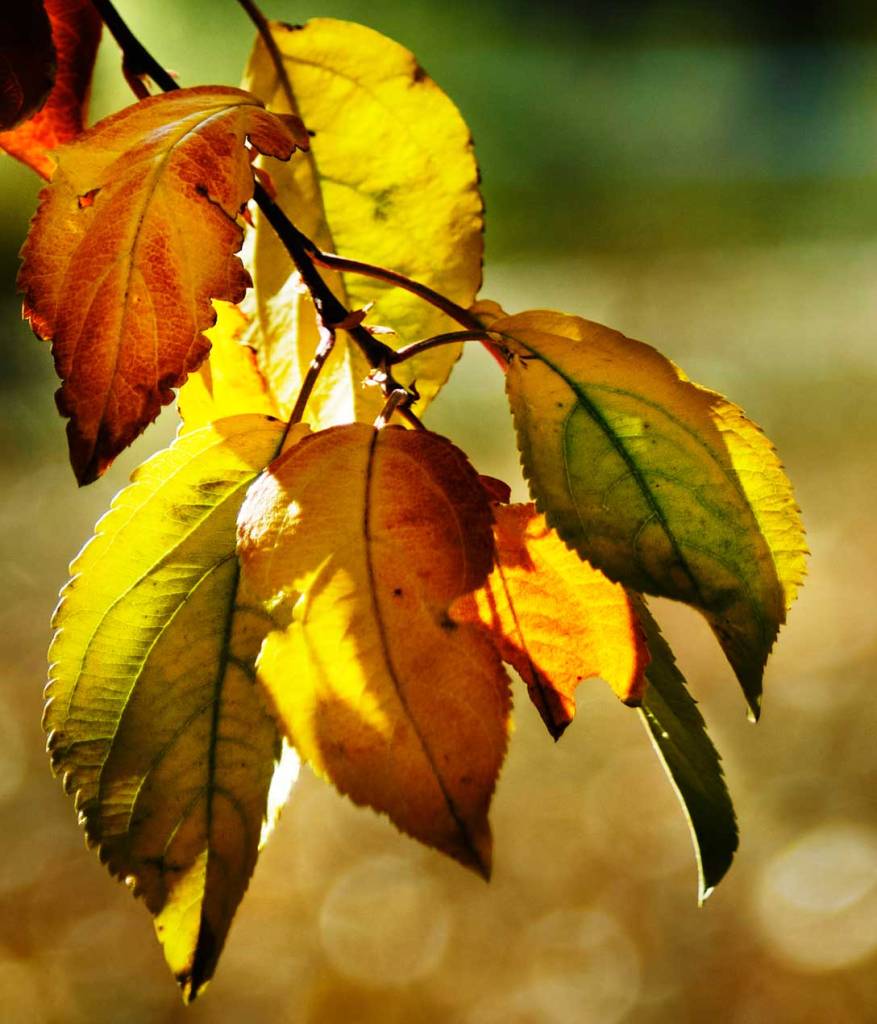
Nature gifts us with her ever-changing dynamic paint brush upon the canvas of life

Thank you for visiting

Li Po (A.D. 701-762)

III. 1. The Distant Parting

Fujifilm X-T4: f/16 1/10 s 80 mm 400 ISO

“Long ago there were two queens called Huang and Ying. And they stood on the shores of the Hsiao-hsiang, to the south of Lake Tung-t’ing. Their sorrow was deep as the waters of the Lake that go straight down a thousand miles. Dark clouds blackened the sun. Shōjō howled in the mist and ghosts whistled in the rain. The queens said, “Though we speak of it we cannot mend it. High Heaven is secretly afraid to shine on our loyalty. But the thunder crashes and bellows its anger, …

So the royal ladies wept, standing amid yellow clouds. Their tears followed the winds and waves, that never return. And while they wept, they looked out into the distance and saw the deep mountain of Tsang-wu.

“’The mountain of Tsang-wu shall fall and the waters of the Hsiang shall cease, sooner than the marks of our tears shall fade from these bamboo-leaves’.” ~Li Po*

*cited: trans: Arthur Waley, The Poet Li Po, The Project Gutenberg eBook

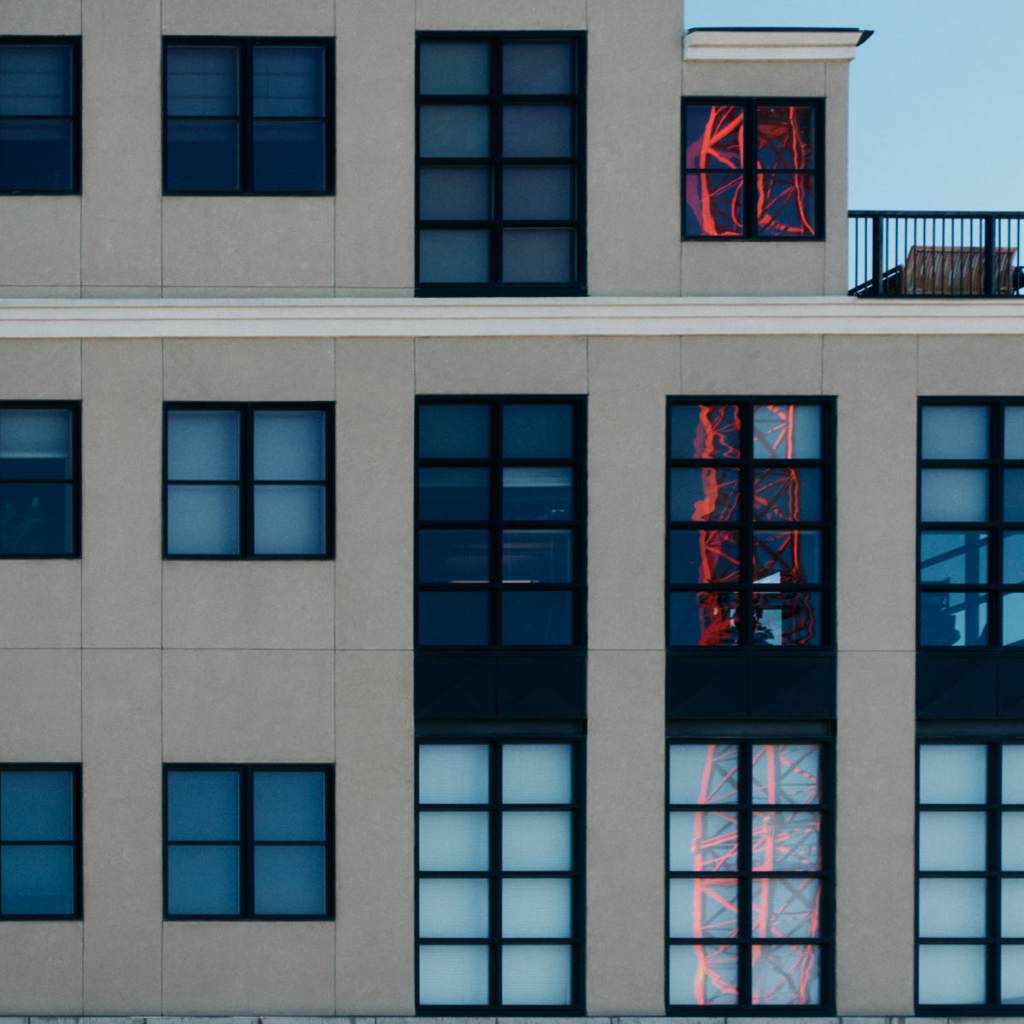
lens-artist: reflections

In this hour of longing 
Reflection brings to mind each day gone by
And in each one 
Was less of sorrow.
*

“… the dream interpreter interpreted my dream, but I could not realize this. Only the sorrowful reflection in the mirror was realized unaltered. …”**

Anne from Slow Shutter Speed invites lens-artists to explore images of reflections

*The Diary of Izumi Shikibu, Diaries of Court Ladies of Old Japan

**cited: The Sarashina Diary, Diaries of Court Ladies of Old Japan