lens-artists: behind

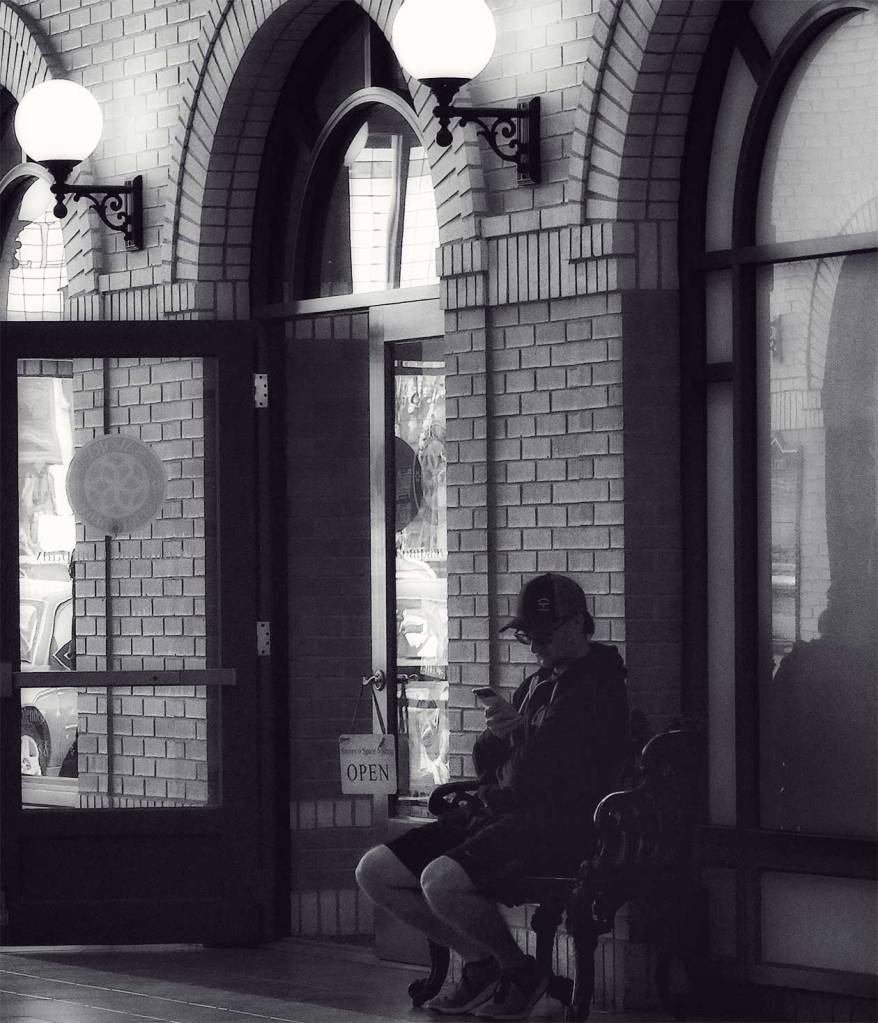
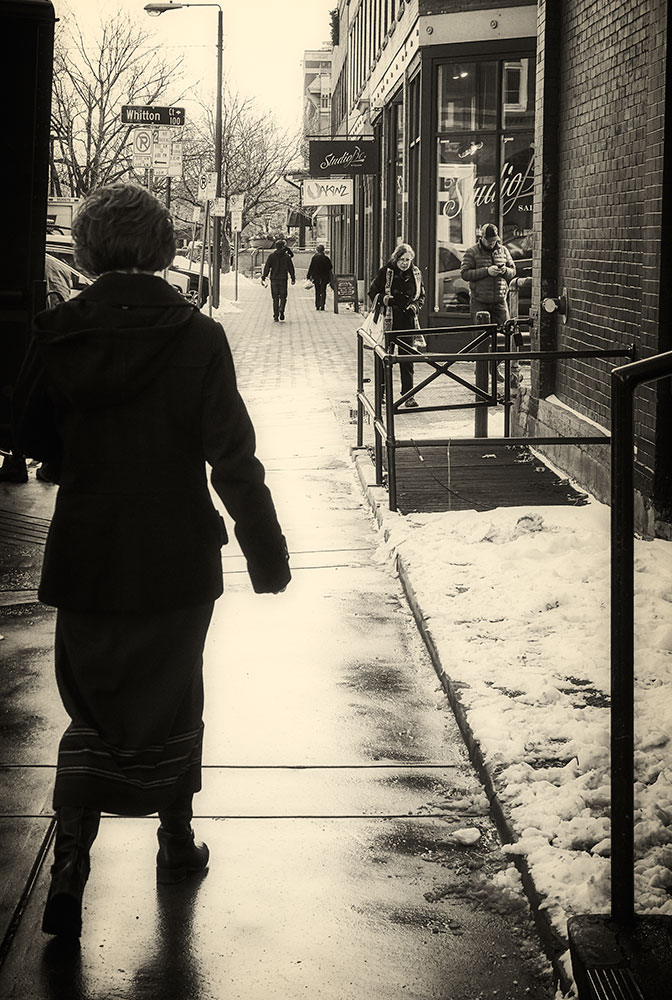
This color street image was created by using the reflection of a retail window. The buildings create the background while the foreground is created by both the man holding a phone and the tables/chairs. The three figures offers us a mid-ground. It is my thinking that the composition of this image is an example of using layers within a photograph.

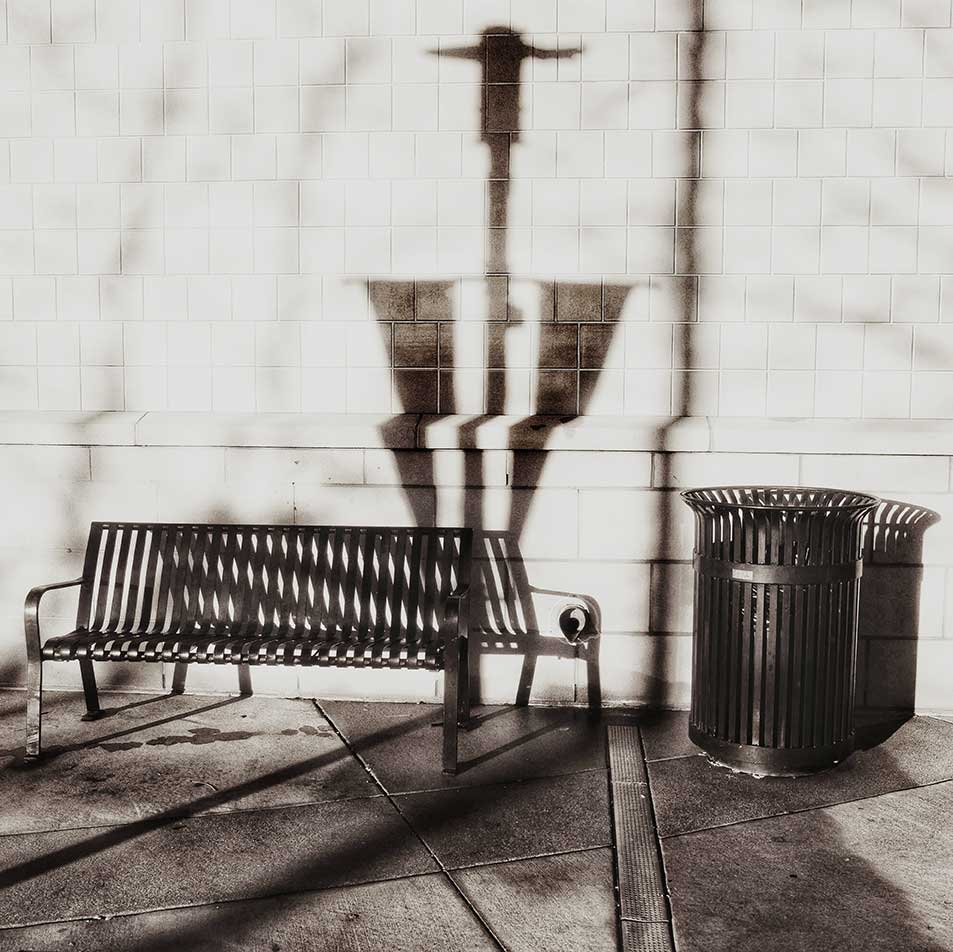
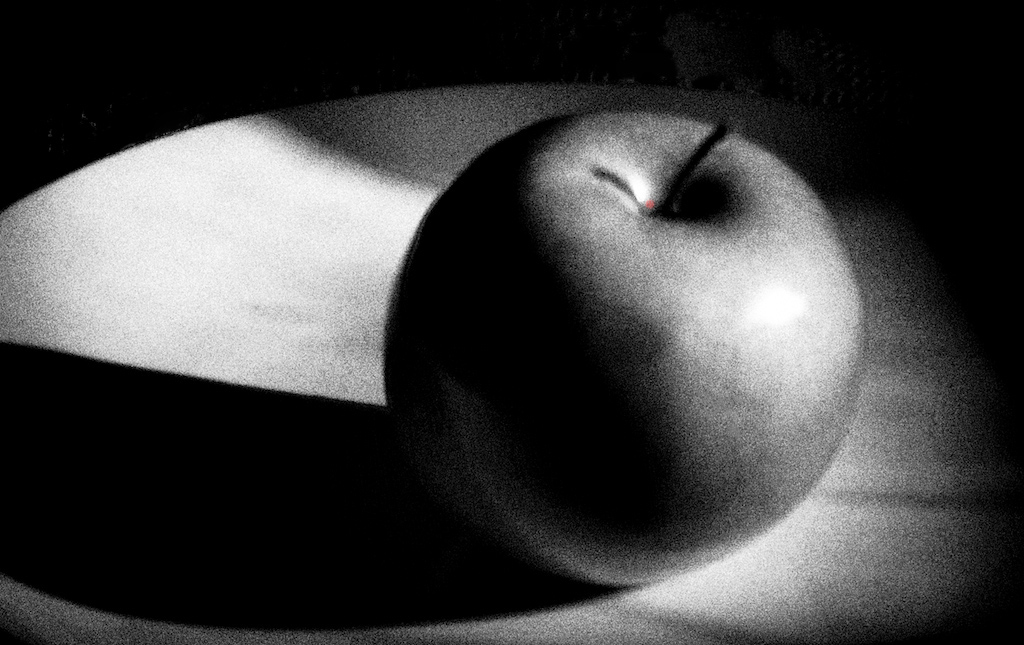
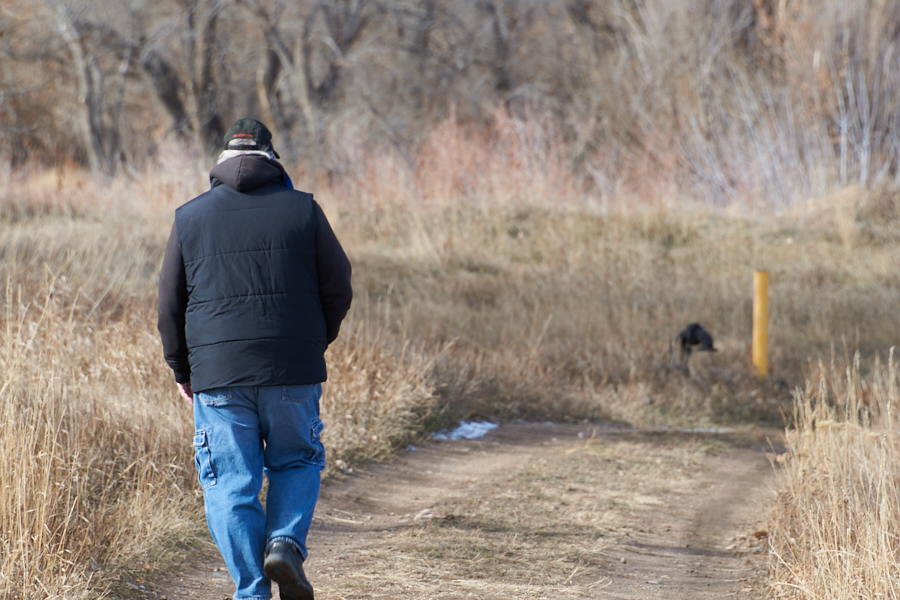
The first image demonstrates the use of light and shadow to create a background. Where as in the second the foreground defines the background.

I hope you enjoyed these variations of layering in photography.

This week’s lens-artists challenge is hosted by Ritva

lens-artists: delicate

Today life feels exceptionally delicate.

Relationships are delicate

The wings of the butterfly are delicate. Their wings are made up of thousands of scales that can fall off if touched. Without these scales to protect their wings, the underlying tissue can tear, preventing them from flying. The scales are unable to regrow once damaged.

Migrating is delicate. Each fall, millions of monarch butterflies migrate from Canada to Mexico. The monarch migration is a brilliant demonstration of nature’s ingenuity, but the delicate creatures face many perils, and the number of migrating monarchs is declining sharply.

Peace is delicate.

Submitted for this week’s lens-artists challenge: delicate

saturday morning with alan lightman

Fujifilm X-T4 f/5.6 1/60 s 60.8 mm 800 ISO

“In a world where time is a sense, like sight or like taste, sequence of episodes may be quick or may be slow, dim or intense, salty or sweet, causal or without cause, orderly or random, depending on the prior history of the viewer. Philosophers sit in cafés on Amthausgasse and argue whether time really exists outside human perception. Who can say if an event happens fast or slow, causally or without cause, in the past or future? Who can say if events happen at all? The philosophers sit with half-opened eyes and compare their aesthetics of time.

Fujifilm X-T4 f/5.6 1/60 s 46.6 mm 800 ISO

Some few people are born without any sene of time. As consequence, their sense of place becomes heightened to excruciating degree. They lie in tall grass and are questioned by poets and painters from all over the world. These time-deaf are beseeched to describe the precise placement of trees in the spring, the shape of snow on the Alps, the angle of sun on a couch, the position of rivers, the location of moss, the pattern of birds in flock. Yet the time-deaf are unable to speak what they know. For speech needs a sequence of words, spoken in time.”*

*cited: Alan Lightman, Einstein’s Dreams

life’s passages … 103

over the fields of

last night’s snow–

plum fragrance.

                                                                                      ~Okano Kin’emon Kanehide*

plums and raindrops
a spring rain shower

*cited:

Japanese Death Poems

Yoel Hoffmann


life’s passages … 101

How invisibly

it changes color

in this world,

the flower

of the human heart.

                              ~Ono no Komachi*

rose


“… our ordinary vision is limited, and…our conventional consensus of reality is not the only version of reality.

The complex multidimensionality of the modern world no doubt contributes to the constructive habit of the mind that, in its attempt to provide meaning, continually rearranges the world to fit individual needs.  The failure to recognize the constructive nature of the mind can be a major obstacle to artistry and creativity.  Conversely, understanding the constructive nature of the mind and reality can lead the way to Great Understanding in the art of photography and in the art of living.” (61)**

cited:

*The Ink Dark Moon

Trans: Jane Hirshfield with Mariko Aratant

**Tao of Photography

Philippe L Gross & S.I. Shapiro