carving aged faces
sunset by sunset – whitening streaked hair
days of yesterdays

carving aged faces
sunset by sunset – whitening streaked hair
days of yesterdays
Delicate … the dance
of light and shadow
between insight and ignorance
in life and death
from suffering to tranquility

May you become acquainted with tranquil single-pointed concentration . . . those who seek wisdom through the lens of tranquility glimpse reality in the same manner as a lighted candle — the light chases away that which is hidden within the shadows of a darken closet. Insight, once risen, shines light into closed hearts and minds and keeps the gloom of ignorance at bay
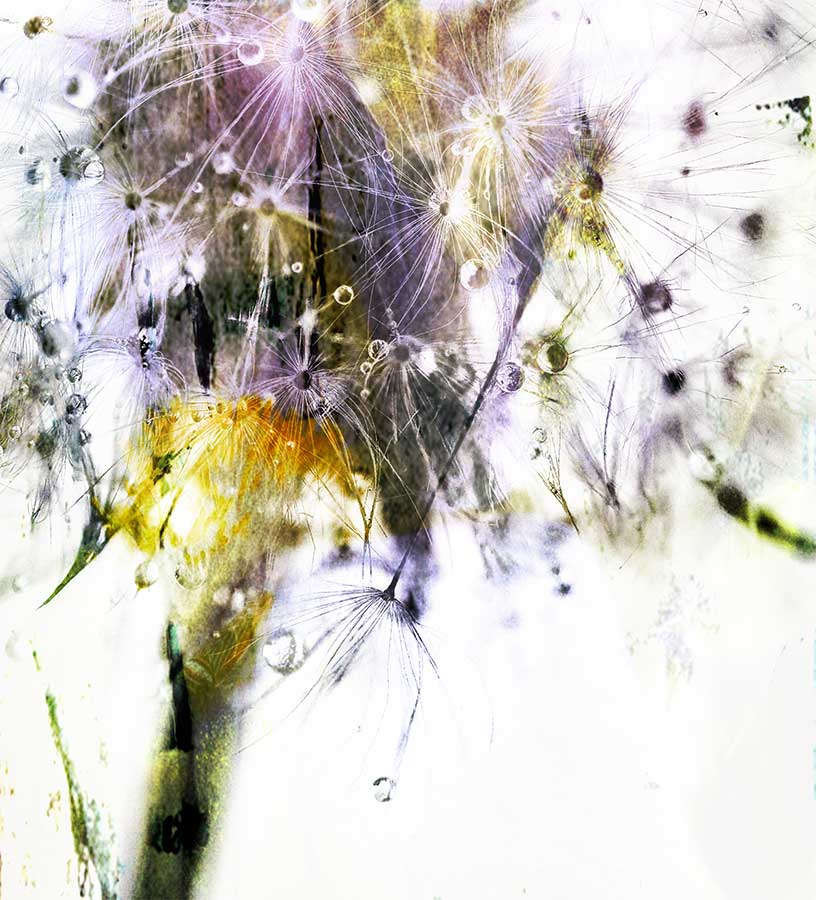
Ritva Sillanmaki invites lens-artists photographers to “see beyond the surface” and “focus on the shapes, colors, textures, and patterns of the subject, rather than its literal representation.”
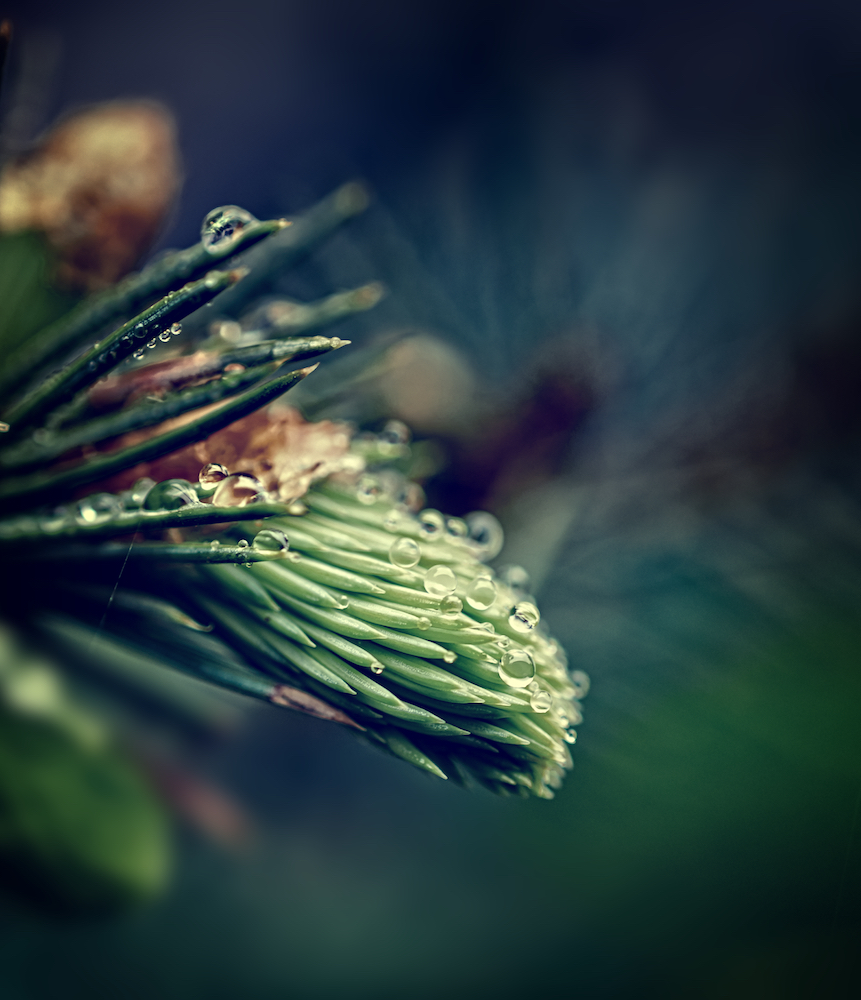
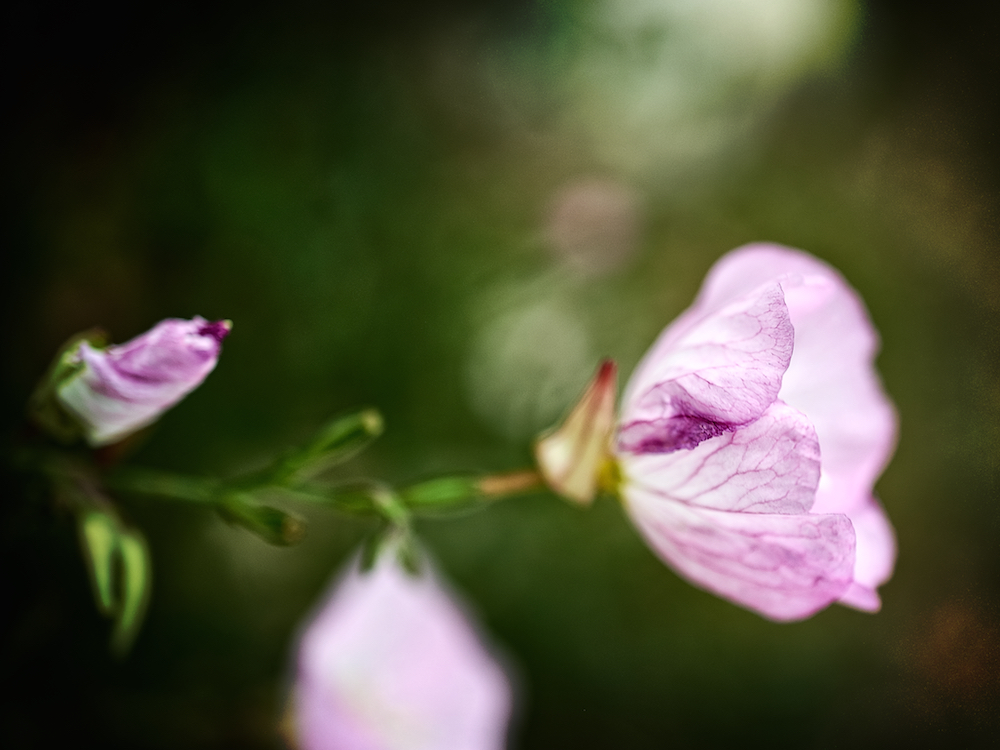
Some of the images below were created through the use of double exposure, shutter speed, focus, light and shadow, and gift of nature’s beauty.

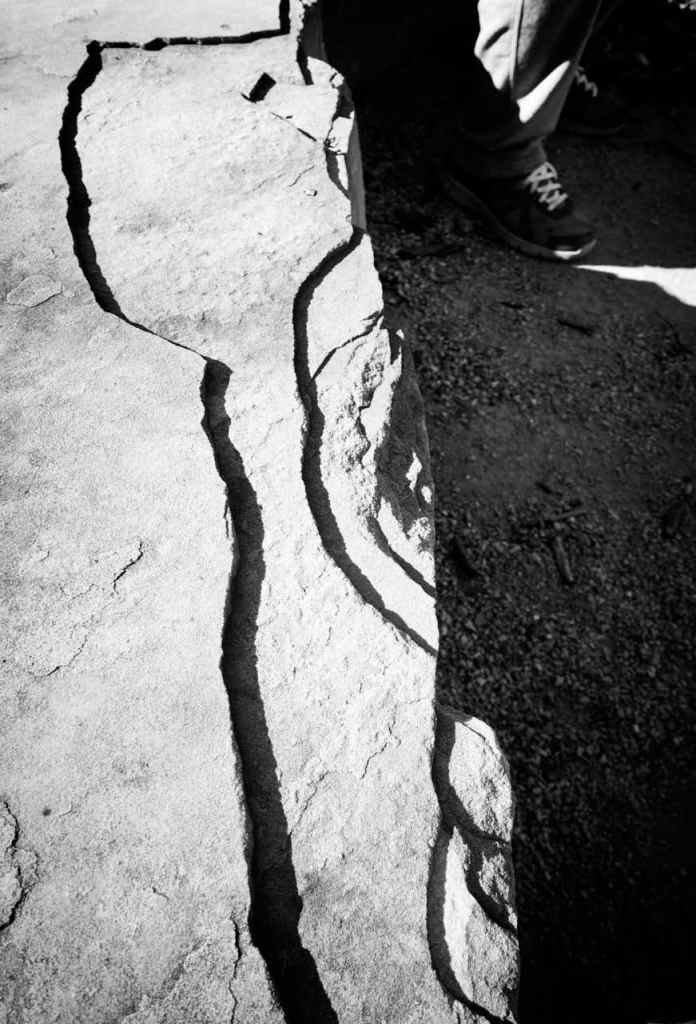
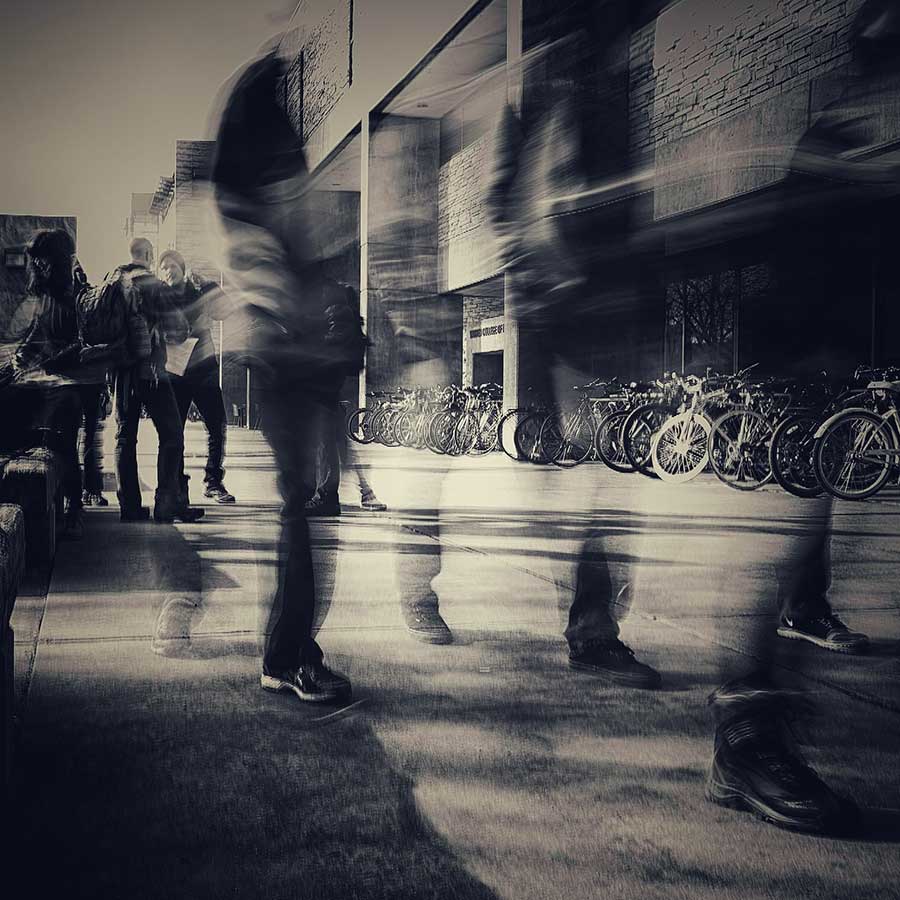
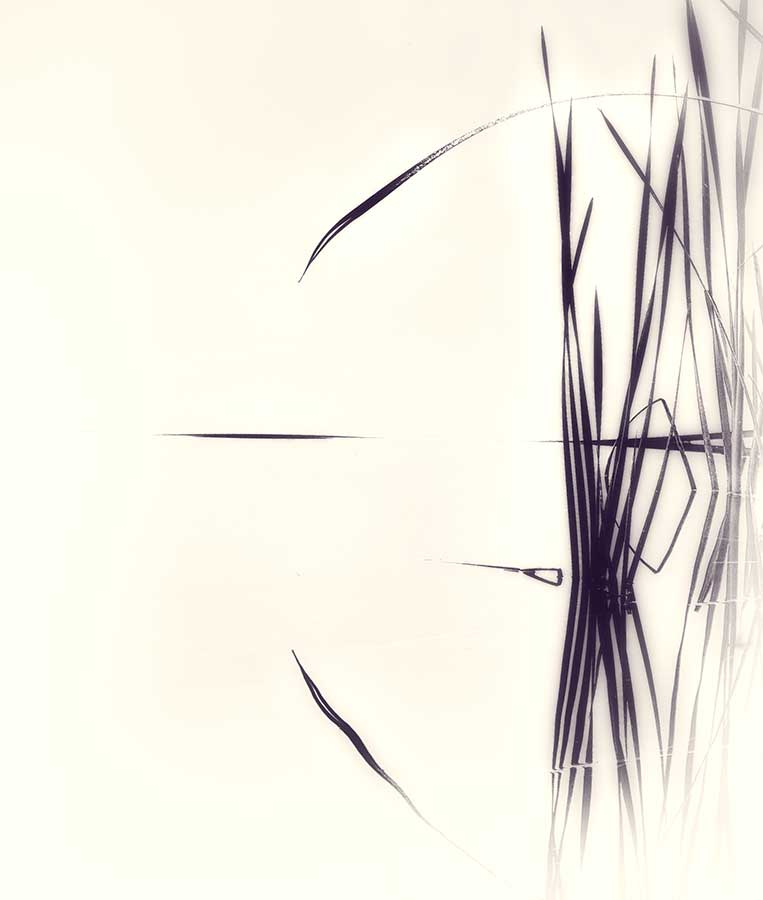


If I say
this or that,
how ordinary grief becomes –
broken cries are the words
that sorrow’s voice demands
~Izumi Shikibu*
*cited:
The Ink Dark Moon
Trans: J Hirshfield & M Aratani
How peaceful is
Every single dawn;
I gaze out, yet
Still in the depths of night
I dream…a grief, indeed.
~Princess Shokushi*
A cairn is a human-made pile (or stack) of stones raised for a purpose, usually as a marker or as a burial mound. The word cairn comes from the Scottish Gaelic: càrn [ˈkʰaːrˠn̪ˠ] (plural càirn [ˈkʰaːrˠɲ]).
Cairns have been and are used for a broad variety of purposes. In prehistory, they were raised as markers, as memorials and as burial monuments (some of which contained chambers). In the modern era, cairns are often raised as landmarks, especially to mark the summits of mountains. Cairns are also used as trail markers. They vary in size from small stone markers to entire artificial hills, and in complexity from loose conical rock piles to elaborate megalithic structures. Cairns may be painted or otherwise decorated, whether for increased visibility or for religious reasons.
A variant is the inuksuk (plural inuksuit), used by the Inuit and other peoples of the Arctic region of North America.*
*cited: Wikipedia
Video of Erin building a cairn submitted in response to Donna @ WindKisses’ lens-artists challenge: rock your world
“The sight of the leaves ever reminds me strangely of my own sadness. I cannot go within, but lie on the veranda; mayhap my end is not far off. I feel a vague anger that others are in comfortable sleep and cannot sympathize with me. Just now I hear the faint cry of a wild goose.* Others will not be touched by it, but I cannot endure the sound.
How many nights, alas!-
Sleepless-
Only the calls of the wild geese-
~The Diary of Izumi Shikibu (cited: Diaries of Court Ladies of Old Japan)

*Footnote within the Diary of Court Ladies of Old Japan notes that the “wild geese visit Japan in Autumn and fly away northwards in the early spring. They are never alone, and their cries calling to each other make the solitary woman feel loneliness more keenly.”
When I look up at
The wide-stretched plain of heaven,
Is the moon the same
That rose on Mount Mikasa
In the land of Kasuga? ~Abe-no Nakamaro*
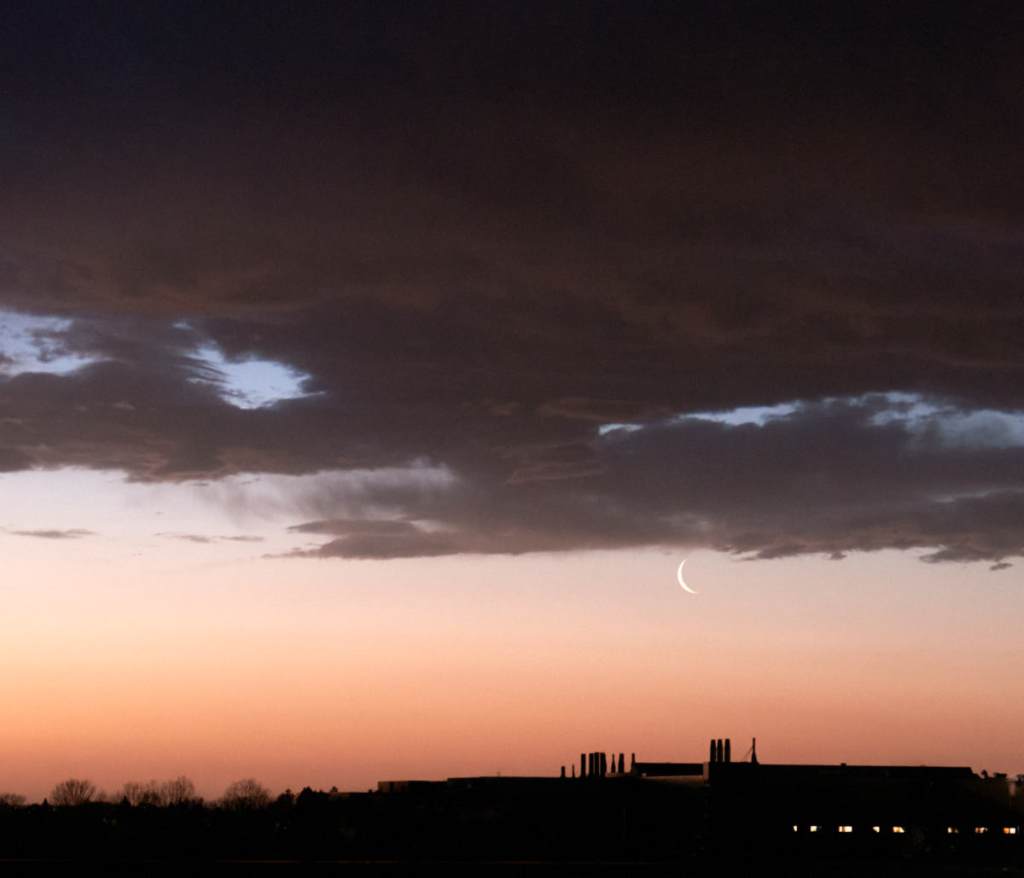
Leica V-Lux 5 … f/4 1/10s 32.65mm
* Trans: Clay MacCauley, Single Songs of a Hundred Poets
Every life is a point of view directed upon the universe. Strictly speaking, what one life sees no other can. Every individual, . . . is an organ, for which there can be no substitute, constructed for the apprehension of truth . . . Without the development, the perpetual change and the inexhaustible series of adventures which constitute life, the universe, or absolutely valid truth, would remain unknown . . . Reality happens to be like a landscape, possessed of an infinite number of perspectives, all equally veracious and authentic. The sole false perspective is that which claims to be the only one there is. ~José Ortega y Gasset
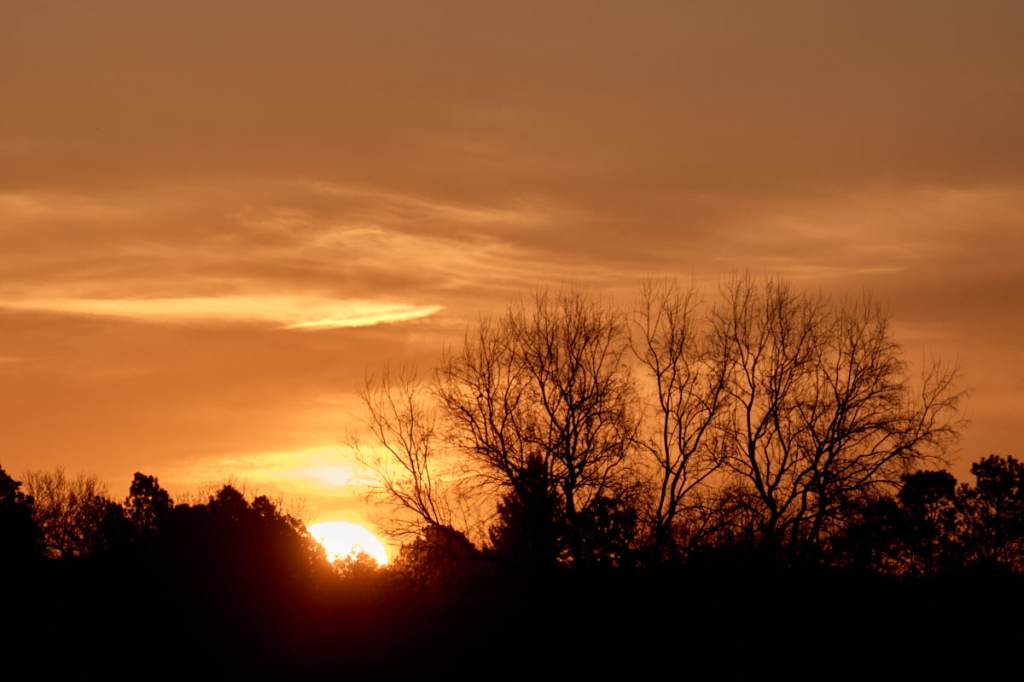

Fujifilm X-T4: f/5 1/2200 s 80 mm 640 ISO
To be human was to be a sentient being who remembers.*

“The third-century classic Jinshu summarized the paradox of memory: ‘Qing you yi sheng, bu yi ze wu qing.’ No words in English can capture the condensed reservations expressed in nine simple characters. The first four summarize ancient psychology: emotion is born out of remembrance. The next five advise the wise to stem this process of arousal altogether: where there is no remembrance, emotion will dissolve as well. The point, simply put, is that distress causes memory. To be sure, it is human to have feelings, but this can be curbed by a willful quieting of the emotional upheaval caused by remembrance.
“Simcha, the Hebrew word for ‘joy,’ has as its root macha, meaning ‘to remove’ or ‘wipe away.’ To be joyful, in this sense, is to be free of the tearful weight of the past.
“In the end, however, neither Chinese or Jewish rememberers settled for the peace of a memoryless world.
“The opposite of quietude can be found in the story of Lot’s wife… Here, a woman who refuses to walk away from history is turned into salt–a concrete symbol of endless weeping. Lot’s wife captures the need to remain connected to the past and dares to stand still when the known world is about to crumble. Although some might argue that Lot’s wife looked back with nostalgic regret for past pleasures, Anna Akhmatova, in the poem, ‘Lot’s Wife,’ suggest she did so out of her refusal to become deaf to the grief embedded in the past.”*
*Vera Schwarcz, Bridge Across Broken Time
The remarkable thing about deja vu, or other vivid experiences of recollection,
is that they are vested with significances that we cannot put into words.

At an earlier time, whatever happened might have seemed important, or might not.
But the recollection is charged with relevance, and tears flow for no reason.
Robert Aitken, A Zen Wave
 a meditative journey
You must be logged in to post a comment.