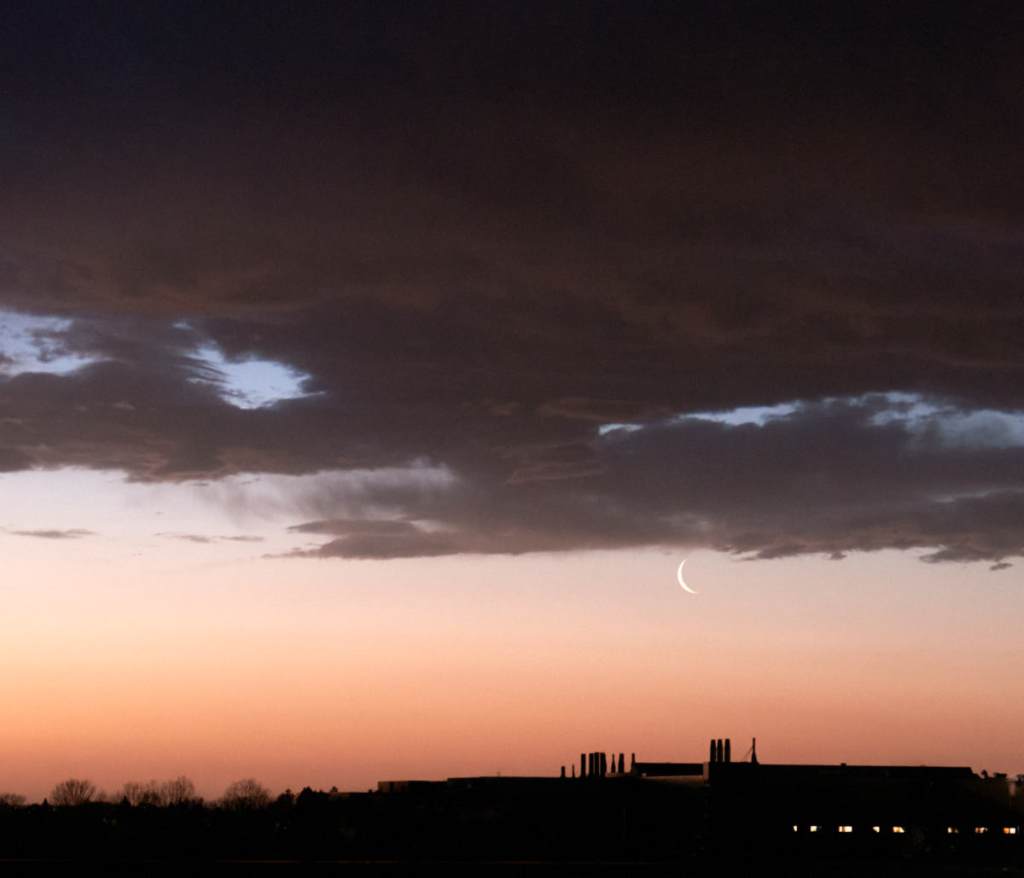
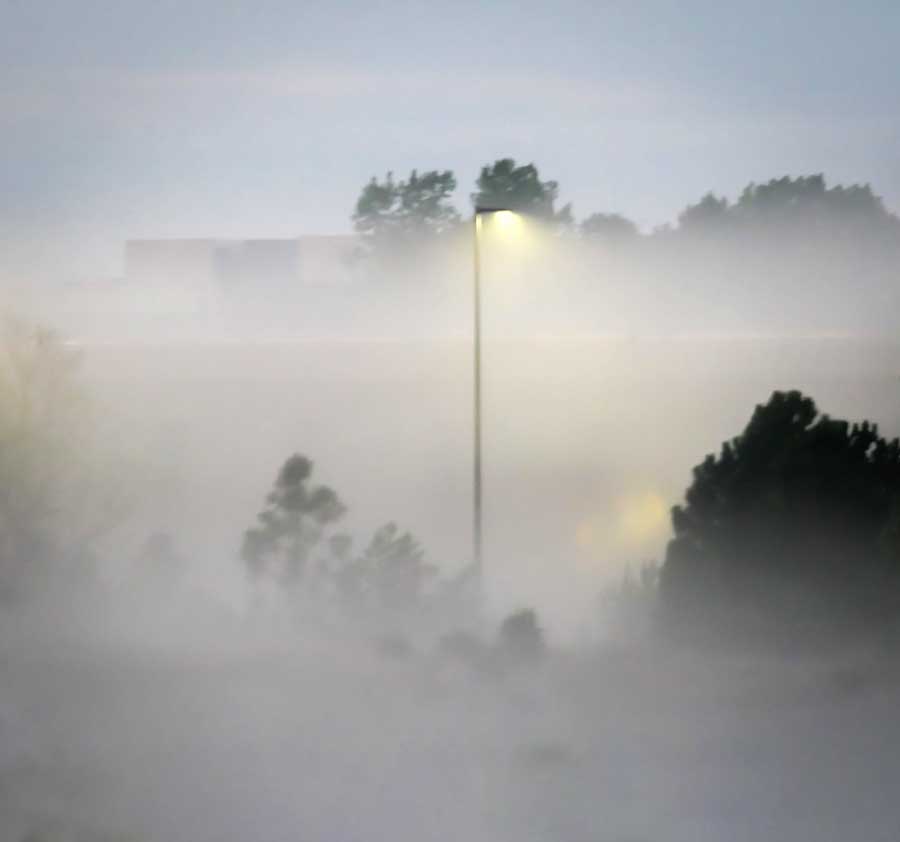
Fujifilm X-T4: f/5 1/2200 s 80 mm 640 ISO

Fujifilm X-T4: f/5 1/2200 s 80 mm 640 ISO
To be human was to be a sentient being who remembers.*

“The third-century classic Jinshu summarized the paradox of memory: ‘Qing you yi sheng, bu yi ze wu qing.’ No words in English can capture the condensed reservations expressed in nine simple characters. The first four summarize ancient psychology: emotion is born out of remembrance. The next five advise the wise to stem this process of arousal altogether: where there is no remembrance, emotion will dissolve as well. The point, simply put, is that distress causes memory. To be sure, it is human to have feelings, but this can be curbed by a willful quieting of the emotional upheaval caused by remembrance.
“Simcha, the Hebrew word for ‘joy,’ has as its root macha, meaning ‘to remove’ or ‘wipe away.’ To be joyful, in this sense, is to be free of the tearful weight of the past.
“In the end, however, neither Chinese or Jewish rememberers settled for the peace of a memoryless world.
“The opposite of quietude can be found in the story of Lot’s wife… Here, a woman who refuses to walk away from history is turned into salt–a concrete symbol of endless weeping. Lot’s wife captures the need to remain connected to the past and dares to stand still when the known world is about to crumble. Although some might argue that Lot’s wife looked back with nostalgic regret for past pleasures, Anna Akhmatova, in the poem, ‘Lot’s Wife,’ suggest she did so out of her refusal to become deaf to the grief embedded in the past.”*
*Vera Schwarcz, Bridge Across Broken Time
The remarkable thing about deja vu, or other vivid experiences of recollection,
is that they are vested with significances that we cannot put into words.

At an earlier time, whatever happened might have seemed important, or might not.
But the recollection is charged with relevance, and tears flow for no reason.
Robert Aitken, A Zen Wave
“For remembrance of her I wanted to write about her,”… but I stopped short with the words, “Ink seems to have frozen up, I cannot write any more.” *
How shall I gather memories of my sister?
The stream of letters is congealed.
No comfort may be found in icicles
~The Sarashina Diary (Diaries of Court Ladies of Old Japan)
*The continuous writing of the cursive Japanese characters is often compared to a meandering river. “Ink seems to have frozen up” means that her eyes are dim with tears, and no more she can write continuously and flowingly.

Morning’s light dancing on Spring Creek

The Underpass…reflections of Spring Creek on College Avenue overpass

Meditation…floating leaves on creek at Snowy Range
Images and videos submitted for Water in Motion … lens-artists challenge by Sofia Alves

A song out there… Why, it is a beggar singing! If this old man who never had a silver coin can sing, why must you with rich gold memories sit here and sigh?
~Tu Fu (cited: The Jade Flute: Chinese Poems in Prose, gutenberg.org)
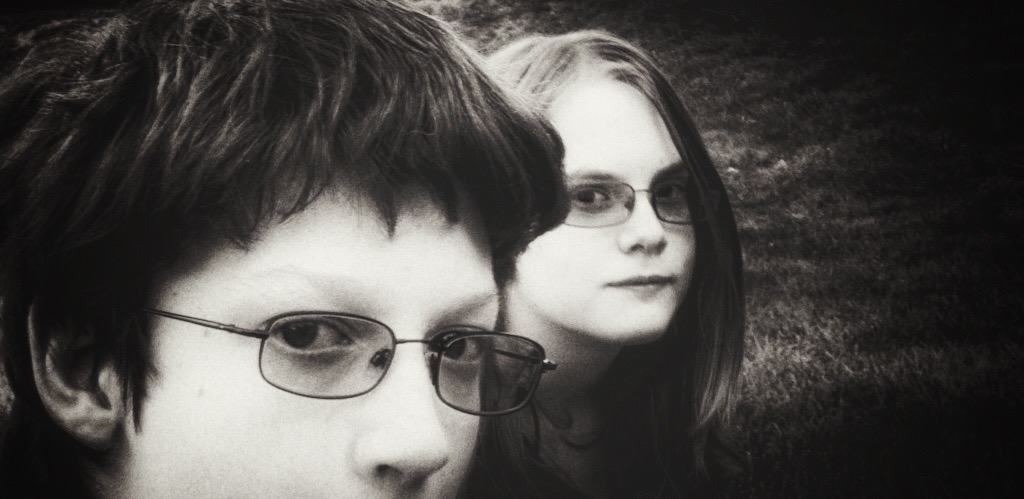
braids, ponytails, bangs
such are the things of the past-
winter’s memories

People … communicating through their silence … speaking through through their nonverbal actions
Issa speaking through time through his poetry:
people are people
I am me…
in my cool house ~Issa*


Travels and Trifles’ lens-artists challenge: people here, there, and everywhere
*cited: http://www.haikuguy.com
O for a friend–that we might see and listen together!
O the beautiful dawn in the mountain village!–
The repeated sound of cuckoos near and far away.~The Sarashina Diary (1009-1059)*

*cited: Trans: A S Omori & K Dot, Diaries of Court Ladies of Old Japan
Leica V-Lux 5: f/4 …. 1/125 s … 146 mm … 640 ISO
saturday morning with Kahlil Gibran
“Then a woman said, Speak to us of Joy and Sorrow.

… Your joy is your sorrow unmasked.
And the selfsame well from which your laughter rises was often times filled with your tears.
… The deeper that sorrow carves into your being, the more joy you can contain.
…Some of you say, “Joy is greater than sorrow,” and others say, “Nay, sorrow is the greater.”
But I say unto you, they are inseparable.
… Verily you are suspended like scales between your sorrow and your joy.
Only when you are empty are you at stand still and balanced.” …*
*cited: Kahlil Gibran, The Prophet, 1973. pp 29-30
Leica V-Lux 5, f/4 … 1/60 s … 32.65 mm … 125 ISO
‘”I anxiously waited for the dawn with uncertain hope.”‘
The temple bell roused me from dreams
And waiting for the starlit dawn
The night, alas! was long as are
One hundred autumn nights.‘ ~ The Sarashina Diary

*cited: Trans: A. S. Omori & K Dot, Diaries of Court Ladies of Old Japan
You must be logged in to post a comment.