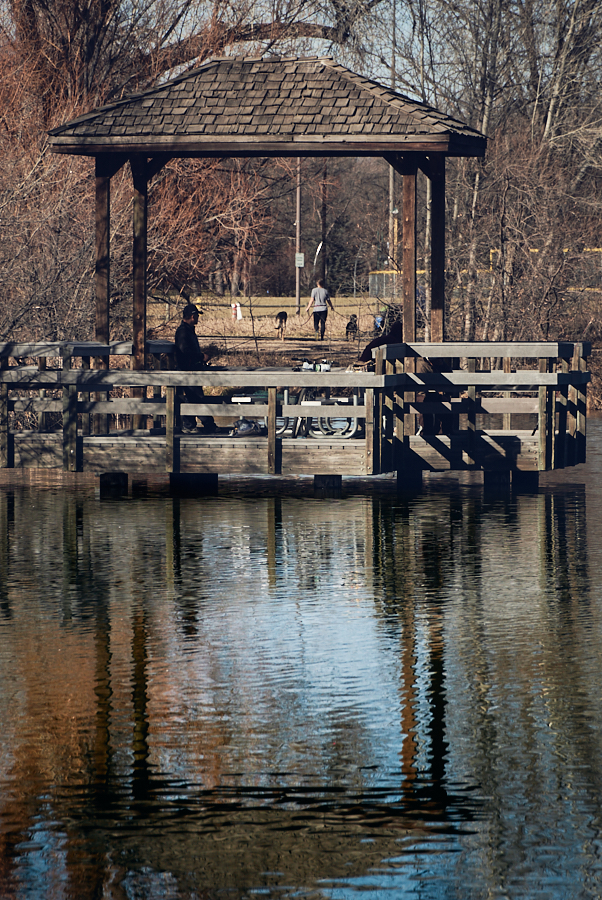
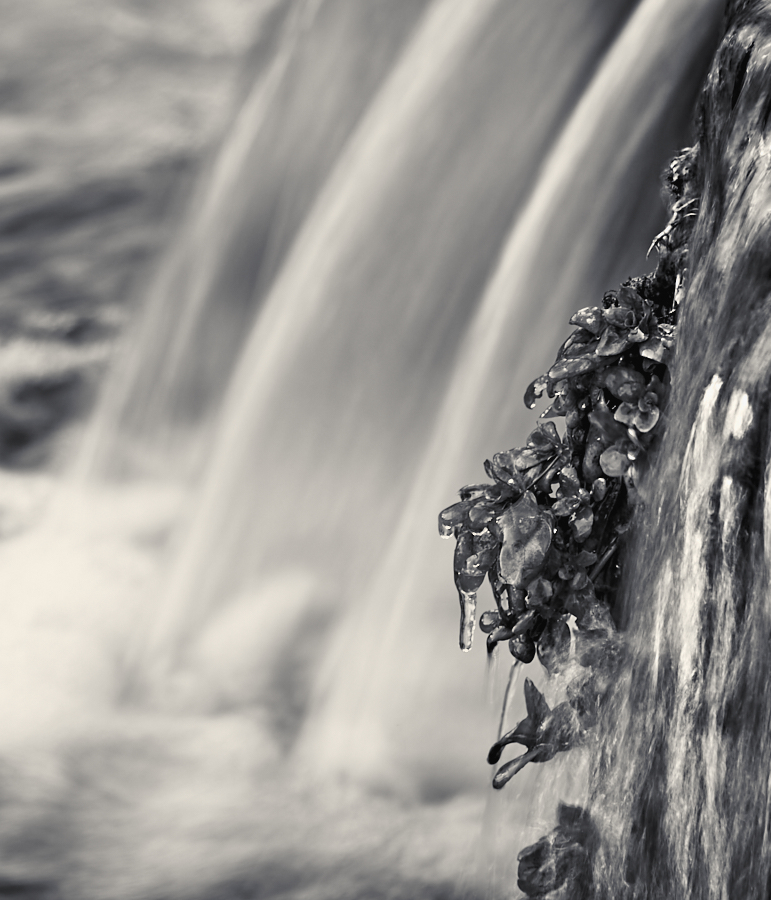
lens-artists photo challenge: inspiration.

With the perspective of personal responsibility to lessen resource and emotional stress upon the medical profession, to protect those I love as well as those unknown to me, and to lessen the burden upon those whose actions ensure continuation of my basic needs, I have chosen to comply with the state’s “Stay-at-Home and Safer at Home” orders.

Six months ago, one well-being behavior was to engage in early morning mediative walks; yet, as the days have flowed into each other there has been a lessening of motivation to engage in any “masked” walks as my attention has been drawn towards managing the anxiety that arises with an awareness that only a few cyclist, walkers, and runners choose to wear masks and it seems as though any attempt to engage in social distancing is a one personal endeavor.

This morning as I pondered how to connect the many sources of inspiration with images, I found that Tina’s (Travels and Trifles) Lens Artist challenge: inspiration inspired me to gather up the courage to pick up my camera and walk…Thank you Tina.
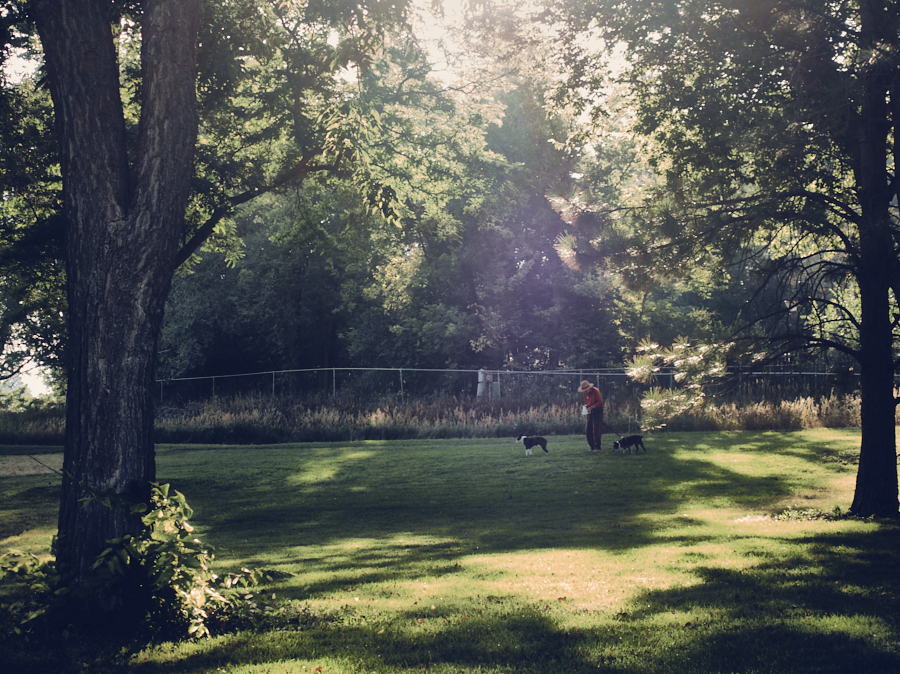
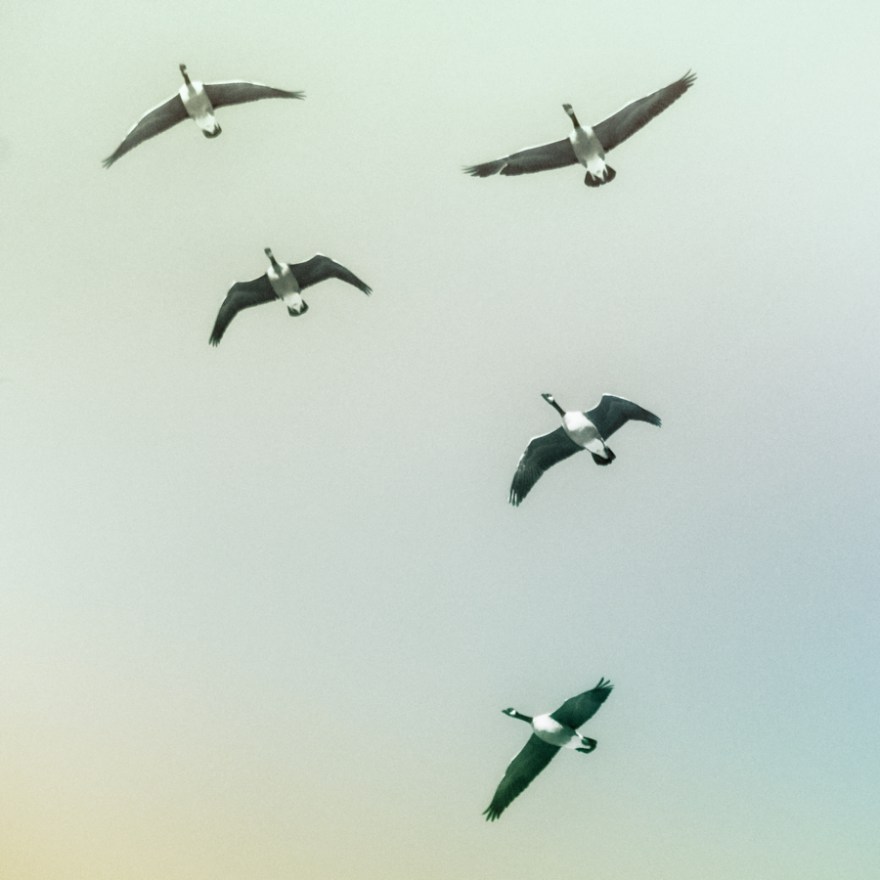
Sony RX1003 f/3.2 1/125s 25.7mm 80 ISO

Over the years, haiku has been an inspiration:

Walking along

My shadow beside me

Watching the moon. ~Sodō

(Jonathan Clements, The Moon in the Pines)

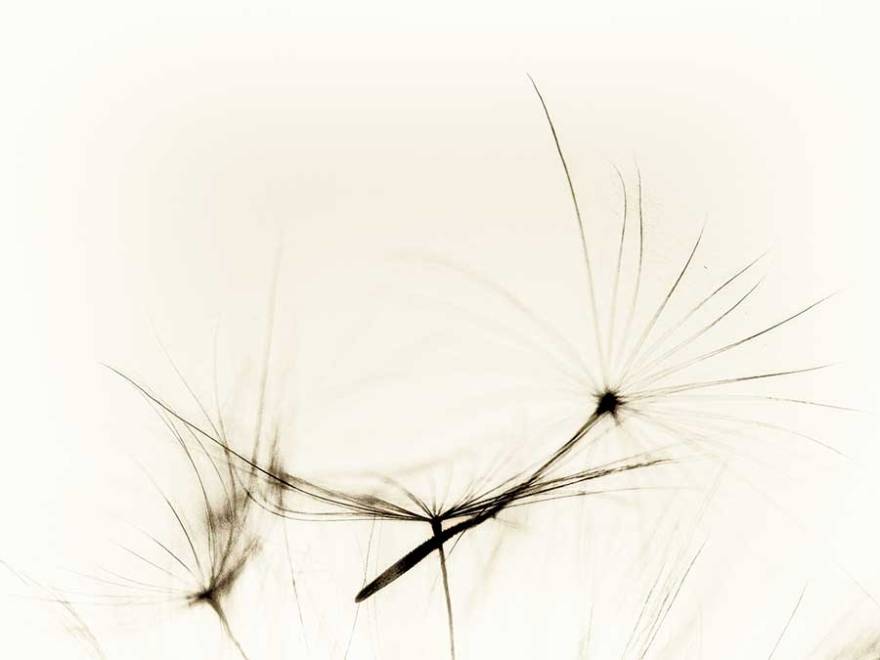
Sony RX1003 f/3.2 1/200s 9.1mm 80 ISO

The words of Thich Nhat Hanh inspire me as I become aware of my in-breath and out-breath and the suffering that may arise from actions, speech, and thoughts.

When conditions are sufficient, a cloud transforms into rain, snow, or hail. The cloud has never been born and will never die. The insight of signlessness and interbeing helps us recognize that all lives continue in different forms. Nothing is created, nothing is destroyed, everything is in transformation ~Thich Nhat Hanh

Leica… f/7.1 1/640s 33.7mm

Nature inspires me to embrace impermanence and eases my anxiety through her amazing beauty.

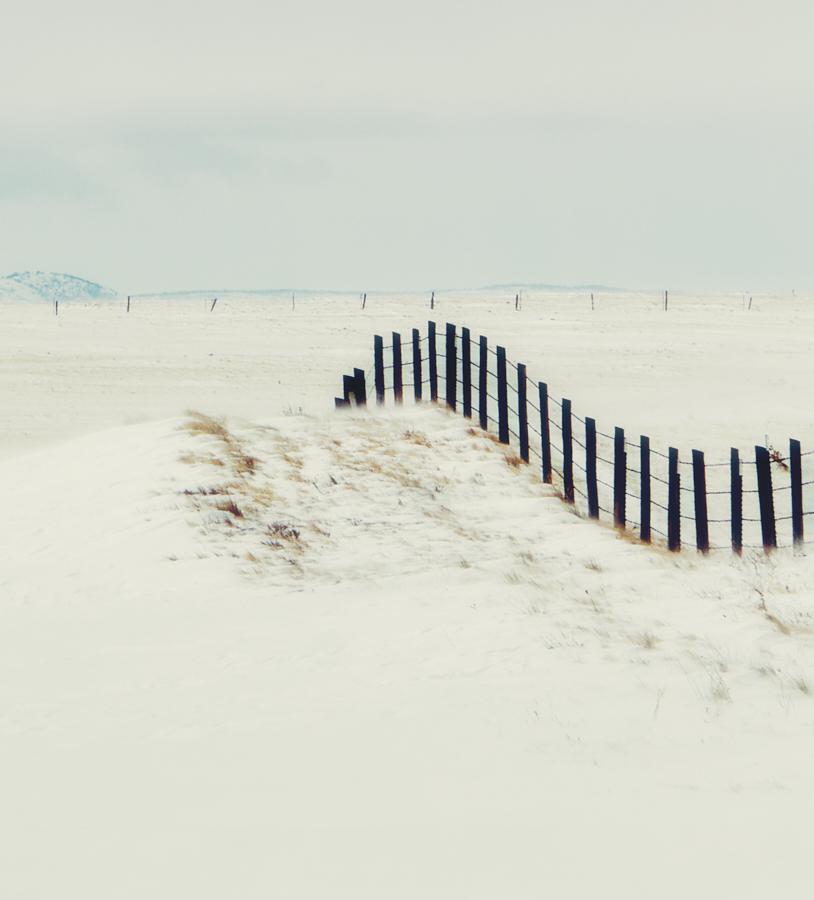
Sony RX1003 f/3.2 1/800s 25.7mm 80 ISO

Photography inspires me to open my eyes to the wondrous gifts life offers within each moment.

Sony RX1003 f/3.2 1/160s 20.2 mm 80 ISO

lens artists photo challenge: negative space

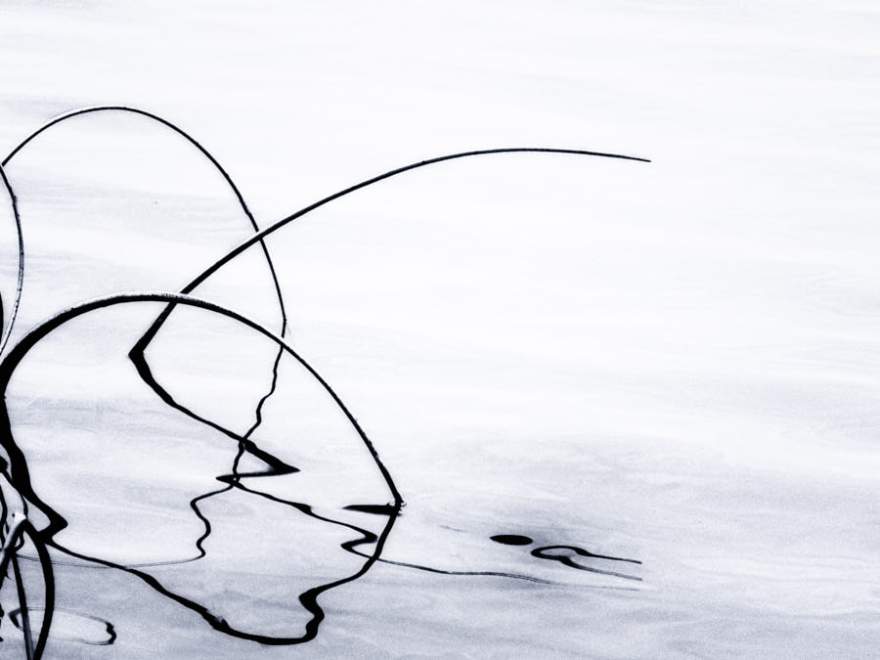
Photography, in a nut shell, is lines, shapes, colors, and feelings

In photography negative space is perhaps the most important element as it embraces the subject within your image — the element of interest — helping it stand out and inviting the viewer’s attention.  It is the aspect within a photograph that generally doesn’t attract much attention.  It is sometimes referred to as white space and has the potential to change what appears to be an average subject into an outstanding image.

The simplest example of positive and negative are the words in this blog.  These words draw your attention while the background doesn’t.  The words are positive space, and the white background is negative space

Negative space awakens feelings of peace, calm, quiet, loneliness, isolation. It is less about the subject within a photograph and more about awakening a feeling in the viewer.

Negative space can create a sense of lightness, airiness…it can strengthen the positive emotions in a photography, emphasize the feelings of your subject, conveying whatever story you as a photographer wishes to evoke in your viewer.

Negative space provides “breathing room” giving the viewer’s eyes a place to rest and preventing an image from appearing too cluttered…creating a more engaging composition.

Negative space, in the world of photography, may be more important especially if the photographer tends towards creating images that are simple; yet effective. Michael Kenna, Bruce Percy, and Masao Yamamoto are three artists known for their minimalistic images.

This week’s lens artists’ host is Amy (The World is a Book). Hop on over and join in the fun.

lines to patterns

In all things, the Way does not want to be obstructed, for if there is obstruction, there is choking; if the choking does not cease, there is disorder, and disorder harms the life of all creatures ~Chuang-Tzu*

linesandshapes (4)

When I chisel a wheel, if the blows of the mallet are too gentle, the chisel slides and won’t take hold. But if they’re too hard, it bites in and won’t budge. Not too gentle, not too hard–you can get it in your hand and feel it in your mind.  You can’t put it into words, and yet, there’s a knack to it somehow. I can’t teach it to my son, and he can’t learn it from me. ~Wheelwright P’ien*

*cited in:

Tao of Photography Seeing Beyond Seeing

Philippe L. Gross & S.I. Shapiro

initially posted on September 21, 2013

thursday’s special – pick a word

Hum…let’s go with:

Estival, relating to or typical of summer

How cool it is!

In summer, beneath trees

as if in flower.

~Takayama Sōzei (cited: SD Carter, Haiku Before Haiku)

The four calendar-based seasons (with their adjectives) are generally recognized: “spring” (“vernal”), “summer” (“estival“), “autumn” (“autumnal”) and “winter” (“hibernal”)

cited: dictionary.cambridge.org

Paula is back! This Thursday’s Pick a Word challenge: estival, cuisine, rift, instructive, span.

peace lily

merging lines with light and shadow

peace lily

the eye that is penetrating sees clearly,

the ear that is penetrating hears clearly,

the nose that is penetrating distinguishes odors,

the mouth that is penetrating distinguishes flavors,

the mind that is penetrating has understanding,

and the understanding that is penetrating has virtue. ~ CHUANG-TZU

initially posted in August, 2012

back to their cuddle

“Why, any one can make up things,” she said. “Have you ever tried?”

She put her hand warningly on Emengarde’s.

“Let us go very quietly to the door,” she whispered, “and then I will open it quite suddenly, perhaps we may catch her.”

She has half laughing, but there was a touch of mysterious hope in her eyes which, fascinated Emengarde, though she had not the remotest idea what it meant, or whom it was she wanted to “catch,” or why she wanted to catch her. Whatsoever she meant, Emengarde was sure it was something delightfully exciting. So, quite thrilled with expectation, she followed her on tiptoe along the passage. They made not the least noise until they reached the door. Then Sara suddenly turned the handle, and threw it wide open. Its opening revealed the room quite neat and quiet, a fire gently burning in the grate, and a wonderful doll sitting in a chair by it, apparently reading a book.

“Oh, she got back to her seat before we could see her?”

Sara exclaimed, “Oh course they always do. They are as quick as lightning.”

Emengarde looked from her to the doll and back again.

“Can she — walk?” she asked breathlessly.

“Yes,” answered Sara. “At least I believe she can. At least I pretend I believe she can. And that makes it seem as if it were true. Have you ever pretended things?”

~Frances Hodgson Burnett, A Little Princess

lens-artists photo challenge: winter

The Plum-blossom is the first of the “hundred flowers” to open. It symbolizes the beginnings of things, and is also one of the “three friends” who do not fear Winter’s cold, the other two being the pine and the bamboo.

cited: Fir-Flower Tablets Poems Translated from the Chinese Trans: Florence Ayscough & Amy Lowell Project Gutenberg

A Winter night, a cold Winter night. To me, the night is unending.

I chant heavily to myself a long time. I sit, sit in the North Hall.

The water in the well is solid with ice. The moon enters the Women’s Apartments.

The flame of the gold lamp is very small, the oil is frozen. It shines on the misery of my weeping. ~Li t’ai-Poa Woman Sings to the Air: “Sitting at Night Fir-Flower”

excerpt: Trans: Florence Ayscough & Amy Lowell Fir-Flower Tablets Poems Translated from the Chinese Project Gutenberg

First snow! I see it young every winter, 
Yet my face grows old 
As Winter comes.
~ The Diary of Izumi Shikibu

cited: Trans: Annie Shepley Omori & Kochi Doi Diaries of Court Ladies of Old Japan

This week’s lens-artists photo challenge – winter – is sponsored by Leya