The month of January is named for Janus, the god of doors, gates, and transitions. Janus represented the middle ground between both concrete and abstract dualities.

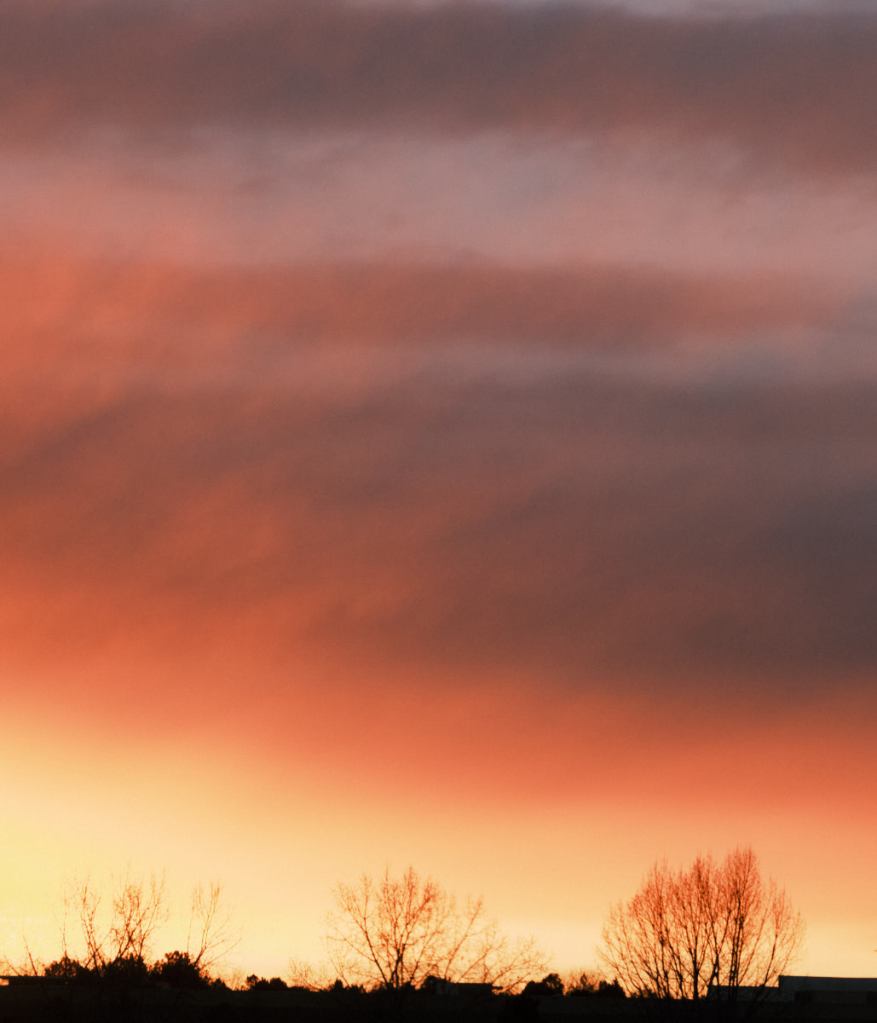

The month of January is named for Janus, the god of doors, gates, and transitions. Janus represented the middle ground between both concrete and abstract dualities.
Leanne (Leanne Cole) invites photographer to share monochrome images that represent the letter T and “everything that starts with it.”
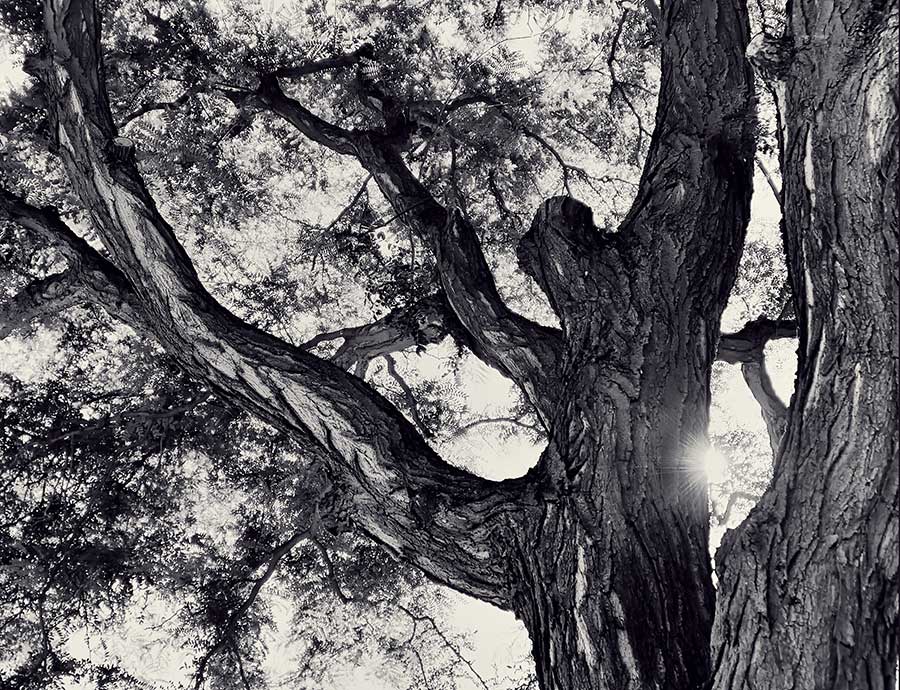
How about sun light peeking through Trees?

Ritva (Ritva Sillanmäki Photography) has invited lens-artist to “… Shoot From Above this week! Let’s get creative with a top-down perspective. Let’s have fun”.
When photographing a subject from above, it is known as a “bird’s-eye view”. This could be taken from up in the sky, such as when flying in a plane, or could simply be taken by standing on a ladder, slightly above your subject. Photographing from this point of view can make viewers feel as though they are superior to the subject – such as a stern father looking down on his misbehaving child – or protective over the subject. If the subject is an inanimate object, it can sometimes make the viewer feel as though there is a separation between them and the subject. (cited: The New York Film Academy)


to yours:
May the dawn’s light fill your home with joy

May each day’s greeting speak of loving-kindness
May each tear be soothed with compassion
May the night blanket your home with equanimity
Throughout the year
All that I waited for:
blossoms, glowing leaves,
then this morning, snow. ~Sanjonishi Sanetaka*
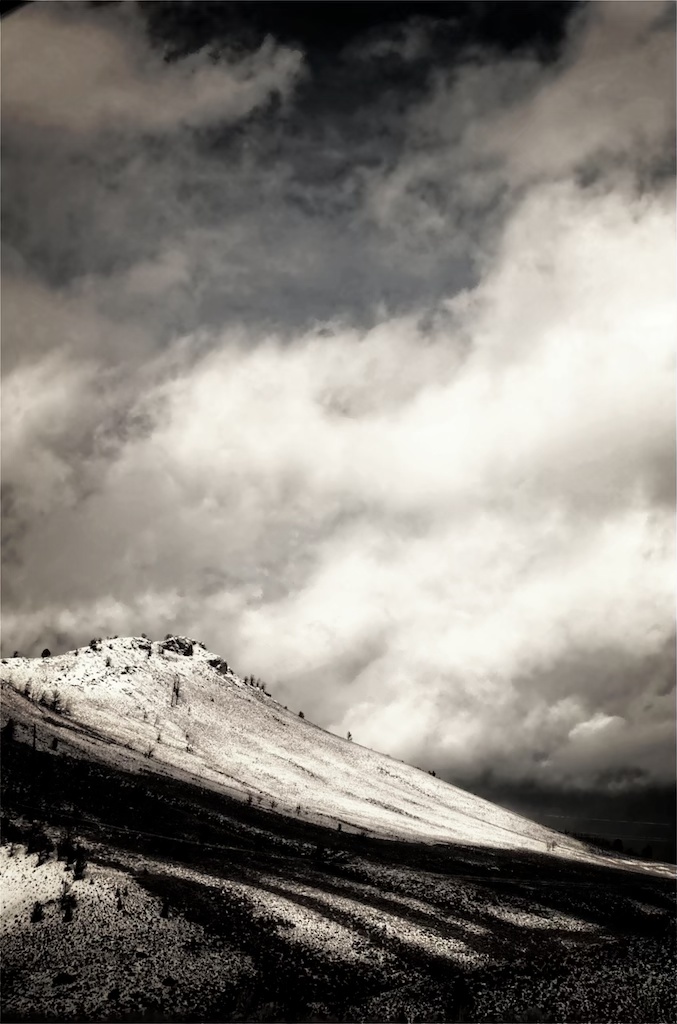
Nikon D50: f/10 1/320s 55mm
*cited: SD Carter, Haiku Before Haiku
John (Johnbo) invites lens-artists photographers to share their images of winter.
In Chinese Medicine, the Five Elements represent the five unique energies that are present in all things throughout nature. These include Metal, Water, Wood, Fire, and Earth. Each element expresses itself differently depending on where it’s found and also manifests in our body organs, emotions, and personalities.
When Qi is moving through our body freely, the Five Elements are said to be in balance, as Qi needs to be moving constantly for optimum health. But imbalances between the Five Elements and their corresponding energetic channels (meridians) can cause the Qi to either stagnate, or become excessive, affecting our wellbeing.*
Everything relies on everything else in the cosmos in order to manifest—whether a star, a cloud, a flower, a tree, or you and me.~Thich Nhat Hanh
metal
If there was no earth there would be no metal. If there was no metal this photograph would not be.

fire
If there was no wood there would be no fire. If there were no fires there would be no prairie, savanna, chaparral and coniferous forests.

wood
If there was no earth there would be no wood. If there was no wood there would be no carpenters.
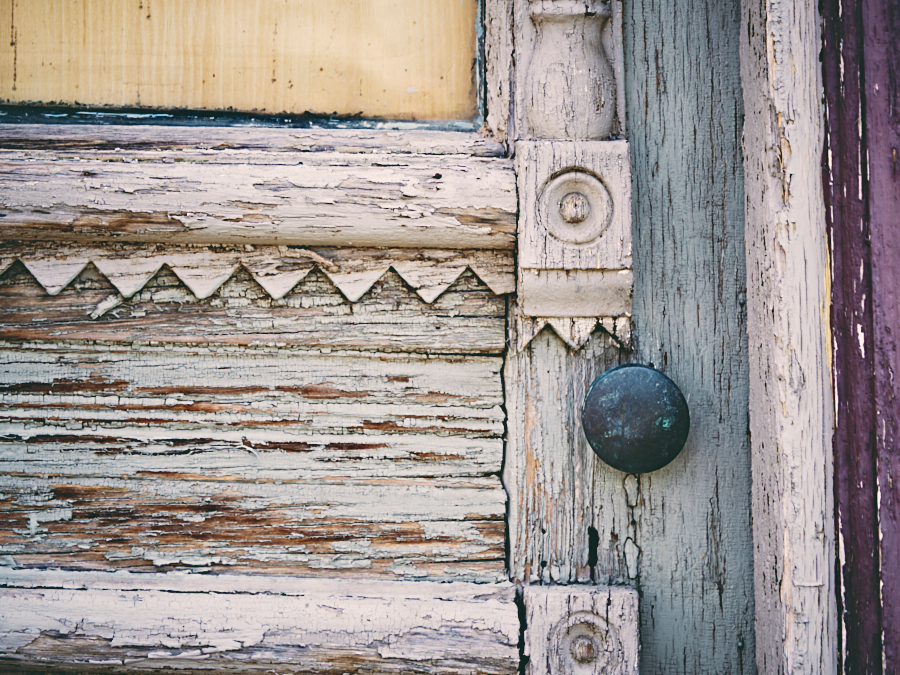
water
If there were no hydrogen atoms and oxygen atoms there would be no water. If there was no water there would be no fish.

earth
Without the Milky Way there would be on earth. Without our earth there would be no us.
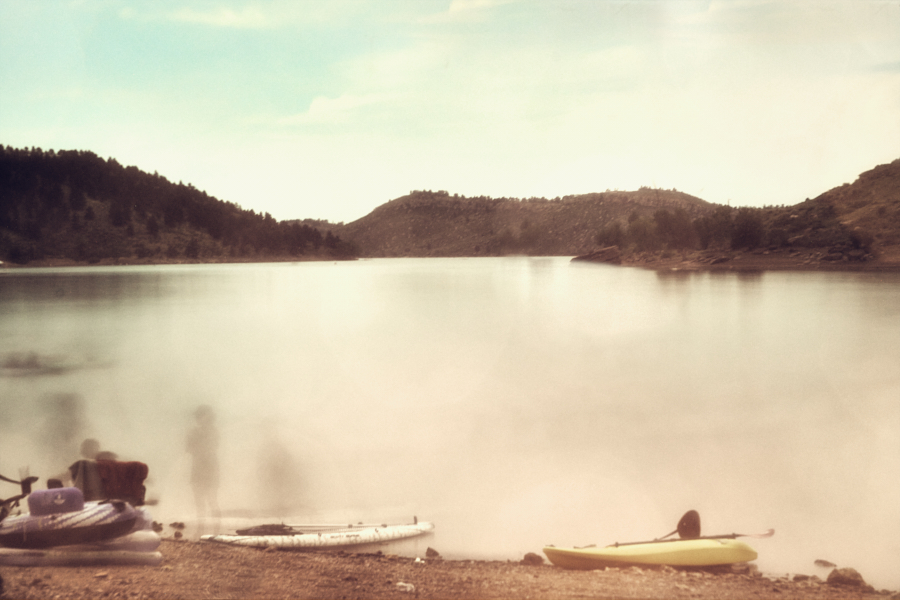
This week Sofia (photographs) invites photographers to focus on one of the elements…and to try to get as many in one photo as possible…
*cited: poweryogaaco.com
Pianos About Town is a community collaborative effort that brings art and spontaneous music to a community. Donated pianos are transformed into whimsical painted pieces of art which are then placed in various outdoor locations about town…this form of interactive public art invites the creation of music as well as opportunities for photographers.

Pyrenees to Pennines invites photographers to join Leanne’s Monochrome Madness challenge with our own musical offerings.
First blogged – August 18, 2015

An authentic smile … arouses an authentic feeling of freshness, and I think the smile belongs only to human beings.~ Dalai Lama
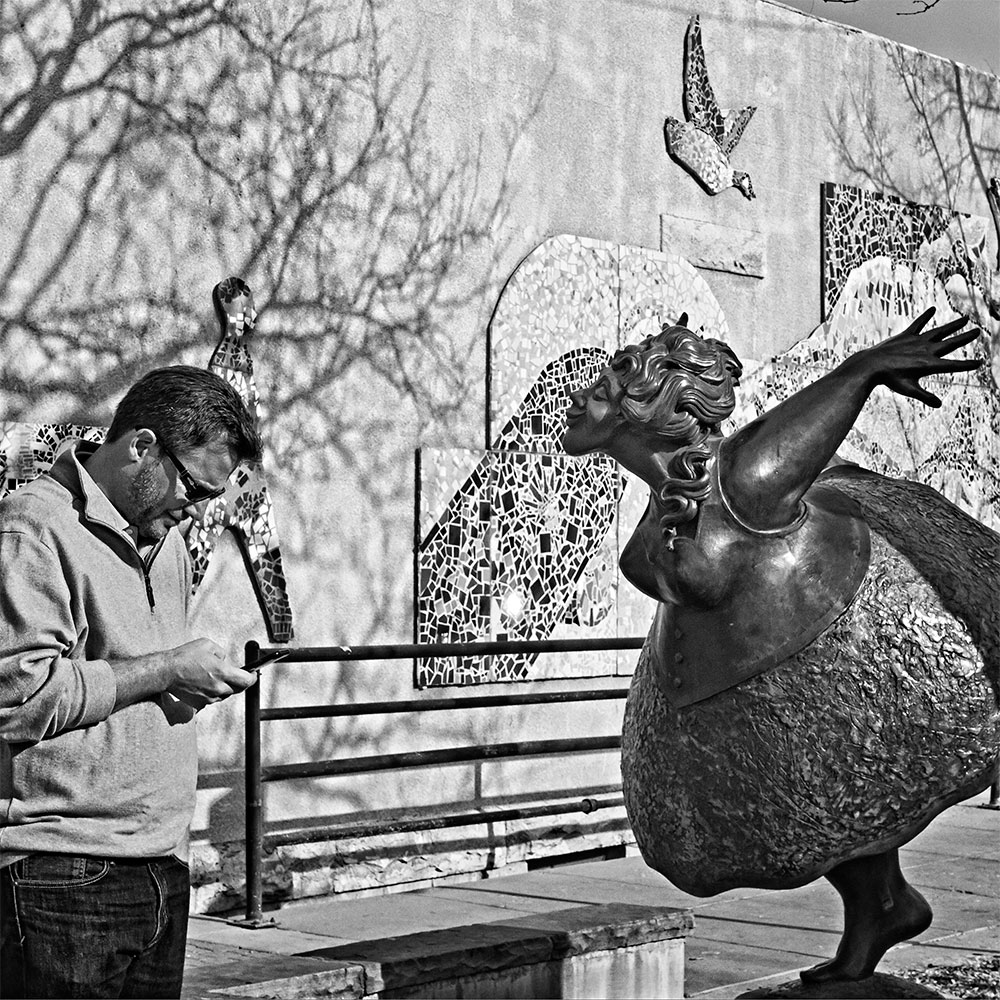
If we want those smiles, we must create the reasons that make them appear. ~ Dalai Lama

I love smiles, and my wish is to see more smiles, real smiles …~ Dalai Lama
Leya has invited bloggers to “share something that made us smile, made You smile – and make the world smile with us! Old or new smiles, big or small, we welcome them all!”
A smile awakens a smile. A frown returns a frown.
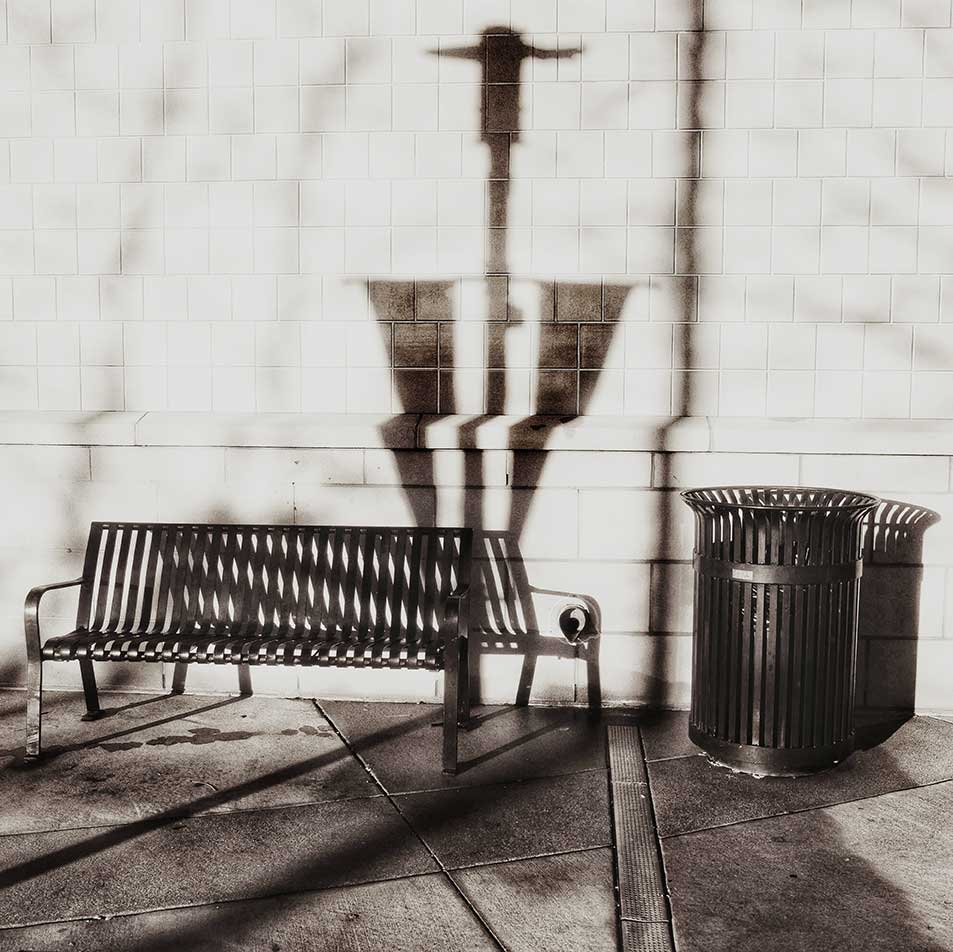
One Red Spot
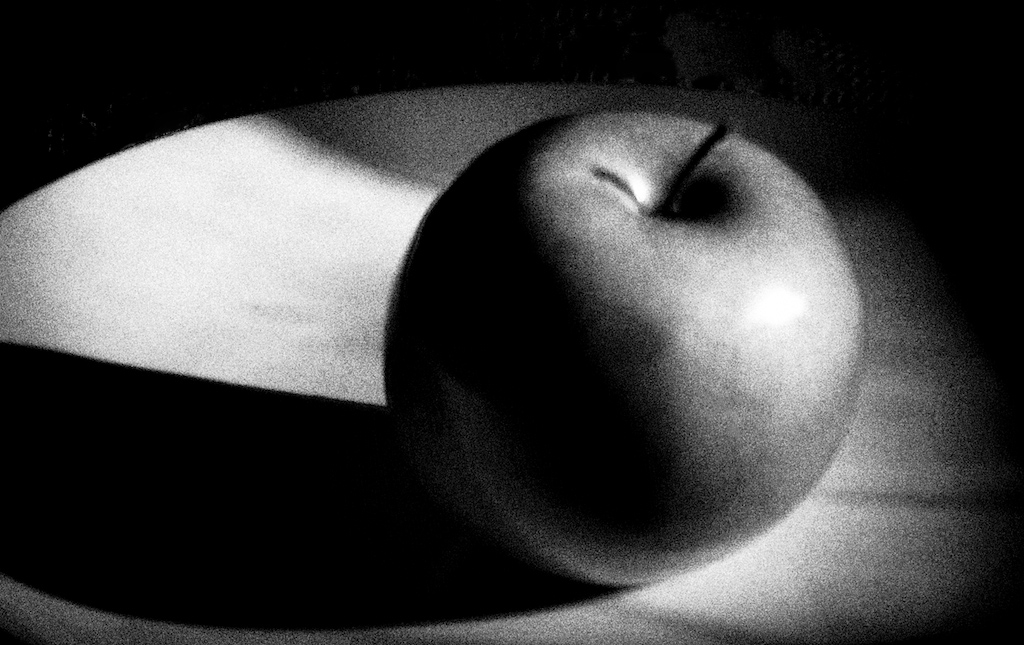
Within today’s Ted Forbes newsletter he introduces a Japanese aesthetic concept: Koh-ltten, which loosely translates to “one red spot.”
One of the techniques Ted’s dad used to balance his landscape composition is to place a dot of color into a negative space. He wrote that it’s almost like a small light, a point of visual interest.

The “red spot” works as a balancing contrast in two ways: color and scale. Its presence is unexpected, but it often functions to anchor the composition. It can be subtle, only noticeable when you’re really analyzing the work. It doesn’t have to be red, and it not restrained to a”dot” or “spot.” The overarching idea is to provide the viewer with a visual anchor – it serves as a point of contrast to the rest of the picture.
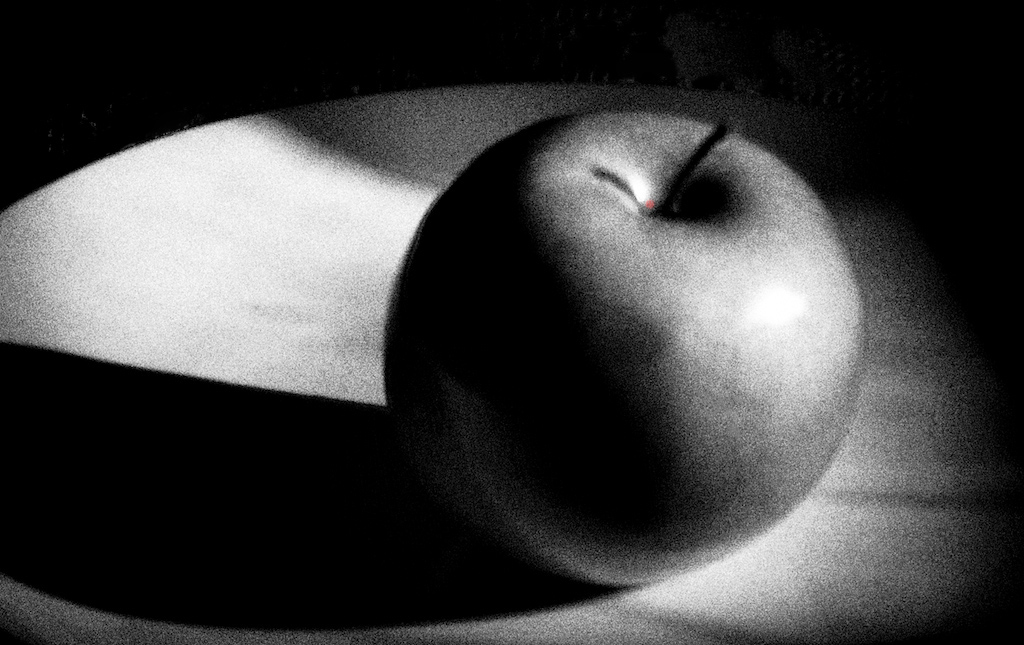
In the Japanese aseptic the emphasis is on subtle contrast, A “spot” a moment, a detail of interest or beauty. It doesn’t stand out too much. Think of it as “quiet.” Beauty is contrast displayed with humility.
In closing, I apologize to Patty (pilotfishblog.com) for taking another pathway to illustrate detail within photographs as I was so engaged with Ted Forbes discussion of the Japanese aesthetic concept: Koh-ltten I had an overwhelming desire to explore and share this quiet detail.
Thank you Ted for your willingness to share your journey and in this sharing teach me so much about photography.
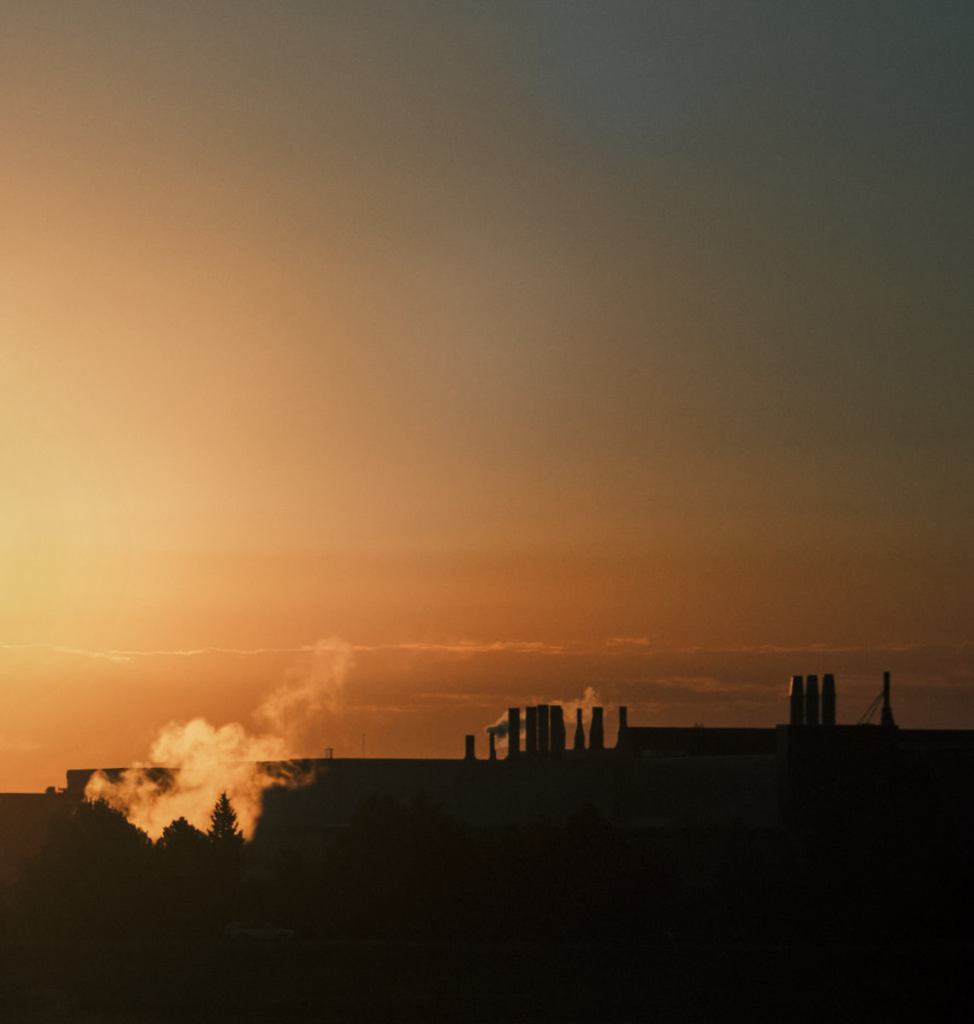
Fujifilm X-T4: f/4.5 1/14000 s 69.8 mm 640 ISO
 a meditative journey
You must be logged in to post a comment.