Who knows why?
But cool somehow is the glow
of fireflies. ~Inawashiro Kansai*

*cited: Steven D Carter, Haiku Before Haiku
Who knows why?
But cool somehow is the glow
of fireflies. ~Inawashiro Kansai*
*cited: Steven D Carter, Haiku Before Haiku
About a year ago, I moved into 55+ apartment … second floor with east facing windows. East facing windows offer moments of awe as the sky transitions from night to dawn.
Most days I feel tied to this apartment since Jeff passed. This sense of being tethered brings to mind the work of Frank Meadow Sutcliffe. With a brief review of his life and a collection of his work within Aperture I read:
Choose one subject, anything will do — your own house, or the house opposite, or the next house — and in place of a tripod, drive a stake into the ground, nail a board on top of this, and make a screw hole in the board for the screw of your camera . . . Photograph your subject at every hour of the day, on fine days, and at intervals on dull days, photograph it after it has been rained on for weeks, and after it has been sun-dried for months. (cited: Frank Meadow Sutcliffe, the Aperture History of Photography Series: Aperture 1979).
While I dreamt of photo trips during those long-hours filled with work and family responsibilities, I find Frank Sutcliffe’s creative work serves to move me toward greater acceptance of being “tethered” during this time of transition with the challenge to open myself to the “transitory effects” of nature that transforms the landscape close to home.
For the second seven squares, there was a personal invitation to explore landscape minimalism with 7 different Fujifilm film simulations offered through the FujiXWeekly app. The first is image was created with the Retro Gold recipe.

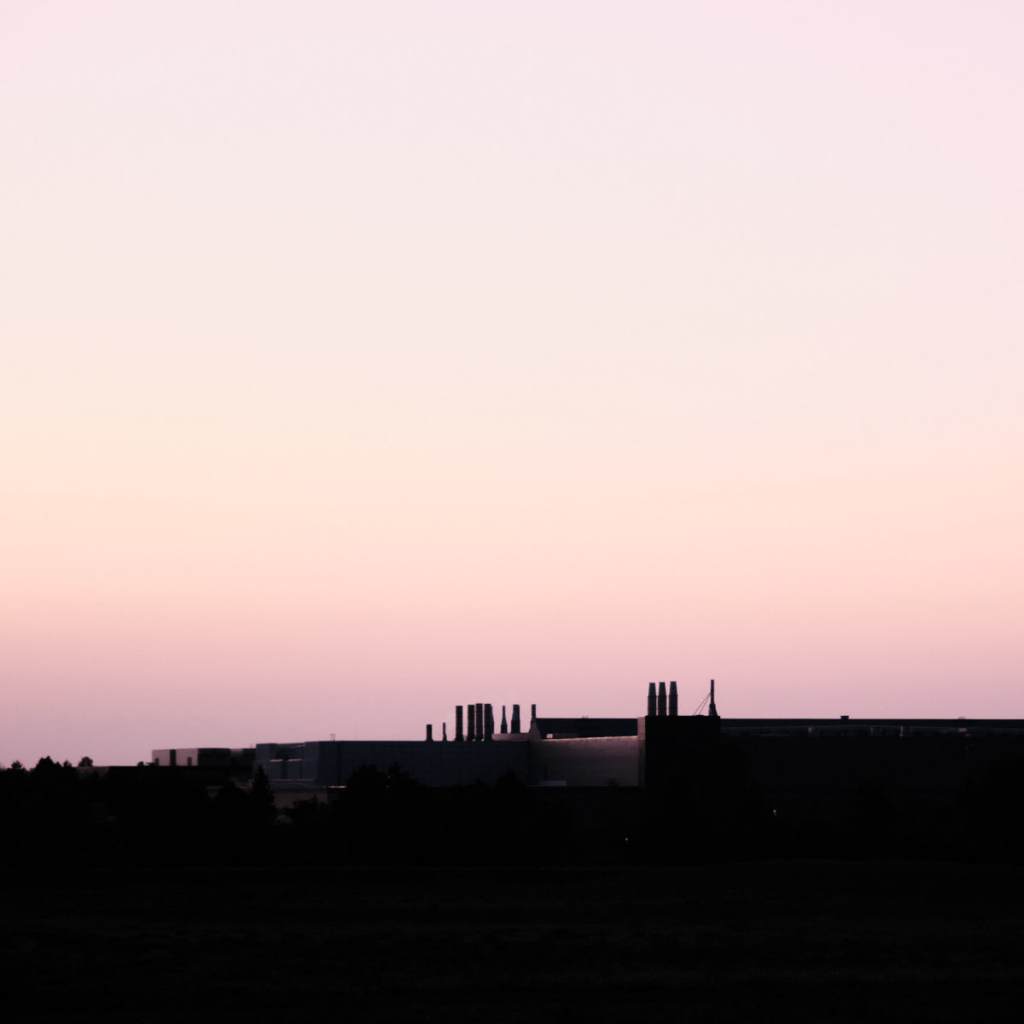


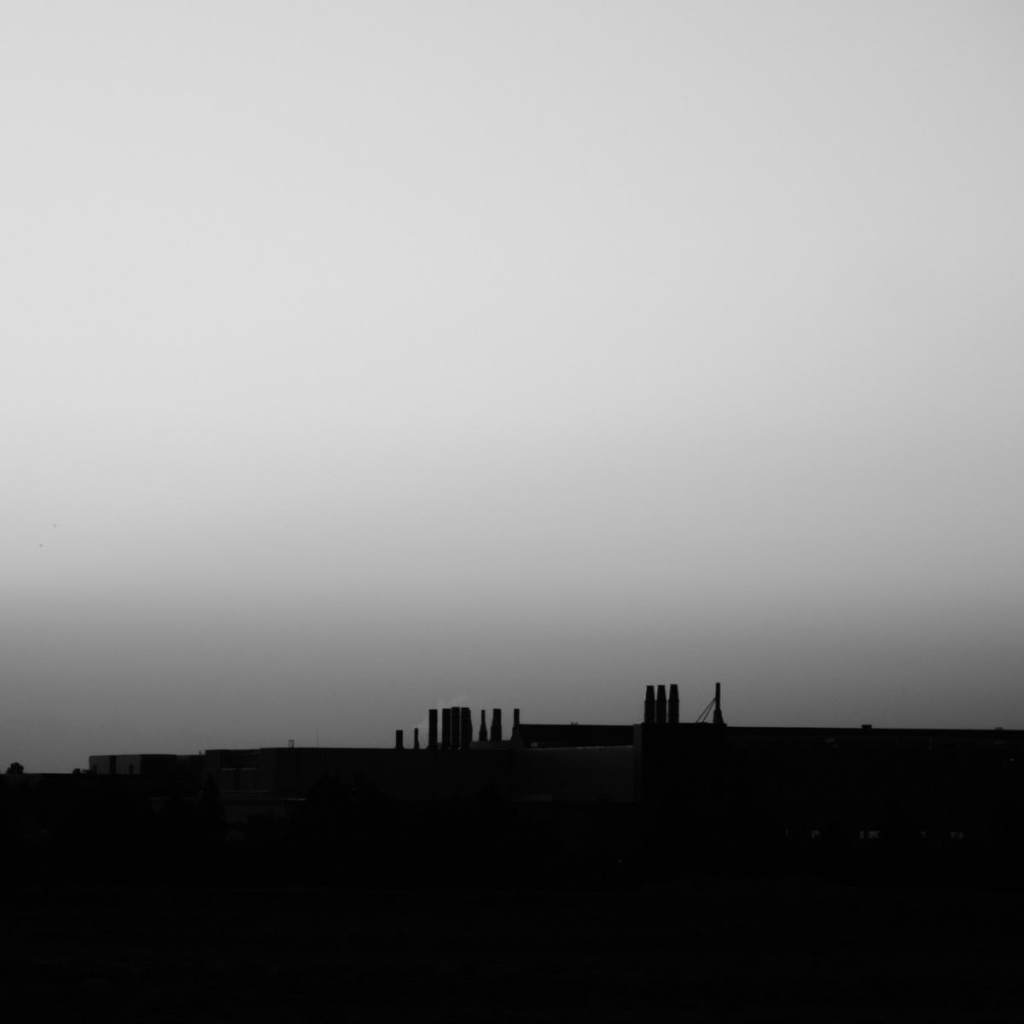
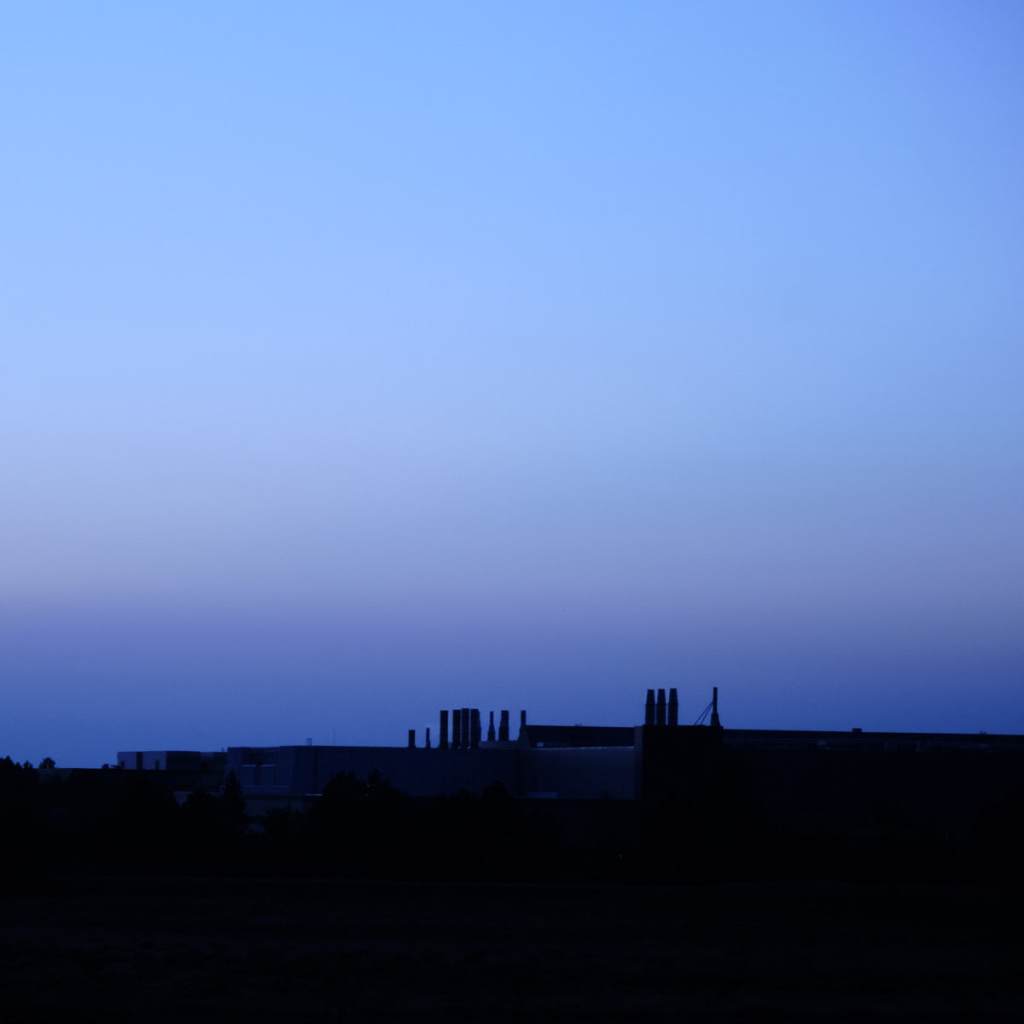
I appreciate The Life of B’s seven squares challenges as they invite me to stretch this emotional tether and open an awareness to the beauty around me. Thank you

Sofia has invited photographers to explore the use of scale with images. She writes that scale is “… something that attracts our eyes more often than we think and intuitively we look for ways to convey the size of what we’re seeing.”
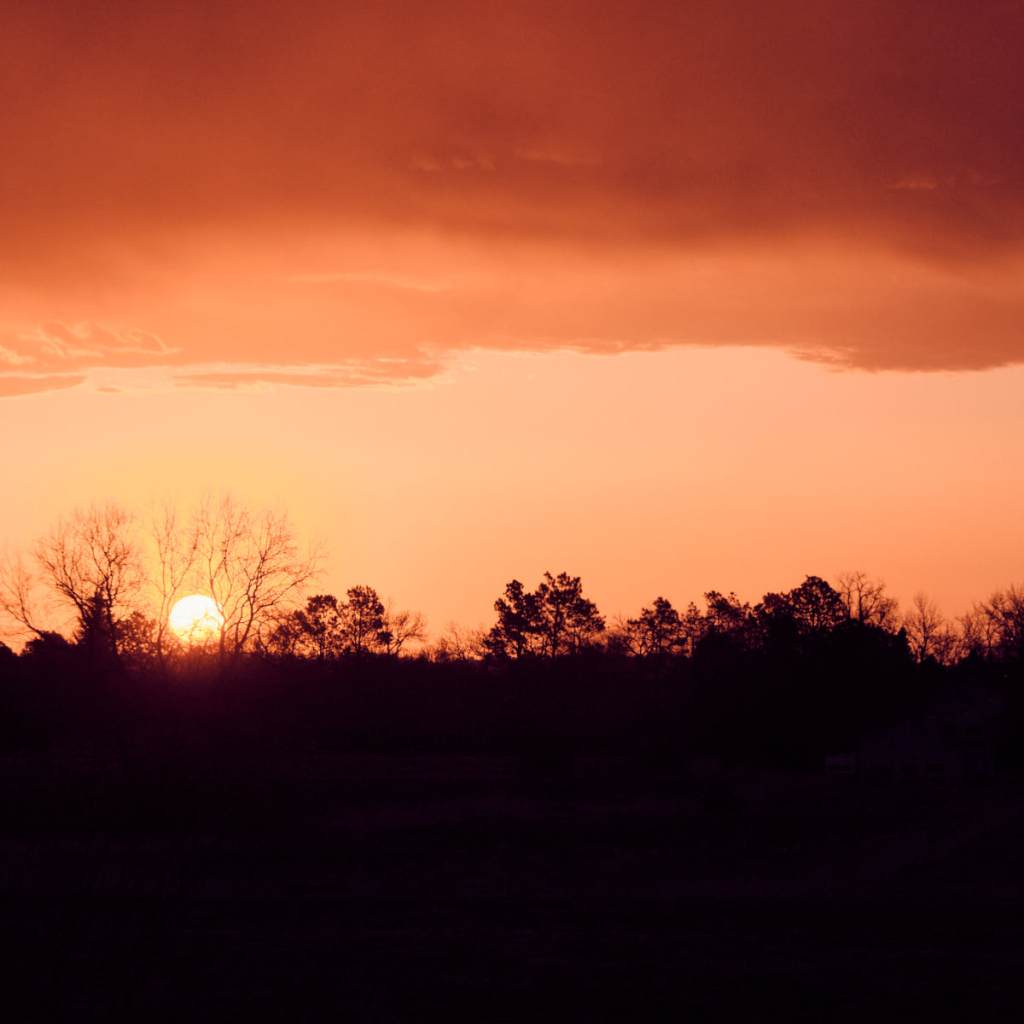
While the sun appears small within the wide expansion of the sky, the sun’s dawn invites an awareness of the expansive nature of the morning’s horizon.

Thank you Sofia for this invitation to explore sense of scale.


A poppy submitted in response to Cee’s cffc challenge: a single flower
O for a friend–that we might see and listen together!
O the beautiful dawn in the mountain village!–
The repeated sound of cuckoos near and far away.~The Sarashina Diary*

*cited: Diaries of Court Ladies of Old Japan
Words written within ancient history seem to be a timeless knitting of souls as they flow through time.

I imagine poets of old listening to how their translated words resonate today and then chuckle at words defining lives unknown. Oh…unheard whisperings of ancients.
“… what if she wrote more from a personal place …?”
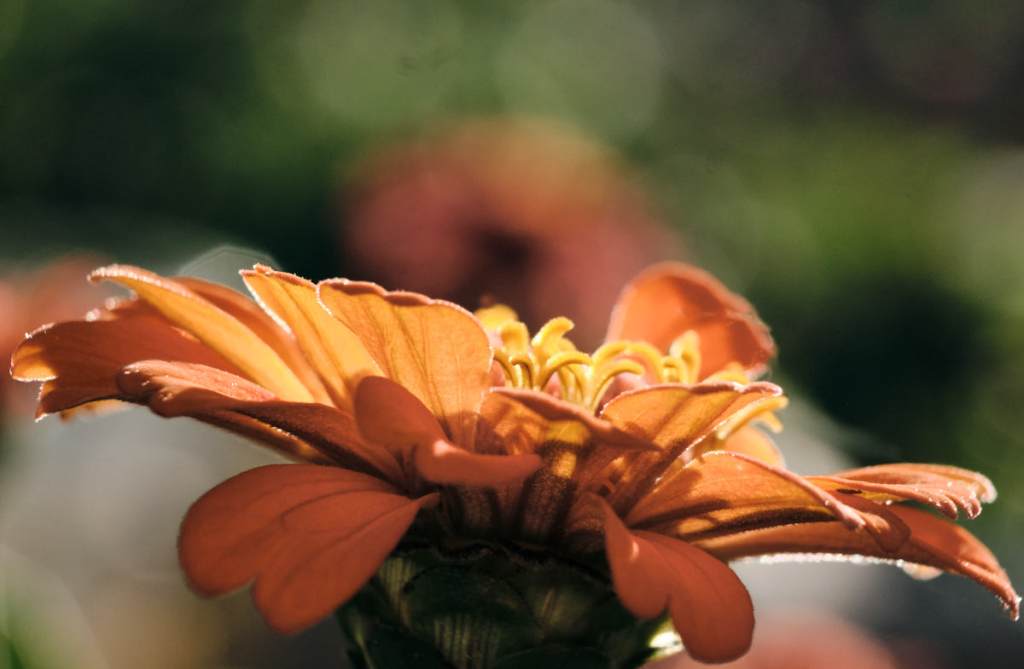
Not from the first person perspective. A self so absorbed – so narrow focused – so stuck in the muddle of feelings, thoughts, self negation. Why not write from a present awareness of self – “breathing in, I am aware of my in breath: breathing out, I am aware of my out breath.
Would she then awaken an observer through the flow of ink – ink creating negative spaces introducing a new awareness of self?
“…once you are Real you can’t become unreal again. It lasts for always”*
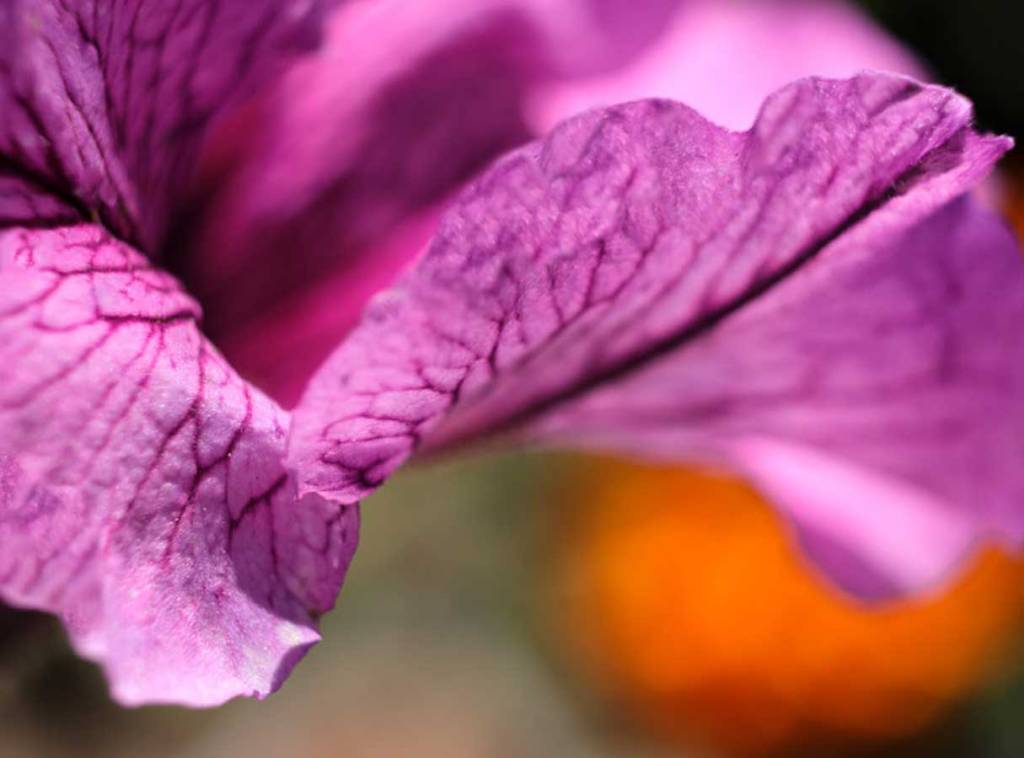
*cited: M. William, The Velveteen Rabbit
Joining Cee’s FOTD challenge for July 7, 2024
Sunday 29, 2019
“continue to be lost in time – past and future and therefore not present in now – or maybe, I don’t known where I am now.”

This week’s lens-artists challenge is offer by Tina who invites us to share images/stories of habitats.
The Oxford Languages defines habitat as 1) the natural home or environment of an animal, plant, or other organism or 2) a person’s usual or preferred surroundings.
I understand the Earth to be the natural home for all the amazing diversity of life; from the Posidonia australis (the largest living organism on Earth: it is spread across 180 whopping square kilometres) to bacteria which are the smallest living organisms on earth (an average of 2 micrometres long and 0.5 micrometres thick).
But then again, the Guinness World Records recognizes the Nanoarchaeum equitans as the smallest living organism. Their habitat is a hydrothermal vent off the coast of Iceland on the Kolbeinsey Ridge by Karl Stetter.
For today, I will share these four examples of my usual or preferred surroundings, (sub-habitats of the earth?)


Thank you Tina.





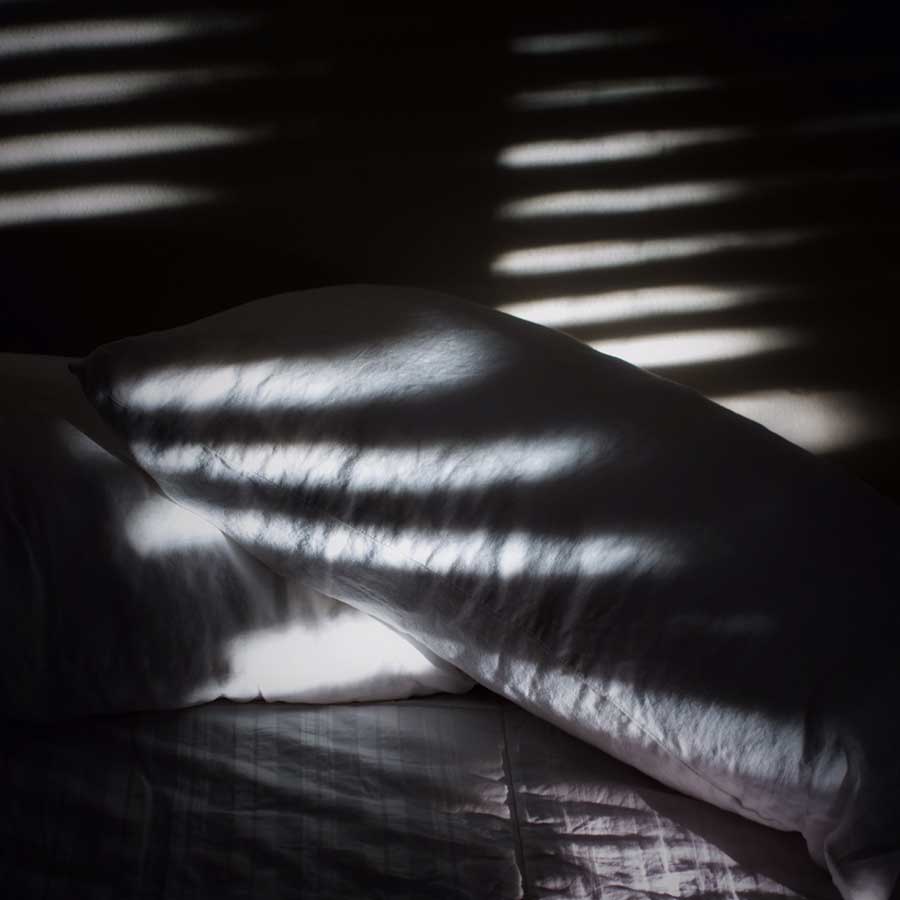
 a meditative journey
You must be logged in to post a comment.