lens-artists: 5 elements

In Chinese Medicine, the Five Elements represent the five unique energies that are present in all things throughout nature. These include Metal, Water, Wood, Fire, and Earth. Each element expresses itself differently depending on where it’s found and also manifests in our body organs, emotions, and personalities.

When Qi is moving through our body freely, the Five Elements are said to be in balance, as Qi needs to be moving constantly for optimum health. But imbalances between the Five Elements and their corresponding energetic channels (meridians) can cause the Qi to either stagnate, or become excessive, affecting our wellbeing.*

Everything relies on everything else in the cosmos in order to manifest—whether a star, a cloud, a flower, a tree, or you and me.~Thich Nhat Hanh

metal

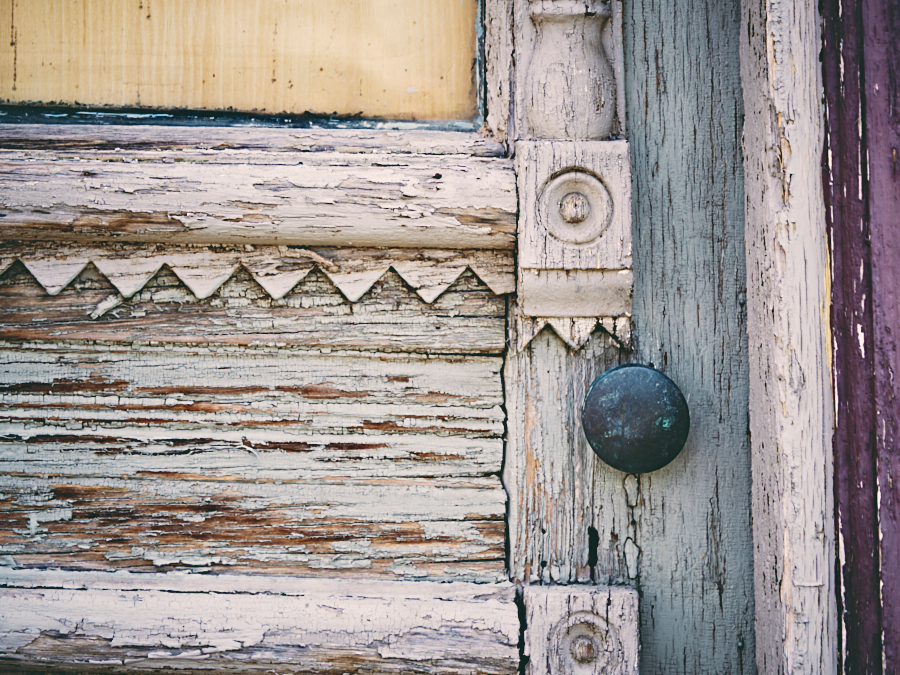
If there was no earth there would be no metal. If there was no metal this photograph would not be.

fire

If there was no wood there would be no fire. If there were no fires there would be no prairie, savanna, chaparral and coniferous forests.

wood

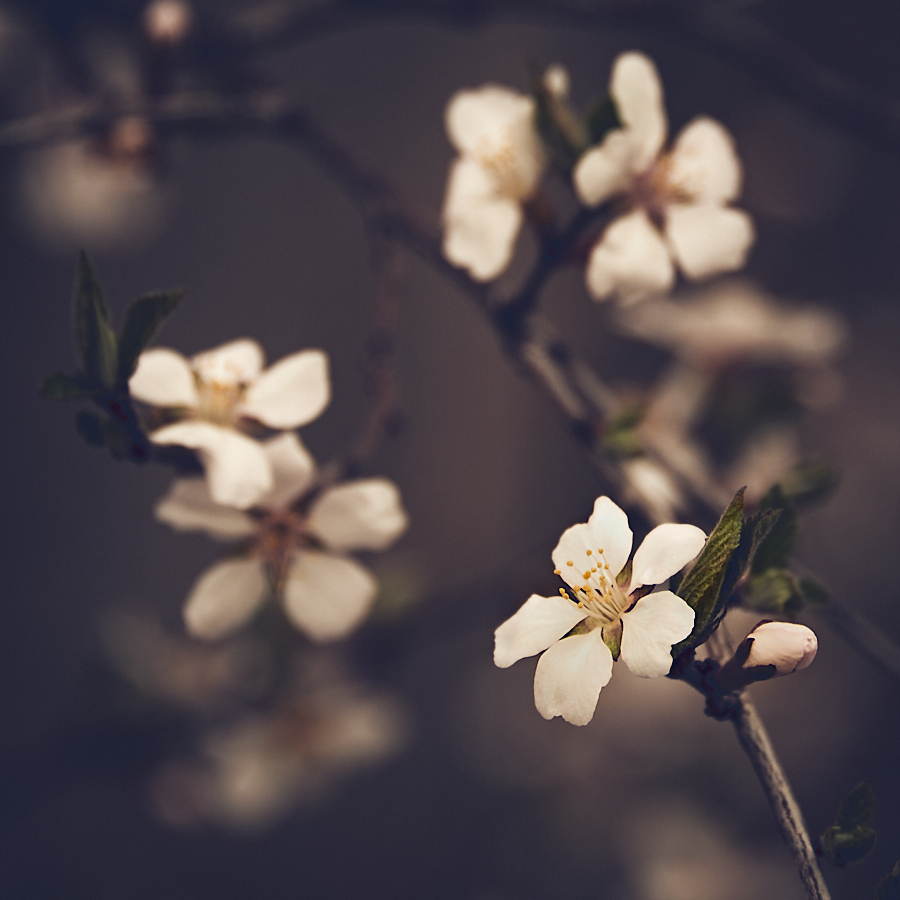
If there was no earth there would be no wood. If there was no wood there would be no carpenters.
water

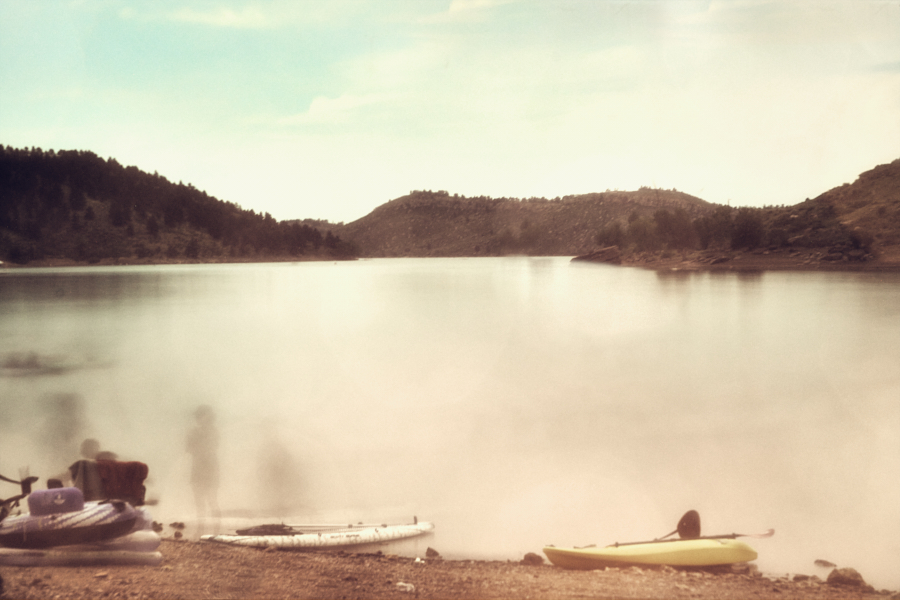
If there were no hydrogen atoms and oxygen atoms there would be no water. If there was no water there would be no fish.

earth

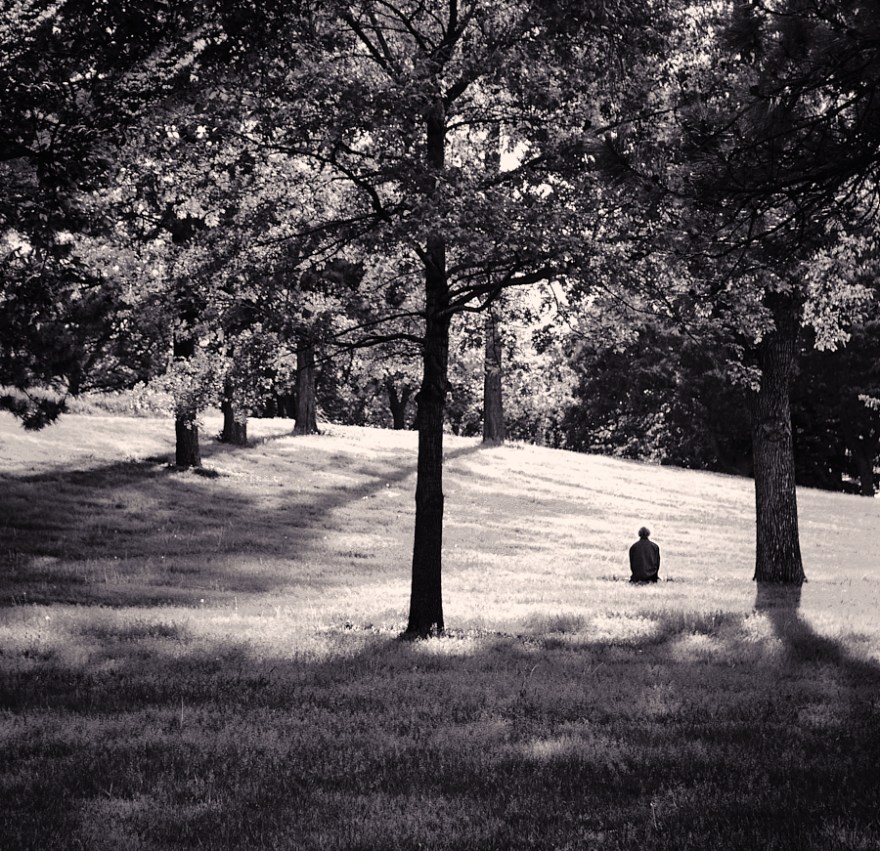
Without the Milky Way there would be on earth. Without our earth there would be no us.
This week Sofia (photographs) invites photographers to focus on one of the elements…and to try to get as many in one photo as possible…

*cited: poweryogaaco.com

7.19.2024 @ 6:02:59 am

O for a friend–that we might see and listen together! 
O the beautiful dawn in the mountain village!– 
The repeated sound of cuckoos near and far away.
~The Sarashina Diary*

Fujifilm XT-4 … f/5.6 1/600s 60mm 160 ISO

*cited: Diaries of Court Ladies of Old Japan

lens-artists: habitat

This week’s lens-artists challenge is offer by Tina who invites us to share images/stories of habitats.

The Oxford Languages defines habitat as 1) the natural home or environment of an animal, plant, or other organism or 2) a person’s usual or preferred surroundings.

I understand the Earth to be the natural home for all the amazing diversity of life; from the Posidonia australis (the largest living organism on Earth: it is spread across 180 whopping square kilometres) to bacteria which are the smallest living organisms on earth (an average of 2 micrometres long and 0.5 micrometres thick).

But then again, the Guinness World Records recognizes the Nanoarchaeum equitans as the smallest living organism. Their habitat is a hydrothermal vent off the coast of Iceland on the Kolbeinsey Ridge by Karl Stetter.

For today, I will share these four examples of my usual or preferred surroundings, (sub-habitats of the earth?)

Thank you Tina.

lens-artists: delicate

Today life feels exceptionally delicate.

Relationships are delicate

The wings of the butterfly are delicate. Their wings are made up of thousands of scales that can fall off if touched. Without these scales to protect their wings, the underlying tissue can tear, preventing them from flying. The scales are unable to regrow once damaged.

Migrating is delicate. Each fall, millions of monarch butterflies migrate from Canada to Mexico. The monarch migration is a brilliant demonstration of nature’s ingenuity, but the delicate creatures face many perils, and the number of migrating monarchs is declining sharply.

Peace is delicate.

Submitted for this week’s lens-artists challenge: delicate

weekend skies

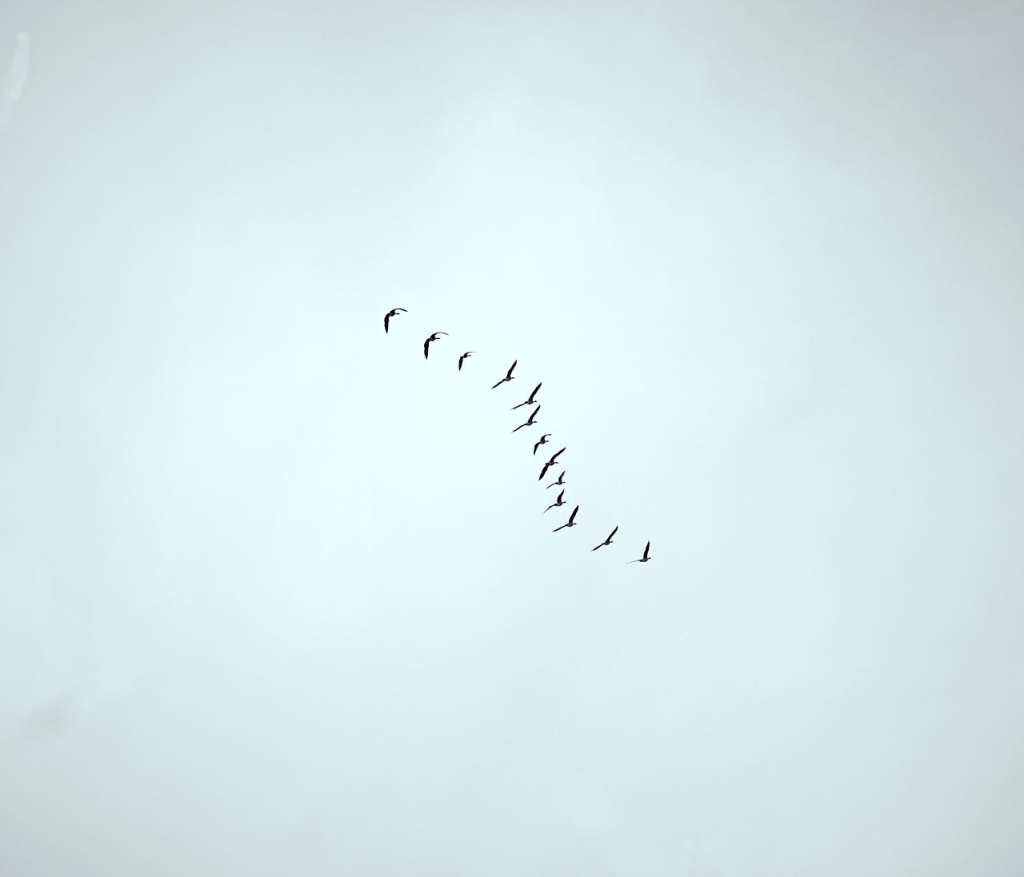
“Have you ever wondered how much a cloud weighs? Because they float so effortlessly, it would be easy to assume they are almost weightless. But, they are most certainly not.”

According to scientists, the weight of the average cumulus cloud is 1.1 million pounds! Think about that for a moment. This means that at any given moment, there are millions of pounds of water floating above your head. That’s the equivalent of 100 elephants.

So, how does that much weight stay afloat? For one thing, the weight is spread out into millions of droplets over a really big space. Some of the droplets are so small that you would need a million of them to make a single raindrop.” cited: headsup.scoutlife.org

image and a bit of science submitted in response to Blog of Hammad Rais’ Weekend Skies

lens-artist photo challenge: my hideaway

This week Ann-Christine (Leya) invites us to explore where or what is our hideaway.

What exactly is a hideaway?

North Park

Roger’s International Thesaurus (revised: Robert L Chapman, 1977) offers two understanding of Hideaway: 1) hiding place – secret place, corner, asylum, sanctuary, retreat, refuge, cubbyhole and 2) retreat – secret place, den, ivory tower, hideout, cell, lair, cloister, hermitage, ashram

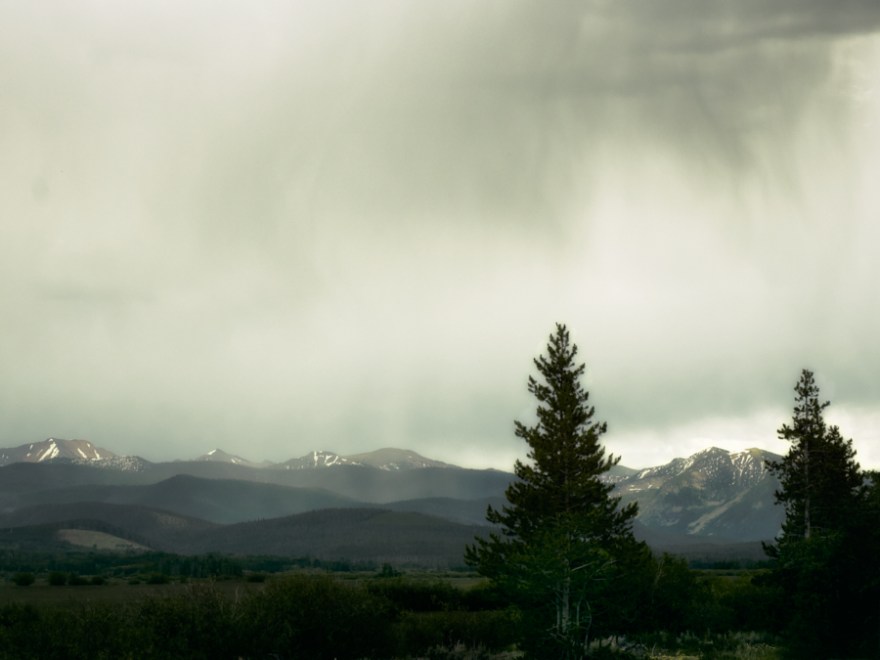
Medicine Bow National Forest

Refuge synonyms include: sanctuary, harbor, safe haven, game sanctuary, safety zone, shelter, home, hospice, orphanage, retreat, secret place.

One may take refuge, claim sanctuary, throw oneself into the arms of, make port, reach safety.

Cameron Peak

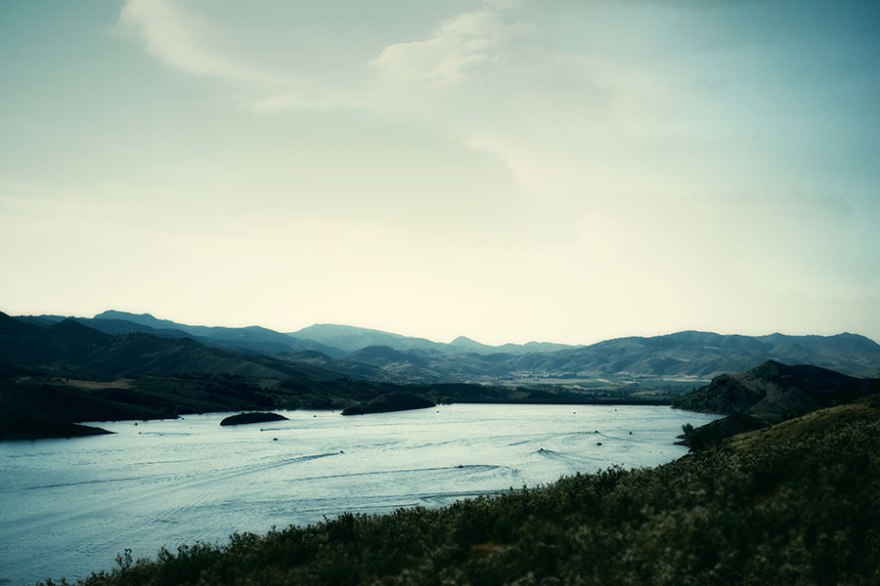
My hideaway…retreat…sanctuary is my backyard where my family plays, camps, swims, hikes, photographs, share memories/hopes/fears, and laughs. These places where we sought sanctuary include Medicine Bow National Forest, Horsetooth Reservoir, Poudre Canyon, Cameron Peak, North Park.

Poudre Canyon

Today, all threatened within the Mulen Fire and the Cameron Peak Fire.

Horsetooth Reservoir

“…from another perspective, refuge is about how you relate to the experience of life itself. When you stop looking outside or inside for something to free you from your struggles, you take refuge in direct awareness. …When awareness and experience are not different, you stop struggling with what arises and you are taking refuge in clarity…when you experience life without grasping, opposing or ignoring what arises, you take refuge in unrestricted experience.” (cited: Ken McLeod, Reflections on Silver River)

An island of self….

this is because that is

Stay at Home Order … day 30 plus 14 seclusion retreat days

shadow

everything is connected by causality … and if nothing else, Covid-19 is waking us up to the fact that we are all connected

Brian Boucher, CNN These ancient images of the Buddha are more timely than you think

if one comes across a person who has been shot by an arrow, one does not spend time wondering about where the arrow came from, or the caste of the individual who shot it, or analyzing what type of wood the shaft is made of, or the manner in which the arrowhead was fashioned.  Rather, one should focus on immediately pulling out the arrow.

~ The Buddha

spring

Life is short; it must not be spend in endless metaphysical speculations which will not be able to bring us the Truth.

Andres Hedman, Consciousness from a Broad Perspective
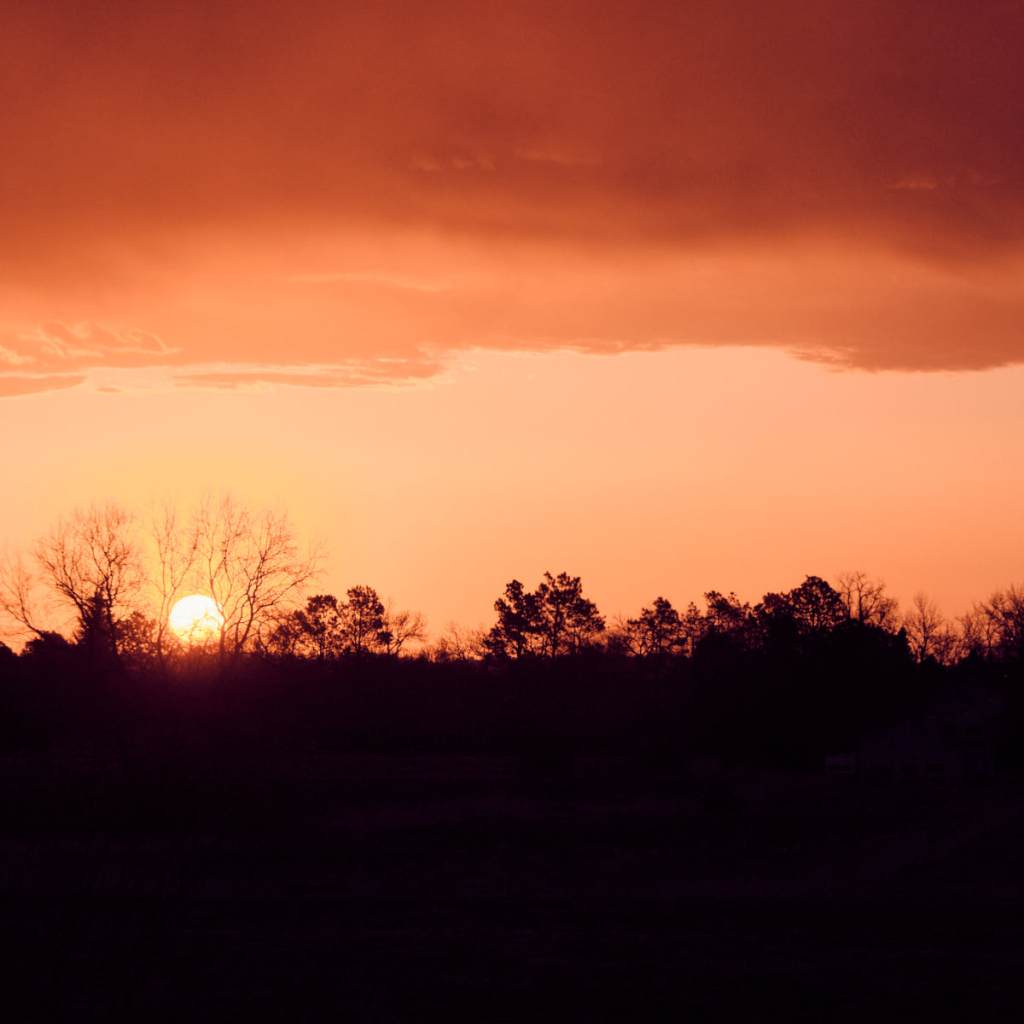
sunset april 23, 2020

“The Buddha’s teachings can be read on many levels … at a fundamental level, all the storytelling was a way of conveying ethical values. One of them is the peaceful coexistence of all life forms, which is very germane today. We’ve wandered dangerously far from that principle in the era of climate change. Referring to the seated Buddha sculpture in San Francisco, which is inscribed with the message that all things are connected by causality (in contrast with the deterministic belief that our fate is out of our hands)… What [the Awakened One] saw when he woke up is that things don’t happen by chance, that everything is connected by causality … and if nothing else, Covid-19 is waking us up to the fact that we are all connected.”

Brian Boucher, CNN These ancient images of the Buddha are more timely than you think

All images created with a Nikon D750

sunset april 23, 2020: f/5.6 1/500 42mm 400 ISO

basketball court: f/5.8 1/800 100mm 400 ISO

spring blossoms: f/5.6 1/160s 300mm 400 ISO