lens-artists: phone photography

Over the past year a current events discussion group has opened up a number of challenging questions for me: 1) how to move from an understanding and then to thinking and feeling acceptance that each person sees and understands identical situations differently as told within the parable of the Six Blind Men and the Elephant? 2) is there a moral imperative within politics that includes elements of responsibility (short and long term) of actions, empathy and compassion for all life that is harmed (physically, mentally, and emotional), and guiding principles of shame and fear of one’s immoral actions that override the energy of self direction toward a greater connection with humanity? 3) how do I unite the elephant with the diversity of moral principles?

At this point you may be asking, “What does this have to do with phone photography?” Well … yeah …. maybe … these questions do validate that I spend way too much time in my head as well as an excessive amount of time alone. Yet, how does one turn off this search for congruence while world events are like rip currents, undertows, and rip tides that clash with my moral principles and leave me with an overwhelming sense of powerlessness.

I resist these tides of hate-filled political and self serving actions that attempt to erode the who of me and the humanity of we.

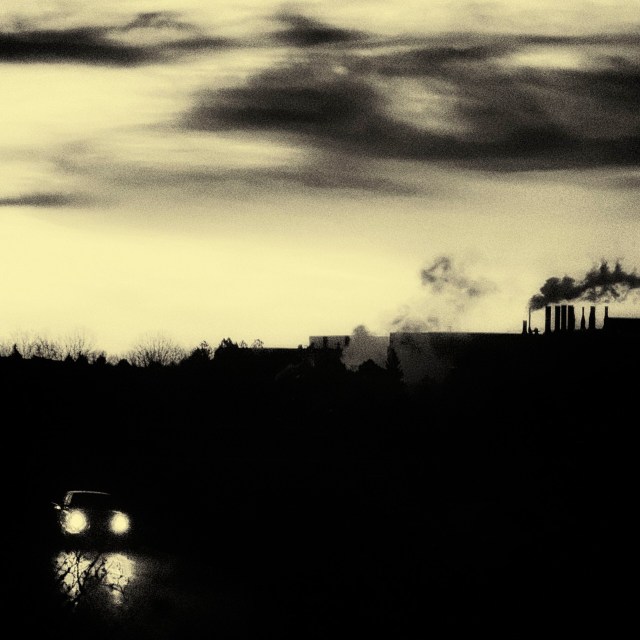
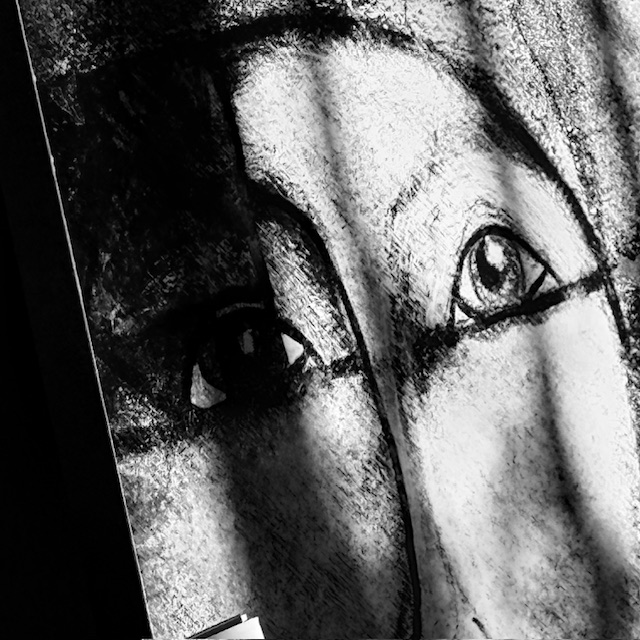
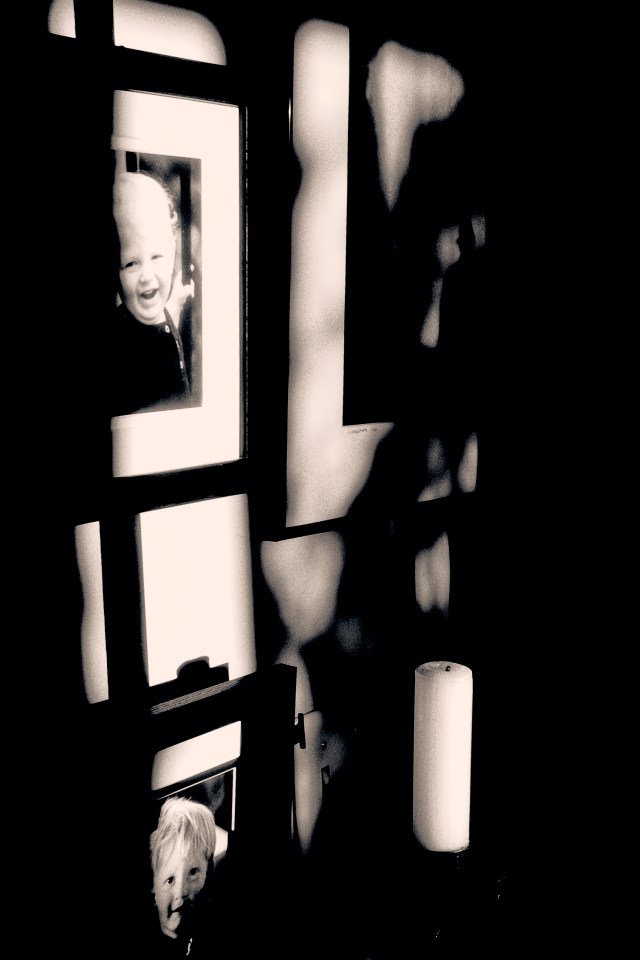
Yet, since the camera’s eye has opened me to different ways of seeing and moments of gasping beauty could this phone photography challenge invited me begin to explore the first question; that is, to begin to explore how to move out of my conceptions of the restrictive creative use of phones, “they are only good for happy snaps of people, flowers, and places” to engage with different perspectives?

A phone’s happy snap as seen during a photowalk:
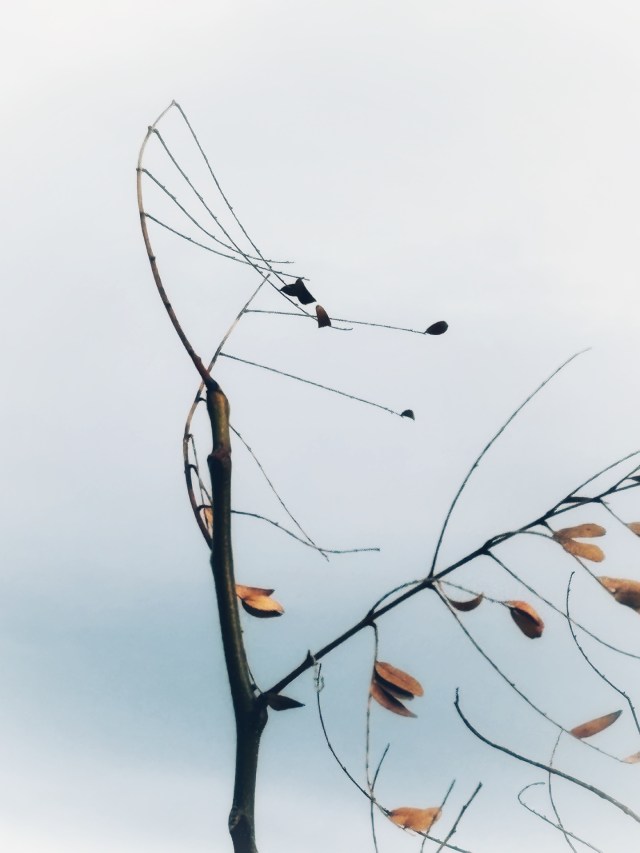
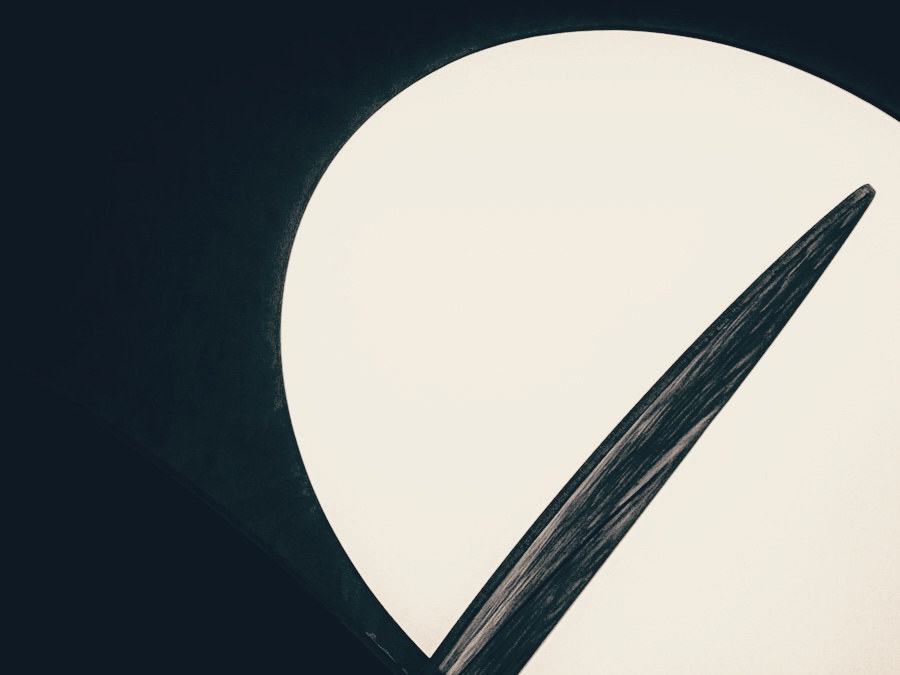
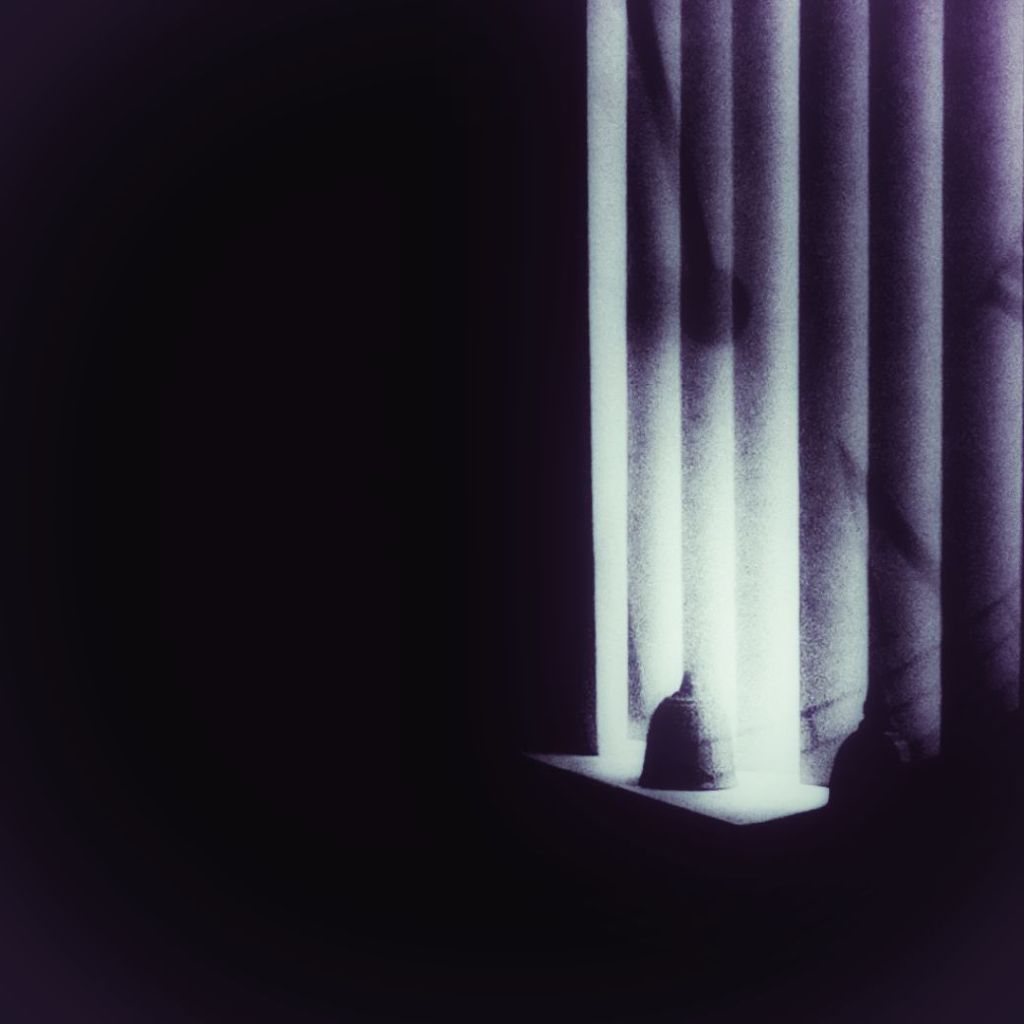
to the morning’s sun relationship with a light switch?
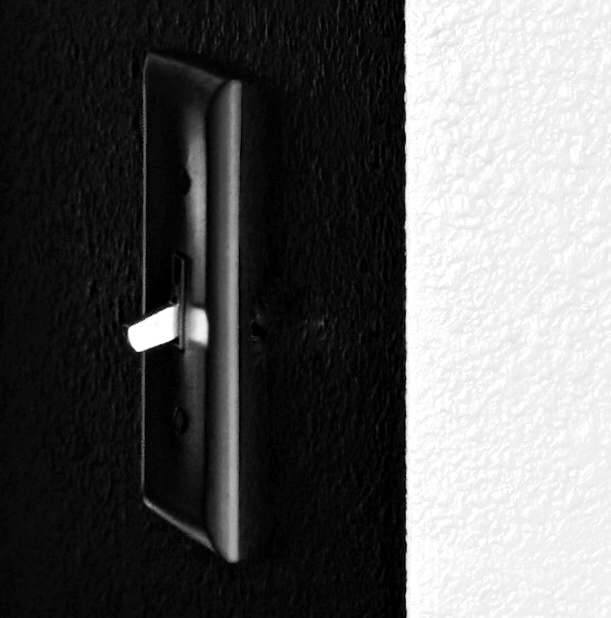
Thank you Tina for this week’s lens-artists’ challenge as it was great fun exploring the camera in ways I never thought possible.
lens-artists: unusual crop

Contemplative and landscape photographs submitted in response to Ritva’s lens-artist challenge: encouraging photographers to deliberately defy traditional framing conventions.

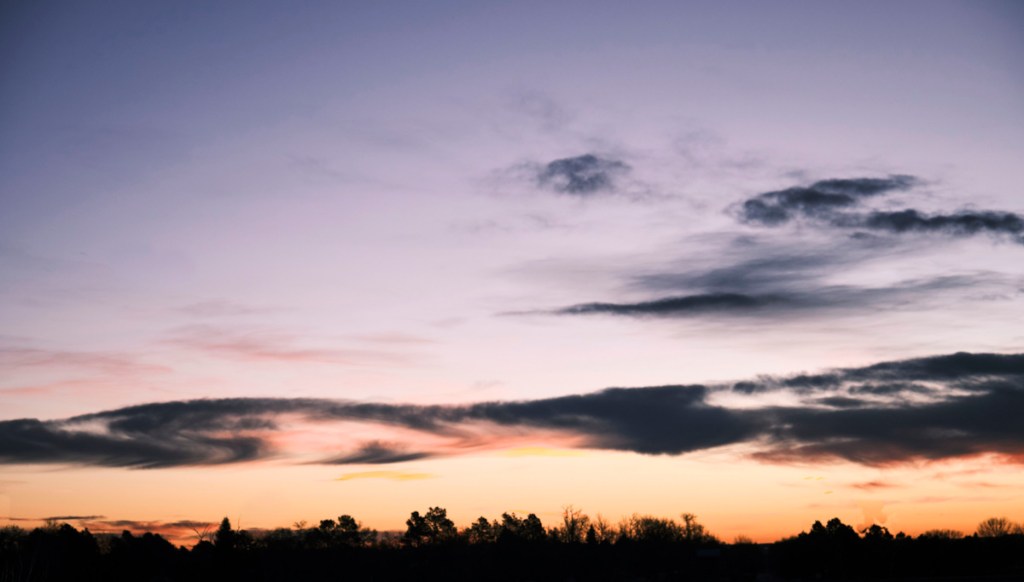
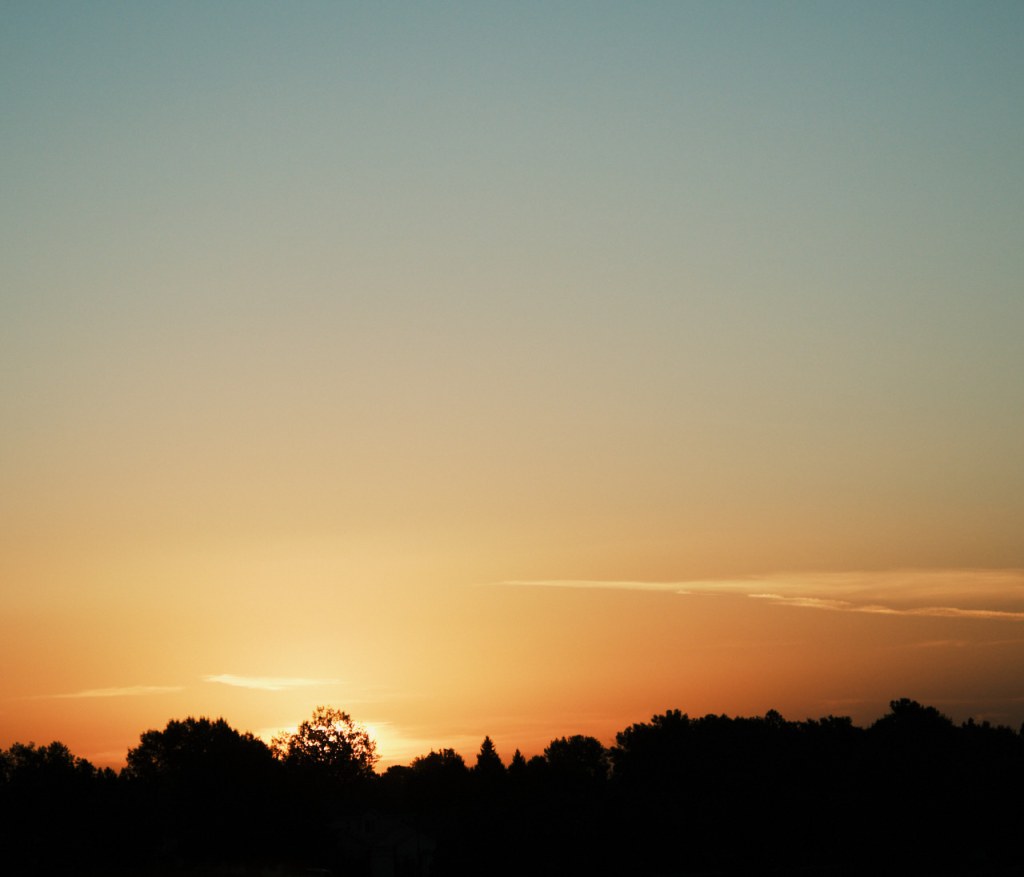
Photographing what is … the morning’s light

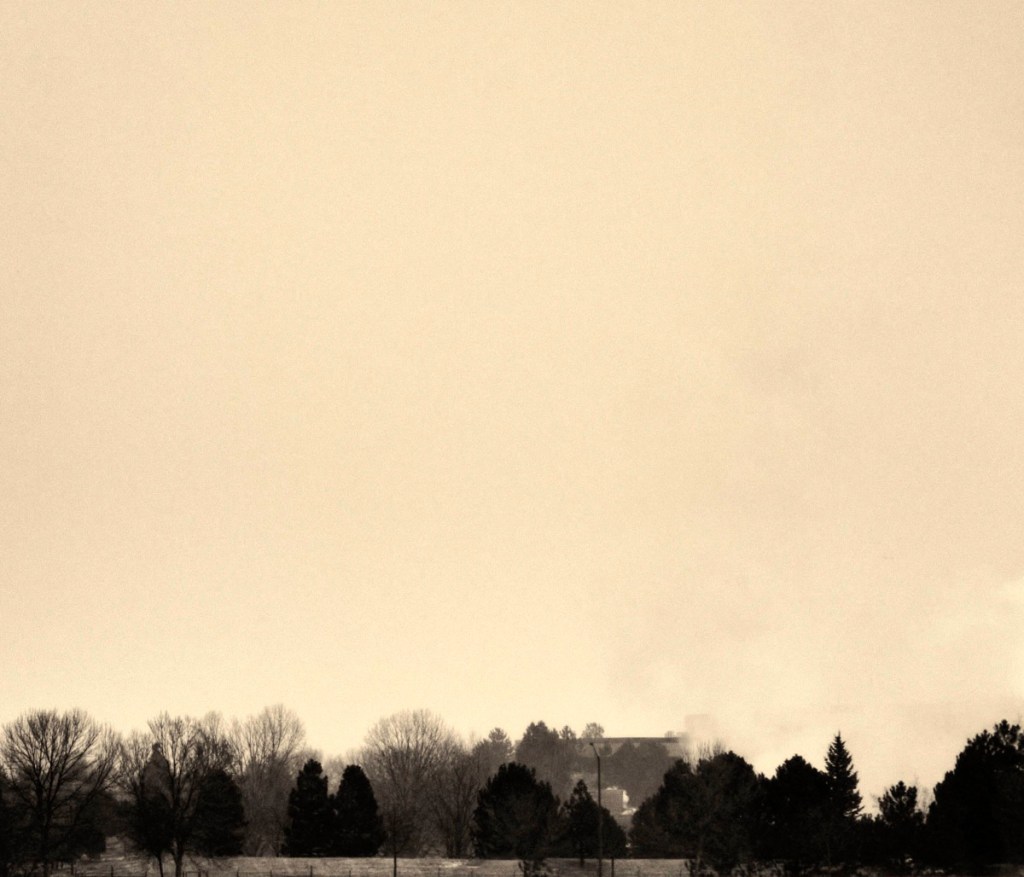
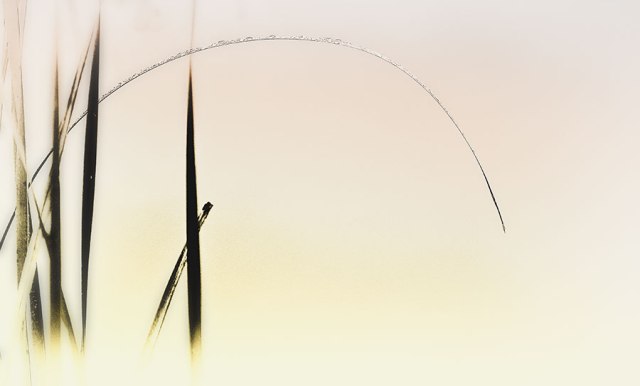
landscape images cropped with a focus on negative space.

autumn sun

December 1, 2025, Monday morning … last night’s snow powder left by the season’s first snowfall … mystery creating mist …

First snow! I see it young every winter, 
Yet my face grows old 
As Winter comes.

~The Diary of Izumi Shikibu (1002-1003 AD)*

*Diaries of Court Ladies of Old Japan

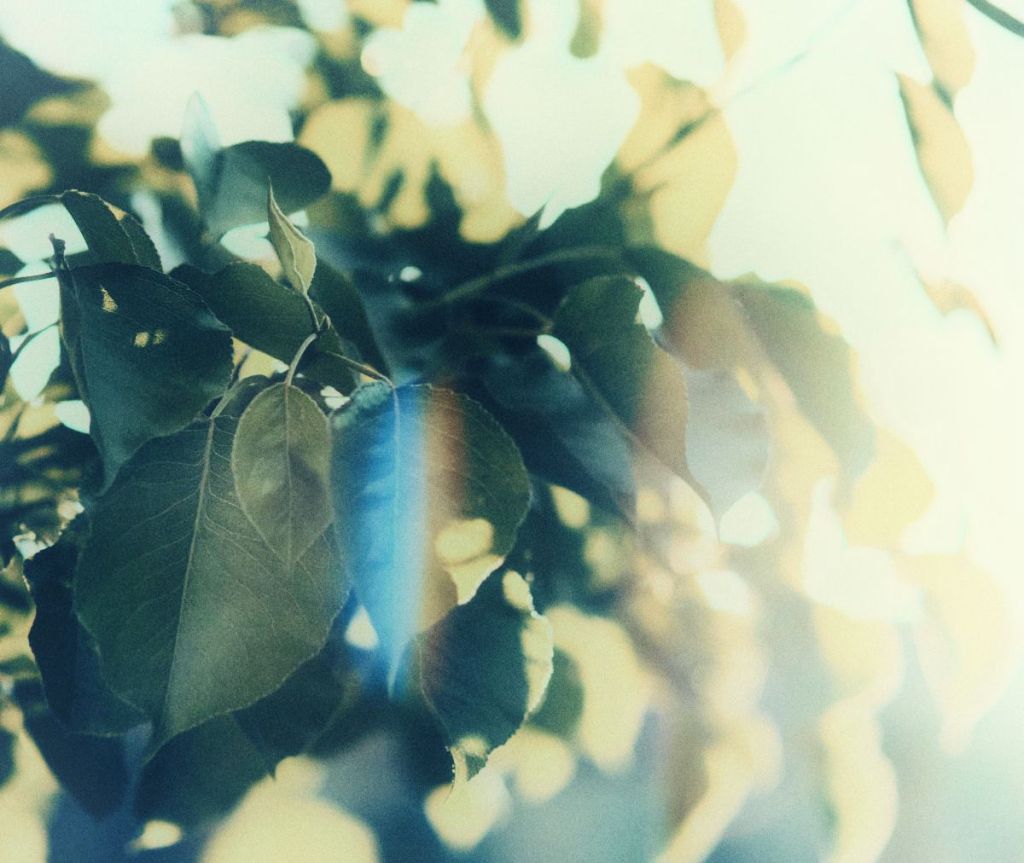
lens-artist: dreamy

that village’s
floating bridge of dreams…
spring frost
~Issa

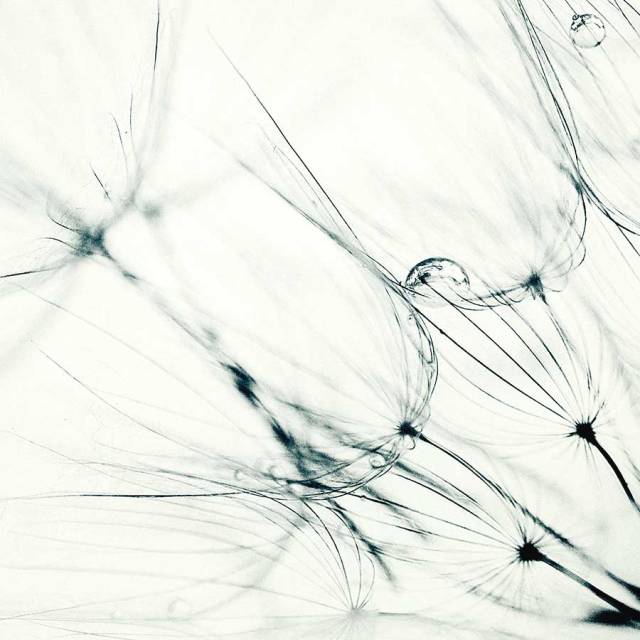
Ann Christine from Leya invites lens-artists to share their interpretation of the theme Dreamy. She introduces soft dreamy photographs as images created with soft light, soft focus, delicate tones, and other gentle aspects to produce an ethereal picture.

The dark sky dulls my dreamy mind, 
The down-dripping rain lingers– 
O my tears down falling, longing after thee!

~The Diary of Murasaki Shikibu

Thank you Ann Christine for this challenge…sometimes life’s realities need to slumber and awaken the gentle nature of dreamy.

lens-artists … everyone should see this

This week’s lens-artists challenge is hosted by Joanne. She writes that “Often times we see something that inspires us” and wish others could see what we see. She invites lens-artist to share some inspiriting photographs of things/people/places.

At this time of my life my travels are through books. As I wander through pages of someone’s thoughts and imaginations, it is often that I think of someone to share inspiring passages.

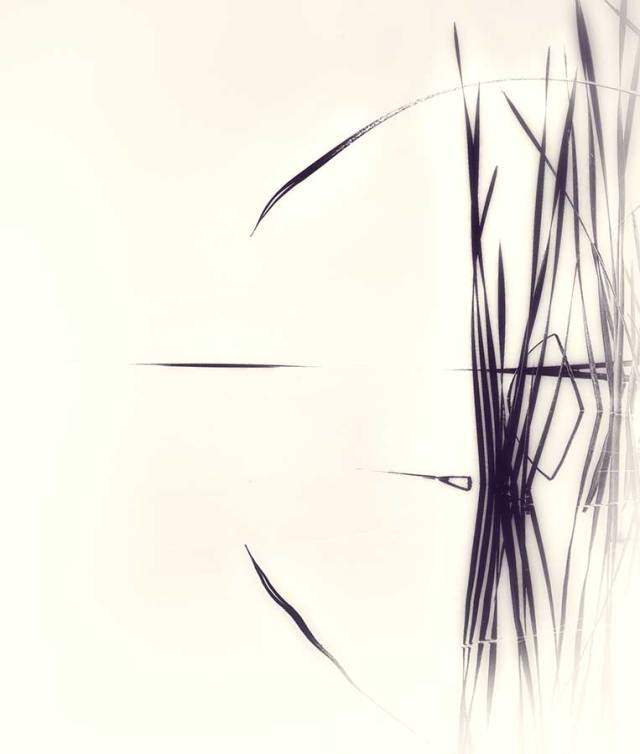
The Practice of Contemplative Photography Seeing the World with Fresh Eyes” by Andy Karr and Michael Wood is one such book. To be introduced to their Two Ways of Seeing opens me to a new way of being…being present during photo walks. The images below were created during pond walks.

“To see clearly you need to untangle perception from conception. To distinguish them you need to take out your (metaphoric) microscope and look closely at each one.

“Visual images appear when consciousness connects with the eye. Mental images appear when consciousness connects with the conceptional mind. …

What appears to conceptual mind is only an abstract, general image that encompasses all the views and pictures of a thing that you have ever seen. It is a very different kind of object from the specific ones that appear to the non-conceptual senses.

“The visual object that appears to the eye appears clearly, in great detail. You see–all at once–color, shape, texture, and the rest.

“The usual sequence of perception is that in the first moment, there is direct sensory experience. In the second moment, a concept and label arise, superimposed on the direct perception. …These moments of perception and conception are extremely brief. The sequence happens very quickly, so quickly that you don’t notice that a whole process is unfolding.”

Thank you Joanne for inviting me to continue my contemplation of how life is in a perception state of change and what I simply see within a moment transforms into an ideal/story/memory of a thing. What is difficult to embrace is possibility that no one actually sees what we see…

monday morning with pascal mercier

He often complained in his last year that he didn’t understand what it really consisted of, the loneliness we all feared so much.

Fujifilm X-T4: f/4 1/75 s 60.8 mm 400 ISO

What is it that we call loneliness, he said, it can’t simply be the absence of others, you can be alone and not lonely, and you can be among people and yet be lonely. So what is it? … All right, he said, it isn’t only that others are there, that they fill up the space next to us. But even when they celebrate us or give advice in a friendly conversation, clever, sensitive advice: even then we can be lonely. So loneliness is not something simply connected with the presence of others or with what they do. Then what” What on earth? (cited: Night Train to Lisbon, p 319.)