photography
wordless wednesday

tuesday photo challenge: stones
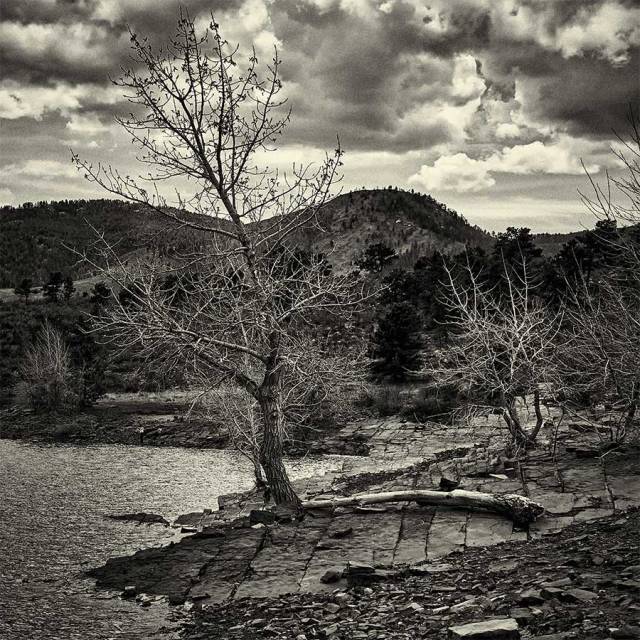
Stone: Symbol of being, of cohesion, of harmonious reconciliation with one’s self. The stone when whole tells of unity and strength; when shattered it symbolizes psychic disintegration.
Seven Stones:
- The first stone: become acquainted with the intrinsic power within generosity, gratitude, compassion, loving-kindness, equanimity, and sympathetic joy. Use their inherent strength to abandon detrimental mental qualities and experience the subsequent easing of suffering.
- The second stone: familiarize yourself with the inherent strength within intention; that is, each morning define for yourself a small goal to strive for that day with the knowledge that the characteristics of each daily intention accumulates and formulates the meaning and purpose of your life.
- The third stone: introduce yourself to the innate vitality of acquaintance with the knowledge of and experience with a presence that transcends your ego and nourishes your divine “I”-in-self.
- The fourth stone: feel the influence within the natural aspect of prayer that releases the consequential merit of your actions, speech, and thoughts to the benefit all living beings.
- The fifth stone: know the innate authority of remorse that directs you to acknowledge when specific action, speech, and thought are incongruent with personal moral and guiding principles, to set forth the intention to not repeat the offense, and to release detrimental thoughts, including regret, shame, guilt, resentment, justifications, rationalizations. Feel the release of being freed from an abusive ego and to a self-centered attitude that has the inclination to neglect others.
- The sixth stone: gift yourself the eloquence within simple acts of kindness absent of expectation: release your merit; share your talent, expertise, or knowledge; surrender your wants for another’s need; greet each person with a half smile.
- The seventh stone: be attentive to the influence present within a daily mindfulness practice that acquaints you to a state of tranquil single-pointed concentration.
(cited: Meditative Journey with Saldage, B Catherine Koeford)
cee’s fun foto challenge: e with two e’s

eclectic
Cee’s fun foto challenge: letter e with two e’s
autumn advances
Autumn advances
and I become
a bit sad
closing the gate
to my hut.
~Ryokan (K Tanahashi, Sky Above, Great Wind)

thursday’s special: imitation

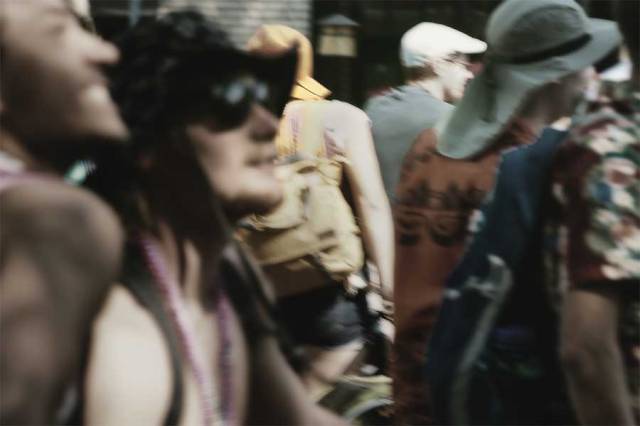
Tour de fat…a day of bikes and imitation
weekend reflections
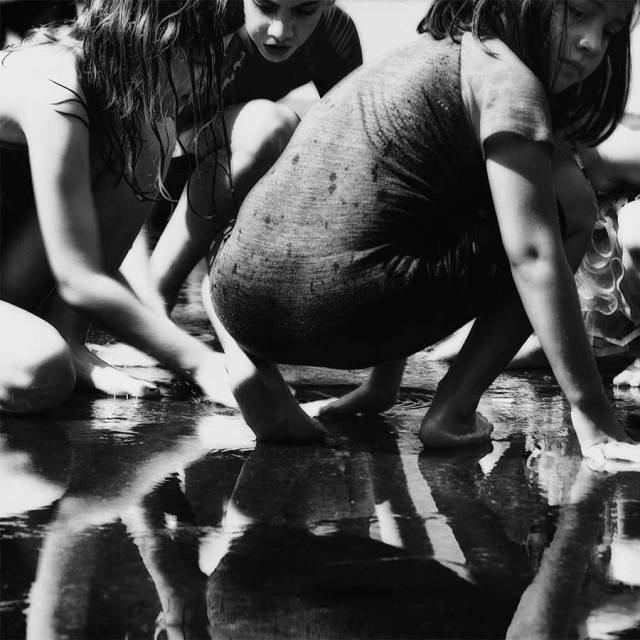
Nick Cave and Warren Ellis create film and theatre scores that are elegantly minimal, hauntingly beautiful and instantly recognisable as theirs alone. Full of light and shade, creeping dread and inconsolable yearning, these heavily instrumental sound paintings inject aching humanity into ghostly frontier towns, parched desert vistas and post-apocalyptic war zones. Most are built around the duo’s intertwined piano and violin melodies, with sporadic use of guitar, flute, mandolin, celeste, percussion and other elements. Vocals are rare and sparing. But even without lyrics, they are always lyrical.
a label

a label transforms a “unknown” person into a preconceived concept
People want to identify and label you so they can place you somewhere they already have set in their mind. …
We have these labels in little piles in our mind and we take them out and stick them on things. That’s our habit. We like to be able to say, “This is an American. That is a Dutch person. This is a Mexican person.” We put the label on as if we know what we mean by Mexican, American, or Dutch. This is a Communist, this is a Republican, this is a capitalist. In fact, the label has no meaning. “This is a person I love, this is a person I hate.” When we put a label on, we can’t see the person. If someone labels you as a “terrorist,” he may shoot you. But if he sees that you are a human being who has his own suffering, who has children and a wife to look after, he won’t be able to shoot you. It’s only when he gives you a label that he can say, “You’re a terrorist; your presence isn’t needed in this world; if you weren’t in the world, it would be a more beautiful place.” It’s all a matter of putting a label on a person. And when you see the real human being, you can’t assign a label anymore. We give labels only in order to praise or to destroy. We have a great bagful of labels–we don’t even know where they came from. And when we stick them onto people, we cut ourselves off from those people, and we can no longer know who they really are.
~Thich Nhat Hanh, Zen Battles
autumn on the horizon

wordless wednesday

tuesday photo challenge – dark

Nikon D750 f/3.2 1/1,000 s 40 mm ISO 100
A raindrop resting upon the fragile lace of goats beard, a pesky weed, an amazing umbrella for Thumbelina. It has been told that an old widowed woman planted a seed given to her from a good witch and within the flower that grew from that seed was a little girl no bigger than the old woman’s thumb. Fairy tales can be somewhat dark, but not the story of Thumbelina.
cee’s fun foto challenge: letter d
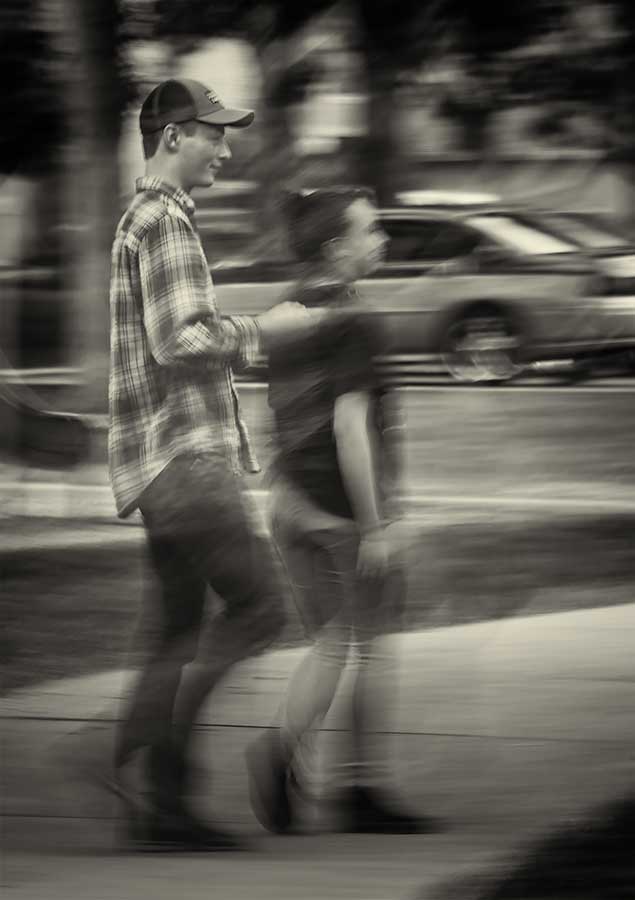
Dude, a four-lettered word that beings with d, submitted for Cee’s Fun Foto Challenge.


You must be logged in to post a comment.