…in order to know we must trust our ancestors – trust them deeply. Spinoza points out the fact that our knowledge of parentage and the date of our birth is, in fact, what he calls ‘knowledge by hearsay’.*
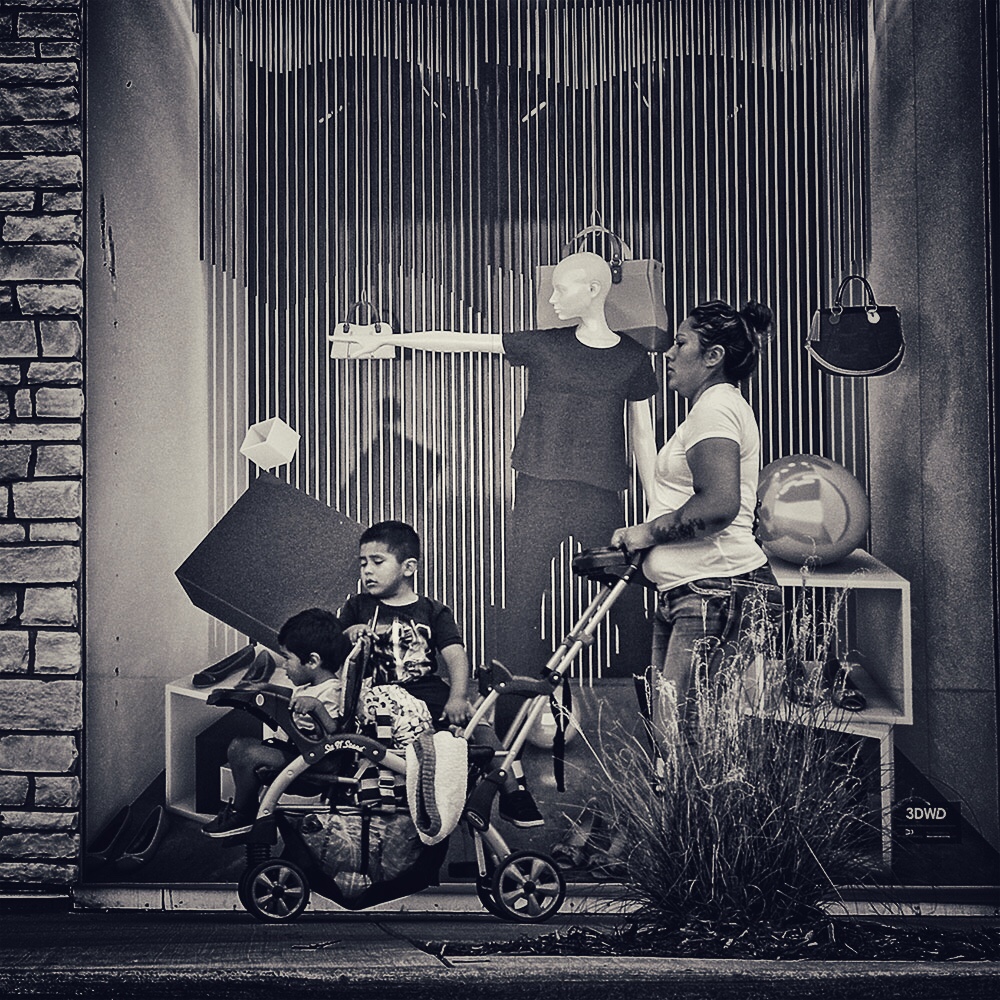
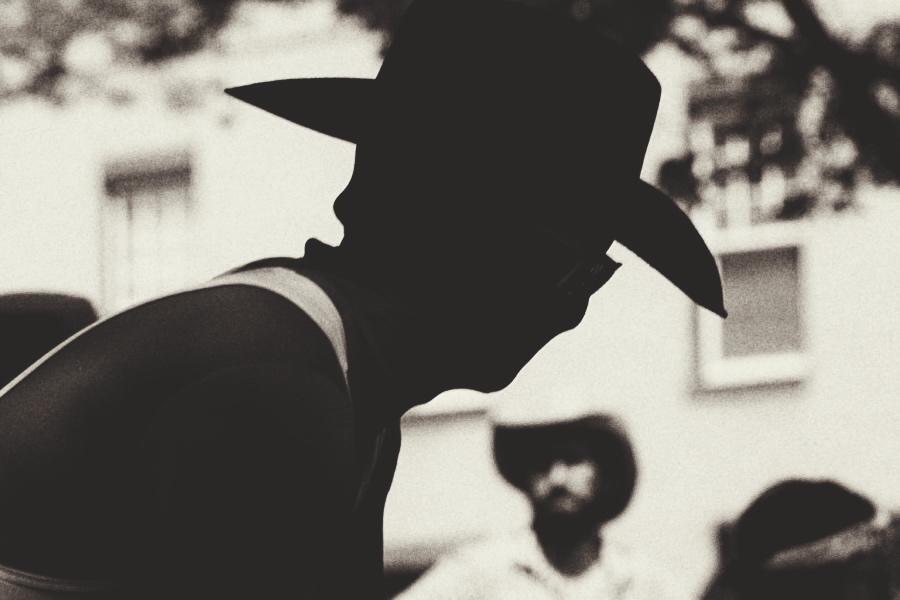
Hum … window shopping. It has been a long time. I do miss those days walking about Old Town, watching people stroll about, listening to a shopper play a public piano (Piano About Town art project), governing the impulse to buy, sitting out doors with a cappuccino, and most of all, walking about with camera in hand.
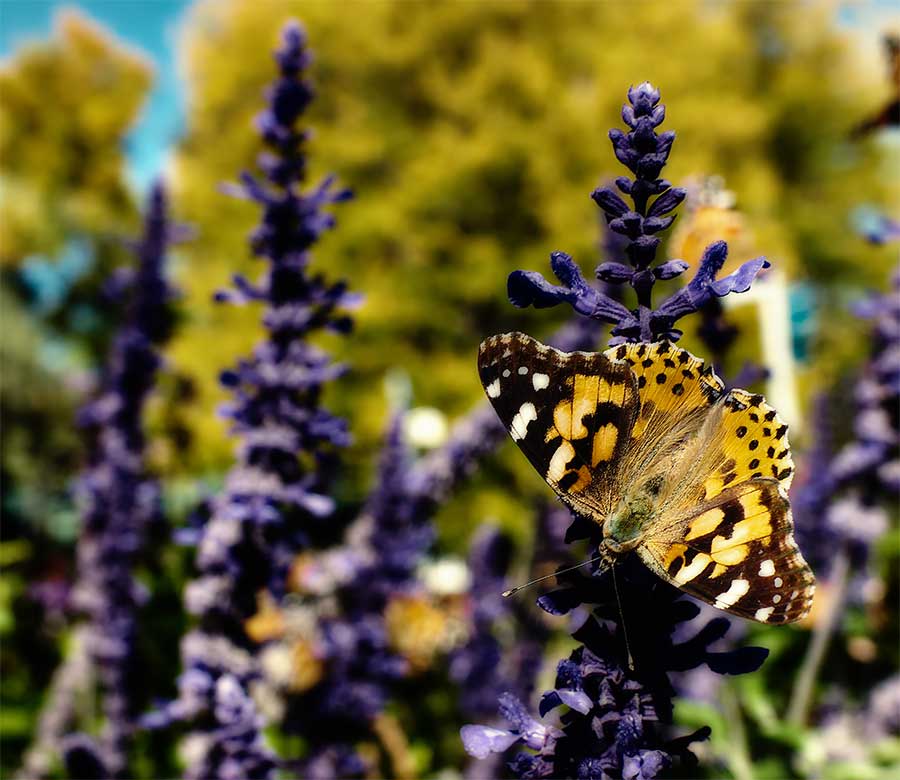
‘… the flower is made of non-flower elements. We can describe the flower as being full of everything. There is nothing that is not present in the flower. We see sunshine, we see the rain, we see clouds, we see the earth, and we also see time and space in the flower.
A flower, like everything else, is made entirely of non-flower elements. The whole cosmos has come together in order to help the flower manifest herself, The flower is full of everything except one thing: a separate self, a separate identity.
The flower cannot be by herself alone. The flower has to inter-be with the sunshine, the cloud and everything in the cosmos. If we understand being in terms of inter-being, then we are much closer to the truth. Inter-being is not being and it is not non-being. Inter-being means being empty of a separate identity, empty of a separate self.” ~Thich Nhat Hanh, No Death, No Fear: Comforting Wisdom for Life
In China a person who will not forget the past is described as ‘one who did not drink Old Lady Meng’s soup.’ Borrowed from Buddhist folklore, Old Lady Meng dispenses the Broth of Oblivion to souls leaving the last realm of the underworld on their way to reincarnation. After drinking her soup, the soul is directed to the Bridge of pain that spans a river of crimson water. There, two demons lie in wait: Life-Is-Not-Long and Death-is-Near. They hurl the soul into waters that will lead to new births.
Old Lady Meng is more than a quaint antidote for the Greeks’ Mnemosyne. She embodies a psychological understanding about the forces that promote, indeed demand, forgetting for the sake of ongoing life. It is not enough to note that water is linked with amnesia in Chinese folklore as much the same way that the river Lethe is associated with forgetting in Greek mythology. The challenge here is to make sense of the distinctively Chinese attachment to remembrance in spite of the benefits of Old Lady Meng’s soul.
In Jewish tradition, too, the benefits of amnesia were acknowledged along with the sacred commitment to recollection. There is a midrash, or Torah-based story, that teaches us a lesson similar to that of Lady Meng: ‘God granted Adam and Eve an all-important blessing as they were about to leave the Garden of Eden: I give you, He said, ‘the gift of forgetfulness.” What is so precious about amnesia? Why would God, who demands fidelity to memory, offer the relief from recollection? Perhaps it is because without some ability to forgive and forget we might become bound by grudges and hatred. To remember everything may be immobilizing. To flee from memory, however, leads to an ever more debilitating frenzy.(40-41)**
Creating sound within the frozen moments of a photograph – introduced by Ted Forbes in his discussions of rhythm and tempo.
Rhythm I – all around us are shapes that are pretty basic and similar to each other. We will see them repeating at regular intervals within nature, design, works of art, architecture, and photography
Rhythm II – the primary characteristic of rhythm is predictability and order.
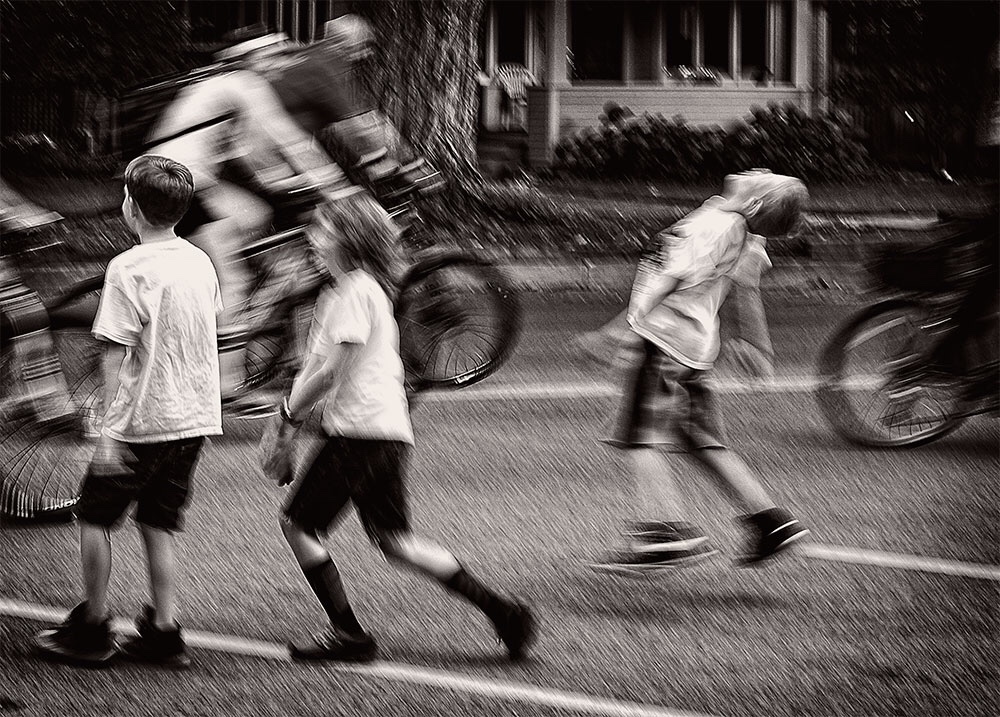
Tempo – the means by which we display speed, movement, as well as the passing of time all within a frozen moment.
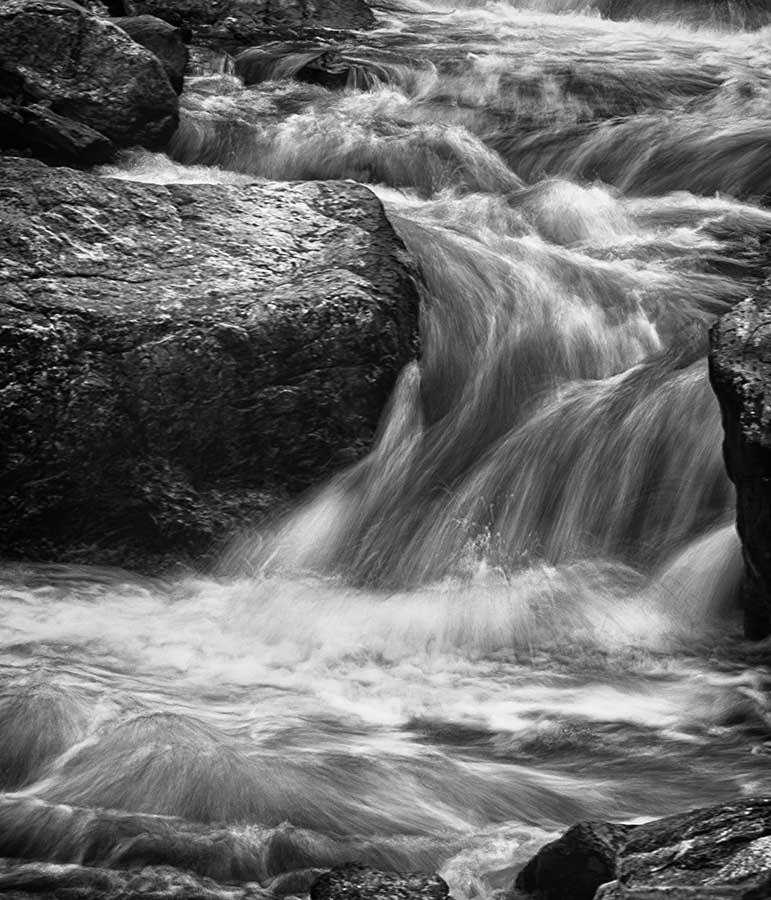
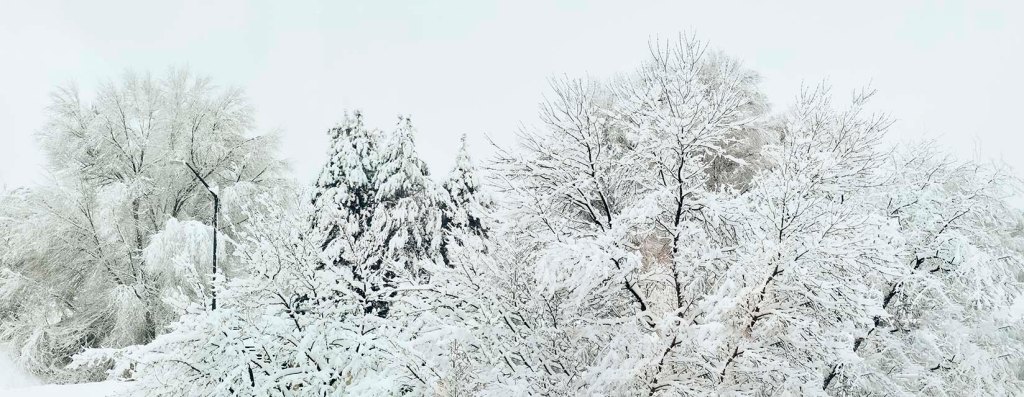
Have you heard the silence within a snow storm?
Sending gratitude to Wind Kisses for this week’s Lens-artists challenge: sound
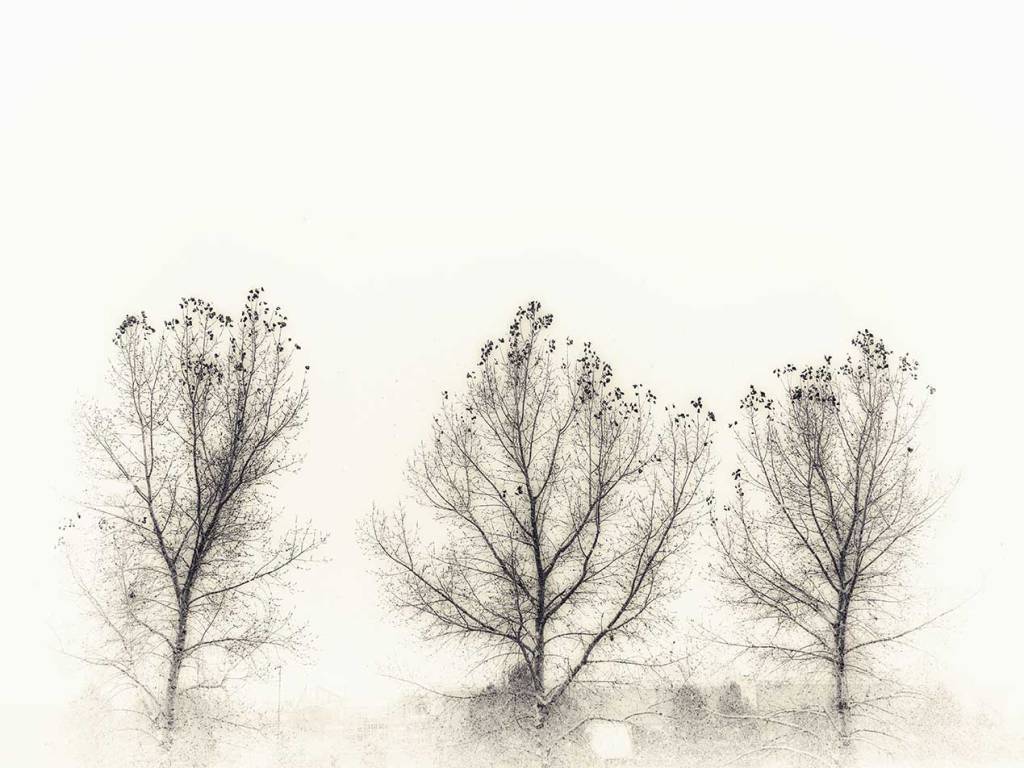
“his traveling hat.” The hat in question is a kasa: umbrella-hat. I picture Issa watching travelers departing in the early morning–perhaps from an inn. As their bodies blend in with the spring mist, all he can see now are the outlines of their umbrella-hats growing smaller and smaller. In this early haiku he shows that he has already mastered the art of using simple observation to suggest depths of meaning and feeling. Like Issa, we shall miss those who go before us, fading into nothing.









 a meditative journey
You must be logged in to post a comment.