A single leaf falls,
then suddenly another,
stolen by the breeze ~Ransetsu
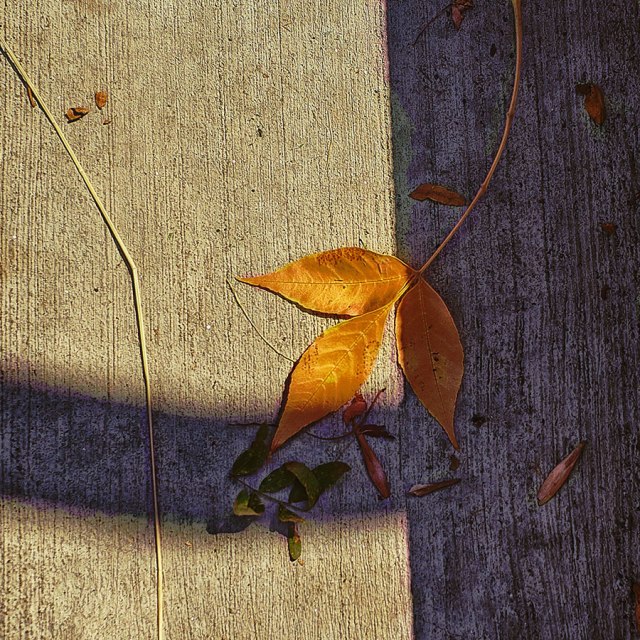
A single leaf falls,
then suddenly another,
stolen by the breeze ~Ransetsu
Delicate…the dance
of light and shadow
between insight and ignorance
in life and death
from suffering to tranquility
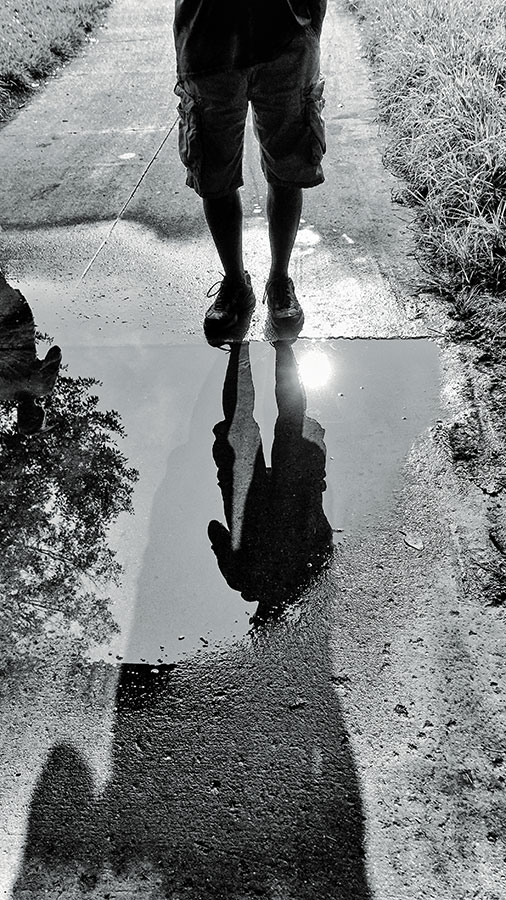
As the leaves begin their transition from green to yellows, reds, and purples it is nice to reflect upon the joys of summer.

Sony RX100 III f/9 1/320 25.15 800 ISO

Sony RX100 III f/2.8 1/160 25.7m 800 ISO
A. Kaplan (Jewish Meditation, New York, 1958) noted that when one is in a meditative state, one has obtained the ability to turn off the faint after-images that are constantly with us and interfere with seeing objects with total clarity. He noted that when one is able “to turn off the spontaneous self-generated images . . . the beauty of the flower . . . seen in these higher states of awareness is indescribable [and] appears to radiate beauty.”
The possibilities of perception are limitless, and clear seeing is joyful …we get caught up in cascades of internal dialogue and emotionality. Immersed in thoughts, daydreams, and projections, we fabricate our personal versions of the world and dwell within them like silkworms in cocoons. ~A Karr & M Wood (cited: The Practice of Contemplative Photography)
Hindrances to Receptivity (H Zehr, Contemplative Photography)
Many aspects of our lives and habits hinder a mindful approach to the world.
Knowledge can be an obstacle, and we are reminded that truth can only be found in life, and not in the accumulation of knowledge…If our mind is burdened by worry, suffering, confusion, anger, or strong views, then it is very hard for us to practice mindfulness, concentration, and insight and look deeply into ourselves and into reality. Our mind must be free from views, preconceptions, and afflictions if we are to see ~Thích Nhất Hạnh (The Other Shore)
Generally we are unaware of these current of mental activity; and it is hard to distinguish what we see from from what we think about. ~A Karr & M Wood (The Practice of Contemplative Photography)
“Photography can be used to help distinguish the seen from the imagined, since the camera registers only what is seen. It does not record mental fabrications. …we are often surprised to find that our photographs did not show what we thought we were shooting
“In contemplative photography the camera’s literalness is uses as a mirror to reflect your state of mind . It shows when you shot what you saw—what actually appeared—and when you shot what you imagined. When a properly exposed photograph faithfully replicates your original perception; you saw clearly. When your original perception is masked in the photograph by shadows, reflections, or other extraneous things you didn’t notice, you were imagining. Clear seeing produces clear, fresh images.
“Concepts about pictorial techniques can further constrict your vision. Trying to see the world through the rule of thirds to create good composition, or shooting very early or very late in the day because the light will be warm, or, playing with exposure and color balance to make the image more dramatic, turns photographers away from things as they are, and toward their thoughts about how they want them to appear. This separates them from the immediacy of what they experience.” ~A Karr & M Wood (The Practice of Contemplative Photography)
Contemplative Photography Exercise
Consciously or unconsciously, we have all learned many rules about when and how to photograph. These limit our ability to be open to new possibilities
I am excited about this phase of my photo journey. Yet, my identified hindrances, silencing composition/technical rules and should do/should not do will be a challenge after the investment of time, energy, and mental ‘focus’ that has thus far directed this photo study project.
Am looking forward to reading your throughs and seeing the images you created after being freed from your hindrances. Please tag with #aphotostudy.
While reviewing old blogs, I came across an October 19, 2012 post entitled, “photo friday, vibrant.” I thought it would be fun to create a new “photo friday” blog with updated vibrant images created a few weeks ago. Hope you enjoy!
P.S. I have found that “gratitude” is an antidote to feelings like resentment/anger. I am finding that photographing color just may be an antidote for sadness/boredom.
…our minds can seem like such a ragged and disorderly place, disturbed by the slightest sound, thought, or impulse. Seeing the moving, restless character of the mind is the first step toward…concentration, mindfulness, tranquillity, insight, oneness.
~Tulku Thondup, The Healing Power of Mind
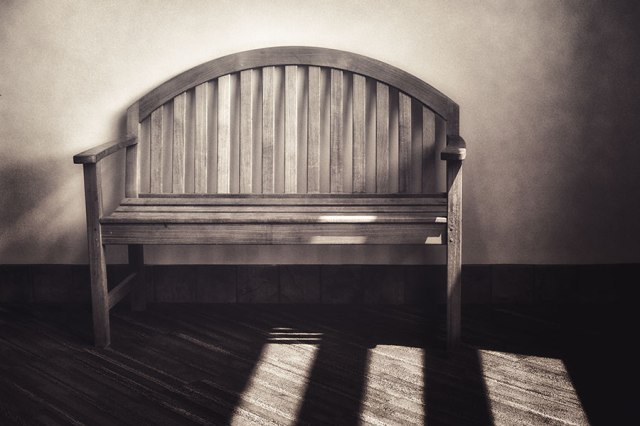
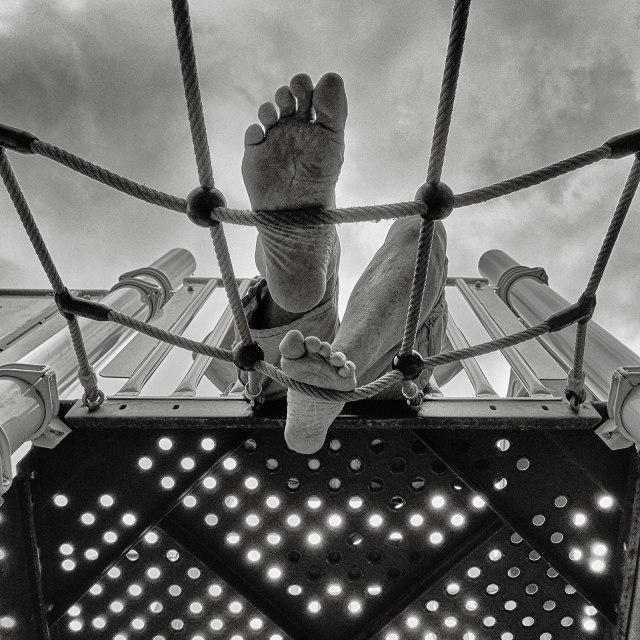
the eye that is penetrating sees clearly,
the ear that is penetrating hears clearly,
the nose that is penetrating distinguishes odors,
the mouth that is penetrating distinguishes flavors,
the mind that is penetrating has understanding,
and the understanding that is penetrating has virtue. ~ CHUANG-TZU
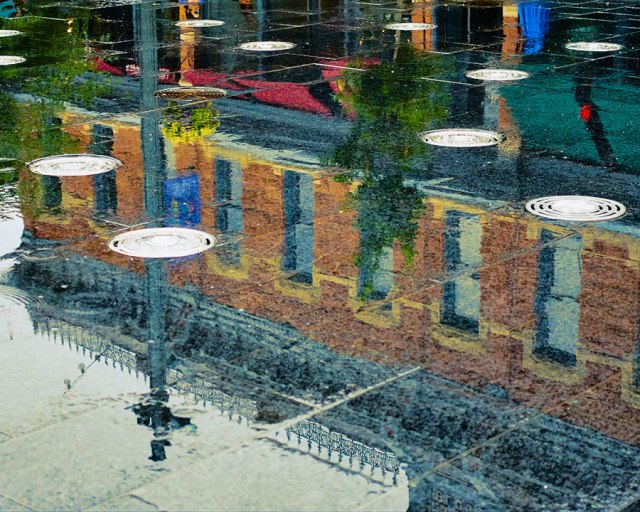
visit Travels and Trifles to join Tina’s photo challenge: colorful
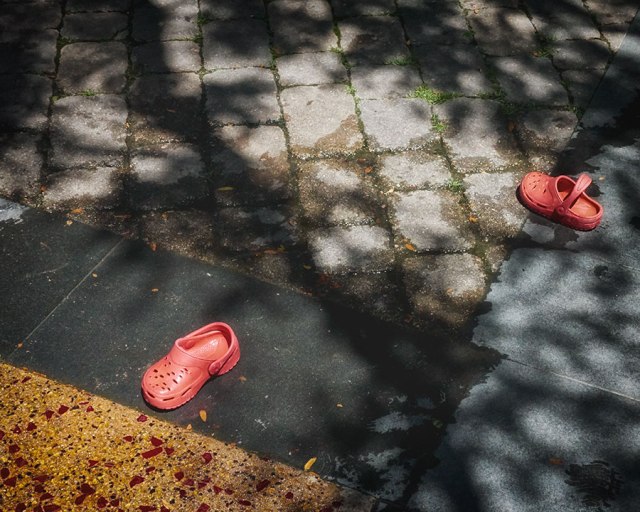
Sony RX100 III f/6.3 1/320 17.9m 800 ISO
Beyond the clouds
My gaze goes on and on;
The endless sea:
What lies beyond is unknown
As my gloomy thoughts…
~Lord Suetsune (cited: http://www.wakapoetry.net)
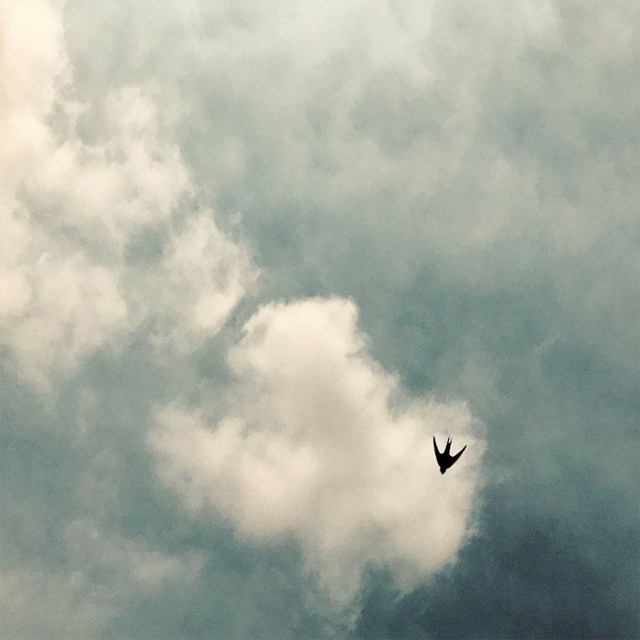
sparrow… Apple iPad f/1.8 1/12000s 20 ISO
This week’s photo study was inspired by Howard Zehr, (Contemplative Photography seeing with wonder, respect, and humility). He invites us to consider,
“… how we might use the medium of photography to stimulate our imaginations, to develop our intuitive and aesthetic sensibilities, to gain new insights. …to stop and look and be refreshed. In order to do this, [he] asks us to ‘re-image’ how we envision and carry out photography.
“Rarely do we spend enough time with an image to ‘mine’ all of its visual, emotional, and spiritual potential. Rarely are we aware of its impact on the emotional as well as the intellectual level. Too often our tendencies to judge and evaluate get in the way of appreciating what we see.”
Photo Assignment:
Discipline yourself to make at least one photograph each day.
Once a week, spend at least 10 minutes with one of the photographs.
As you do, consider three topics in this order:
I see — describe each object, each detail, the light, etc., Then associate: what are you reminded of by the shapes, juxtapositions, etc.
I feel — What do you feel as you look at the image?
I think — Interpret and analyze.
Keep a journal about this and any insights you gain.
“The practice of contemplative photography does not end when you finish shooting… The first thing you should do after [photographing] is spend some time with each of your images. Try to see which ones work and which do not. Don’t be in a hurry to delete the ones you don’t like, but try to learn from them. See if you can remember what was going on in your state of mind when you [pressed the shutter].” ~ A Karr & M Wood (The Practice of Contemplative Photography)
I am looking forward to seeing your image that was inspired by Howard Zehr’s photo assignment. Let’s tag with #aphotostudy.
 a meditative journey
You must be logged in to post a comment.