“… our ordinary vision is limited, and…our conventional consensus of reality is not the only version of reality.
The complex multidimensionality of the modern world no doubt contributes to the constructive habit of the mind that, in its attempt to provide meaning, continually rearranges the world to fit individual needs. The failure to recognize the constructive nature of the mind can be a major obstacle to artistry and creativity. Conversely, understanding the constructive nature of the mind and reality can lead the way to Great Understanding in the art of photography and in the art of living.” (61)**
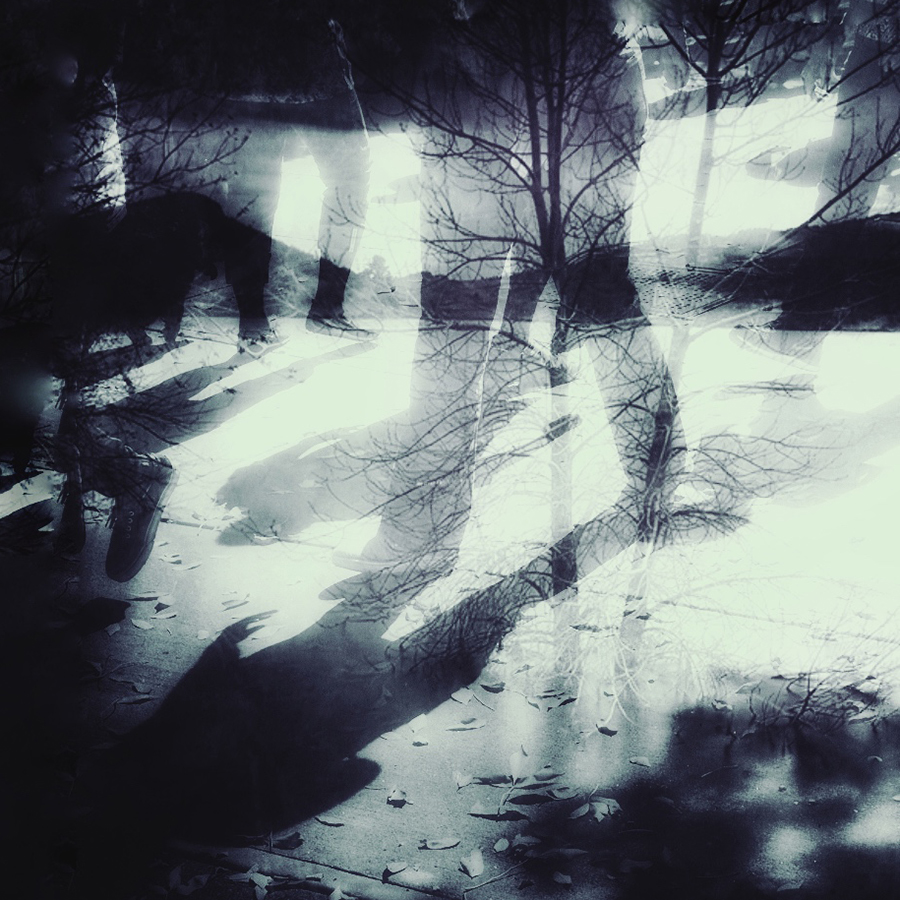
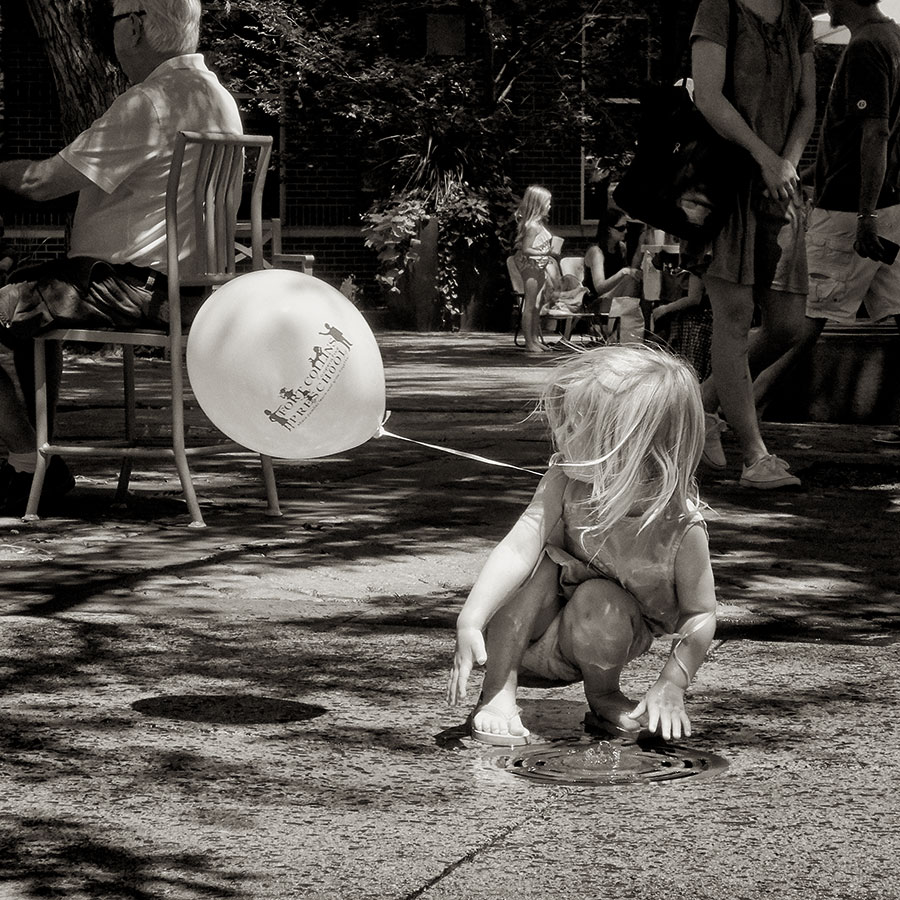
“Photography is all about evoking feelings and emotions. They can be hidden and obscure, or specific and obvious. They flow right on the surface of a photograph, slapping you across the face, or swim below, awaiting discovery.”~Peter Grof*
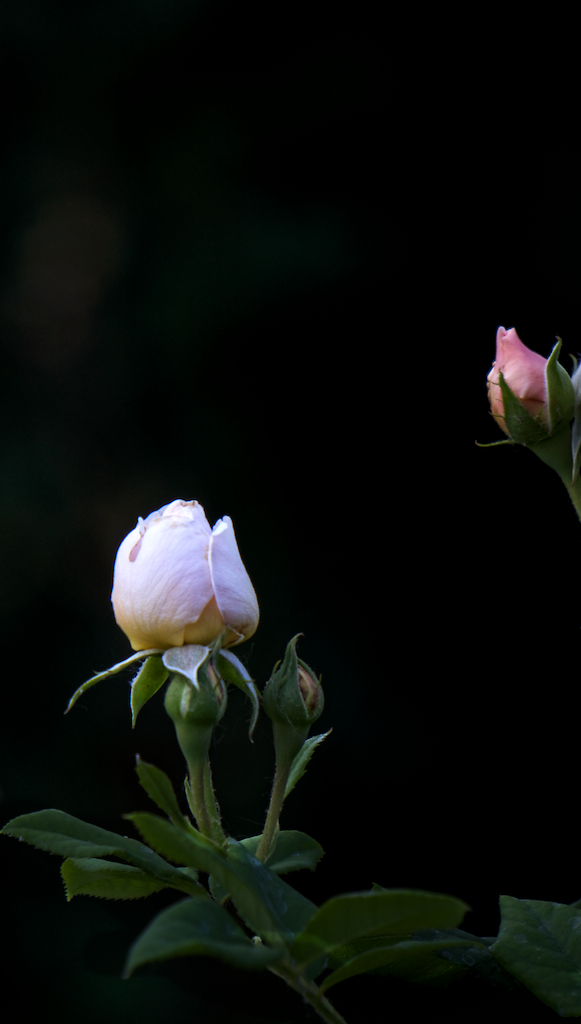
“What is the cause of everything? …everything relies on everything else in order to manifest. A flower has to rely on non-flower elements in order to manifest. If you look deeply into the flower, you can recognize non-flower elements. Looking into the flower, you recognize the element sunshine; that is a non-flower element. Without sunshine, a flower cannot manifest. Looking at the flower, you recognize the element cloud; that is a non-flower element. Without clouds, the flower cannot manifest. Other elements are essential, such as minerals, soil, the farmer and so on; a multitude of non-flower elects has come together in order to help the flower manifest.”
May I find the Equanimity that will lift a veil of shamed despair and acquaint me to the perceived and perceiver absent of greed, anger, and ignorance.
This journey with saldage has brought me to a place and time in which to unweave and sort through the pseudo-beliefs I have simply, without question, absorbed through the lens of childhood fantasy and comprehension.To begin this process is to reformulate beliefs through a process of mindfulness and analysis and then to know for myself, “These things are bad, blamable, censured by the wise; undertaken and observed, these things lead to harm and ill… These things are good, blameless, praised by the wise… These things lead to benefit and happiness.”
It is not an easy undertaking to not simply believe what has been learned within family, school and church as well as conclusions reached through readings. The invitation to not simply follow tradition brings to the surface conflicts with compliance and opposition that come from an avalanche of values and guiding principles that outlines how I understand the roles and expectations of women.
To not adhere to that which was surmised within family stories about an ancestor, who upon seeing a swarm of locust “knelt in his patch of grain and pleaded with his Maker to spare his wheat” and then saw them divide and not damage his remaining crops. Or within the story about the ancestor, who during a trip from New York to England, calmed the seas with a prayer, and while in England, after much fasting and prayer administered to a deaf and dumb boy who was subsequently healed. To not simply believe opens a door of pondering about generations of family members who intimately knew powerlessness and insecurity, who eased their feelings of incompetence through prayer, and whose conceptions blinded them to their neighbors’ plight.
To not simply believe that I must endure suffering is to reject the axiom that there is an absence of fundamental faith and goodness. To not adhere to the assumed abilities of ancestors frees me from the belief that a sincere act of making amends for my sins will open the doors to Shangri-La.To not simply draw upon scripture unbinds me to the shame that I don’t have the faith – even of the size of a mustard seed – to be deeded as “good and without sin” so what I wish for, even that which goes counter to nature’s laws, will be granted.To ease the suffering within discontent is to not simply hold to be true that I am to acquiesce to pain until the final judgment of death, and only then will I be forever at peace, or forever condemned to an existence of even greater suffering.
To not simply believe opens my ears to the incongruence within a belief in an all-knowing presence who, if not validated, punishes, absent of the grace within loving-kindness.To not simply believe brings a compassionate acknowledgment to the painful efforts to sway God into granting me my desires through bargaining, sacrifice, negation, and suffering, and to finally surrender with acceptance to “Thy will be done on earth as it is in heaven.”To not simply believe sheds light upon the greed, aversion, and delusions that are intertwined into my conception of and relationship with life.
I do hold that my beliefs and the subsequent desire for their illusive promises of validation, forgiveness, or reunification have set me upon an unending path of suffering.These beliefs lead to harm and ill as they are like thorns that tear into my heart.This searing pain releases resentment intertwined with envy, awakens alienation, and denies me the essence of Christ’s wisdom and loving compassion.
Christ stood before self-righteous anger and commanded that only the one without sin was to cast the first stone of punishment and, at another time and in the midst of his own suffering, sought forgiveness for those who “know not what they do.” Within these written words, I hear compassion speaking for the suffering intertwined within anger ungoverned by moral shame and moral dread.Compassion is telling us how suffering, entangled into knots of mental, emotional, and social turmoil, deafens us to our guiding principles and blinds us to the horrors our moral shame will witness as it awakens from darkened ignorance.
The practice of the presence of God as being comparable to that of consciousness finally makes possible “full awareness” applied to every thought, world, and deed. ~ Unknown
Excerpts from B Koeford, A Meditative Journey with Saldage
“Reachable, near and not lost, those remained amid the losses this one thing: language.
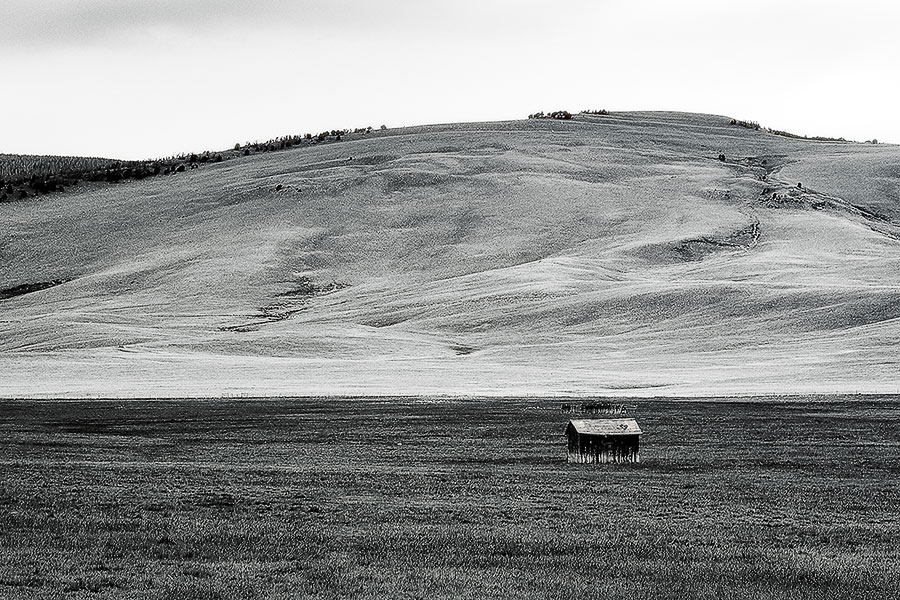
horsetooth reservoir… Nikon D750 f/7.1 1/25s 85mm 100 ISO
“It, the language remained, not lost, yes in spite of everything. But it had to pass through its wounded wordlessness, pass through frightful muting, pass through the thousand darknesses of deathbringing speech. It passed through and giveback no words for that which happened.” ~Paul Celan* (cited: V. Schwarcz, Bridge Across Broken Time p. 85)
*Poet, translator, essayist, and lecturer, influenced by French Surrealism and Symbolism. Celan was born in Cernăuţi, at the time Romania, now Ukraine, he lived in France, and wrote in German. His parents were killed in the Holocaust; the author himself escaped death by working in a Nazi labor camp. “Death is a Master from Germany”, Celan’s most quoted words, translated into English in different ways, are from the poem ‘Todesfuge’ (Death Fugue). Celan’s body was found in the Seine river in late April 1970, he had committed suicide.
Egidio invites photographers to share photographs that are associated with songs. That is, “what music do you hear in your photos?”
I thought to share this masterpiece of abstract art created by a very quiet and thoughtful artist.
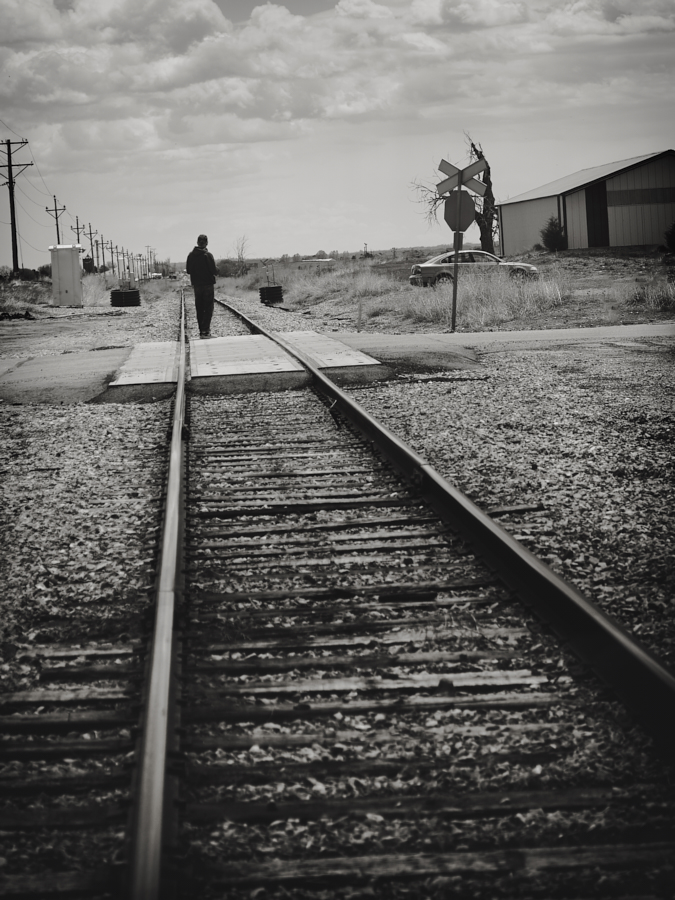
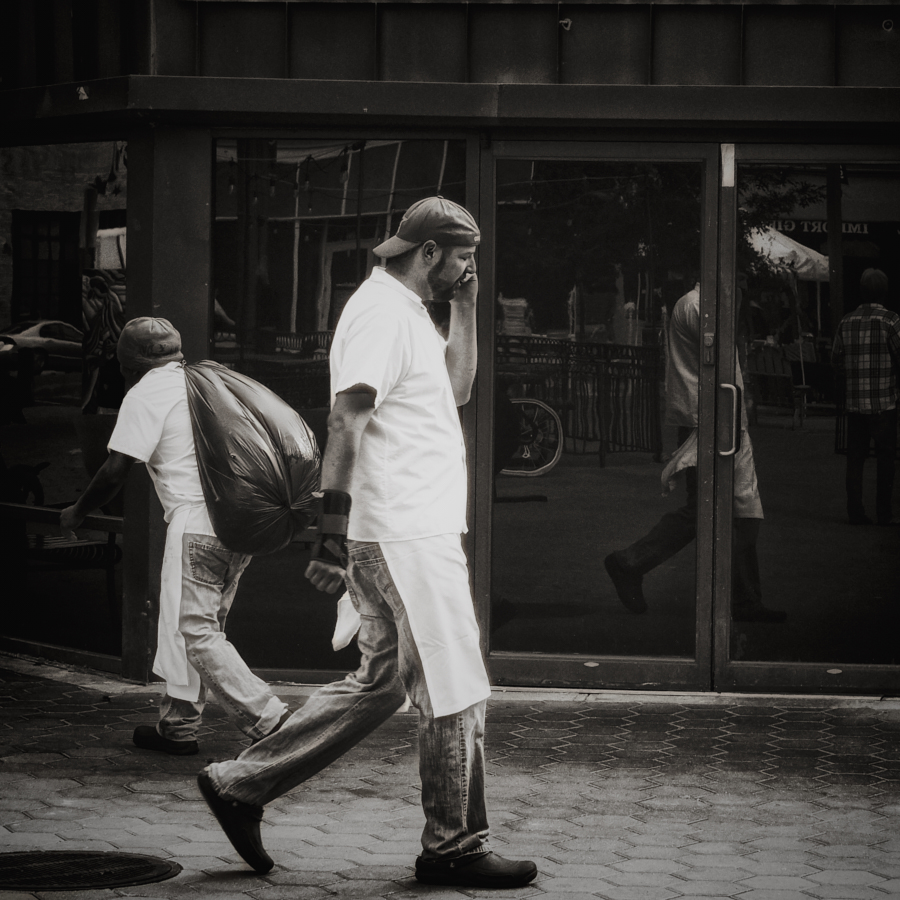
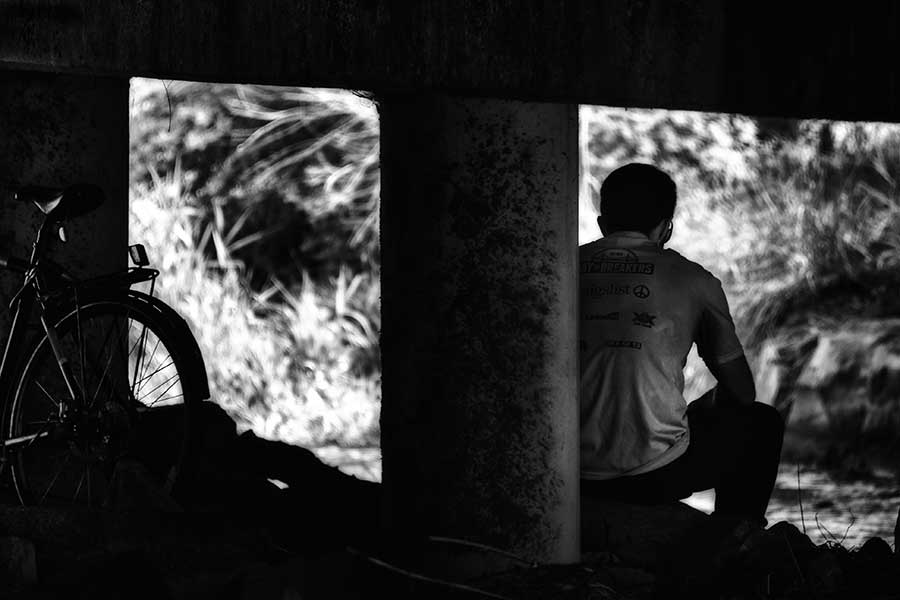
While photographs do not bring to mind music, they often speak to me either through haiku or a haiku accompanies me during a photo walk. There are associations with images and scent as well as music and memory.
Music seems more abstract than other art forms because it represents emotional states, symmetry and repetition, and other intangibles. But just because you can’t see or touch these things, doesn’t make them any less real. In preliterate societies, music was probably one of the best methods for storing and conveying complex stories and information.***
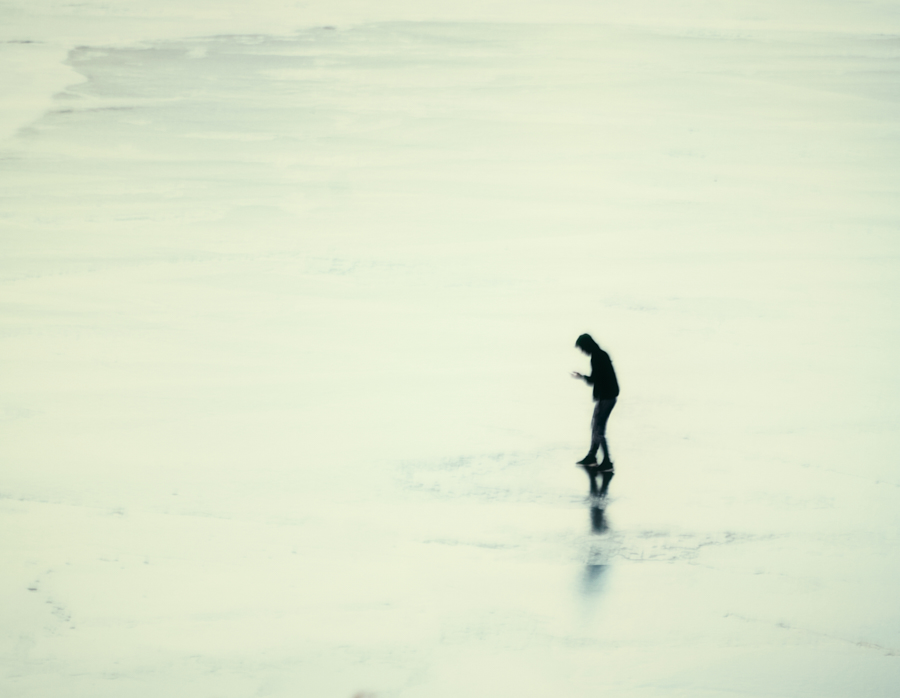
One of the best ways to understand how the over-all space of creative expression reflects its parts is to imagine yourself inside the space of the artwork…select a place within the composition where you would like to locate yourself for a few minutes of contemplation. …imagine…passing through different areas of the artwork…feel…energetic patterns. (152)****












 a meditative journey
You must be logged in to post a comment.