Street photography — when elements of reality and spontaneity combine with humanity’s quirkiness, we are gifted with memorable images of life as it is…un-doctored, non-photoshopped moments seen through various points of reference.
The photography project I undertook this year began to “focus” upon street photography in June and resulted in seven blogs dedicated to this particular genre.
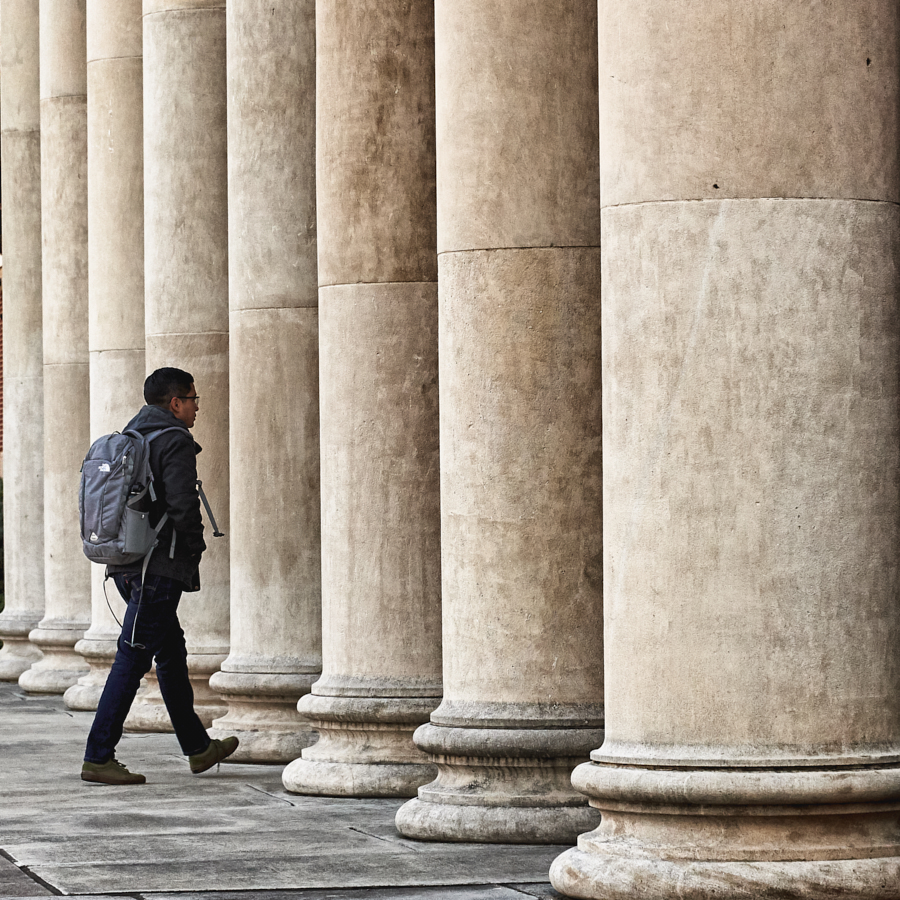
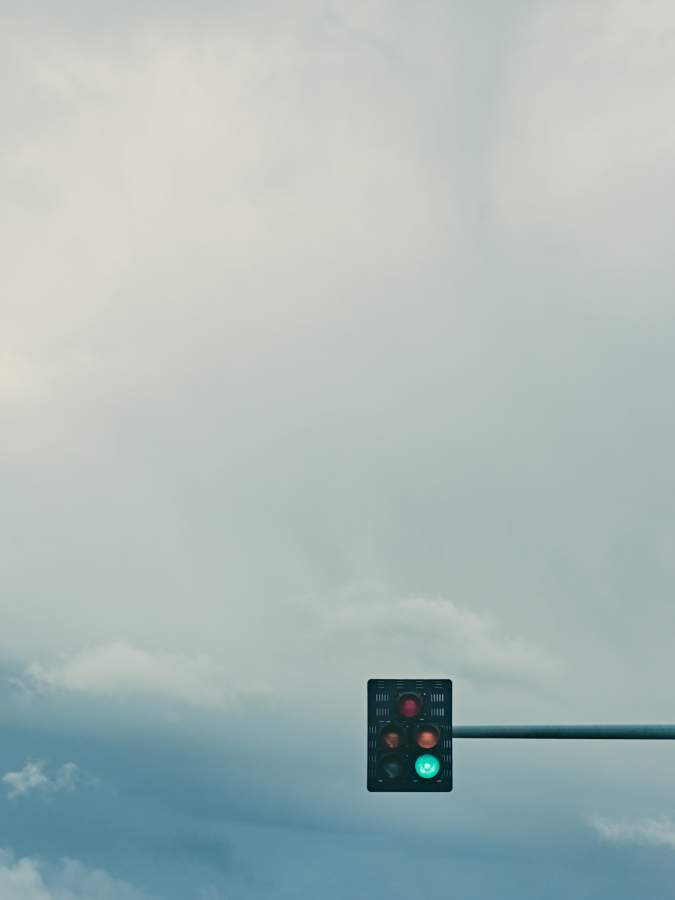
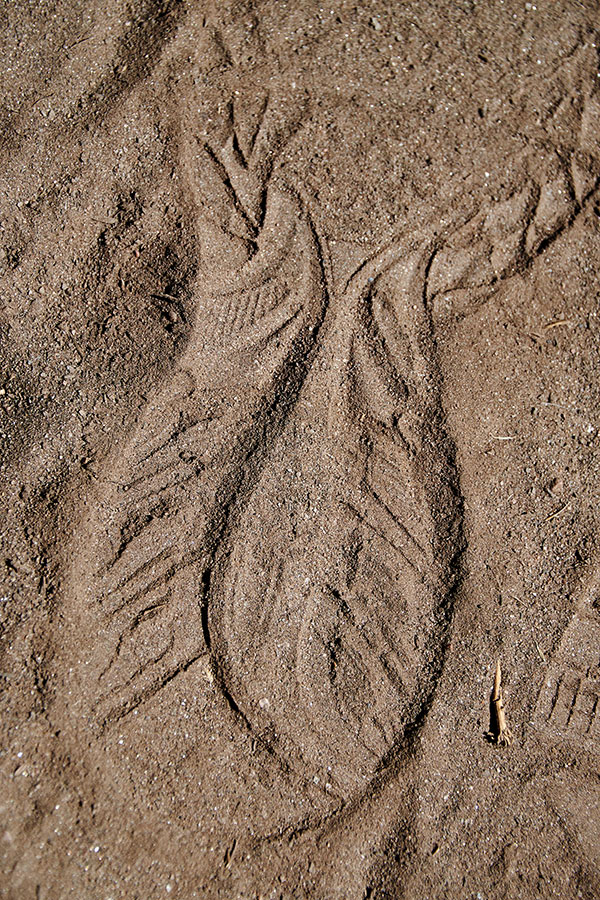
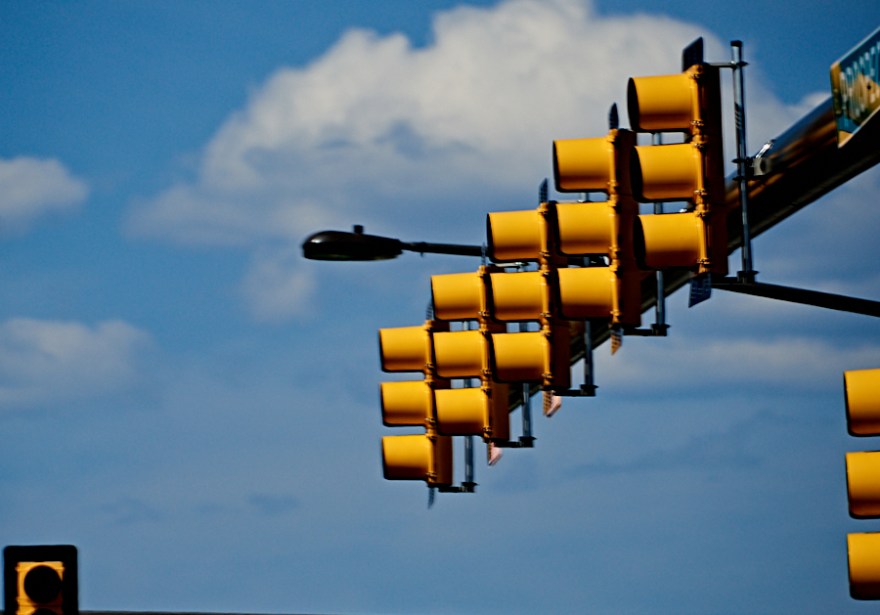
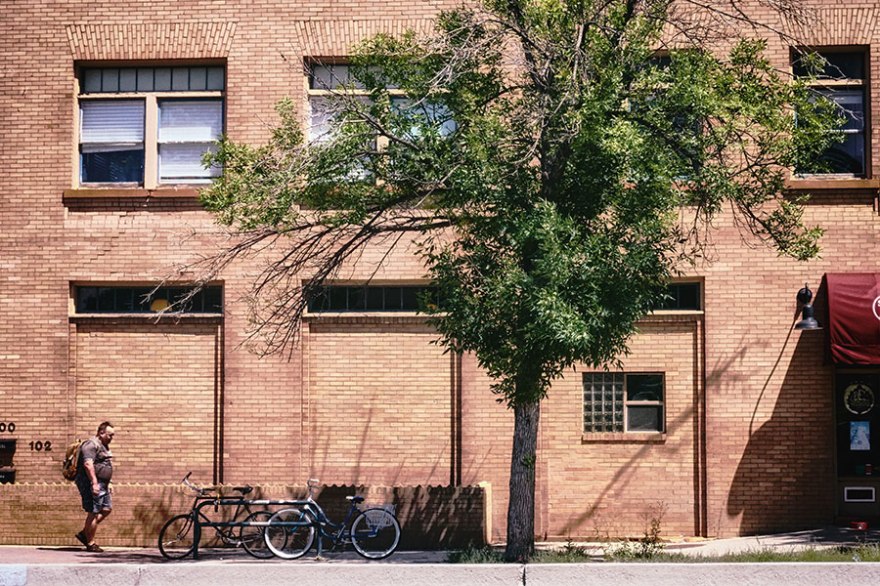
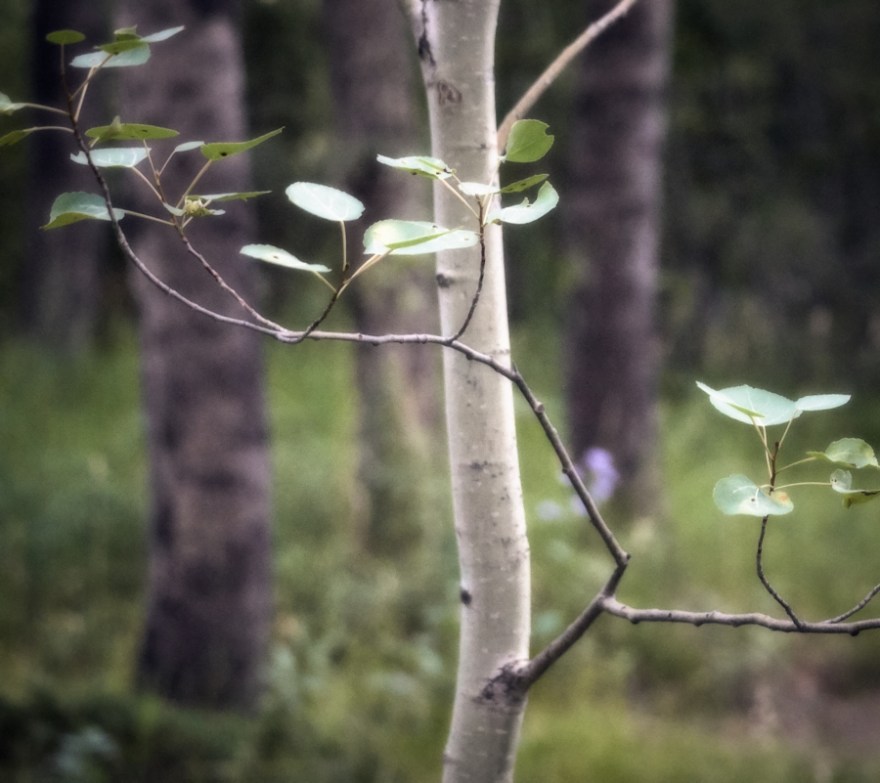
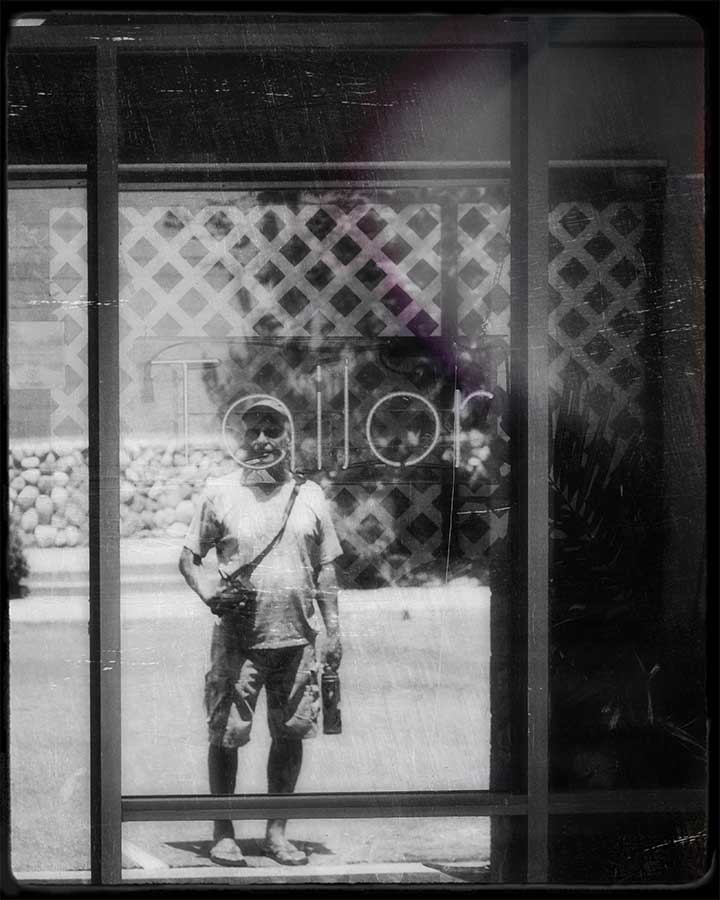
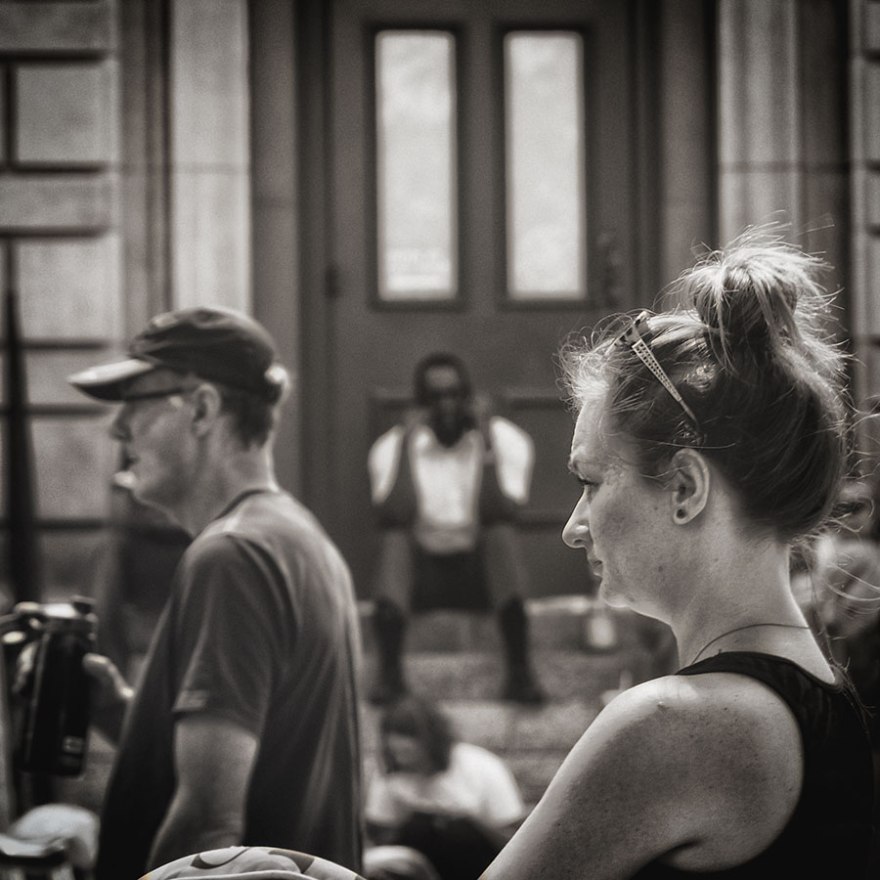
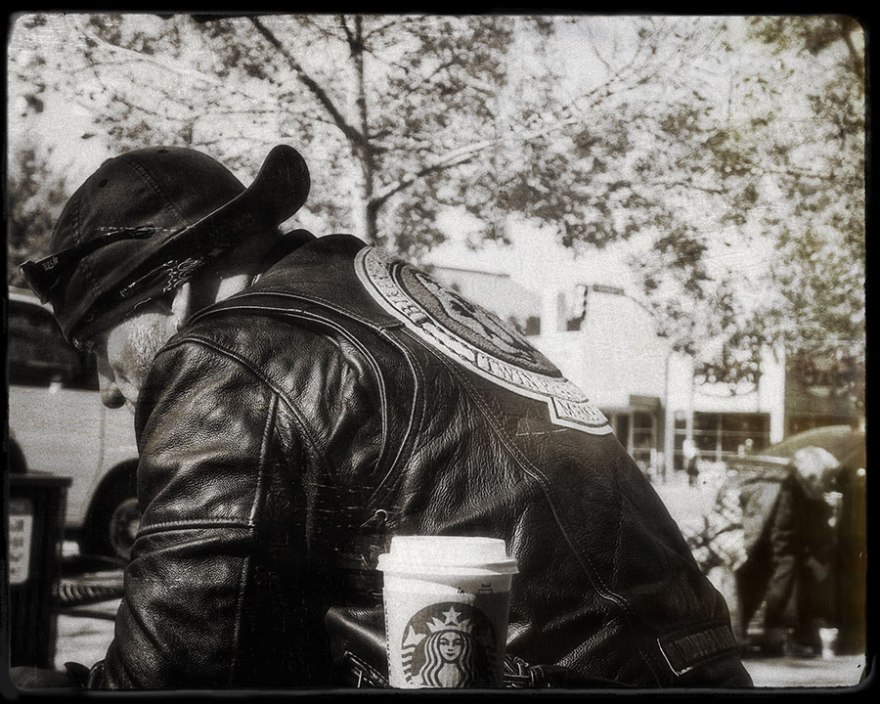
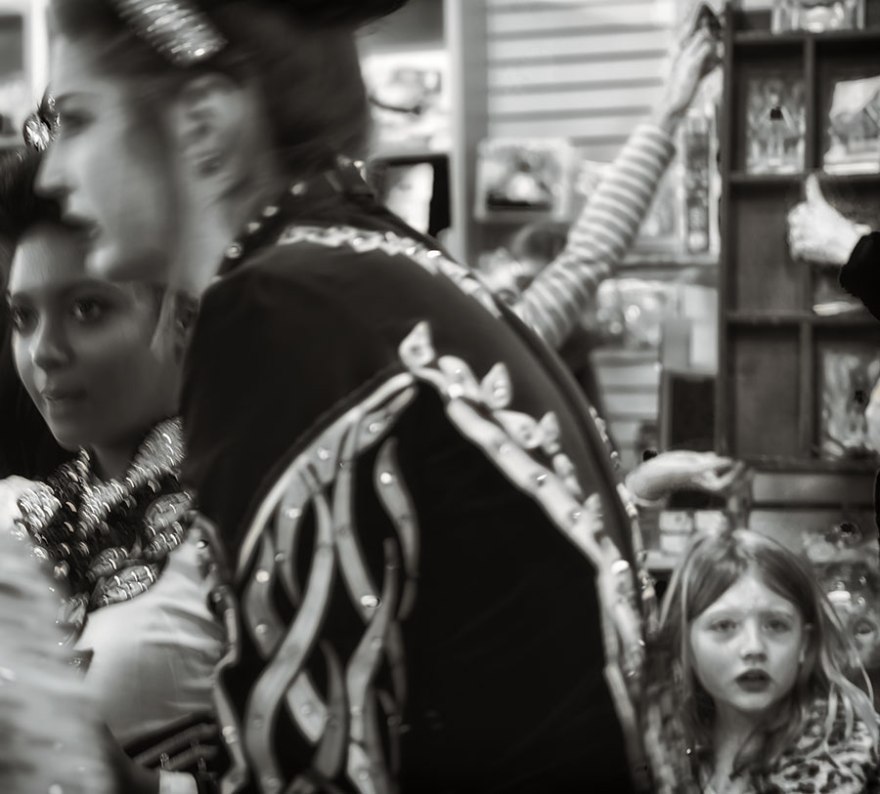
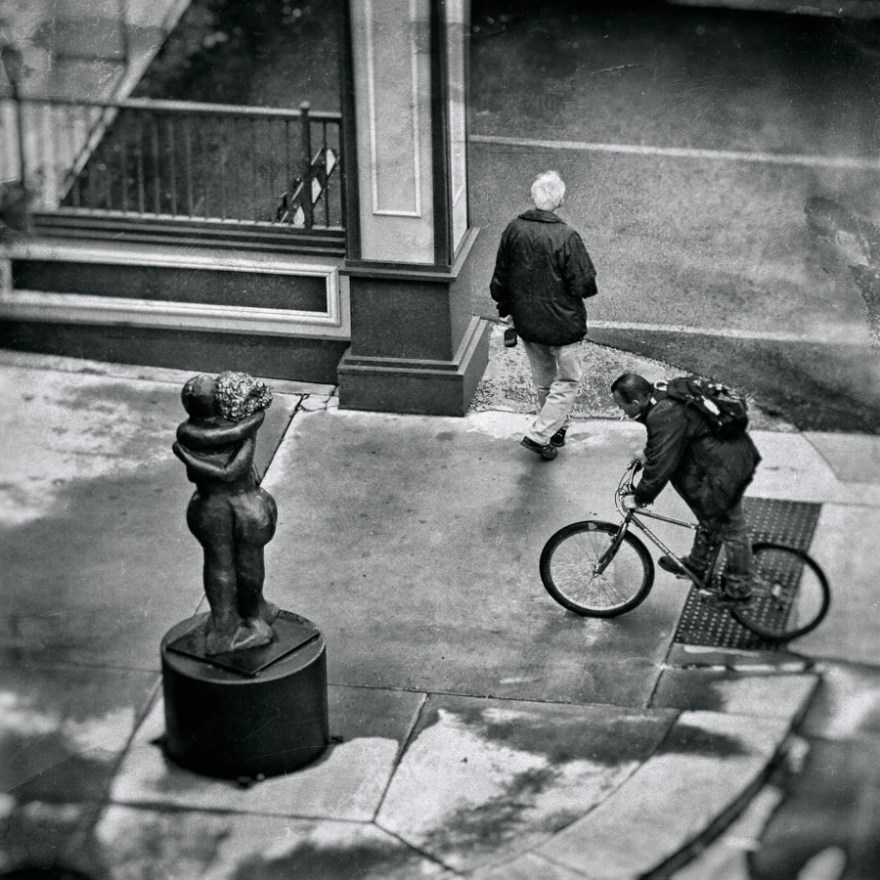
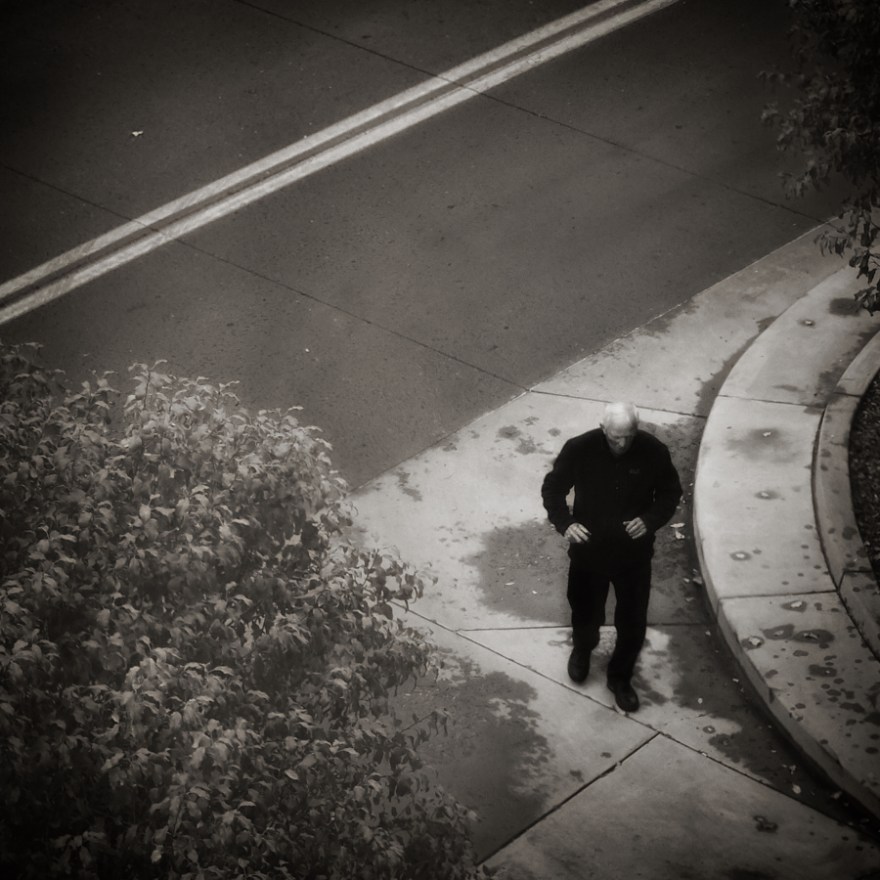
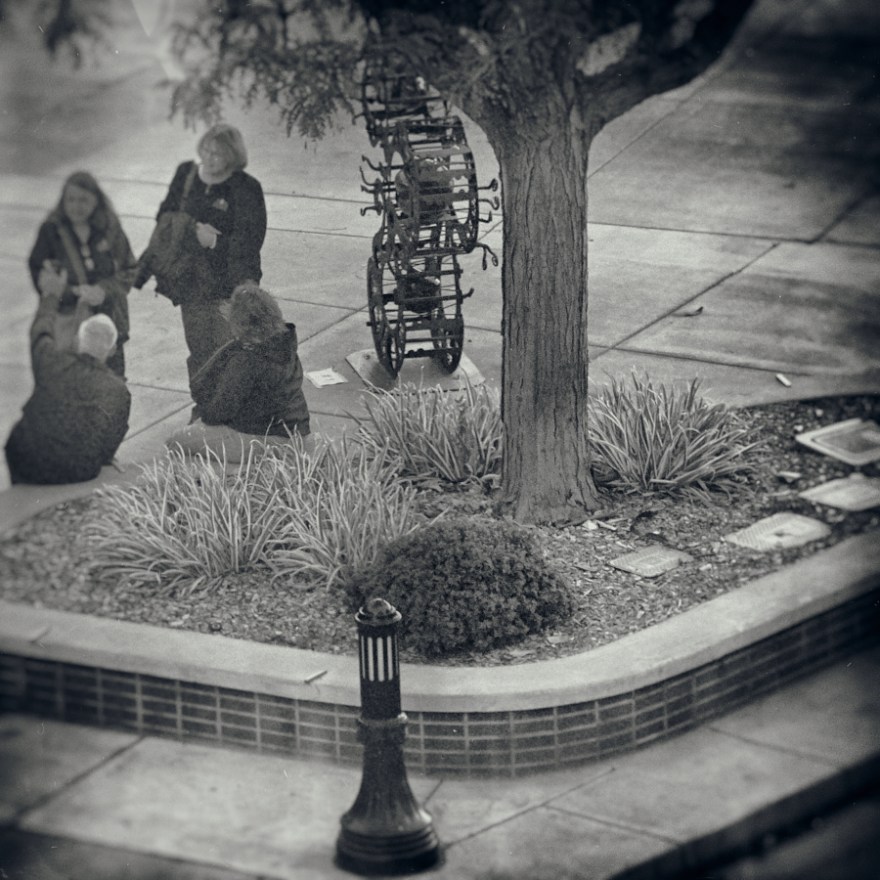
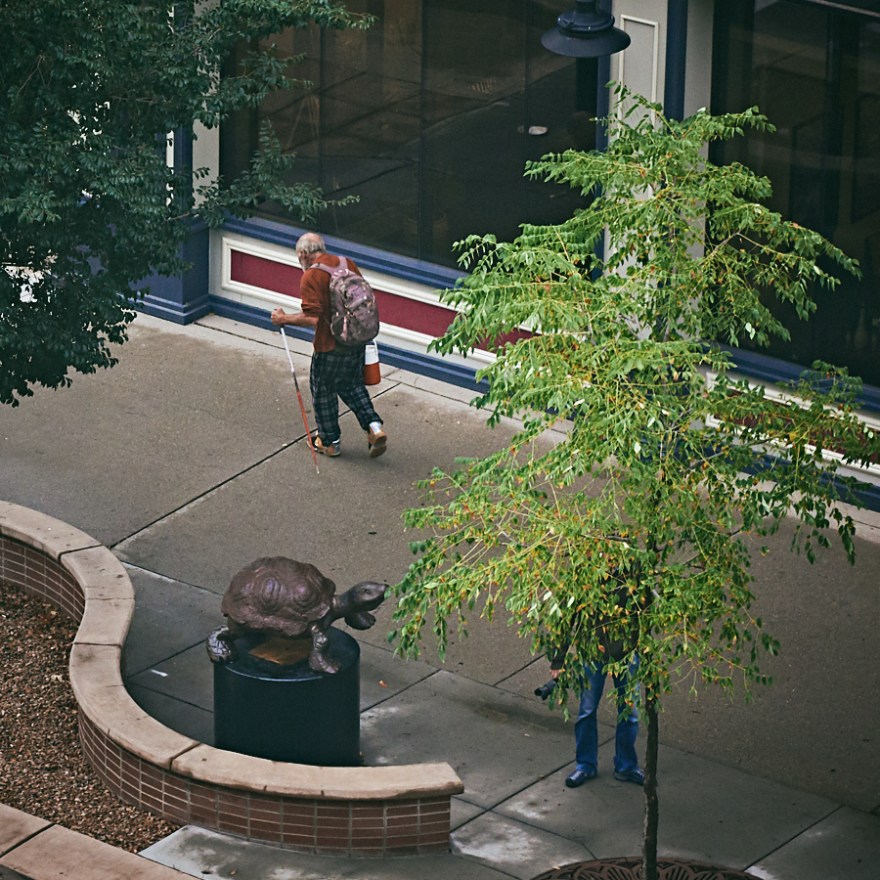
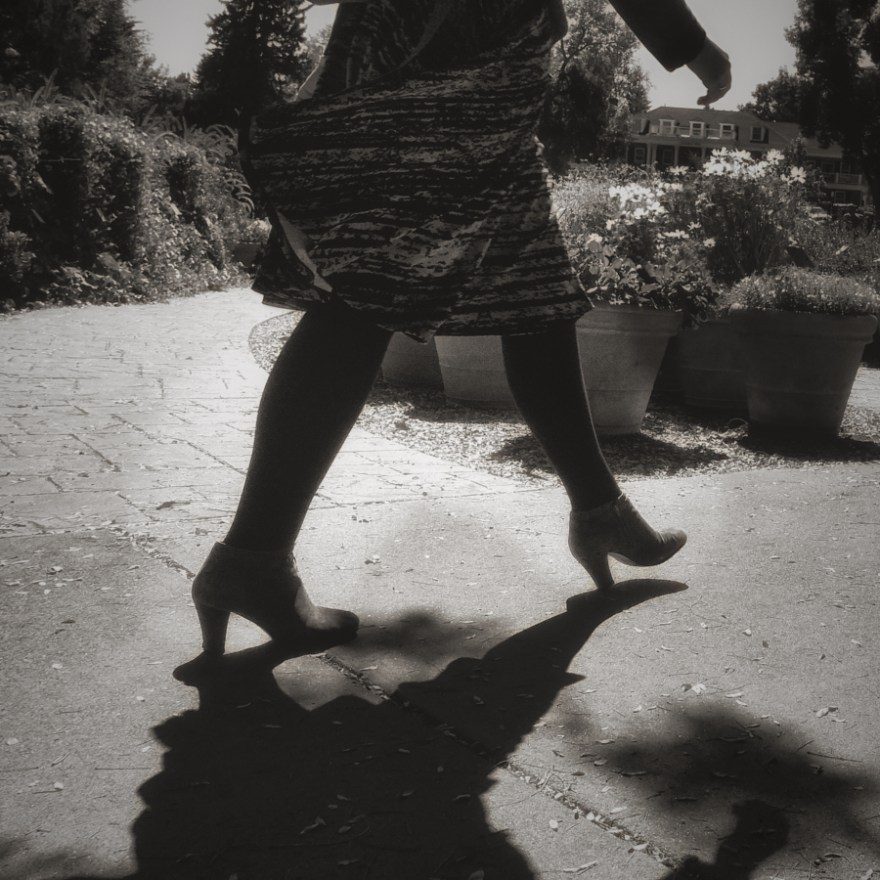
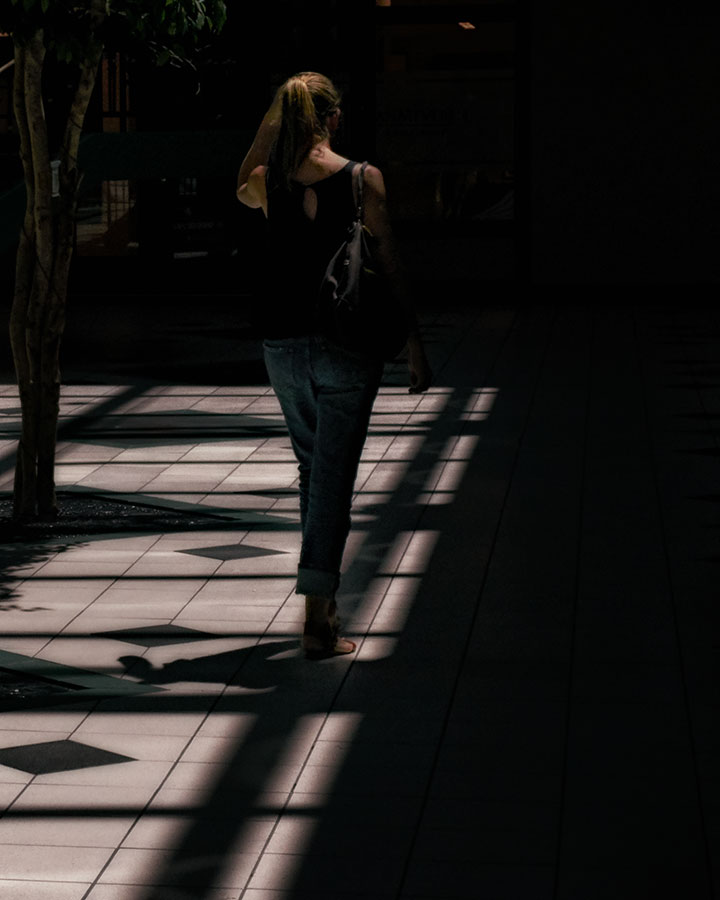
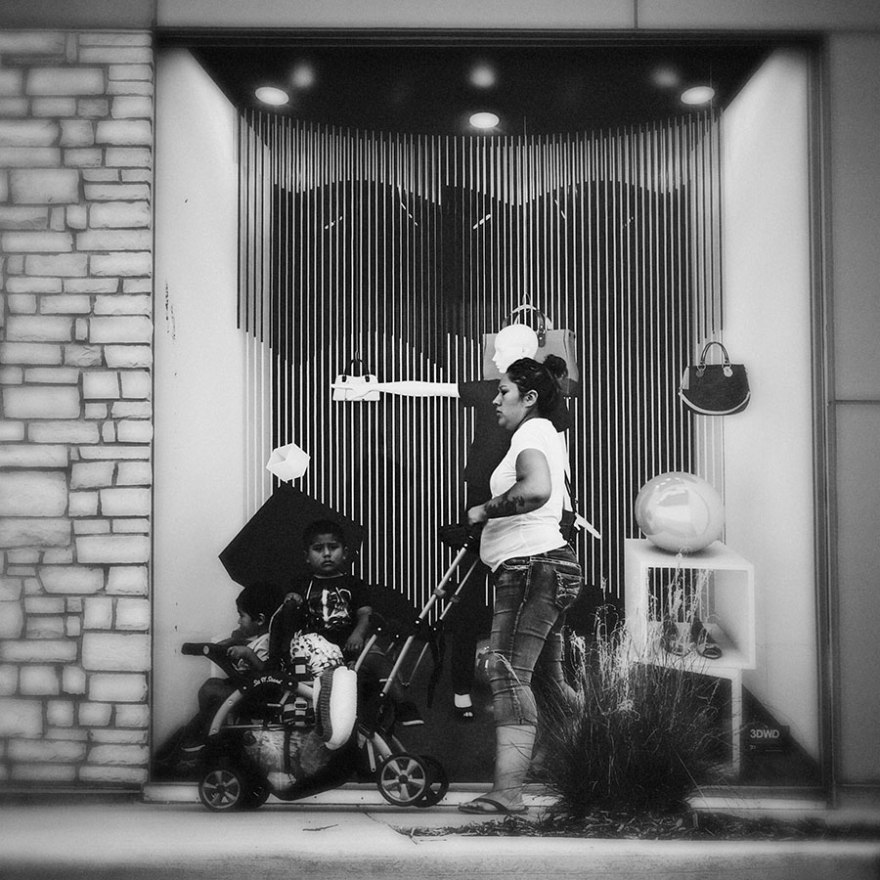
I love watching people, imagining their life stories, and photographing them unaware. Yet, more and more I am finding a growing sense of unease behind the camera that I attribute to an atmosphere colored by anxiety, distrust, tension. This in combination to some of Henri Cartier-Bresson images has invited me to explore an artistic side of street photography that draws upon the human figure, not as a point of focus, but as a compositional element.
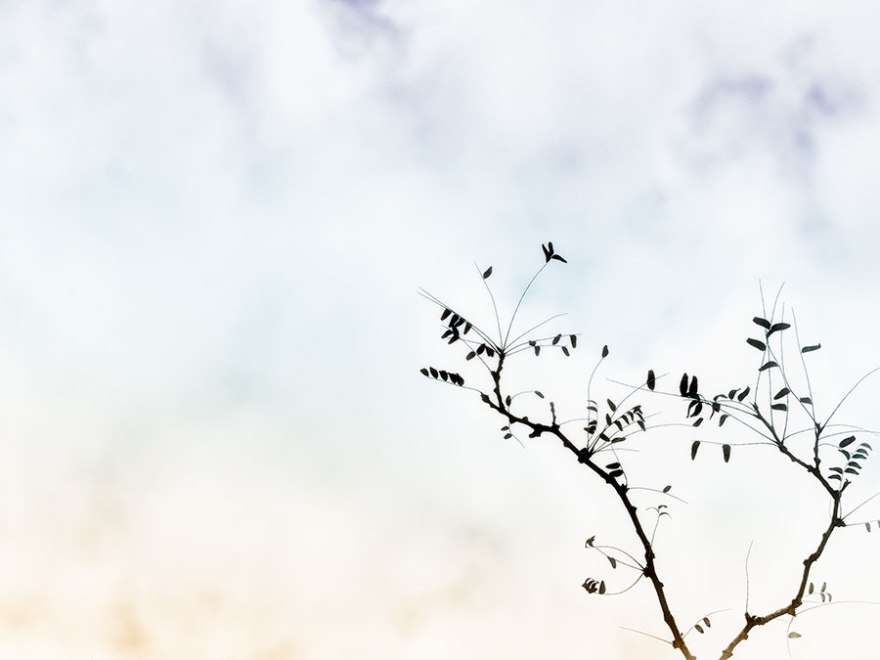
Has your creative work taken you down an unexpected path that was both exciting and challenging?
May is the month of my youngest sister’s birthday. Within memory, it is also the month of promised freedom…freedom from winter’s bone-chilling cold and freedom to escape the confines of home and school as jump ropes, marbles, chalk, and baseballs emerged from dark musty closets. Its promise was the promise of summer which held the yearning for freedom from school; and thus, the freedom to swim in the Yampa River, to ride the train to Steamboat Springs, to lose myself in a stack of library books, and to explore a backyard that had no fence barriers.
The photo study project during last May was inspired by my initial reading of Bruce Percy’s ebook, “The Art of Tonal Adjustment.” and Ted Forbes’ educational video in which he reviewed low angle photography.
What childhood memories does May awaken for you? Over the past year have you been inspired by a blogger, a photographer, a writer?
I am grateful for all of those who, in a role of teacher–intentional and unintentional, were an inspiration and within the listening and processing of their worldview a new window to my world opened. One window was opened this morning with this very interesting educational video about frames of reference which I will need to replay a number of times in order ease my mental fog.
April stirs my slumbering hunger for color to counteract the depressive yellowish-brown, tired, and bare world winter leaves in its wake. Growing up in the western part of Colorado, I wasn’t aware of how brown, dry, and “un-alive” this state can be until I saw Southern California’s multiple shades of green from the window of a plane and felt the amazing touch of the ocean’s breeze as I left the airport.
As I reviewed the blogs posted during April, I found that some of the composition elements that my photo study explored were:
rule of thirds
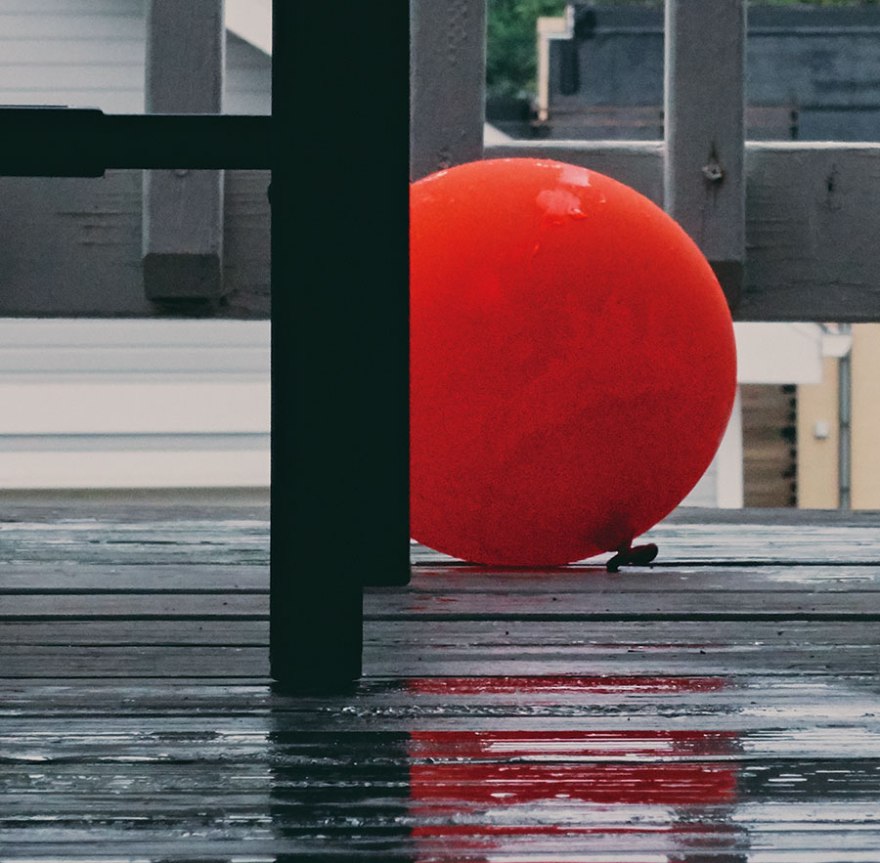
photographing red
the photographer – “point of departure”
“From now on, before I go shoot, I’ll consult internally to focus on one thing I want to capture, and have that point of departure. It’ll give purpose to my work and me being out there. The advantages are that I’ll learn patience, presence and a deeper sense of observation. This is a powerful and deep message…have a point of departure.” ~Ralph Gibson
My favorite parts of blogging is the sharing of photographs and reading the thoughts you share in the comment section. This ongoing exchange is like an ongoing virtual trip through various countries and ideas that result in an expanding worldview. Thank you.
Even into the mind always clouded with grief, There is cast the reflection of the bright moon ~The Sarashina Diary (Diaries of Court Ladies of Old Japan)
North Shields Pond.…Nikon D750 f/7.1 1/400s 44mm 360 ISO
image submitted in response to Patti’s lens-artists photo challenge: reflections
March is that time of year when the promise of spring begins to be seen in the subtle transitions of yellowish-brown to green, tree buds, bicyclist, and clothing. With the sounds of rivulets created by melted ice and snow, my soul also begins to thaw.
The photo study project for this month included:
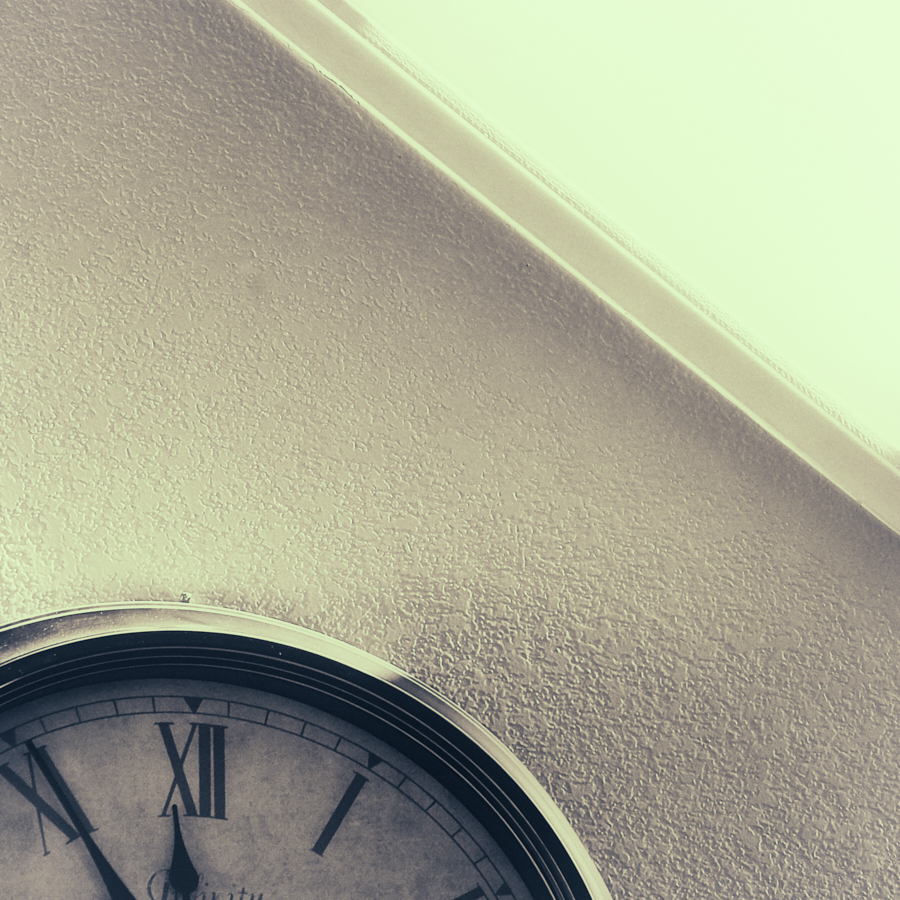
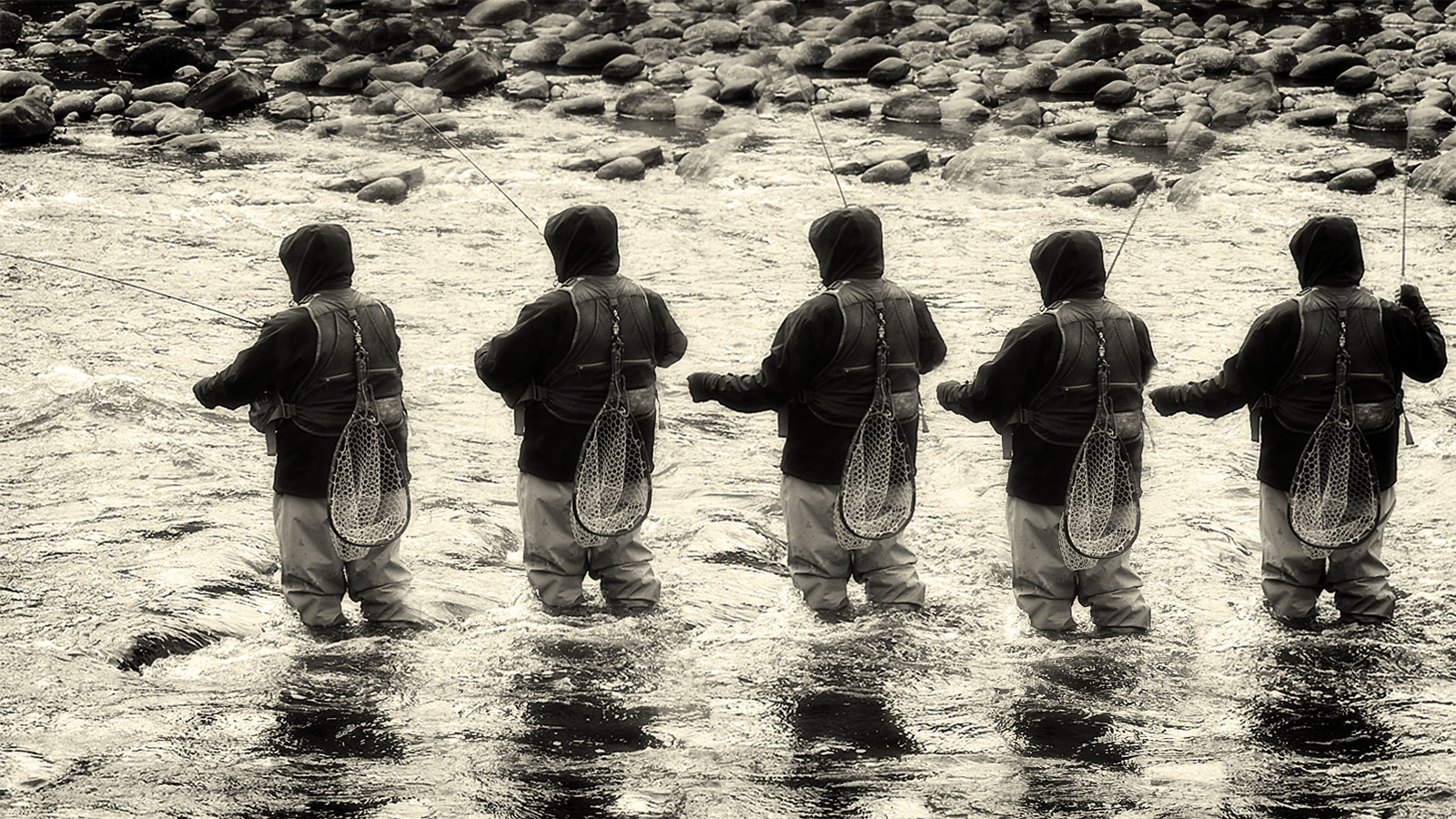
rhythm & tone
rule of space
abstract photography
While I understand that tone and rhythm are found with repeating patterns, I still struggle with the transition of these elements from music to photography. Oh well….maybe one day there will a moment of enlightenment in the early morning hours or during a morning shower.
When you look back to March, did you find a theme or a project that guided your photography?
Today, I like the word Wintering (the act of staying at a place throughout the winter) as it has an underlying message of being at…rest, peace. A seasonal nap time.
Nikon D750 f/7.1 1/500 50
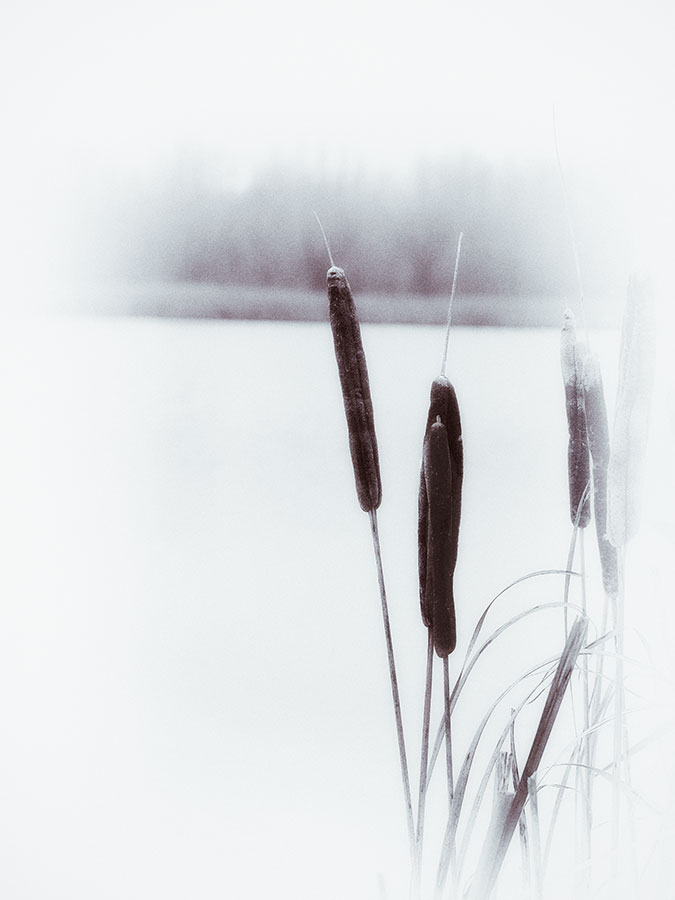
During this time of year in which nature slumbers, there is an invitation to sit beside the fireplace and study the amazing images of Michael Kenna and Bruce Percy.
February has within it whispers of spring, It also–like November–is a time of heavy snow storms and cabin fever. Last year I set out on a “frame within a frame” photo assignment.
What gifts did February, 2018 bring you this year?
A life review, a year review, an anniversary review, a retirement review, or a graduation review invites us to reflect upon memories and begin a private process of shifting through remembered moments as if they were grains of time in which we place into value-laden categories that generally fall into piles of “good”, “bad”, or “indifferent.” This is the ground work for the emergence of future plans, goals, and yearly resolutions.
Photography, through its visual recording of time, offers a quasi-concrete way of revisiting our yesterdays. It is the coming together of aged and blurry photographs and shared family stories that have formulated and validated the pre-memories of my childhood self beyond my birth certificate and my parent’s marriage certificate. As an aside, I have wondered about the impact cherished family photos have on remembered and shared childhood memories especially in contrast to the time before photography when family stories, diaries, paintings, drawings, songs, biblical records, and cemeteries were memory keepsakes.
At this time, I thought it would be interesting to do twelve photo review blogs of the images created during 2018 as part of the aphotostudy project I began last January. I would love to have you join me and share the photographs that highlight your blogging journey through 2018.
Also, as this year fades into memory and opens a door to 2019, I wish to express my gratitude for all of you who shared your creative endeavors, knowledge, and thoughts throughout the year. May each step you take throughout the coming days be accompanied by love, joy, and peace.
Ted Forbes brings his Master Class Live series to a close by identifying a number of important reminders for amateur and professional photographers:
photographs come from your mind, your talent, your skill level, your experience, your sense of creativity….
…what you are as a photographer is a sum of all your experiences and everything you have done up to this point comprises your skill level.
…the camera doesn’t make images you do
Developing your style as a photographer is:
…an ongoing process…this is something that you get better and better and better and better at, and I think, hopefully, one day you get really good at but it never stops….
Exercise 1:tell a story without words
identify a story or how-to-series you would like to create
use your camera to create a series of photographs
use as many perspectives as possible
keep it simple
think about composition, that is how could various elements assist in telling your story
create a lot of images…15-30+
edit the series of images
identify those that specifically show what you are trying to communicate
removing those that are not essential in the story’s key points
edit again to pare the number down to as few as possible.Can you remove all but one and still tell the story?
The absolute goal of this exercise is to tell a story with one image that interacts with a viewer and evokes an emotional response, a reaction, or a change in perspective, thought, or understanding.
A number of various genres that may inspire you are:
…what we’re doing here is getting you to think…over the course of a long period of time you may see some of it very quickly, some of it in a matter of weeks, depending on how hard you work, it may be a couple of years before you start really feeling like you defining yourself as a photographer…the catalyst, which I think is really important…what we are looking for right now…is to get you to start thinking differently…
The first part of this Developing Your Personal Styleseries invited us as photographers to learn how to see and think–visualization. The second encouraged us to utilize the meditative process of concentration and returning to the object as a means to extend our creative endeavors by encouraging us as photographers to “exhaust all possibilities”and “to train the brain to think.”
This week Ted Forbes has offered three separate photo assignments that blend two things together…emulating an identified feeling state of experience and engaging with a subject in such a way as you create a portraiture that represents an identified feeling.
Exercise 1:
Start with a basic feeling…identify an event or something that happened in your life that is associated with a feeling — happy, angry, sad, worried, etc.
Visualize and mediate upon this feeling state.
Get your mind to think differently….how do I bring that certain feeling into an image?How do I just shoot something that represents that state of experience?What do I need to do to get that feeling to be represented in a photograph?
Replicate this feeling through a still life, landscape, or abstract image.
Don’t expect to be good…it takes time to emulating feelings.
The initial photographs we create during this time “…may not be great, but the whole point is [we’ve] got [our heads] thinking and [we’re] getting [our] mind around composition and possibilities and that’s what’s really important…”
This slideshow requires JavaScript.
Exercise 2:
Go to the library or book store and find a photo book of a photographer whose work touches upon the multiple emotions within the human experience; e.g., Cartier-Bresson, Walker Evans.
Ask yourself what is it about this photographer that inspires you to start seeing the varied possibilities of photographing and evoking feelings.
Remember you don’t have to try and be like him…just see the possibilities.
Create a portraiture of someone that demonstrates an identified feeling state.
Engage with your subject, share what feeling state you wish to convey, develop a sense of trust, be like a movie director encouraging an actor to communicate a specific feeling.
Keep in mind
there is discomfort for the viewer when she can not see someone’s eyes.
people communicate emotions all of the time through their facial expressions and body postures.
interacting with people will help increase your comfort level
experiment with how to evoke feelings of people so that in time your work demonstrates your individual touch and people will “want you and no one else.”
This slideshow requires JavaScript.
I hope you will enjoy these challenging exercises that encourages us to stretch our imaginations while creating images that represents your personal style. As always, I’m looking forward to seeing some of your work and reading your thoughts. Let’s tag with #aphotostudy.
You must be logged in to post a comment.