Contemplative and landscape photographs submitted in response to Ritva’s lens-artist challenge: encouraging photographers to deliberately defy traditional framing conventions.
Photographing what is … the morning’s light
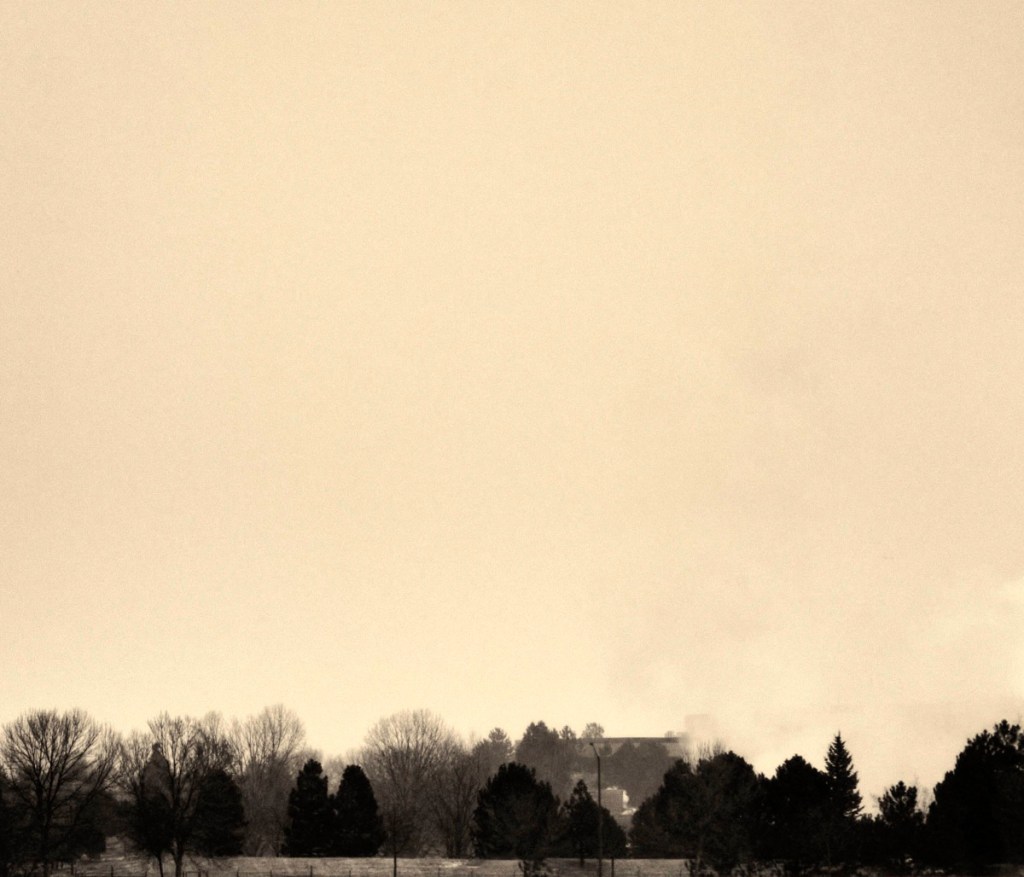
landscape images cropped with a focus on negative space.
She with a cup of coffee, embraced within her chilled palms, both blanketed by the first light’s silence … her eyes looking, not seeing the eastern horizon’s slow transition from darkness to light. Suddenly, the sky’s canvas painted by the dance of the sun’s rays and clouds broke through her internal musings, “Wait, wait, please don’t move,” she pleaded as she began a search for her camera and trying so desperately, once again, to win her battle with … the moment by moment changes within life, the ephemeral nature of all that is…
across a concealed blue sky
aimless shifting stories...
gathering and dispersing – obscure particles
painting stories … anew,
moment by moment
Thank you Tina for the week’s lens-artist challenge: Ephemeral
becoming…Nikon D750 f/2.5 1/1000s 35mm 800 ISO multiple exposure, 3*
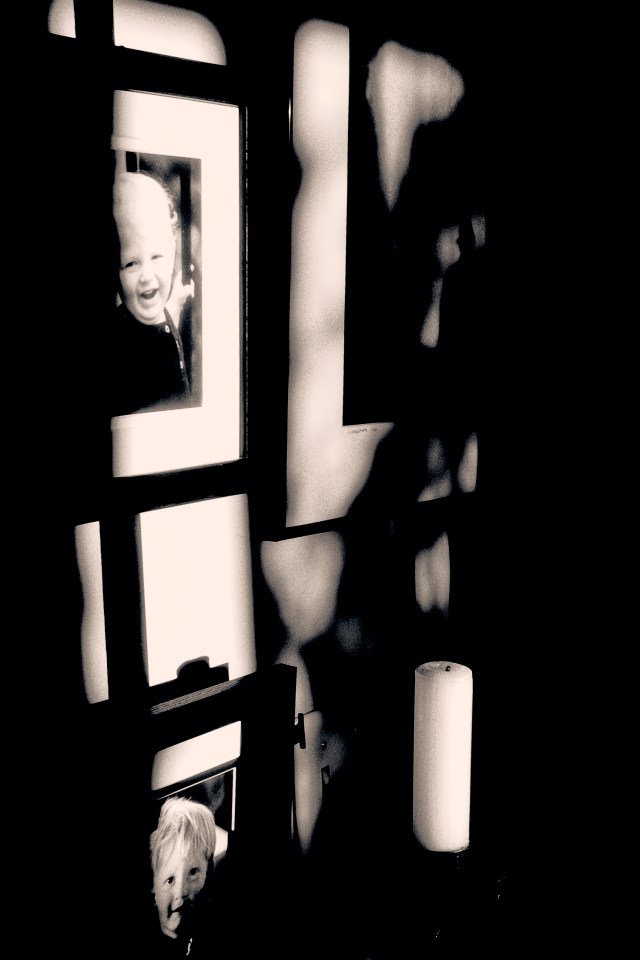
” Receding, dwindling like a child glimpsed in a hall of mirrors – Anouk at nine, still more sunshine than shadow. Anouk at seven, Anouk at six, waddling duck-footed in her yellow wellingtons, Anouk with Pantoufle bouncing blurrily behind her, Anouk with a plume of candy floss in one small pink fist – all gone now, of course, slipping away and into line behind the ranks of future Anouks. …Marching faster and faster towards a new horizon –“**
*becoming first included in July 31, 2019 post, Dreaming Dreams.
Photo composition is an essential element of any photographic image. A photograph has only two essential elements, subject, and composition (not camera settings). By composition, we refer to the way we place all the elements of the photograph inside the four sides of our frame. ~George Tatakis
Lines are horizontal, vertical, diagonal, organic, and implied. Ted Forbes (The Art of Photography) wrote that while lines don’t actually exist in nature they are most likely the most basic element of visual composition. He further noted:
Lines serve many purposes in visual composition. They can divide the composition, they can direct the viewers eye, they can define shapes and they can make a statement to the feel or interpretation of the image by the viewer. Line’s speaking to the feel of a composition is extremely important.
For me going beyond the intellectual understanding of color theory: that is, to feel, see, sense, and be engaged with the multiple interactions of color within an image is a challenge.
It is my understanding that patterns are the repetition of shapes that are pretty basic and similar to each other. We will see them repeating at regular intervals within nature, design, works of art, architecture, and photography.
Thank you John (journeyswithJohnbo) for this invitation to refresh my understanding of these three tools of composition
“Was it possible that the best way to make sure of yourself was to know and understand someone else?
One whose life had been completely different and had had a completely different logic than your own? How did curiosity for another life go together with the awareness that your time was running out? …” Pascal Mercier, Night Train to Lisbon, pg 97.
This week Leya invites lens-artists to “share a link to the old post, and then create a new post on the same subject” Oh how fun!
After viewing the WP listing of a hundred and sixty-seven Lens-Artist’s challenges … no creativity challenge. “Oh! I must have been absent that weekend? What to do? Take a different road to creativity? Will I be forgiven?”
Calling upon the courage needed to search outside Leya’s guidelines, I found, a 2018 post – A photo study: contemplative photography.
Creativity begins as we begin to think differently, move out of our comfort zone, start to use our head over the camera, and go beyond all apparent possibilities.
iPad f/1.8 1/50 sec ISO 64
Creativity is the ability to make or do something new…the ‘something’ can be an object, a skill, or an action. To be creative, the object, skill, or action cannot simply be bizarre or strange; it cannot be new without also being useful or valued, and not simply be the result of [an] accident. …an important form of creativity is creative thinking, the generation of ideas that are new as well as useful, productive, and appropriate. The second is that creative thinking can be stimulated by teachers’ efforts…
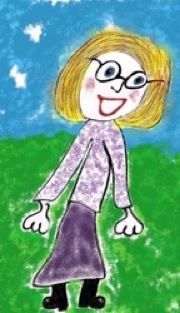
Pablo Picasso once said, “Every child is an artist. The problem is how to remain an artist once we grow up.”
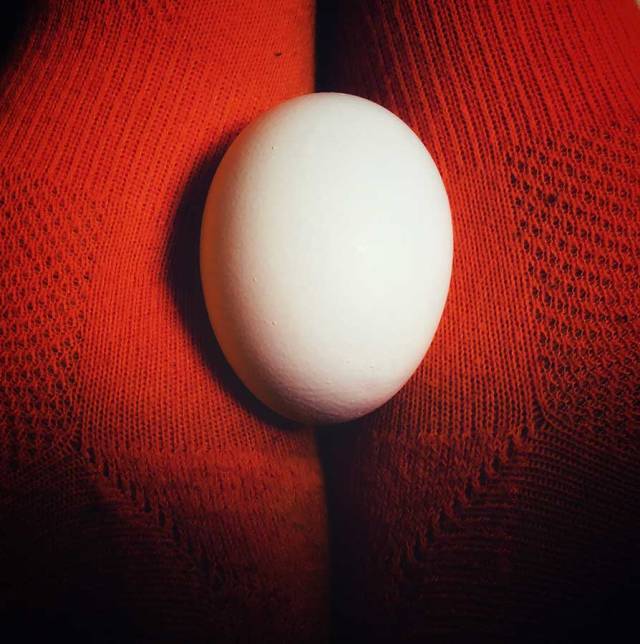
Found object art began to take shape in 1912 when Picasso made his cubist constructions from various scavenged materials, adding such things as matchboxes and newspapers. Dada and surrealist artists then made extensive use of found objects. And now, the art form continues to thrive among mixed-media artists.
…our ordinary vision is limited…our conventional consensus of reality is not the only version of reality…the mind…in its attempt to provide meaning (security), continually rearranges the world to fit individual needs. The failure to recognize the constructive nature of the mind can be a major obstacle to artistry and creativity.
~Tao of Photography, Gross & Shapiro
Nature gifts us with her ever-changing dynamic paint brush upon the canvas of life
























 a meditative journey
You must be logged in to post a comment.