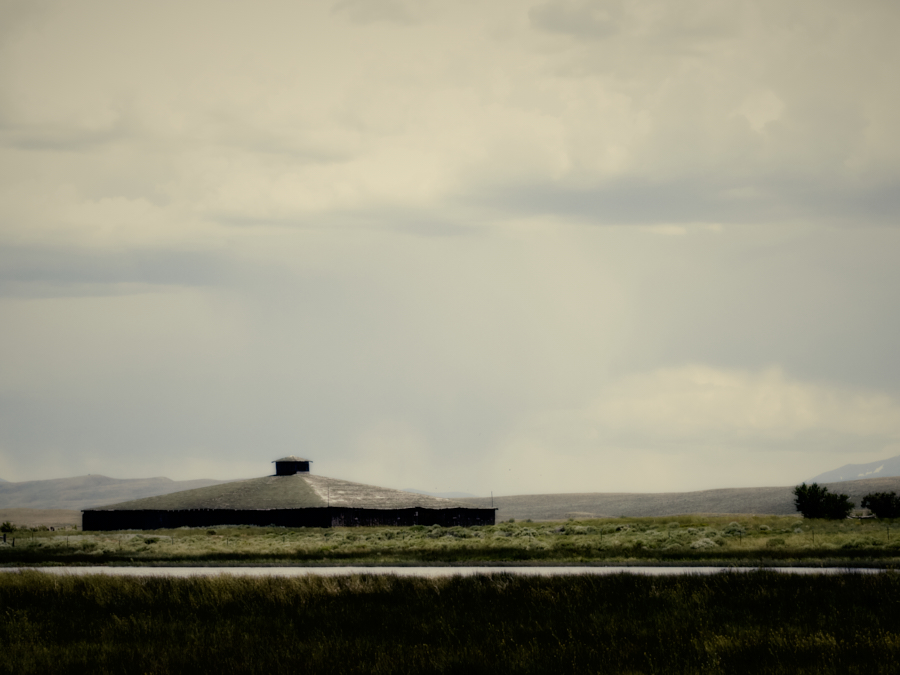
Arapaho National Wildlife Refuge… Nikon D750 f/7.1 1/4000s 78mm 800 ISO
“… What a bizarre new landscape, so full of eerie fascination, yet one we might also come to love again. We human beings cause monstrous conditions, but precisely because we cause them we soon learn to adapt ourselves to them. Only if we become such that we can no longer adapt ourselves, only if, deep inside, we rebel against very kind of evil, will we be able to put a stop to it. Aeroplanes, streaking down in flames, still have a weird fascination for us – even aesthetically – though we know, deep down, that human beings are being burnt alive. As long as that happens, while everything within us does not yet scream out in protest, so long will we find ways of adapting ourselves, and the horrors will continue.”
cited: Trans: Arno Pomerans, An Interrupted Life The Diaries of Etty Hillesum 1941 – 1943, p. 81.
Image and quote submitted in response to Travel with Intent’sSix Word Saturday Challenge
“… literature provided me with alternate threads by which to darn a harmonious, yet delusional, understanding of death, of fatherless children, of a family. To move into this realm is to be cuddled in the arms of a chair, mesmerized by the pages of a book unfolding like an accordion, embraced by a transparent sound barrier, and transported into fantasies found through fictional characters. While my mind’s eye grasped the hand of my naïve emotional self and together we observed the telling of storied lives, there was a seeking mind that simultaneously identified revealing markers to create a map, not to a place of hidden treasures, but to a place that felt like a home.
I was six years old the first time this happened. Martin and Cooney’s Five Little Peppers and How they Grew eased my aloneness with the emptiness left by my father’s death and filled it with a reformulated concept of family. Later, it was Alcott’s characters within Little Women and Little Men who gave me permission to vicariously be a fatherless child united with loving adults who validated sacrifice, patience, and compassion. Burnett’s themes of grief and loss within The Little Princess identified the behaviors, choices, and attitudes necessary to survive the evils of dark despair until the rescue by an unknown and unidentified savior, just and righteous.”
~B Catherine Koeford, A Mediative Journey with Saldage homesickness for a place, a time, a person that cannot be












 a meditative journey
You must be logged in to post a comment.