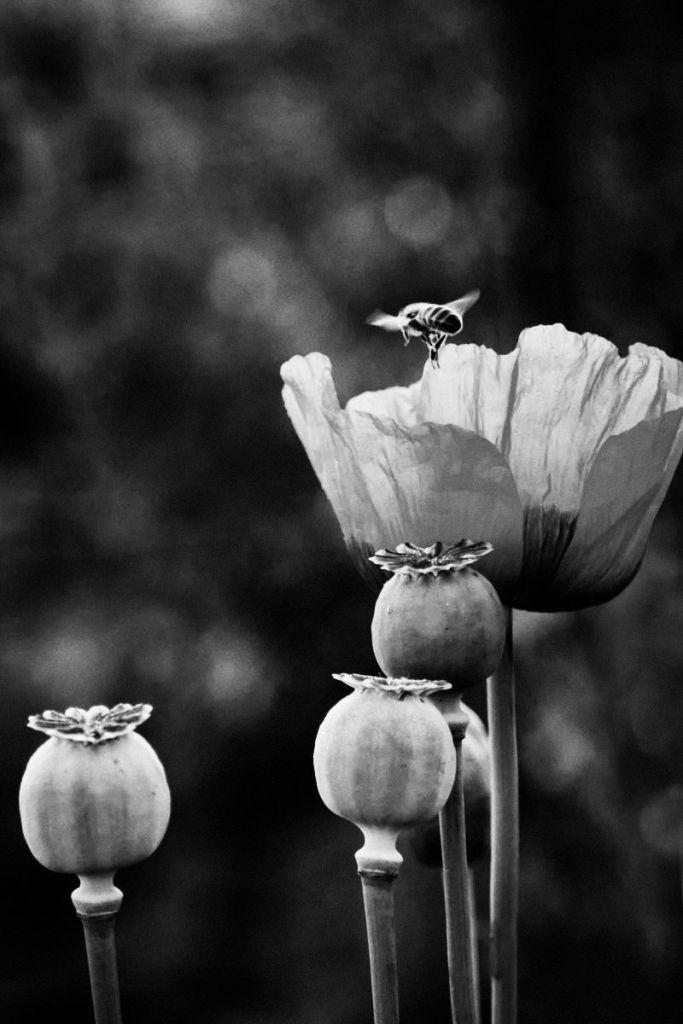
As I spent part of the afternoon revisiting photo files in response to Tina’s invitation to share five favorite photographs, I began to ponder, “What are the variables within photographs that come together to create a place within the heart of the eyes?”
Photographs tell of silent, vague, faded memories. Photographs are of visual moments that have grasped one’s attention. Photographs share times of exploration, of travel, of life. Photographs are representations of impermanence, light and shadow, fantasy, composition, challenges, points of view, …
Even in Kyoto— hearing the cuckoo’s cry— I long for Kyoto. ~Buson
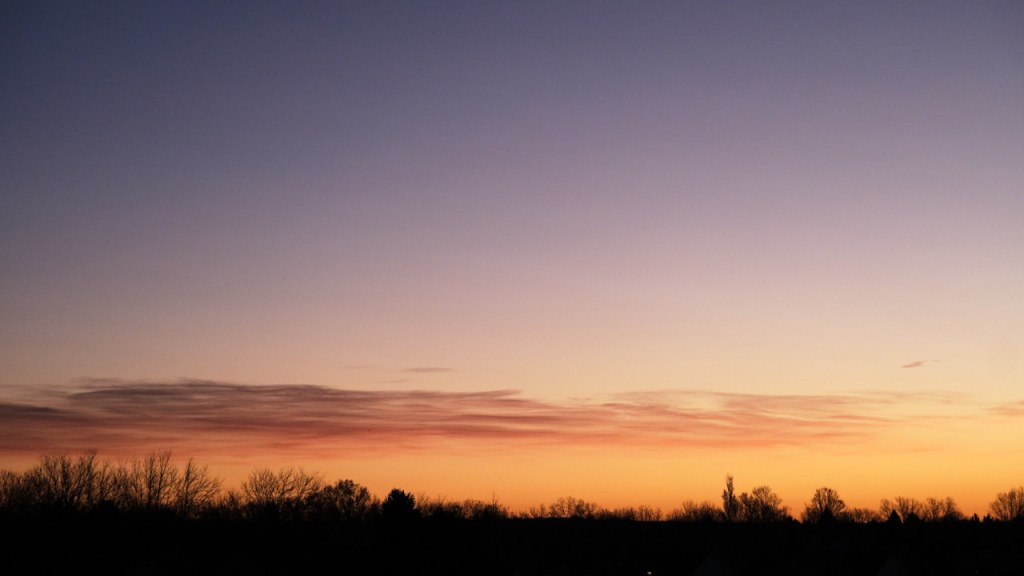
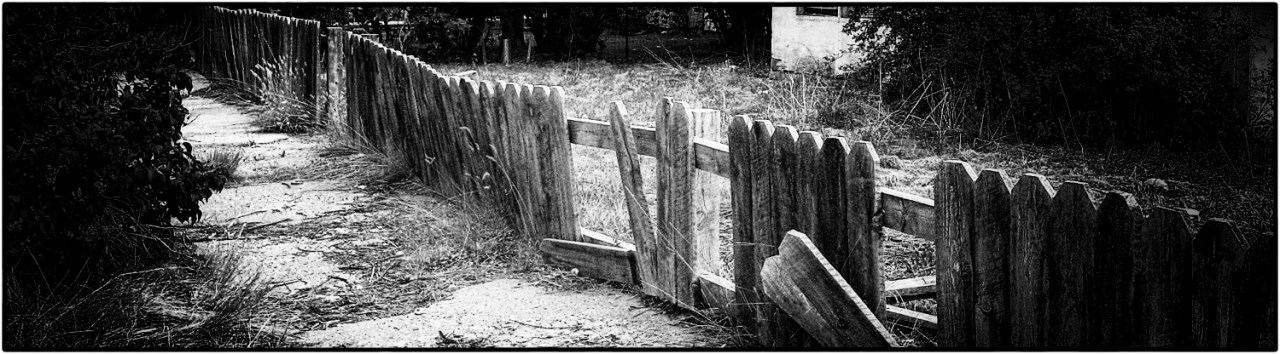
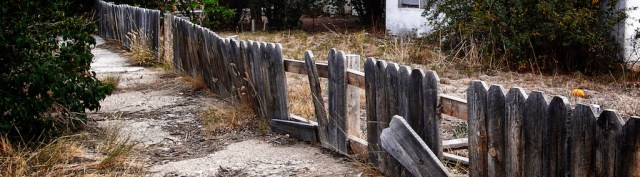
an image created in 2013 that awakens memories of 1960s
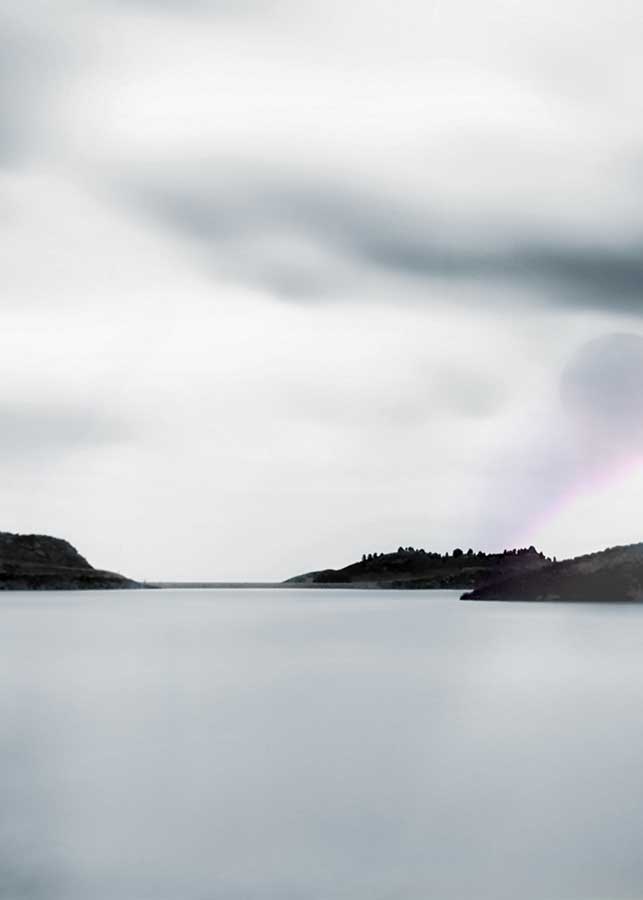
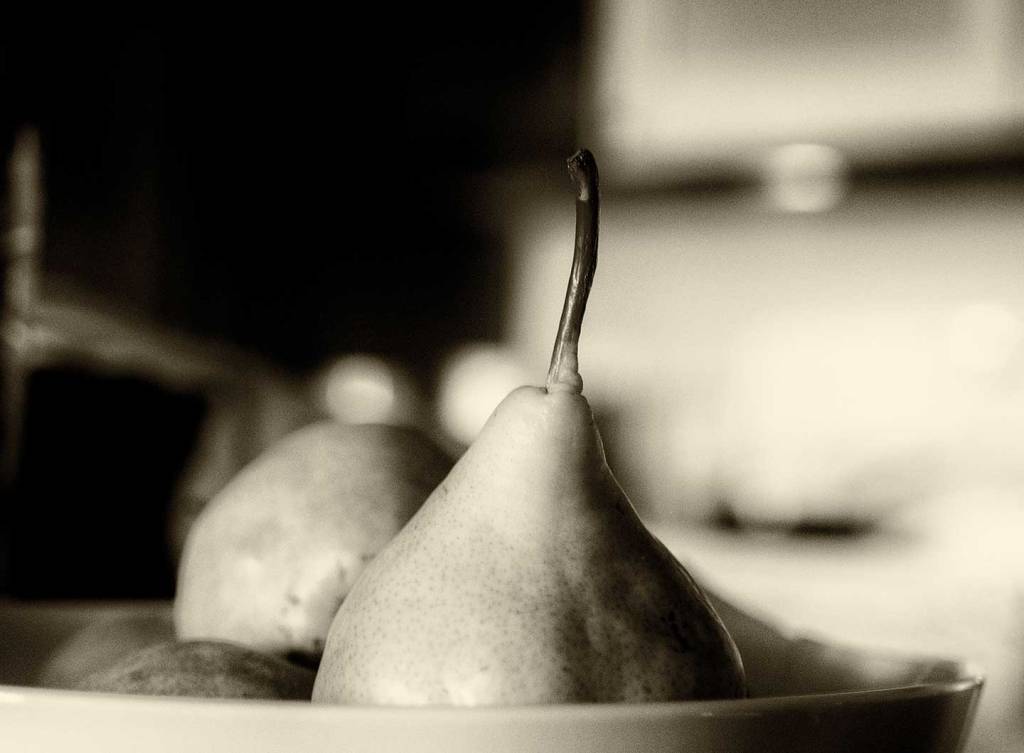
an unforgettable smilea telling of impermanence a pear
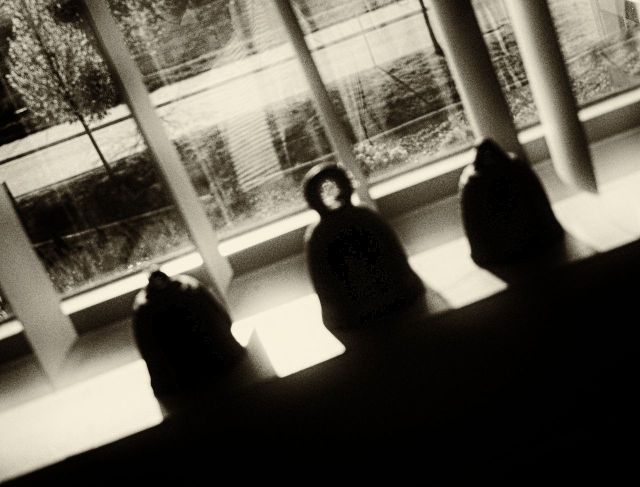
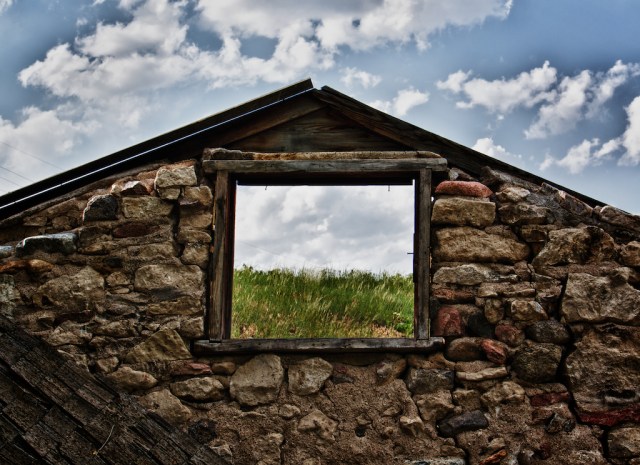
a time of light and shadow
Thank you Tina for this quiet Sunday of reflection.
Ritva has invited photographers “to capture the essence and personality of your subjects. Whether you choose to ask a stranger, do a self-portrait, take the portrait of a friend, family member, or acquaintance, or photograph animals and birds, the goal is to connect with another person or subject and tell their story through your image.”
This past year has engulfed my family into intense grief with the passing of my husband and son-in-law. Both these two men, the bedrocks of the family, endured intense suffering and left us with a deeper understanding of acceptance, compassion, and suffering. There is also gratitude … gratitude for the grounding companionship of emergency response teams, doctors, nurses, support staff, military personnel.
Over the past year, the beauty of the dawn has been a source of encouragement to begin each day anew. An important part of welcoming each new day … its challenges and unknowns … has been photography.
Thank you Rita for this challenge as it invited me to spend a few minutes to play as I explored new ways to perceive life.
There is an earth-shattering moment that barges into a life, unexpectedly, shifting and tearing apart everything … everything in the heart held to be true. After the denial, disassociation, and numbing begin to ease, there is a knowing that the “before you” has been ripped away and now an “ongoing emerging you” has begun a never-ending search for THE door of clarity and resolution. Within that search life continues. Life with its births and deaths. Life creating pathways of sorrow and joy. Pathways of contemplation created through photography and haiku.
rain falls
memories of lost years
left by a cloud
My mother’s passing in the spring of 2016, expected yet unexpected, occurred during this journey with WordPress. The intention to validate my mother’s life opened a gate of posting 100 days of contemplative photography and haiku to remember, honor, and share the life of a woman, my mom.
meandering tales
beyond a haze of tear drops
my mother’s face – mine.
Memories of my mom often come to visit…they are remembered moments that announce her arrival, not as the frail woman with a fierce determination that time had transformed formed but the woman who carried with her the stature of Danish Vikings…warriors, explorers, conquerors, survivors.
morning haze
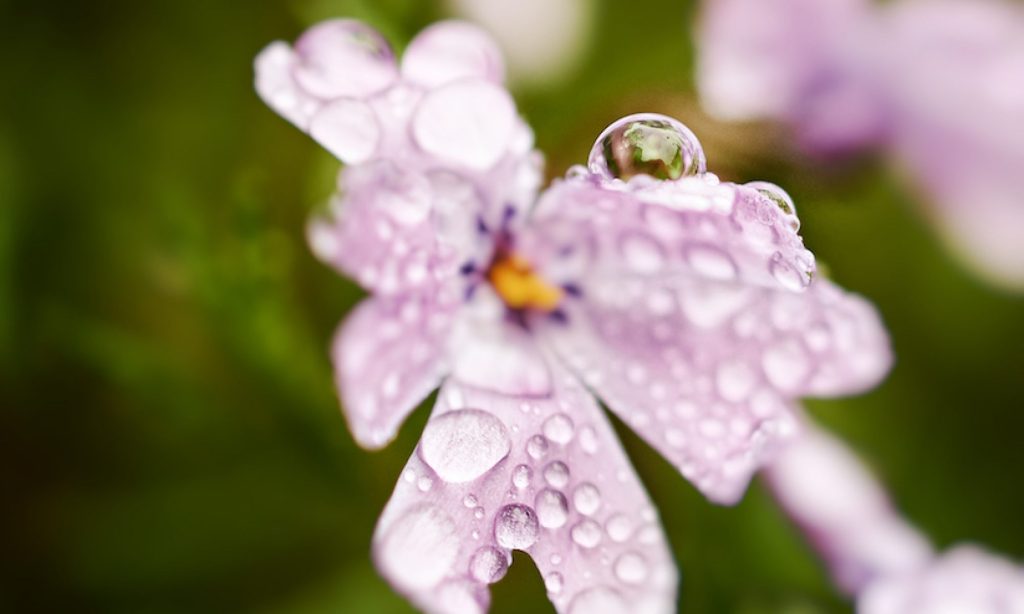
jewels of rain, falling
in a dream
In our next spring
let’s meet as butterflies
afield
Though we are parted,
If on Casper Mountain Peak
I should honor the sound
of the pine trees swaying there –
with the summer breeze.
After my mother’s memories fade and life’s present moments come into focus I often wonder … if we had met – not as mother-daughter – but as children in a playground would she have wanted to be my friend? I know she would have been my bestest of friends.
Thank you Anne (Slow Shutter Speed) for the invitation to share what has “enriched and/or changed” my life.
One picture … an image holding a shared moment during a winter’s drive … a silent memory of the time … the time before hearing … hearing the diagnosis … prostate cancer, stage 4.*
*A 2013 study conducted at the Portland VA Medical Center and Oregon Health and Science University found that Veterans exposed to Agent Orange are not only at higher risk for prostate cancer, but they are more likely to have aggressive forms of the disease. (cited: US Department of Veteran’s Affairs)
Leya’s lens-artists challenge: “use only ONE picture. One that you find important, meaningful to you, maybe sending a message – and then explain why you picked just that picture.”
This week Patti invites photographers to explore a couple of questions in regards to black and white vs color images: 1) When is it best to use one vs the other? 2) What’s the benefit of each one?
First I have to admit that even though I have read various articles about what types of photographs are ideal for black and white, I generally move in and out of an experimental flow of emotional responses.
For example the first image was edited in Capture One from a raw file to a jpg. The black and white image was edited in Silver Efex Pro2. The last was edited in Color Efex Pro 4 which, for me, invokes a stimulus response of soft and gentle.
As I’ve been experiencing difficulties using Photoshop and Capture One due to upgrades, I made the very difficult decision to cancel both subscriptions. Anyone have any recommendations for editing programs that will work with an ISO 13.7.3?
Ritva (Ritva Sillanmäki Photography) has invited lens-artist to “… Shoot From Above this week! Let’s get creative with a top-down perspective. Let’s have fun”.
Bird’s-eye View
When photographing a subject from above, it is known as a “bird’s-eye view”. This could be taken from up in the sky, such as when flying in a plane, or could simply be taken by standing on a ladder, slightly above your subject. Photographing from this point of view can make viewers feel as though they are superior to the subject – such as a stern father looking down on his misbehaving child – or protective over the subject. If the subject is an inanimate object, it can sometimes make the viewer feel as though there is a separation between them and the subject. (cited: The New York Film Academy)
This week’s lens-artists invitation is to share images created in 2024 that either did not meet the criteria for a theme or were created after a specific theme was published.
I can’t recall if there has been a challenge offered this year to photograph using “illumination from behind.”
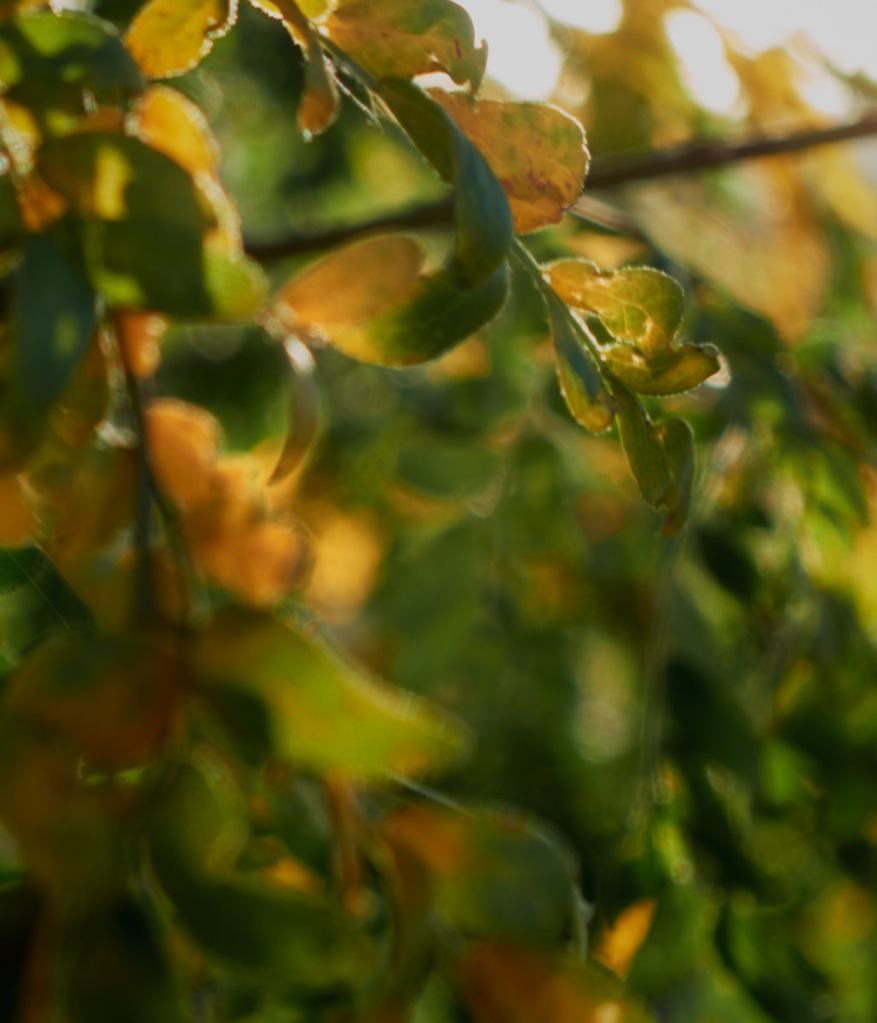
I enjoy photographing into October’s early morning sun as it seems to give life to the texture and colors of autumn leaves. These two images taken on October 27th were the last two created for the year with a Sony RX 100 3. While both images have a soft blur that initially was a bit of a disappointment, I do enjoy the bokeh and intense yellows and greens,
Within this image I enjoy the soft highlights along the edges of the leaves in the upper right corner.
Within this image, I like how the sun has given a golden glow to the leaves on the stem that moves from the middle of the image to the lower right.
May this year transition to a new year with a global movement towards compassion for all life.
In Chinese Medicine, the Five Elements represent the five unique energies that are present in all things throughout nature. These include Metal, Water, Wood, Fire, and Earth. Each element expresses itself differently depending on where it’s found and also manifests in our body organs, emotions, and personalities.
When Qi is moving through our body freely, the Five Elements are said to be in balance, as Qi needs to be moving constantly for optimum health. But imbalances between the Five Elements and their corresponding energetic channels (meridians) can cause the Qi to either stagnate, or become excessive, affecting our wellbeing.*
Everything relies on everything else in the cosmos in order to manifest—whether a star, a cloud, a flower, a tree, or you and me.~Thich Nhat Hanh
metal
If there was no earth there would be no metal. If there was no metal this photograph would not be.
fire
If there was no wood there would be no fire. If there were no fires there would be noprairie, savanna, chaparral and coniferous forests.
wood
If there was no earth there would be no wood. If there was no wood there would be no carpenters.
water
If there were no hydrogen atoms and oxygen atoms there would be no water. If there was no water there would be no fish.
earth
Without the Milky Way there would be on earth. Without our earth there would be no us.
This week Sofia (photographs) invites photographers to focus on one of the elements…and to try to get as many in one photo as possible…
An authentic smile … arouses an authentic feeling of freshness, and I think the smile belongs only to human beings.~ Dalai Lama
If we want those smiles, we must create the reasons that make them appear. ~ Dalai Lama
I love smiles, and my wish is to see more smiles, real smiles …~ Dalai Lama
Leya has invited bloggers to “share something that made us smile, made You smile – and make the world smile with us! Old or new smiles, big or small, we welcome them all!”
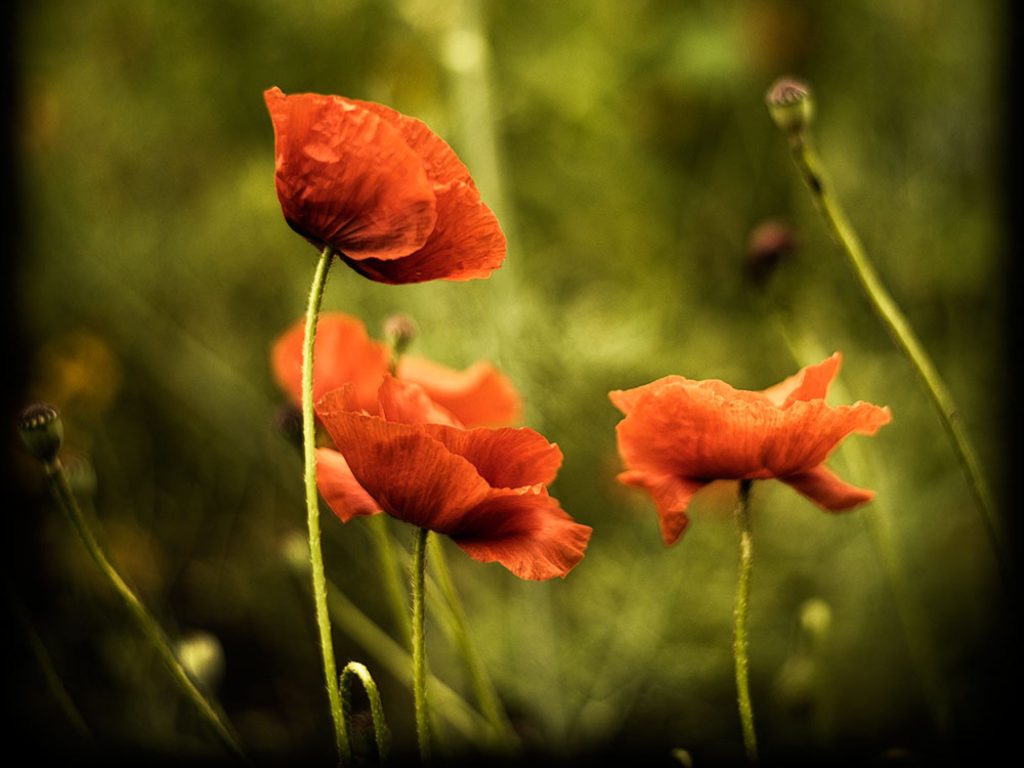
Within today’s Ted Forbes newsletter he introduces a Japanese aesthetic concept: Koh-ltten, which loosely translates to “one red spot.”
One of the techniques Ted’s dad used to balance his landscape composition is to place a dot of color into a negative space. He wrote that it’s almost like a small light, a point of visual interest.
The “red spot” works as a balancing contrast in two ways: color and scale. Its presence is unexpected, but it often functions to anchor the composition. It can be subtle, only noticeable when you’re really analyzing the work. It doesn’t have to be red, and it not restrained to a”dot” or “spot.” The overarching idea is to provide the viewer with a visual anchor – it serves as a point of contrast to the rest of the picture.
In the Japanese aseptic the emphasis is on subtle contrast, A “spot” a moment, a detail of interest or beauty. It doesn’t stand out too much. Think of it as “quiet.” Beauty is contrast displayed with humility.
In closing, I apologize to Patty (pilotfishblog.com) for taking another pathway to illustrate detail within photographs as I was so engaged with Ted Forbes discussion of the Japanese aesthetic concept: Koh-ltten I had an overwhelming desire to explore and share this quiet detail.
Thank you Ted for your willingness to share your journey and in this sharing teach me so much about photography.
Living in the country, waking to snow left during the night, feeling the silence – the stilled silence, and then gasping and sharing with delight the sight of footprints left by silent night visitors. Memories.
I once read that the silence after a snowstorm isn’t just our imagination — all those tiny flakes actually trap the sounds of your surroundings.
“Chris Bianchi, a meteorologist at Weather Nation, described the phenomenon as a sort of citywide cup of tea: After a big storm, we can take a few minutes to relax and take in the quiet.
snowisolation
“The science behind that quiet comes down to how sound waves travel (or, more accurately, don’t travel) through snowflakes.
“‘Snowflakes, when they’re spaced further apart, there’s little gaps, obviously invisible to the naked human eye,’ Bianchi said. ‘But there are these little gaps within the snow and those are very efficient at absorbing sound.’
“The sound waves from cars, buildings and people get trapped in those small places between the snowflakes.
“Not just any snow can trap noise. It has to be the freshly fallen, light and fluffy. Wet and heavy snow doesn’t leave those spaces for sound to be trapped.
“One study found a couple of inches of snow can absorb as much as 60 percent of sound. Snow can act as a commercial sound-absorbing foam when it’s in that fluffy, freshly fallen state.
“As the snow starts to melt, those little sound-catching spaces start to go away too.
“(When snow melts) it compacts, and that compaction reduces the amount of little crevices and nooks and crannies that sound is able to be trapped in,” Bianchi said.
“So, for at least a few hours or even a day after a snowstorm, we can get some reprieve from all that noise around us.
“‘It’s calming, it’s relaxing, it’s tranquil,’ Bianchi said. ‘Life is kind of forced in a sense to slow down.’”
cited: CPR News, Claire Cleveland and Andrea Dukakis, “Yes, it really is quieter when it snows. Here’s the science behind the calm after the storm. February 4, 2020.
And then, the crunching sounds of footsteps ending silence.
You must be logged in to post a comment.