All that I waited for:
blossoms, glowing leaves,
then this morning, snow. ~Sanjonishi Sanetaka*
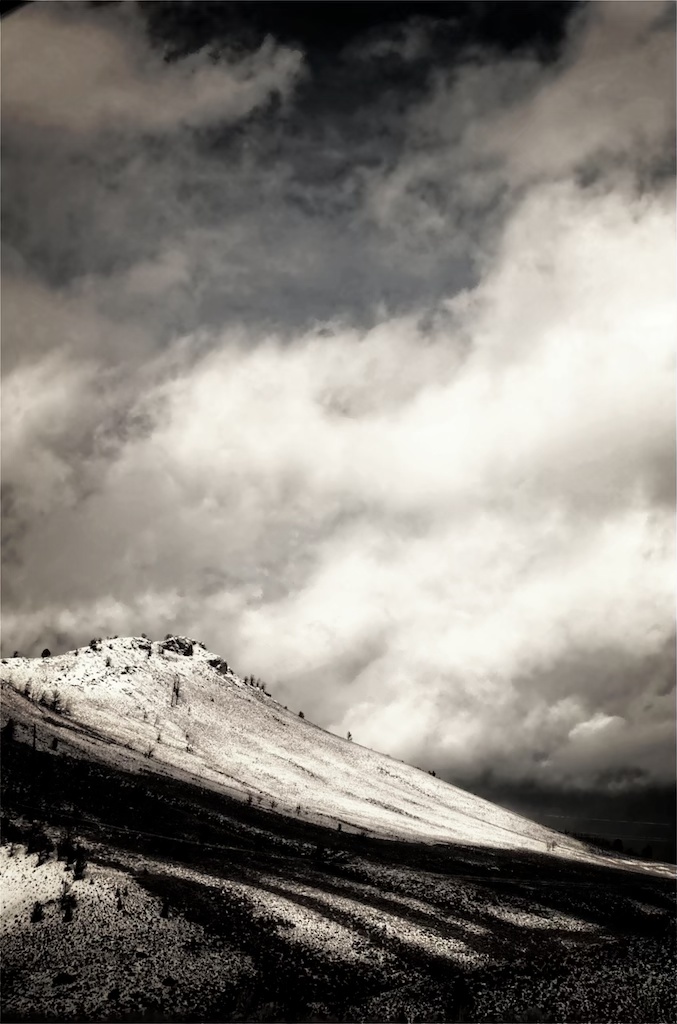
Nikon D50: f/10 1/320s 55mm
*cited: SD Carter, Haiku Before Haiku
John (Johnbo) invites lens-artists photographers to share their images of winter.
All that I waited for:
blossoms, glowing leaves,
then this morning, snow. ~Sanjonishi Sanetaka*
Nikon D50: f/10 1/320s 55mm
*cited: SD Carter, Haiku Before Haiku
John (Johnbo) invites lens-artists photographers to share their images of winter.
In Chinese Medicine, the Five Elements represent the five unique energies that are present in all things throughout nature. These include Metal, Water, Wood, Fire, and Earth. Each element expresses itself differently depending on where it’s found and also manifests in our body organs, emotions, and personalities.
When Qi is moving through our body freely, the Five Elements are said to be in balance, as Qi needs to be moving constantly for optimum health. But imbalances between the Five Elements and their corresponding energetic channels (meridians) can cause the Qi to either stagnate, or become excessive, affecting our wellbeing.*
Everything relies on everything else in the cosmos in order to manifest—whether a star, a cloud, a flower, a tree, or you and me.~Thich Nhat Hanh
metal
If there was no earth there would be no metal. If there was no metal this photograph would not be.

fire
If there was no wood there would be no fire. If there were no fires there would be no prairie, savanna, chaparral and coniferous forests.

wood
If there was no earth there would be no wood. If there was no wood there would be no carpenters.
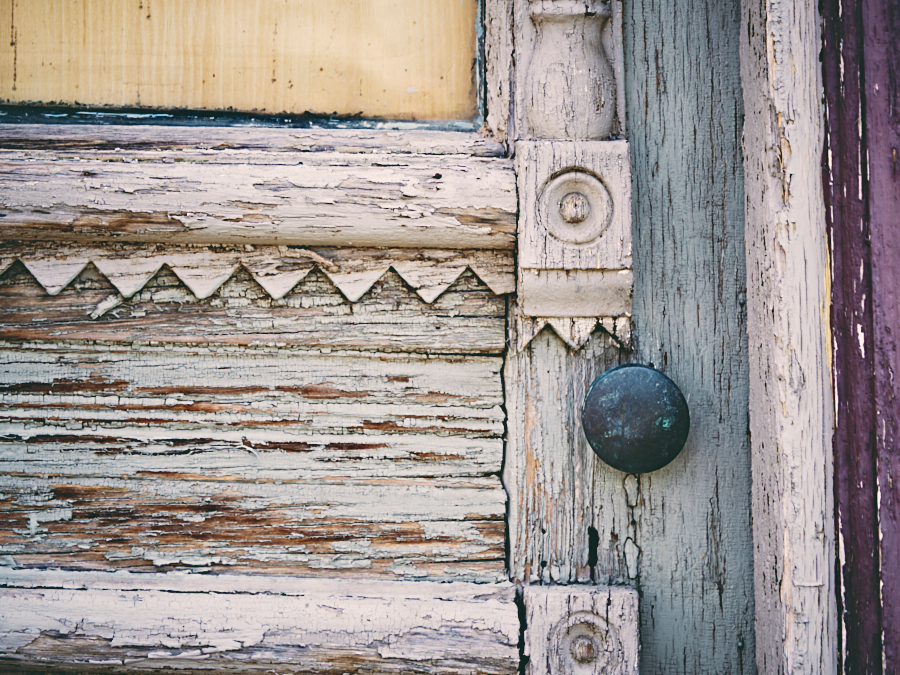
water
If there were no hydrogen atoms and oxygen atoms there would be no water. If there was no water there would be no fish.

earth
Without the Milky Way there would be on earth. Without our earth there would be no us.
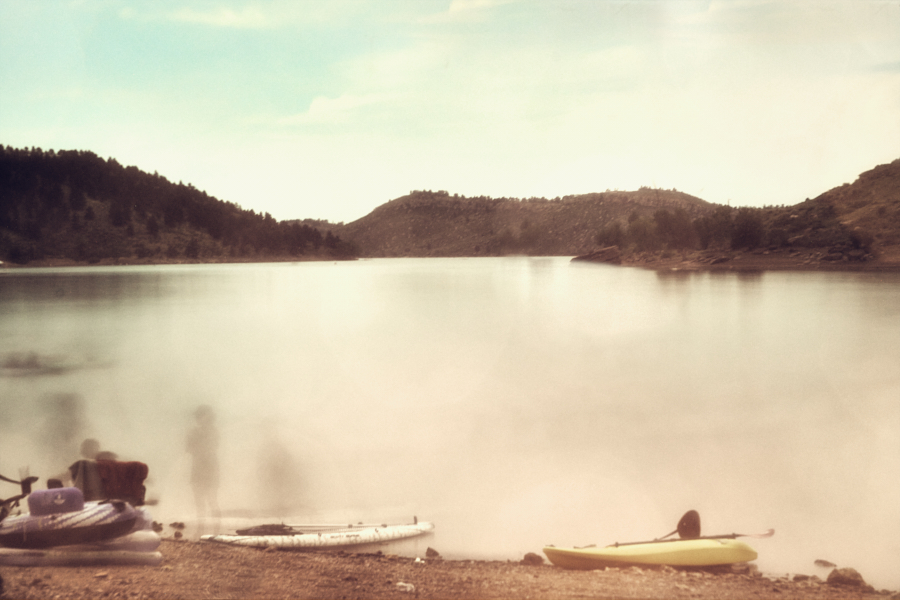
This week Sofia (photographs) invites photographers to focus on one of the elements…and to try to get as many in one photo as possible…
*cited: poweryogaaco.com

An authentic smile … arouses an authentic feeling of freshness, and I think the smile belongs only to human beings.~ Dalai Lama
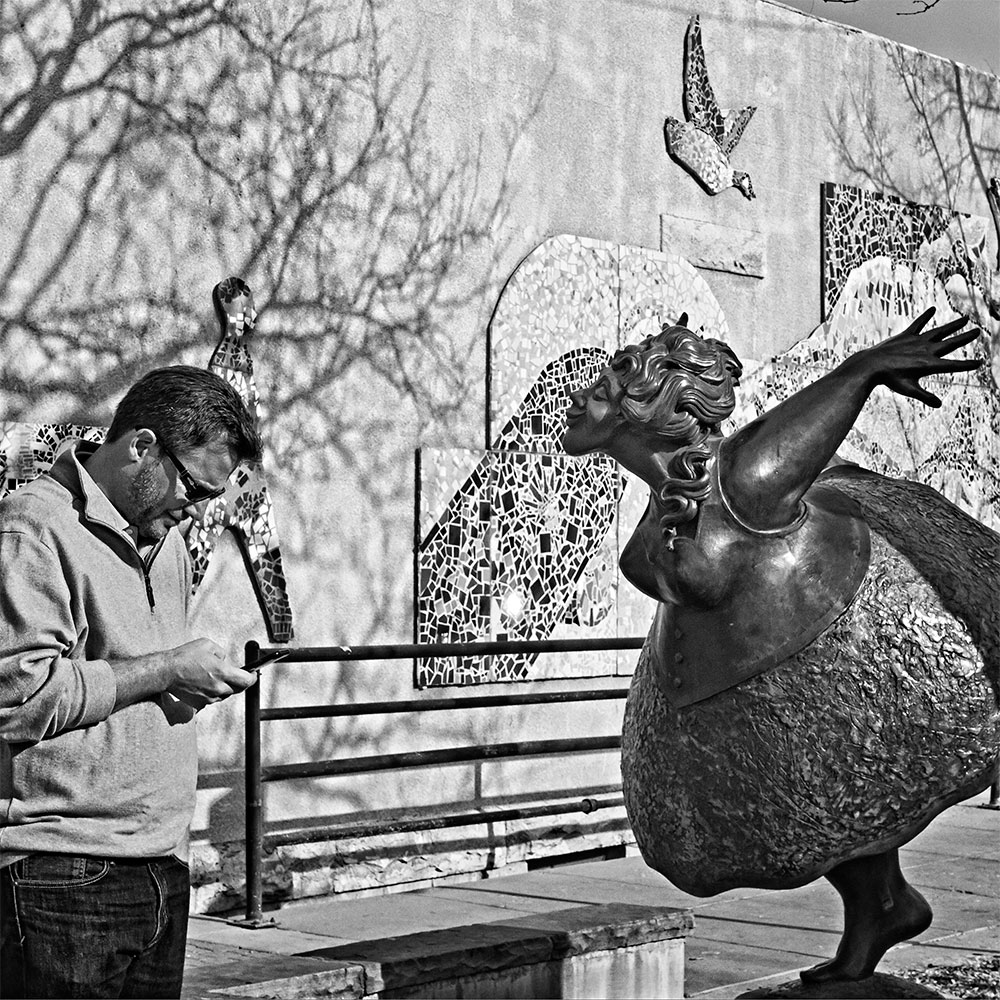
If we want those smiles, we must create the reasons that make them appear. ~ Dalai Lama

I love smiles, and my wish is to see more smiles, real smiles …~ Dalai Lama
Leya has invited bloggers to “share something that made us smile, made You smile – and make the world smile with us! Old or new smiles, big or small, we welcome them all!”
A smile awakens a smile. A frown returns a frown.
One Red Spot
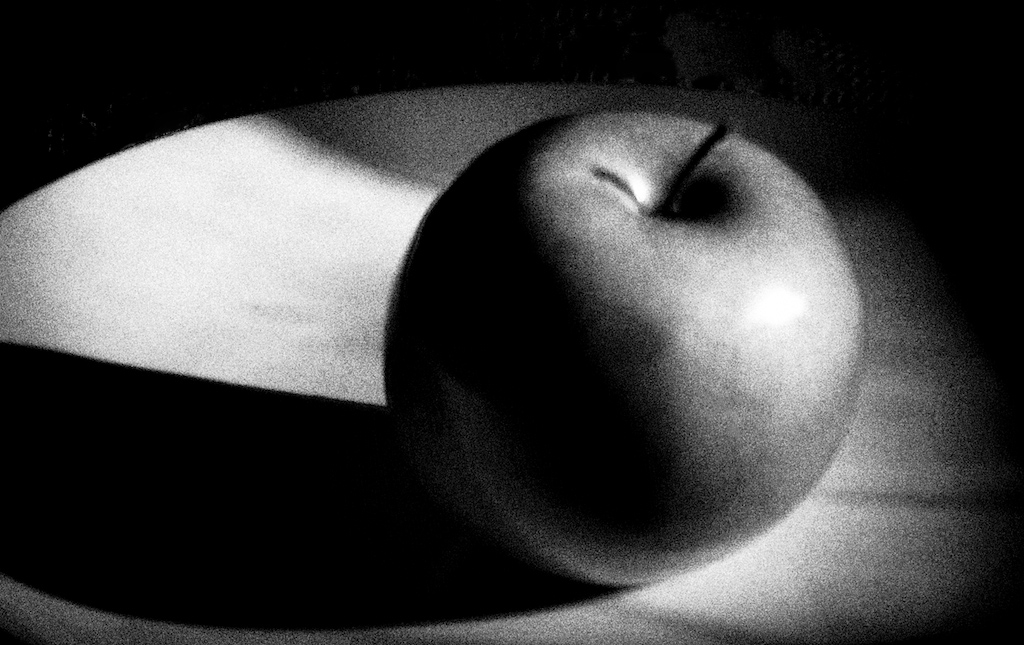
Within today’s Ted Forbes newsletter he introduces a Japanese aesthetic concept: Koh-ltten, which loosely translates to “one red spot.”
One of the techniques Ted’s dad used to balance his landscape composition is to place a dot of color into a negative space. He wrote that it’s almost like a small light, a point of visual interest.

The “red spot” works as a balancing contrast in two ways: color and scale. Its presence is unexpected, but it often functions to anchor the composition. It can be subtle, only noticeable when you’re really analyzing the work. It doesn’t have to be red, and it not restrained to a”dot” or “spot.” The overarching idea is to provide the viewer with a visual anchor – it serves as a point of contrast to the rest of the picture.
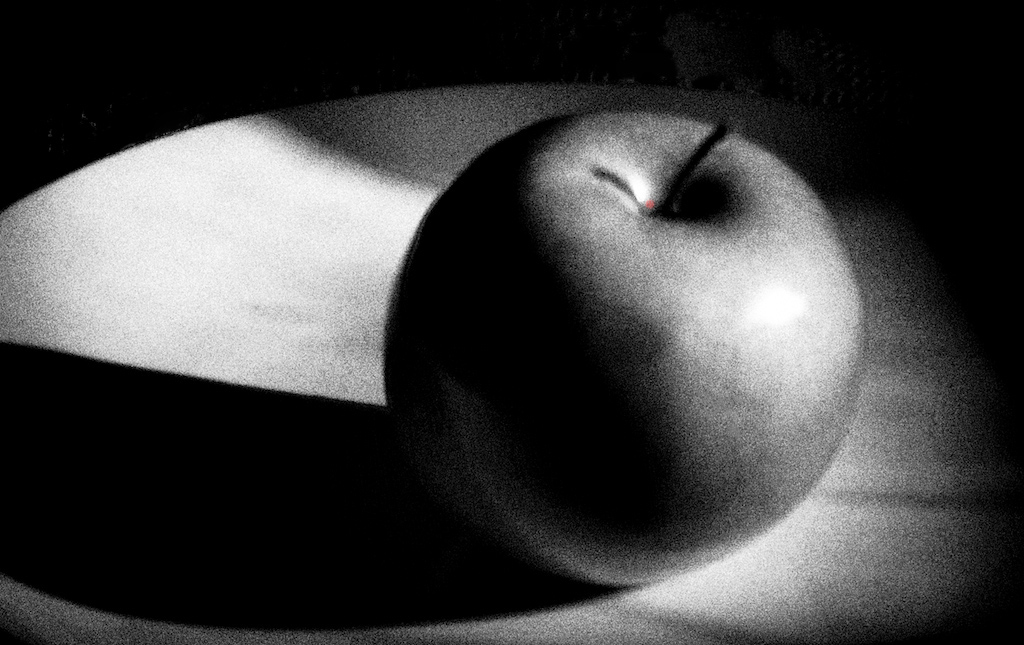
In the Japanese aseptic the emphasis is on subtle contrast, A “spot” a moment, a detail of interest or beauty. It doesn’t stand out too much. Think of it as “quiet.” Beauty is contrast displayed with humility.
In closing, I apologize to Patty (pilotfishblog.com) for taking another pathway to illustrate detail within photographs as I was so engaged with Ted Forbes discussion of the Japanese aesthetic concept: Koh-ltten I had an overwhelming desire to explore and share this quiet detail.
Thank you Ted for your willingness to share your journey and in this sharing teach me so much about photography.
Through Brazilian Eyes has invited lens-artists to illustrate silence through images…

Living in the country, waking to snow left during the night, feeling the silence – the stilled silence, and then gasping and sharing with delight the sight of footprints left by silent night visitors. Memories.
I once read that the silence after a snowstorm isn’t just our imagination — all those tiny flakes actually trap the sounds of your surroundings.
“Chris Bianchi, a meteorologist at Weather Nation, described the phenomenon as a sort of citywide cup of tea: After a big storm, we can take a few minutes to relax and take in the quiet.


“The science behind that quiet comes down to how sound waves travel (or, more accurately, don’t travel) through snowflakes.
“‘Snowflakes, when they’re spaced further apart, there’s little gaps, obviously invisible to the naked human eye,’ Bianchi said. ‘But there are these little gaps within the snow and those are very efficient at absorbing sound.’
“The sound waves from cars, buildings and people get trapped in those small places between the snowflakes.
“Not just any snow can trap noise. It has to be the freshly fallen, light and fluffy. Wet and heavy snow doesn’t leave those spaces for sound to be trapped.
“One study found a couple of inches of snow can absorb as much as 60 percent of sound. Snow can act as a commercial sound-absorbing foam when it’s in that fluffy, freshly fallen state.
“As the snow starts to melt, those little sound-catching spaces start to go away too.
“(When snow melts) it compacts, and that compaction reduces the amount of little crevices and nooks and crannies that sound is able to be trapped in,” Bianchi said.
“So, for at least a few hours or even a day after a snowstorm, we can get some reprieve from all that noise around us.
“‘It’s calming, it’s relaxing, it’s tranquil,’ Bianchi said. ‘Life is kind of forced in a sense to slow down.’”
cited: CPR News, Claire Cleveland and Andrea Dukakis, “Yes, it really is quieter when it snows. Here’s the science behind the calm after the storm. February 4, 2020.
And then, the crunching sounds of footsteps ending silence.

through the lenses of a Ricoh Caplio GX100 and Sony NEX-5N to the year 2013
violets on the gate–
even at night
sweet nostalgia ~Issa*


I recently gained access to all the images posted to WordPress beginning in 2011 so this is an exciting way to begin looking back.
Thank you Sofia for this lens-artists invitation: looking back.
*cited: http://www.haikuguy.com
Looking backward … I cannot see the ancients days. Looking forward … I cannot see ages yet to come. Only heaven and earth have remained, and will remain forever … I am alone, I grieve, I drop tears into the dust. ~Chen Tzu-ang*
Images that speak of solitary … alone … by one’s self evoke feelings of contemplative sadness.

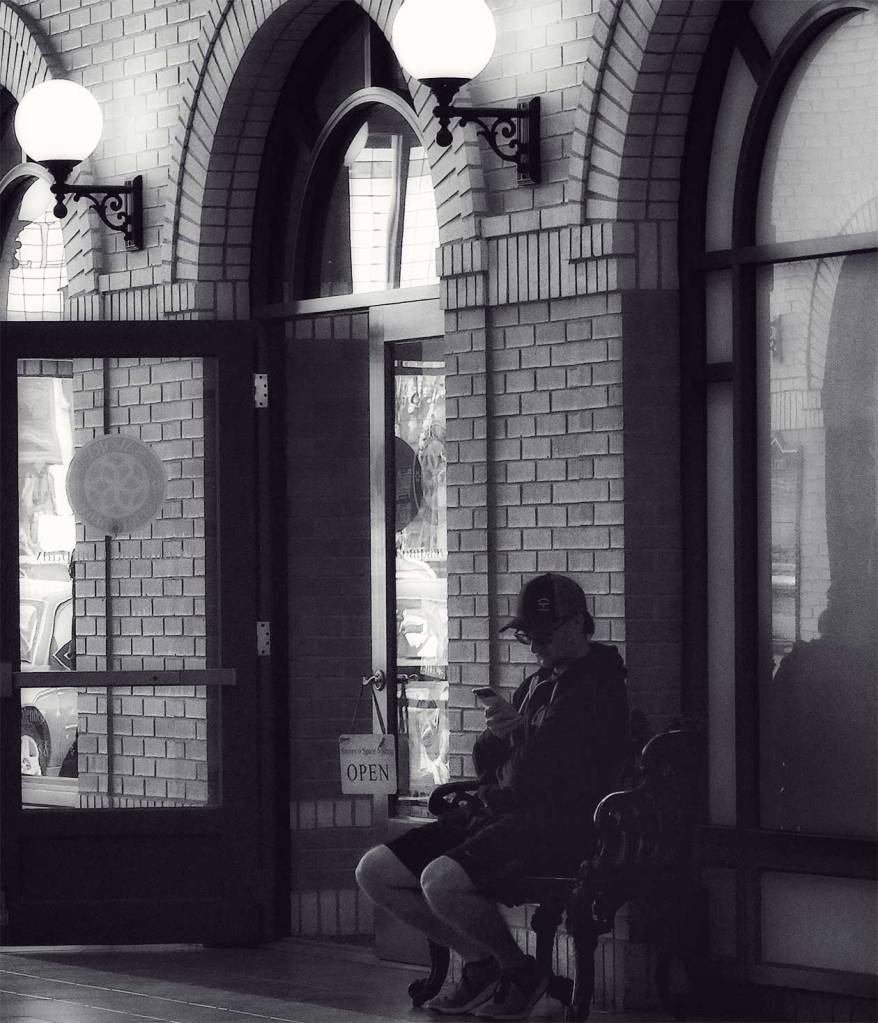

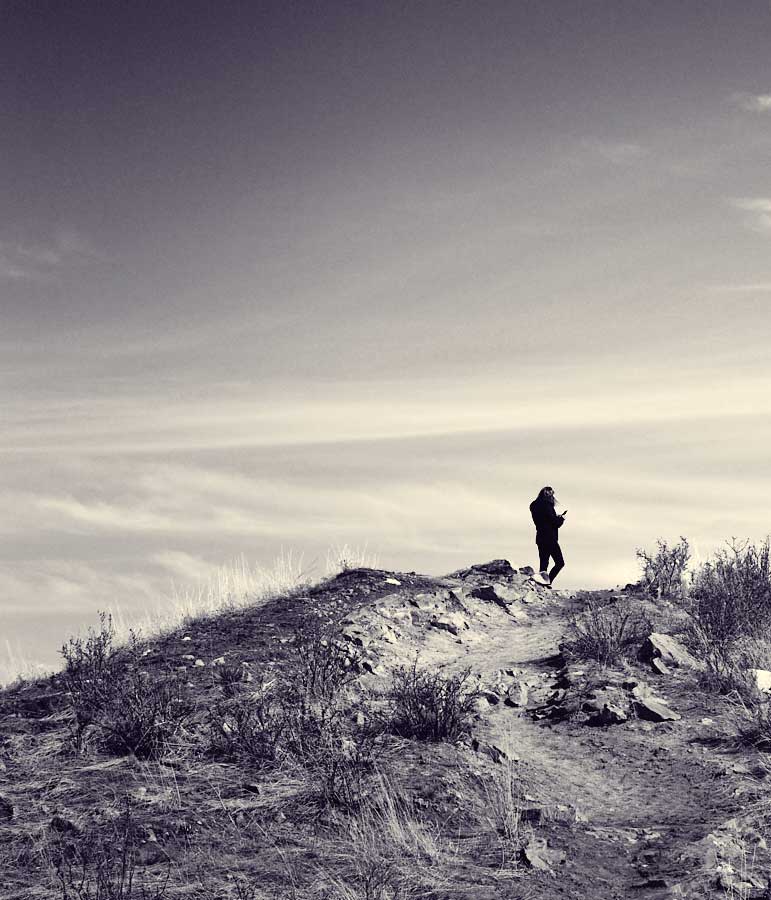
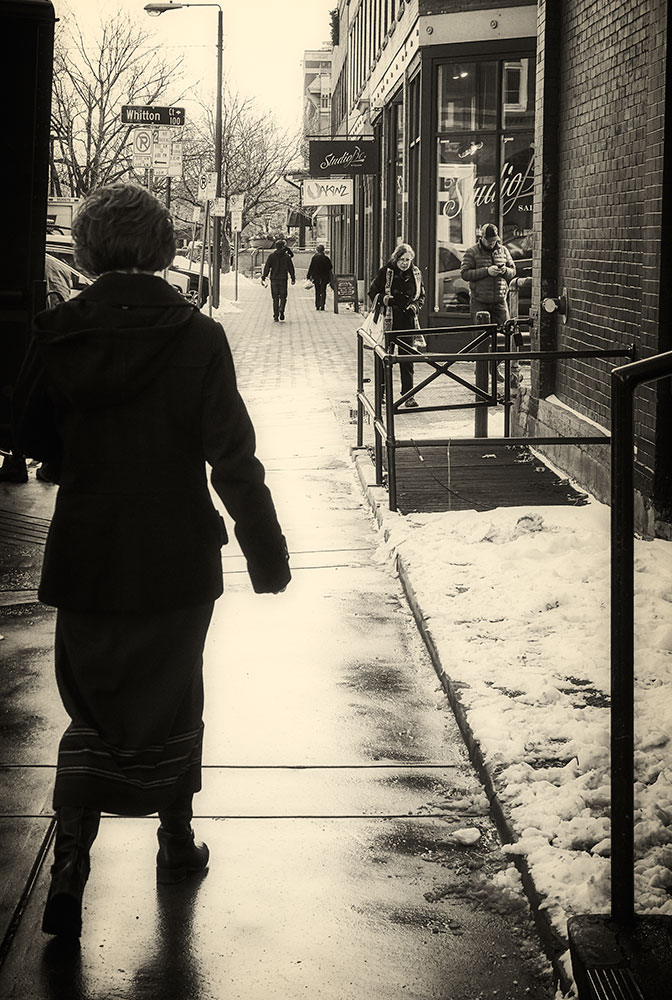




Leya has extended a lens-artists challenge: setting a mood
*cited: Translator: Anonymous. The Project Gutenberg Ebook of the Jade Flute, by Various
This week’s Lens-Artists, walking the neighborhood, challenge is offered by Travels and Trifles.
During the heat of the summer, walks occurred during the early morning with its cool(er) temperatures. This time of day parking lots are mostly empty, one may greet people who rise early to walk their dogs or to begin their day in quiet contemplation. Well … there are people who are multi-tasking on these morning photo walks as they open their eyes to see life through a camera lens and begin the challenge of 10,000 steps walking to the groceries to buy Skyr and raspberries … hum. Skyr, blackberries and nuts … hum, hum. Blue berries, anyone?
As my great-granddaughter is known to have said, “It sounds like a parfait!” I read that parfait is the French word for “perfect.” Creamy vanilla skyr is the best! Hum, hum, hum!


Thank you Tina for this challenge. It was fun.
Ritva Sillanmäki invites an exploration of “Taking the mundane and shining a different light on it. Highlighting an object or scene that we normally pass by without notice, and making it something special. This process allows us to appreciate the beauty and significance of everyday things that often go overlooked. By giving attention to these ordinary elements, we can find inspiration and joy in the simple moments of life”.
I once read that a photograph of a peanut taken at a distance is just an image of a peanut. A photograph of a peanut that fills the image space is art.

Sofia has invited photographers to explore the use of scale with images. She writes that scale is “… something that attracts our eyes more often than we think and intuitively we look for ways to convey the size of what we’re seeing.”
While the sun appears small within the wide expansion of the sky, the sun’s dawn invites an awareness of the expansive nature of the morning’s horizon.

Thank you Sofia for this invitation to explore sense of scale.
This week Albatz Travel Adventures (Elizabatz) invites photographers to offer examples of diptych, two images placed in proximity to one another, forming a pair. She notes: “to make a successful pairing there should be several things in common, and something very different, contrasting”.


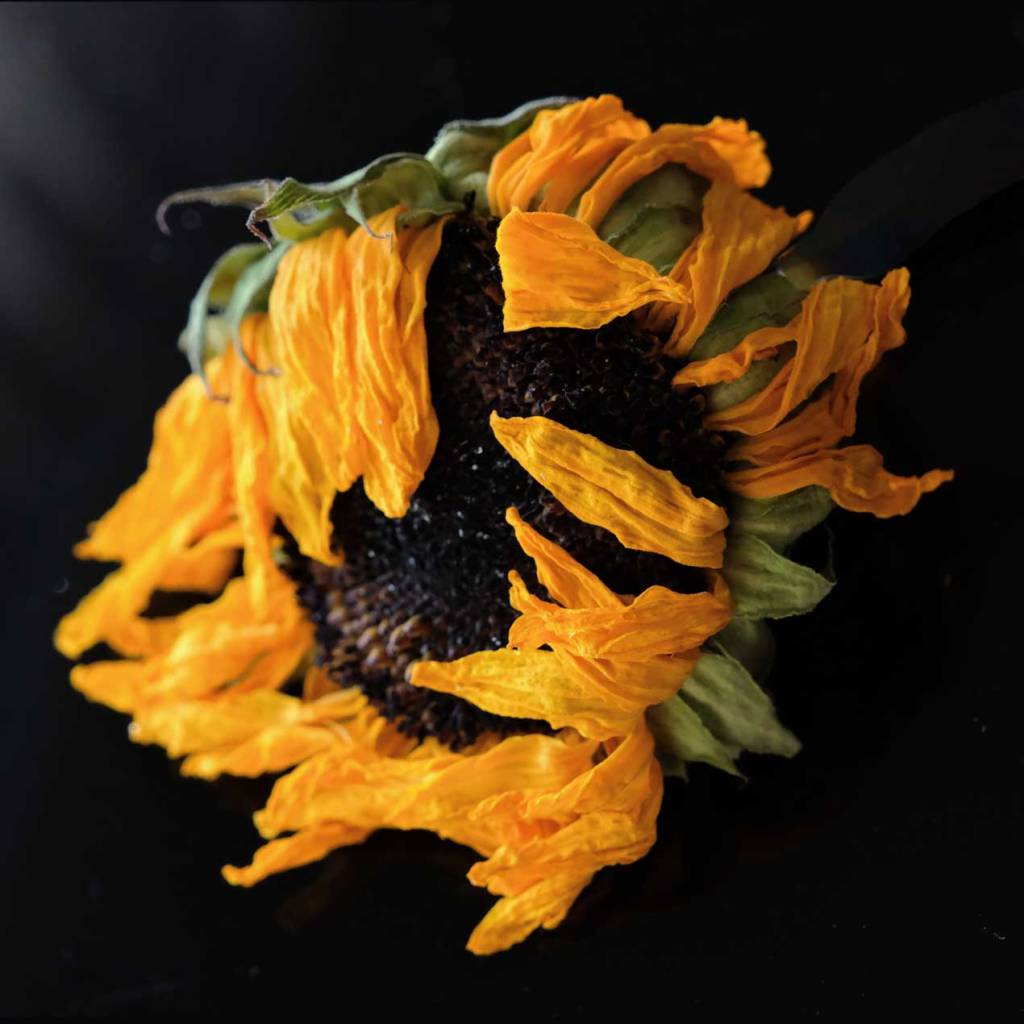


I wish to thank Elizabeth for introducing me to the word diptych. Earlier this week, I also became acquainted with the word, polyglots, “individuals who can speak several languages – usually having a grasp of at least somewhere between 3-5 languages.
This week’s lens-artists challenge is offer by Tina who invites us to share images/stories of habitats.
The Oxford Languages defines habitat as 1) the natural home or environment of an animal, plant, or other organism or 2) a person’s usual or preferred surroundings.
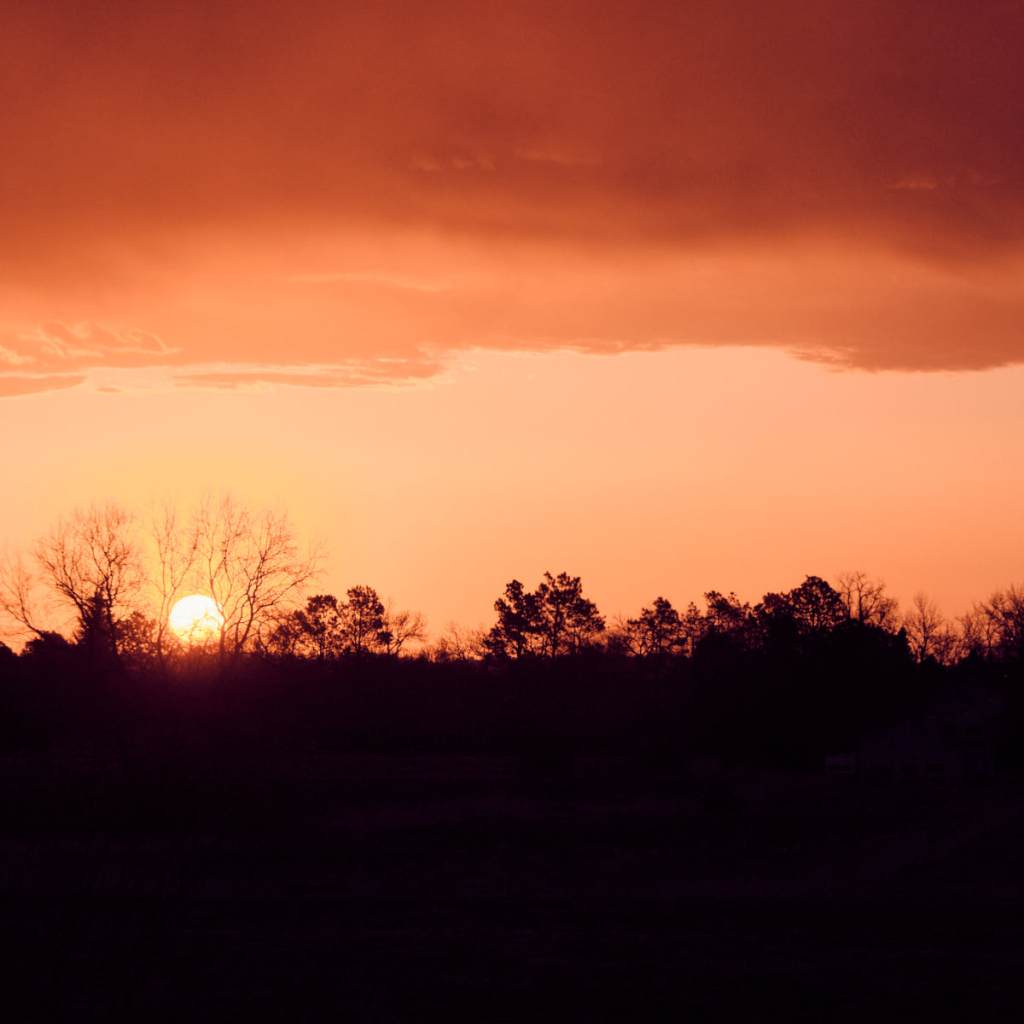
I understand the Earth to be the natural home for all the amazing diversity of life; from the Posidonia australis (the largest living organism on Earth: it is spread across 180 whopping square kilometres) to bacteria which are the smallest living organisms on earth (an average of 2 micrometres long and 0.5 micrometres thick).
But then again, the Guinness World Records recognizes the Nanoarchaeum equitans as the smallest living organism. Their habitat is a hydrothermal vent off the coast of Iceland on the Kolbeinsey Ridge by Karl Stetter.
For today, I will share these four examples of my usual or preferred surroundings, (sub-habitats of the earth?)


Thank you Tina.


You must be logged in to post a comment.