I am old and I am bored. I was never very wise and my mind has never walked much further than my feet. Only my forest. My forest … I go back and back to wander there. ~Wang-Wei*
*cited: The Project Gutenberg EBook of The Jade Flute, by Various
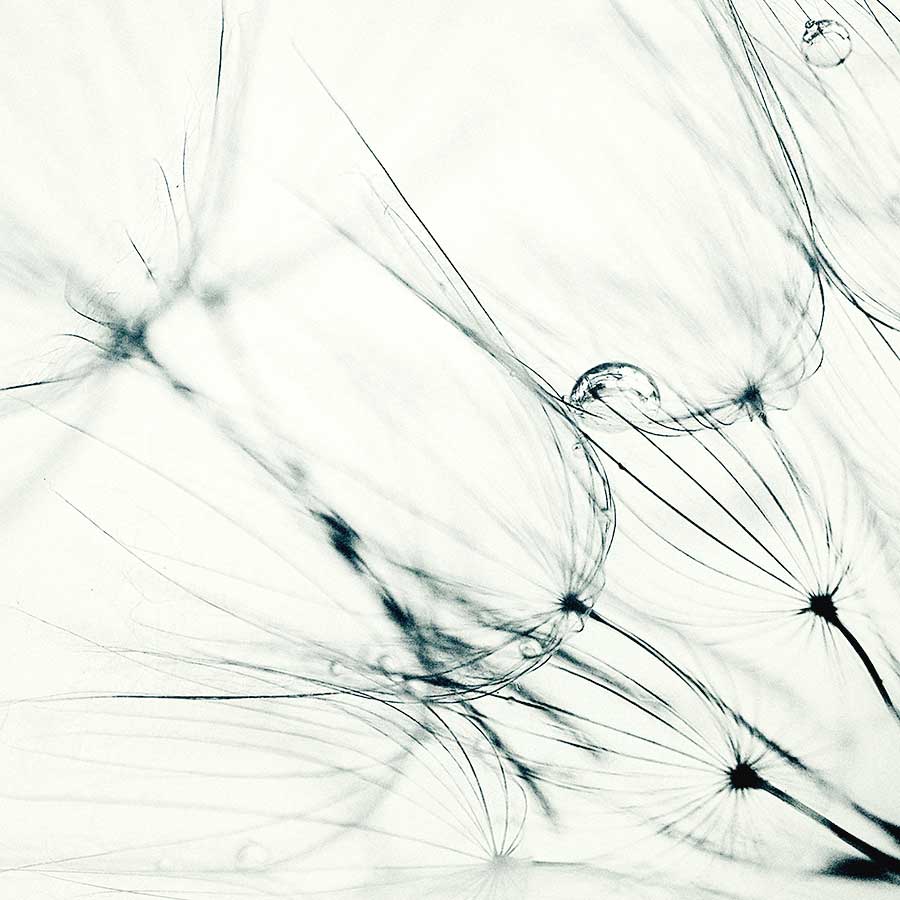
Dragonfly wings ... shining silken garments. Now my heart is aching. Who will give it rest?
Young Dragonfly wings ... rich embroidered garments. Now my heart is aching. Who will give it peace?
Dragonfly bursting its cocoon ... plain white linen garments. Now my hearts aching. Who will give it love?
~The Book of Songs (cited: Anonymous,The Jade Flute.  Project Gutenberg
I have seen a road that wanders in green shade, that runs through sweet fields of flowers. My eyes have traveled there, and journeyed far along that cool fine road.But I will never really walk that road; it does not really lead to where she lives.
When she was born, they bound her little feet with leather bands; my beloved never walks the road of shade and flowers.
When she was born, they bound her little heart with leather bands; my beloved never listens to my song. ~Anonymous (cited: Various Authors, The Jade Flute Chinese Poems in Prose. The Project Gutenberg
Reading an author’s words that have traveled through time and space.
Regret that dropping sun’s dusk;Love this cold stream’s clearness.Western beams follow flowing water;Stir a ripple in wandering person’s mind.Idly sing, gazing at cloudy moon;Song done—sound of tall pines. ~Li Po*
Camping with family in the Snowies
Watching clouds drift over Cameron Peak
Watching children explore life through play
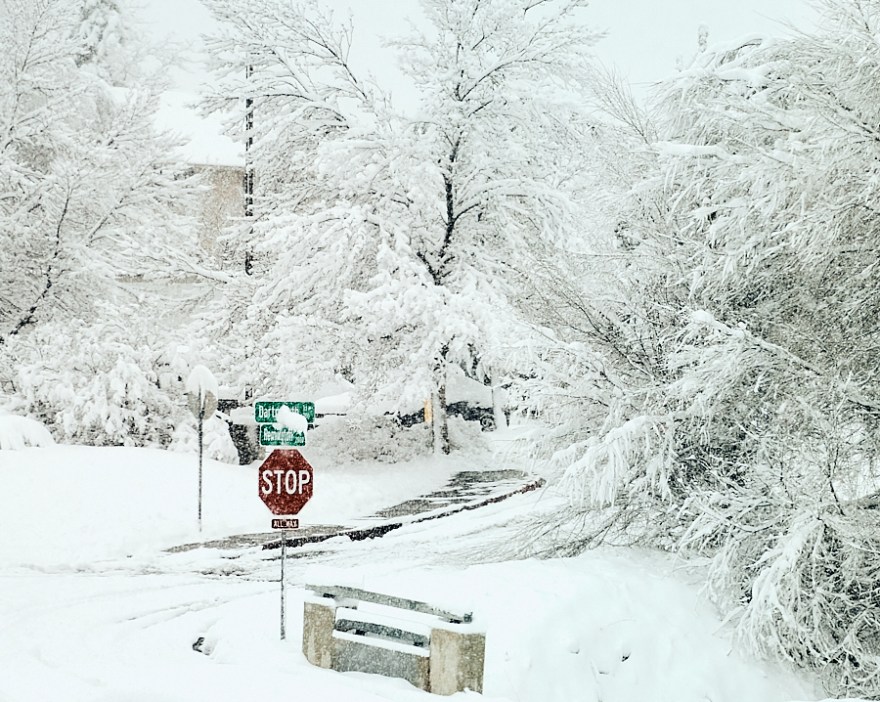
Waking to the silence of an early Spring’s snowfall
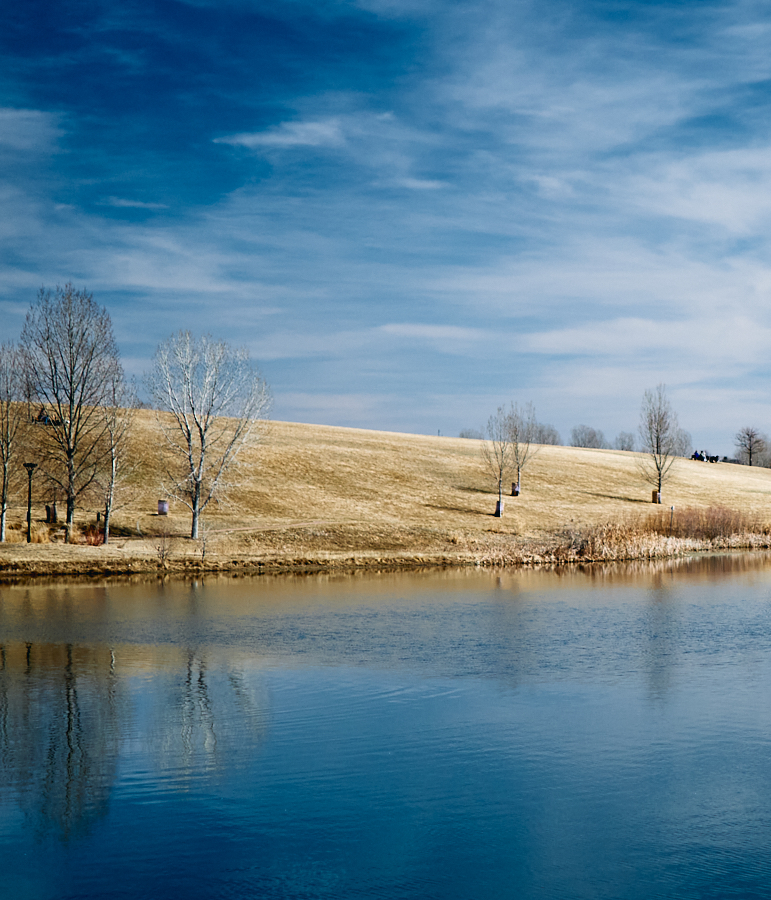
Being grateful for photographers inviting me to see the beauty of the blue and yellowish-brown colors of early spring
Driving through Wyoming on clear roadways
Seeing the smile of togetherness
Opening myself to the wisdom of words spoke by those younger than I
On and on, always on and onAway from you, parted by a life-parting. Going from one another ten thousand “li,”Each in a different corner of the World.The way between is difficult and long,Face to face how shall we meet again?The Tartar horse prefers the North wind,The bird from Yüeh nests on the Southern branch.Since we parted the time is already long,Daily my clothes hang looser round my waist.Floating clouds obscure the white sun,The wandering one has quite forgotten home.Thinking of you has made me suddenly old,The months and years swiftly draw to their close.I’ll put you out of my mind and forget for everAnd try with all my might to eat and thrive.*
*cited: Trans: Arthur Waley, Project Gutenberg A Hundred and Seventy Poems. Note: The above poem is from a series known as the Nineteen Pieces of Old Poetry. Some have been attributed to Mei Shēng (first century b.c.), and one to Fu I (first century a.d.).
ThePlum-blossom is the first of the “hundred flowers” to open. It symbolizes the beginnings of things, and is also one of the “three friends” who do not fear Winter’s cold, the other two being the pine and the bamboo.
cited: Fir-Flower Tablets Poems Translated from the Chinese Trans: Florence Ayscough & Amy Lowell Project Gutenberg
A Winter night, a cold Winter night. To me, the night is unending.
I chant heavily to myself a long time. I sit, sit in the North Hall.
The water in the well is solid with ice. The moon enters the Women’s Apartments.
The flame of the gold lamp is very small, the oil is frozen. It shines on the misery of my weeping. ~Li t’ai-Poa Woman Sings to the Air: “Sitting at Night Fir-Flower”
excerpt: Trans: Florence Ayscough & Amy Lowell Fir-Flower Tablets Poems Translated from the ChineseProject Gutenberg
First snow! I see it young every winter, Yet my face grows old As Winter comes. ~ The Diary of Izumi Shikibu
excerpt: Jens Peter Jacobsen, Niels Lyhne. A Project Gutenberg of Australia ebook. *
“Niels Lyhne … was not in his poems; he merely put the verses together. But now a change came over him. Now that he wooed a woman and wanted her to love him–him, Niels Lyhne of Lönborggaard, who was twenty-three years old, walked with a slight stoop, had beautiful hands and small ears, and was a little timid, wanted her to love him and not the idealized Nicolaus of his dreams, who had a proud bearing and confident manners, and was a little older–now he began to take a vital interest in this Niels whom he had hitherto walked about with as a slightly unpresentable friend. He had been so busy decking himself with the qualities he lacked that he had not had time to take note of those he possessed, but now he began to piece his own self together from scattered memories and impressions of his childhood and from the most vivid moments of his life. He saw with pleased surprise how it all fitted together, bit by bit, and was welded into a much more familiar personality than the one he had chased after in his dreams. This figure was far more genuine, far stronger, and more richly endowed. It was no mere dead stump of an ideal, but a living thing, full of infinite shifting possibilities playing through it and shaping it to a thousandfold unity. Good God, he had powers that could be used just as they were! He was Aladdin, and there was not a thing he had been storming the clouds for but it had fallen right down into his turban.”
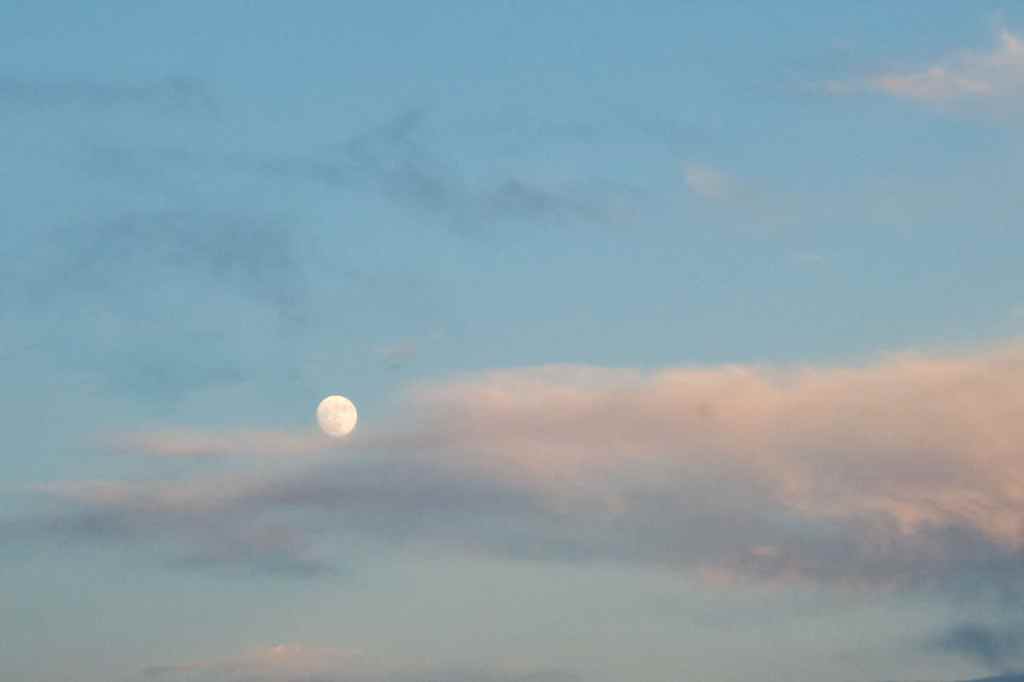
skyscape: Nikon D750 f/8 1/125s 92mm 400 ISO edited Capture One 20
*This ebook is made available at no cost and with almost no restrictions whatsoever. You may copy it, give it away or re-use it under the terms of the Project Gutenberg of Australia License which may be viewed online at http://gutenberg.net.au/license.html.
His longevity lacks the firmness of stone and metal.
For ever it has been that mourners in their turn were mourned,
Saint and Sage,—all alike are trapped.
Seeking by food to obtain Immortality
Many have been the dupe of strange drugs.
Better far to drink good wine
And clothe our bodies in robes of satin and silk. …
The above 12th poem is from a series known as the Nineteen Pieces of Old Poetry. Some have been attributed to Mei Shēng (first century b.c.), and one to Fu I (first century a.d.). They are manifestly not all by the same hand nor of the same date. Internal evidence shows that No. 3 at least was written after the date of Mei Shēng’s death. These poems had an enormous influence on all subsequent poetry, and many of the habitual clichés of Chinese verse are taken from them.
cited: Trans: Arthur Waley, A hundred and Seventy Chinese Poems. Project Gutenberg. This ebook is made available at no cost and with almost no restrictions whatsoever. You may copy it, give it away or re-use it under the terms of the Project Gutenberg of Australia License which may be viewed online at http://gutenberg.net.au/license.html.
66th day of self isolation
Skyscape photograph Nikon D750 f/8 1/25s 32 mm 400 ISO edited: Capture One 20 and Photoshop
There was once a man who dreamt he went to Heaven:
His dream-body soared aloft through space.
He rode on the back of a white-plumed crane,
And was led on his flight by two crimson banners.
Whirring of wings and flapping of coat tails!
Jade bells suddenly all a-tinkle!
Half way to Heaven, he looked down beneath him,
Down on the dark turmoil of the World.
Gradually he lost the place of his native town…
~Po Chü
cited: Trans: Arthur Waley, A hundred and Seventy Chinese Poems. Project Gutenberg. This ebook is made available at no cost and with almost no restrictions whatsoever. You may copy it, give it away or re-use it under the terms of the Project Gutenberg of Australia License which may be viewed online at http://gutenberg.net.au/license.html.
65th day of self isolation
Skyscape photograph Nikon D750 f/8 1/80s 92 mm 400 ISO edited: Capture One 20
*Po Chü’s (AD 772-846) poem is an attack on the Emperor Hsien-tsung, a.d. 806-820, who “was devoted to magic.” A Taoist wizard told him that herbs of longevity grew near the city of T’ai-chou. The Emperor at once appointed him prefect of the place, “pour lui permettre d’herboriser plus à son aise” (Wieger, Textes III, 1723). When the censors protested, the Emperor replied: “The ruin of a single district would be a small price to pay, if it could procure longevity for the Lord of Men.”
“Long ago there were two queens* called Huang and Ying. And they stood on the shores of the Hsiao-hsiang, to the south of Lake Tung-t’ing. Their sorrow was deep as the waters of the Lake that go straight down a thousand miles. Dark clouds blackened the sun. Shōjō** howled in the mist and ghosts whistled in the rain. The queens said, ‘Though we speak of it we cannot mend it. High Heaven is secretly afraid to shine on our loyalty. But the thunder crashes and bellows its anger, that while Yao and Shun are here they should also be crowning Yü. When a prince loses his servants, the dragon turns into a minnow. When power goes to slaves, mice change to tigers.
“’Some say that Yao is shackled and hidden away, and that Shun has died in the fields.
“’But the Nine Hills of Deceit stand there in a row, each like each; and which of them covers the lonely bones of the Double-eyed One, our Master?’
“So the royal ladies wept, standing amid yellow clouds. Their tears followed the winds and waves, that never return. And while they wept, they looked out into the distance and saw the deep mountain of Tsang-wu.
“’The mountain of Tsang-wu shall fall and the waters of the Hsiang shall cease, sooner than the marks of our tears shall fade from these bamboo-leaves.’”
Cited:
The Project Gutenberg EBook of The Poet Li Po, by Arthur Waley and Bai Li This eBook is for the use of anyone anywhere at no cost and with almost no restrictions whatsoever. You may copy it, give it away or re-use it under the terms of the Project Gutenberg License included with this eBook or online at http://www.gutenberg.org
Notes:
*These queens were the daughters of the Emperor Yao, who gave them in marriage to Shun, and abdicated in his favour. Shun’s ministers conspired against him and set “the Great Yü” on the throne. A legend says that the spots on the bamboo-leaves which grow on the Hsiang River were caused by the tears of these two queens
**A kind of demon-monkey
Skyscape photography at sunset on 62nd day of self isolation – Nikon D750 f/8 1/640 90mm 400 ISO edited Capture One 20









 a meditative journey
You must be logged in to post a comment.