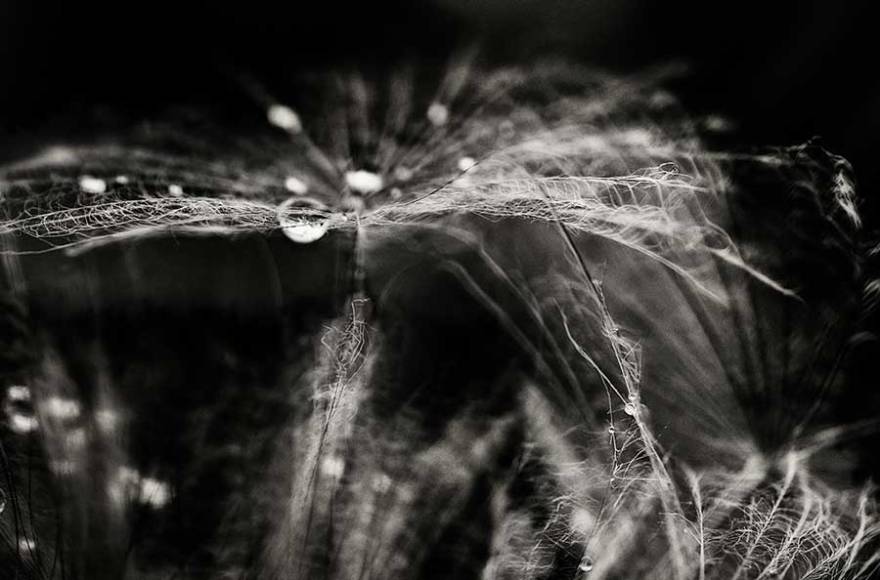
“…memory can take refuge in silence…”*

Nikon D750 f/7.1 1/400s 135mm 3200 ISO
*cited: Vera Schwarcz, Bridge Across Broken Time
“…memory can take refuge in silence…”*
Nikon D750 f/7.1 1/400s 135mm 3200 ISO
*cited: Vera Schwarcz, Bridge Across Broken Time

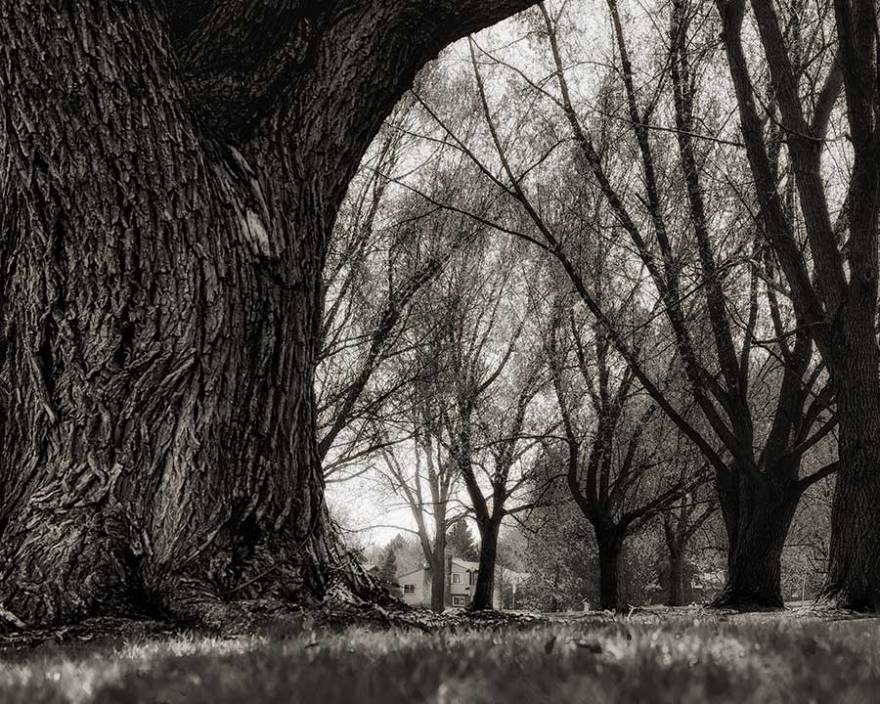
Nikon D750 f/7.1 1/400s 85mm 140 ISO
Over the wintry
forest, winds howl in rage
with no leaves to blow ~Soseki Natsume
Natsume Soseki (夏目 漱石 in Japanese; February 9, 1867 – December 9, 1916) was the pen name of Natsume Kinnosuke (夏目金之助), one of the foremost Japanese novelists of the Meiji Era. Soseki, along with Mori Ogai, is considered one of the two greatest early modern Japanese writers… The alienation of modern humanity, the search for morality and the difficulty of communication were common themes throughout Soseki’s works. From 1984 until 2004, his portrait appeared on the front of the Japanese 1,000-yen note.
Natsume Kinnosuke was born on February 9, 1867, just one year and a half before the start of the Meiji Reformation, in Edo (modern-day Tokyo). His father, Naokatsu, was the hereditary chief of a small town in Edo. When Natsume was born, Naokatsu was fifty years old, his wife Chie was forty-one, and they had five sons and three daughters. Bearing a child late in life, in those days, was regarded as “the shame of woman.” Chie was ashamed to have a child at her advanced age and, as the last baby of many children, Natsume was placed in a foster home at either a second-hand store or a vegetable shop. Kinnosuke’s elder sister found that he was being kept in the shop until late at night (the shop was probably kept open until midnight), confined in a bamboo cage beside the merchandise. Unable to look on in silence any longer, she brought him home.
When Natsume Kinnosuke was one year old, his parents foisted him off again, this time on a former household servant, Shiobara Masanosuke, and his wife. Natsume began his life as an unwanted child. Although he was brought up indulgently until the age of nine, Shiobara Masanosuke and his wife eventually separated and Natsume was returned to his family home. He was welcomed by his mother, but his father regarded him as a nuisance. When he was fourteen, his mother died. The solitude and defiance that he exhibited later in life came not only from his character, but from the surroundings in which he grew up. After his return home, he was required to call his parents “grandparents.” …
cited: http://www.newworldencyclopedia.org/entry/Natsume_Soseki
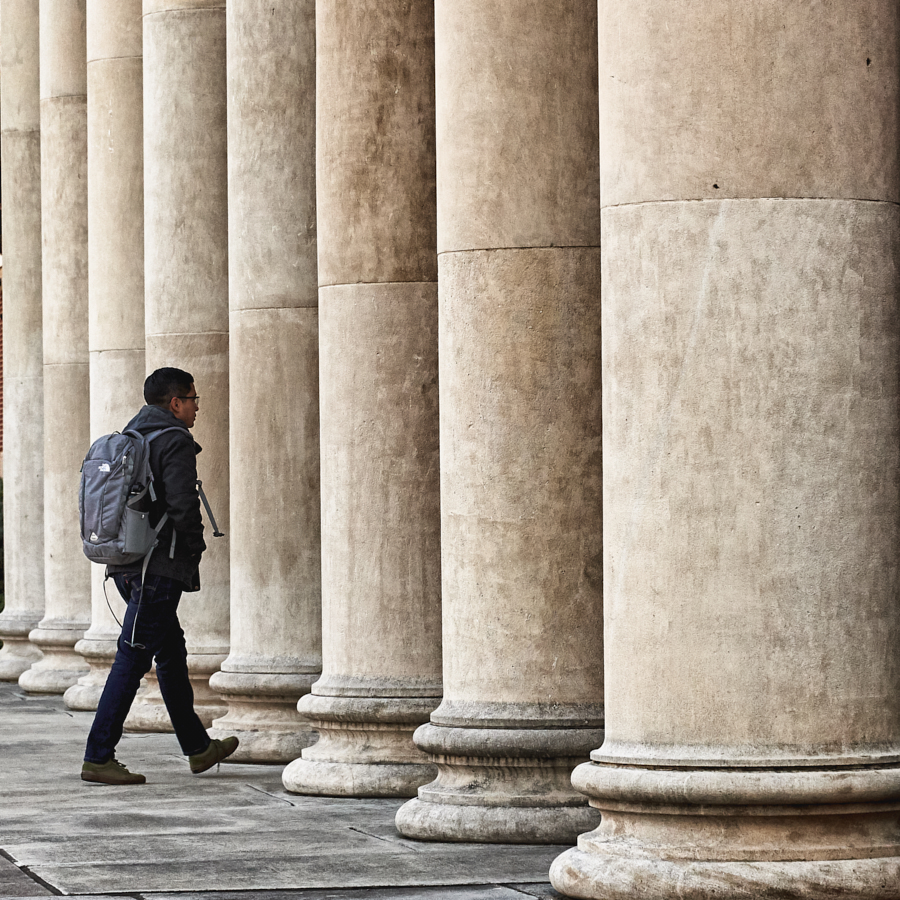
Nikon D750 f/7.1 1/400s 85mm 1250 ISO
“Why should you care so much for Christminster?” she said, pensively. “Christminster cares nothing for you, poor dear!”
“Well, I do; I can’t help it. I love the place–although I know how it hates all men like me–the so-called Self-taught–how it scorns our labored acquisitions, when it should be the first to respect them; how it sneers at our false quantities and mispronunciations, when it should say, I see you want help, my poor friend!. . . Nevertheless, it is the centre of the universe to me, because of my early dream: and nothing can alter it. Perhaps it will soon wake up, and be generous. I pray so! . . . I should like to go back to live there–perhaps to die there! … ~Thomas Hardy (Jude the Obscure)
Today, is one week shy of my year-long photo study project! I began this blogging journey with the intention to explore, experiment, and learn about various aspects of photography.
Through the unparalleled sharing of knowledge Ted Forbes’ offered through his YouTube videos, The Art of Photography, I was able to set out learning about the basics of composition within photography: the rules of thirds, odds, and space; as well as, the elements of lines, shape, simplification, negative space, repeating patterns, sub framing, and triangles. And from this ground work we explored perspective, seeing, low and high angles, tone, color theory, and the characteristics of light.


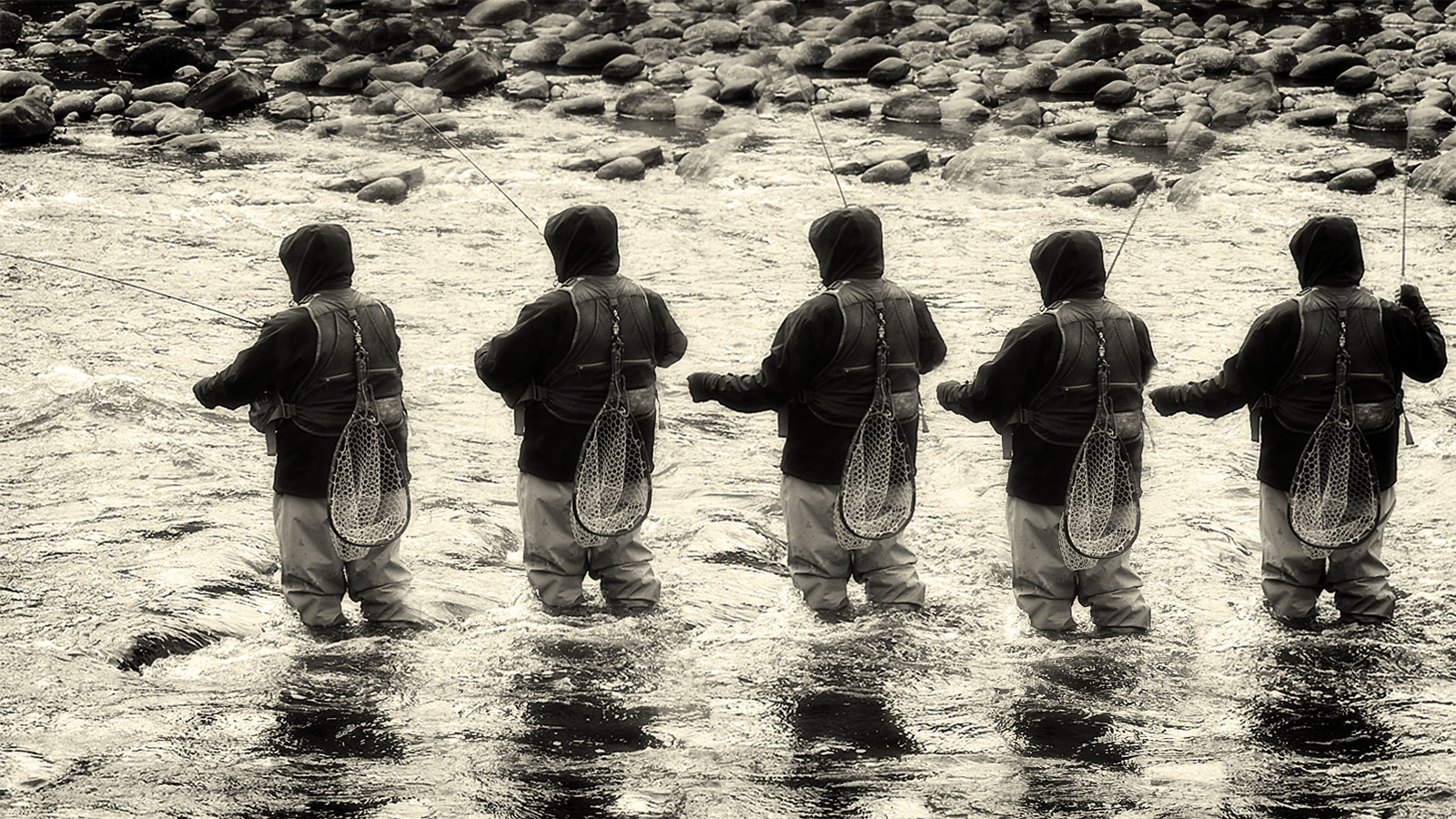
Was there a specific topic or post that you enjoyed the most, the most beneficial, the most challenging? I would enjoy seeing 1-7 of the images you created during the past year. Let’s tag with #aphotostudy.
Olden memories
so brisk
in their fading,
this moment soon to follow —
shadows on the snow ~bckofford


Thank you for joining me as I wandered through the photographs posted on this blog throughout 2018 and shared the contemplations that accompanied them.
May each of your steps throughout the new year be accompanied with love-filled companions and joyous moments.
November is about Thanksgiving, a celebration within the United States in which people gather around a table of abundance and give thanks (or not) before engaging in one of the seven sins…gluttony.
“The Tibetan Wheel of Suffering illustrates how our psychological patterns — our unconscious drives and needs, impulsive and reactive responses, learned and conditioned habits, and obsessions and compulsions – serve to keep us locked in self-defeating or misguided mental formations.
“Within the lower section of the wheel is the realm of the hungry ghost…beings with long, extremely slender necks, needle mouths, and bloated stomachs. They are characterized by their infinite emptiness and eternal starvation that drives addictive and compulsive behaviors. When they do obtain what they crave, their achieved desires turn into swords and knives in their bellies. Their unfulfilled longings and cravings torture them through unending grief, rejection, bargaining, and anger. They remain insatiably obsessed with the fantasy of achieving complete release from their past. Their efforts to undo the past remain unproductive as they layer past memories onto the present and thus respond to present occurrences as if they were suddenly transported into their past. While they are aware of the suffering within their misery, they are unaware of how their confusion and delusion comes from their transpositions and subsequent mistaken attributions.
“Introduced in this realm is a bodhisattva holding a bowl filled with spiritual nourishment. These spiritual morsels: grace, faith, mindfulness, centeredness, compassion, loving-kindness, and equanimity, all contain the nutrients of wisdom to ease their torments.” ~B Koeford
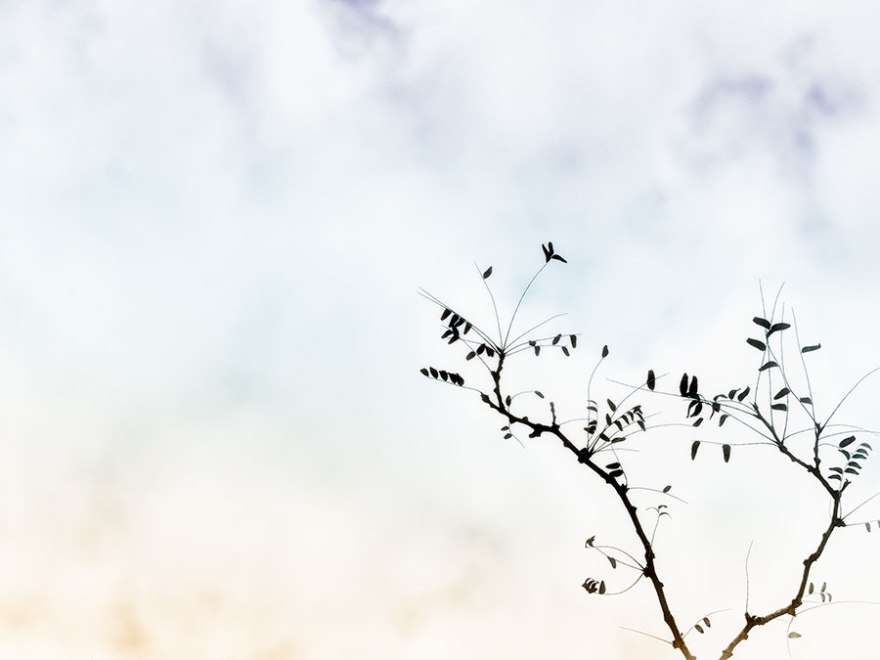


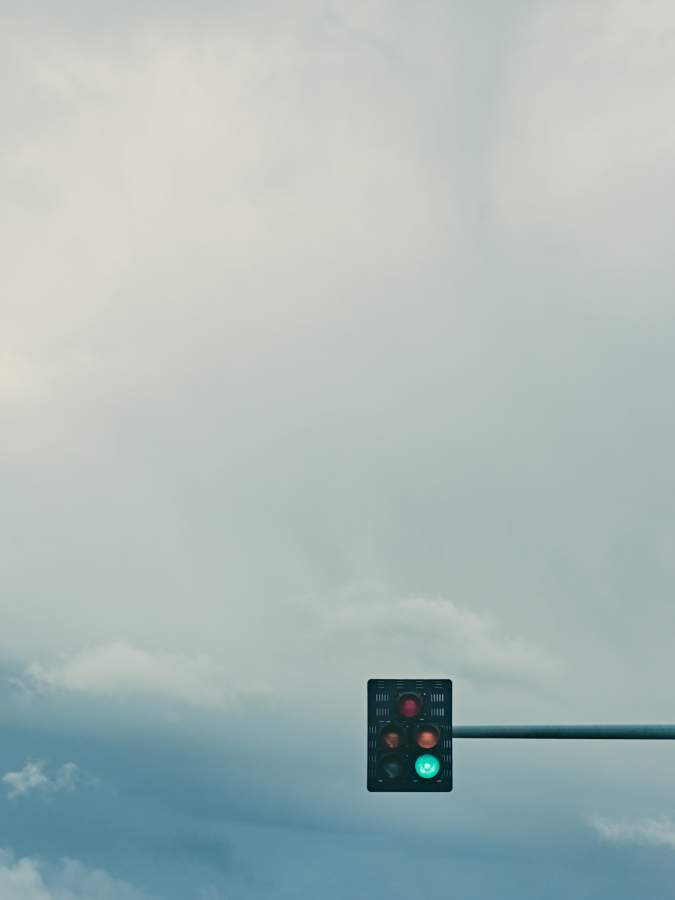


Gratitude is a spiritual morsel that awakens us from being overwhelmed in the darkness of resentment to the spontaneous and wondrous moments gifted us through nature’s grace.
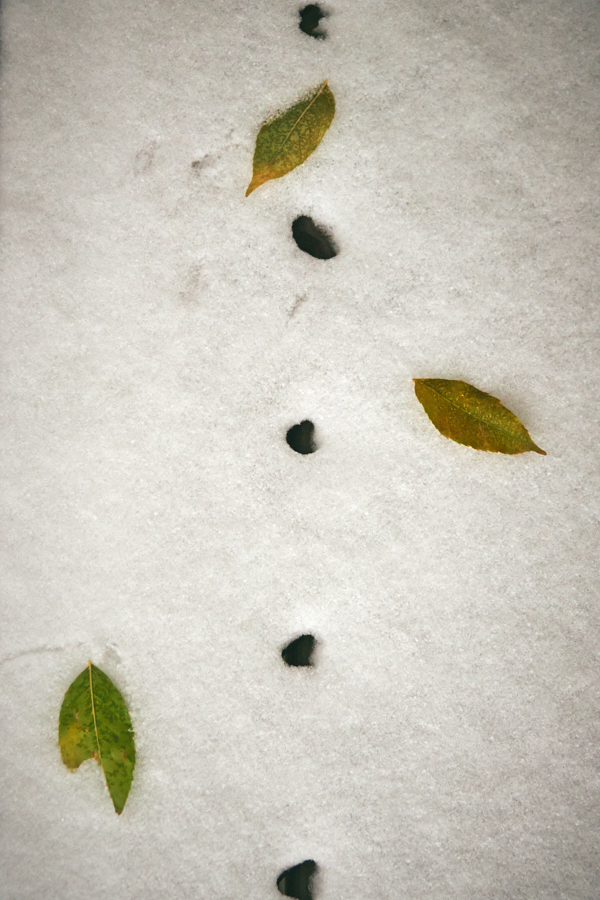


October is my Memorial Day extended to 30 days. In truth this time of remembered grief and loss ebbs and flows throughout each day of each year. The intensity of these emotional tides are at the mercy of a lunar moon that has a cycle that begins to tug at my heart in September and slowly releases me in February. It is October, the high tide, the felt-sense zenith of grief.
The continuation of contemplative photography through October was a means to be with the world as it is…and not as I so wish it would be.
the path is hidden by Dharma,
invisible, yet…
memories of you lead me onward.


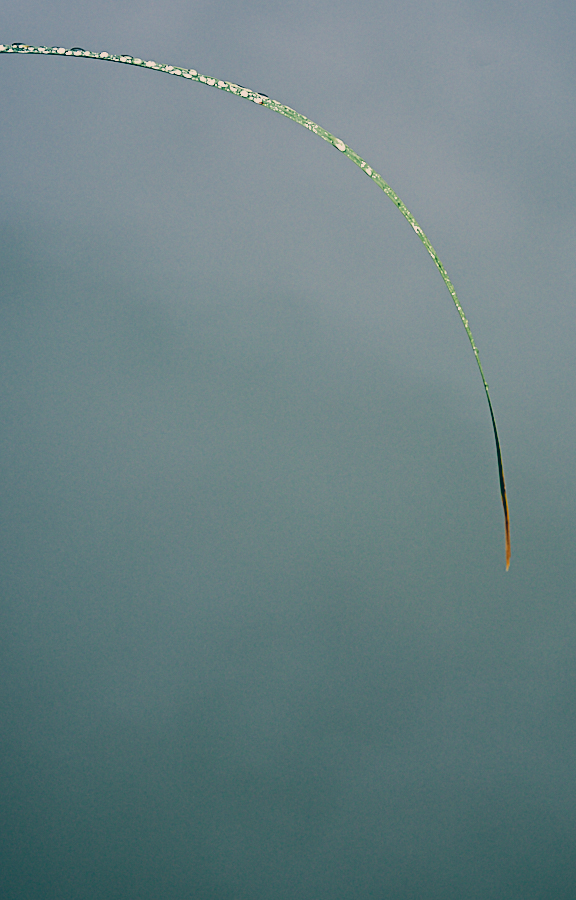

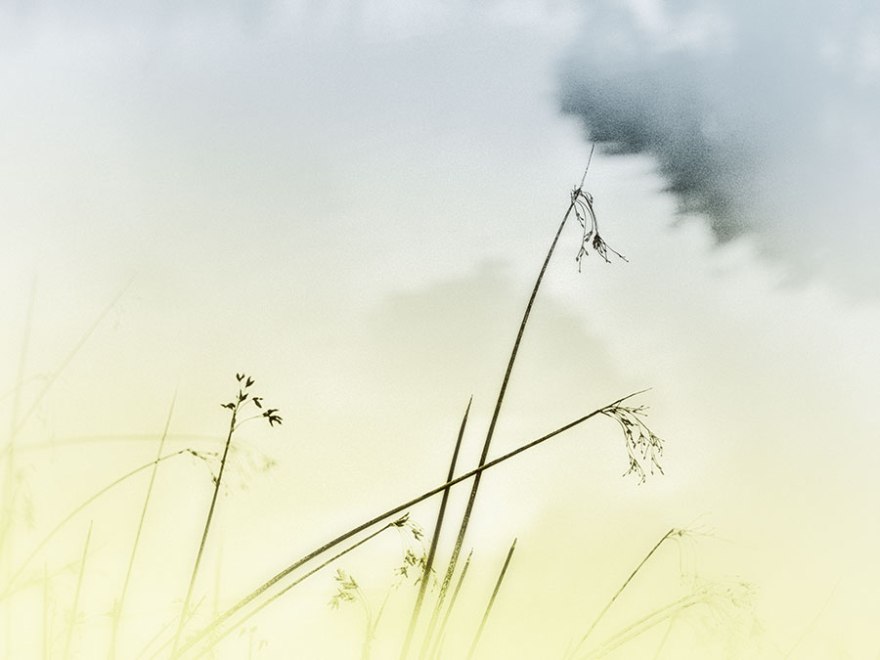


September was the month when the American political environment had me wonder if I, like Washington Irving’s character, Rip Van Winkle, had slept through a cultural change so profound that my childhood values, morals, and guiding principles were left to rot in the wave of adults regressing back to the elementary school playground’s name-calling, bullying, and violence that left me cringe and hide with overwhelming fear and confusion.
What has blinded us to empathy? When did social justice become a basis of negation? How did human rights become a political loss? While the Great Wall of China is one of the great architectural wonders of the world, does anyone remember the lives of those encircled by the Warsaw Wall or the delight when the Berlin Wall came down?
If I didn’t have photography which invites me to shift “focus”, would this social regression have me rise up in anger and resentment? Would I become blind and deaf to my own moral shame and moral dread? So…in reflection contemplative photography invited my internal voice to become silent and see the world through a different lens.
In September, one of the blogs I posted noted,
“Henri Cartier-Bresson… is reported to have said, “Thinking should be done beforehand and afterwards—never while actually taking a photograph. Success depends on the extent of one’s general culture, on one’s set of values, one’s clarity of mind and vivacity.
…the creative mind of a photographer is like a piece of unexposed film. It contains no preformed images but is always active, open, receptive, and ready to receive and record an image.~Minor White cited: W Rowe, Zen and the Magic of Photography
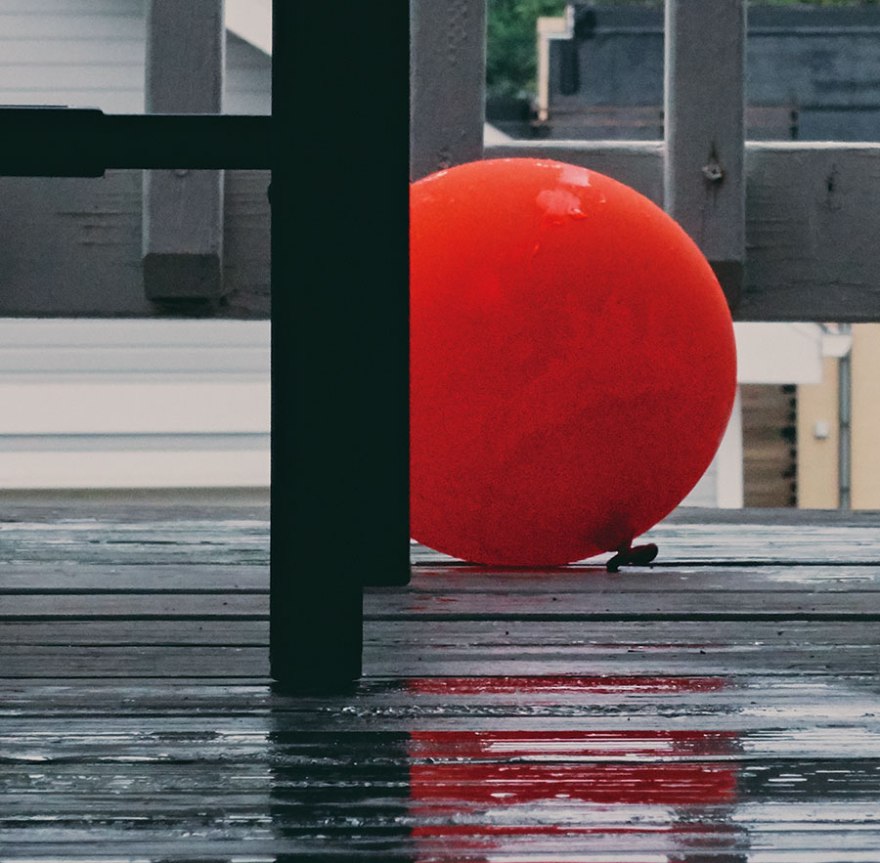

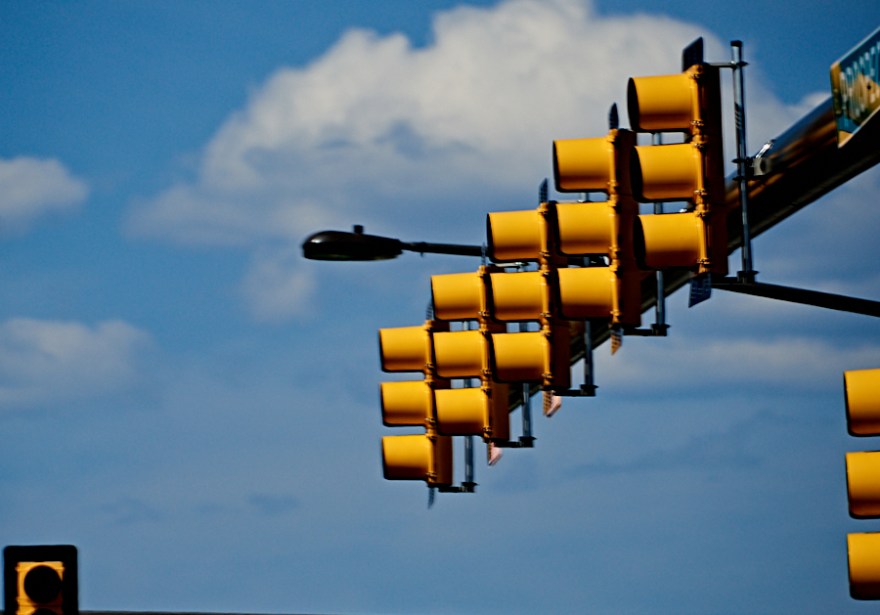


I invite you to spend some time with “To Live”, an amazing story of a family’s survival through times of change.
As I review the blogs posted in August, I noticed an increased shift away from black and white images to color. I attribute this to the increased “focus” on the various elements of contemplative photography and an intention to seeing what is as opposed to compositional elements.
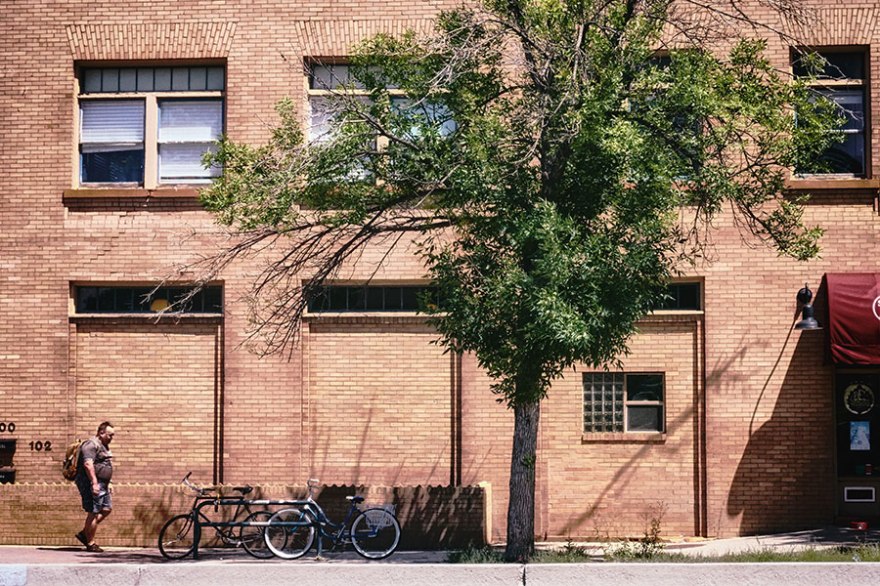


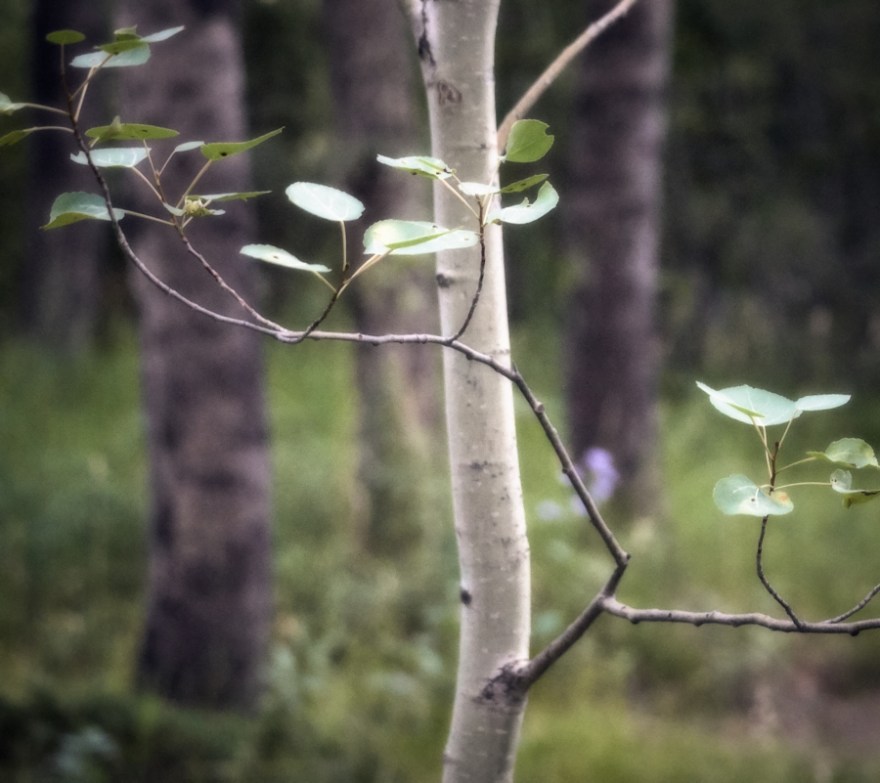

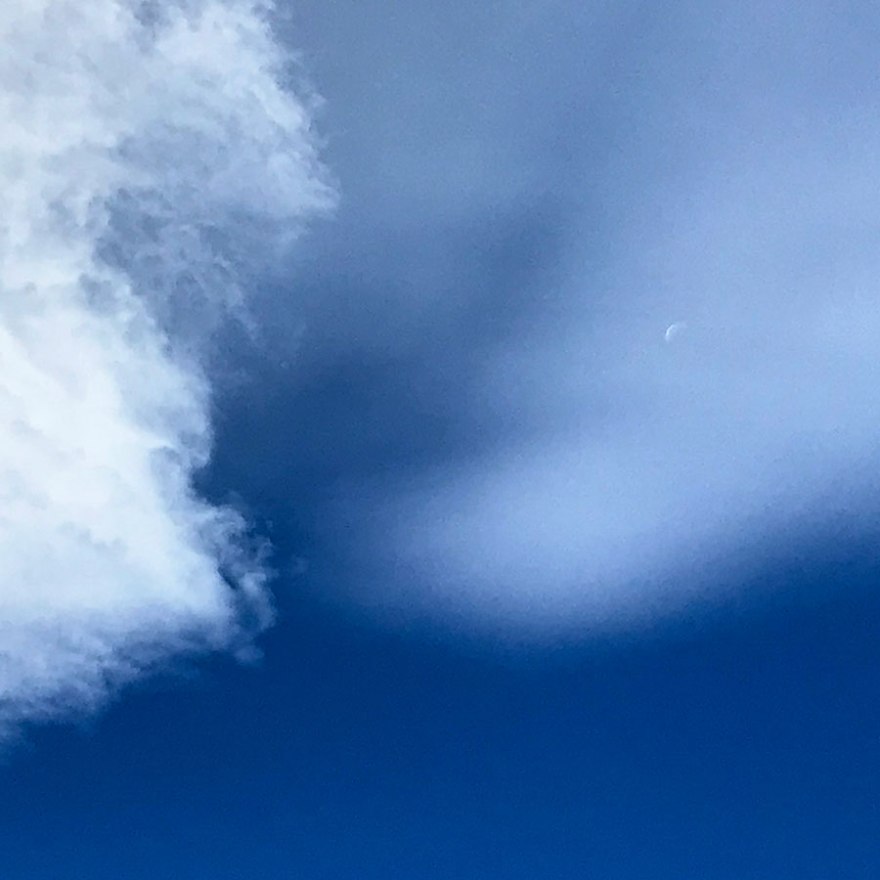






Street photography — when elements of reality and spontaneity combine with humanity’s quirkiness, we are gifted with memorable images of life as it is…un-doctored, non-photoshopped moments seen through various points of reference.
The photography project I undertook this year began to “focus” upon street photography in June and resulted in seven blogs dedicated to this particular genre.
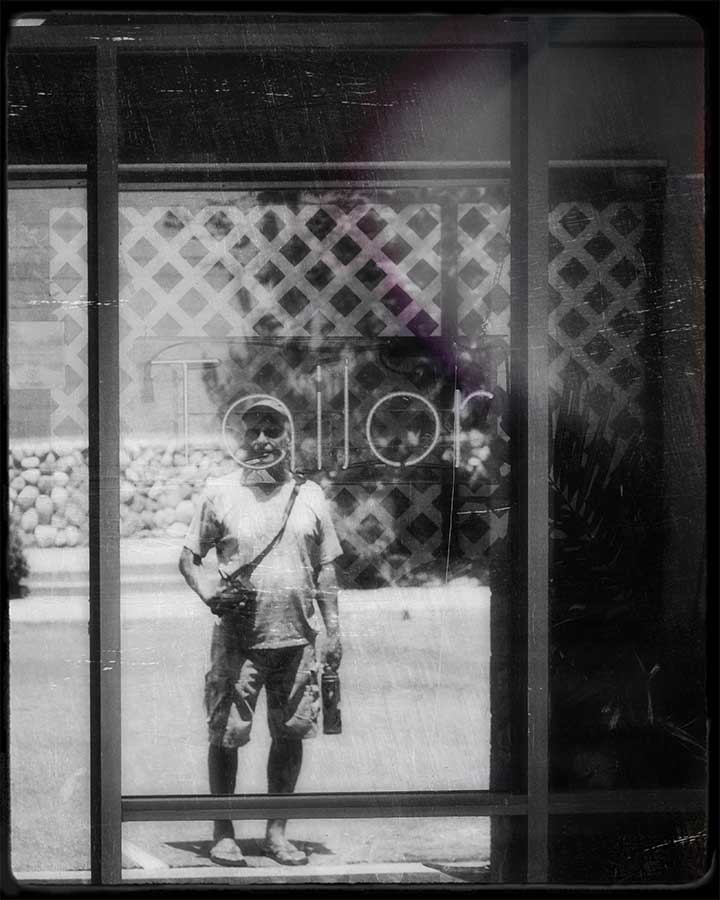

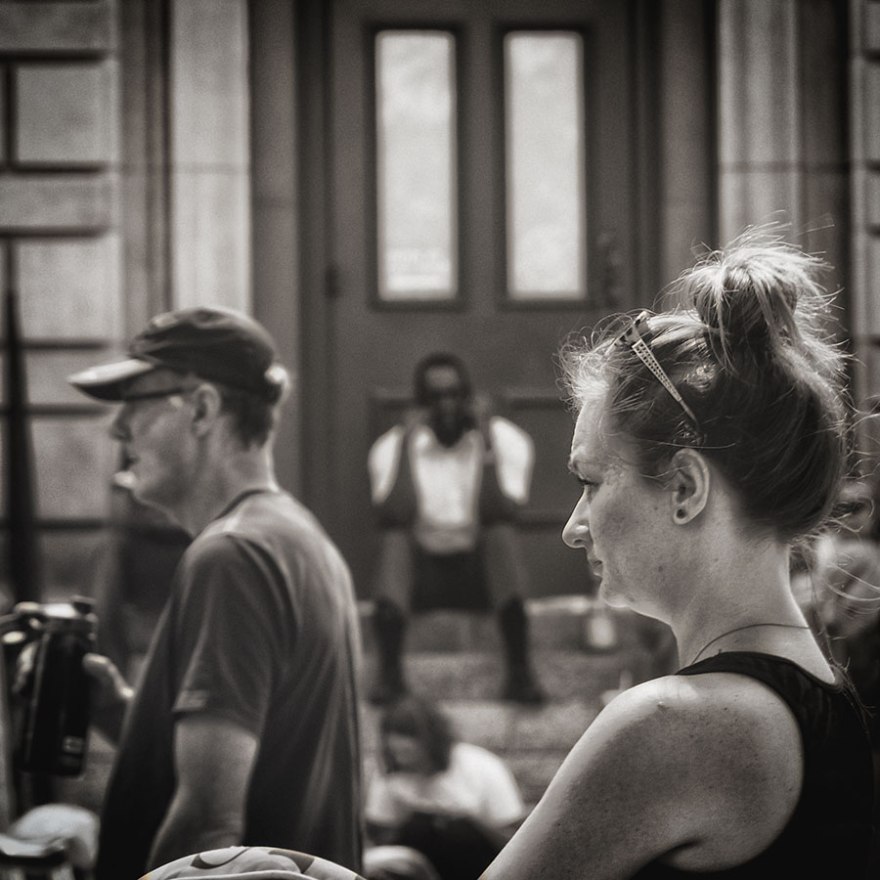
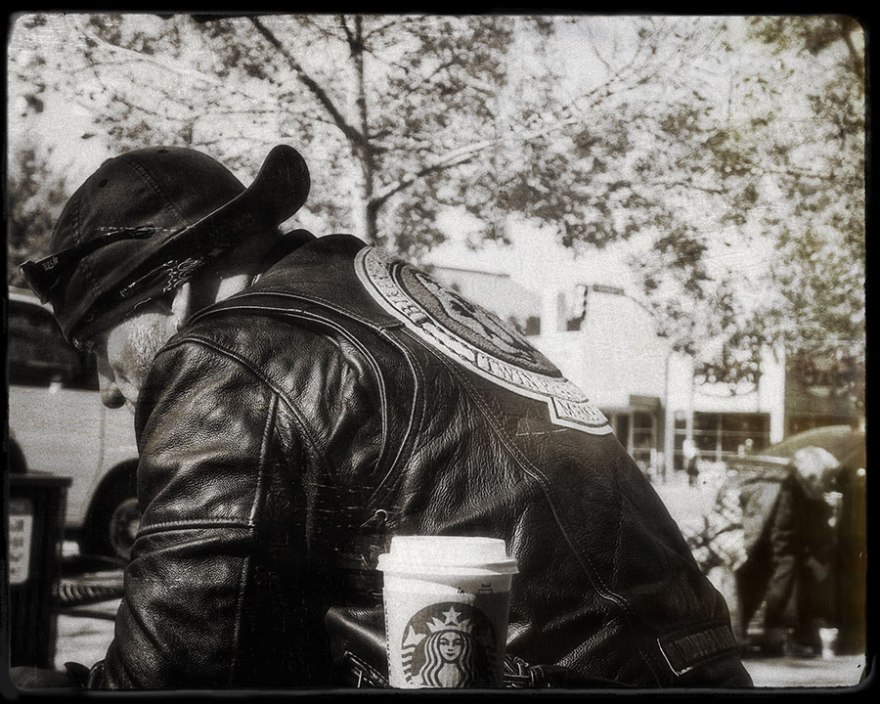

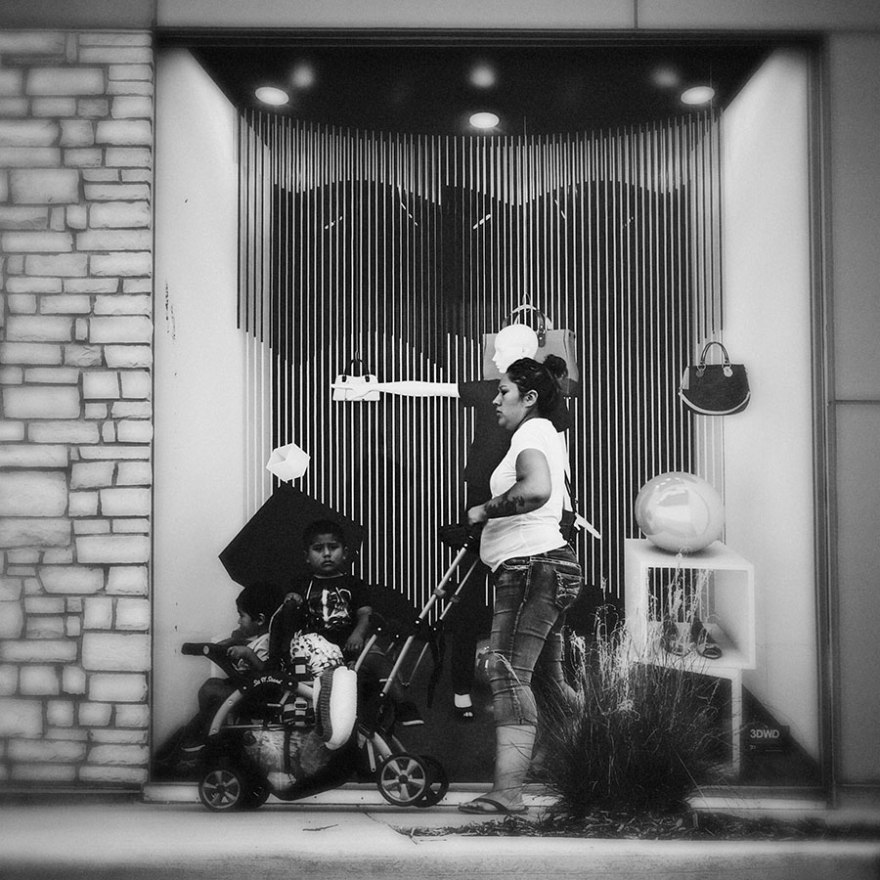

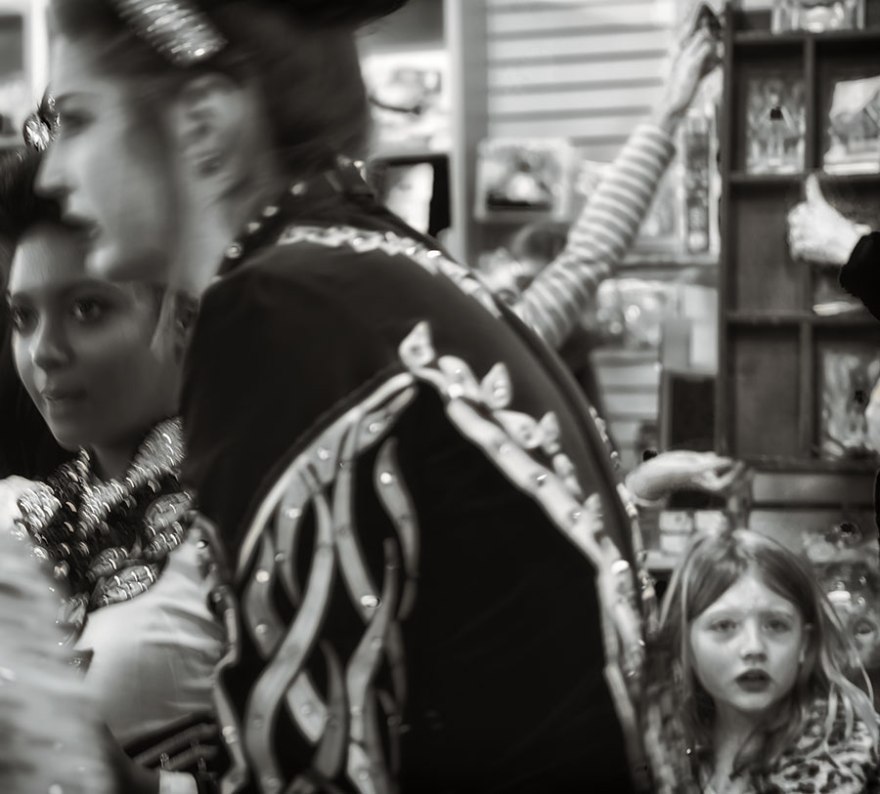

I love watching people, imagining their life stories, and photographing them unaware. Yet, more and more I am finding a growing sense of unease behind the camera that I attribute to an atmosphere colored by anxiety, distrust, tension. This in combination to some of Henri Cartier-Bresson images has invited me to explore an artistic side of street photography that draws upon the human figure, not as a point of focus, but as a compositional element.
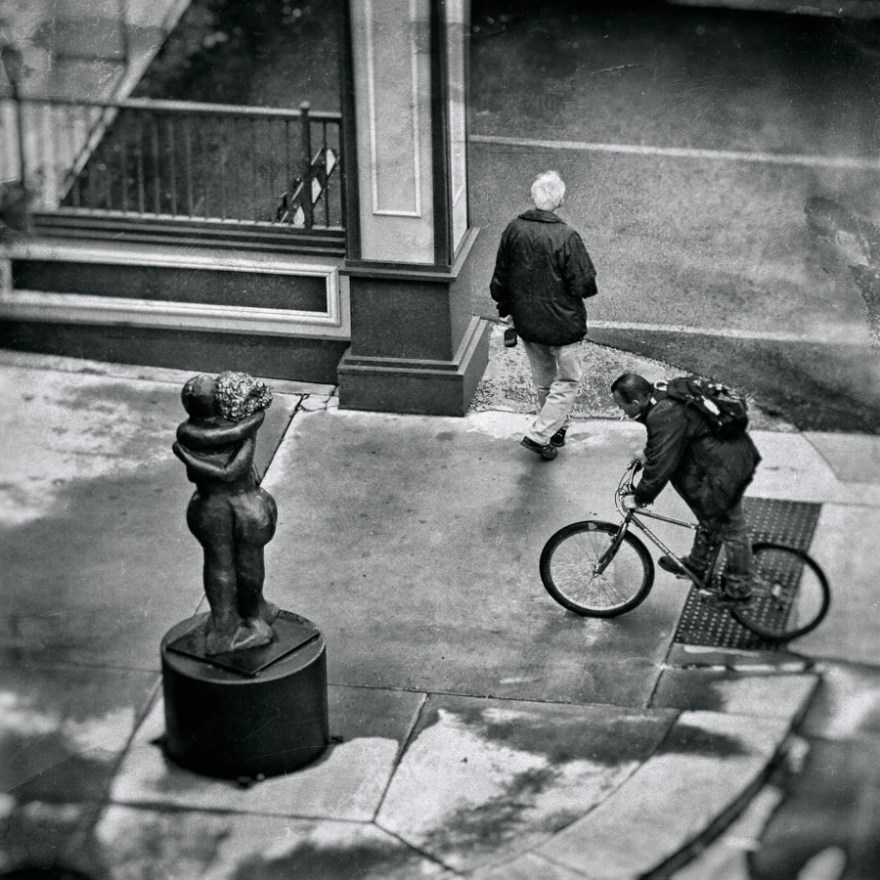
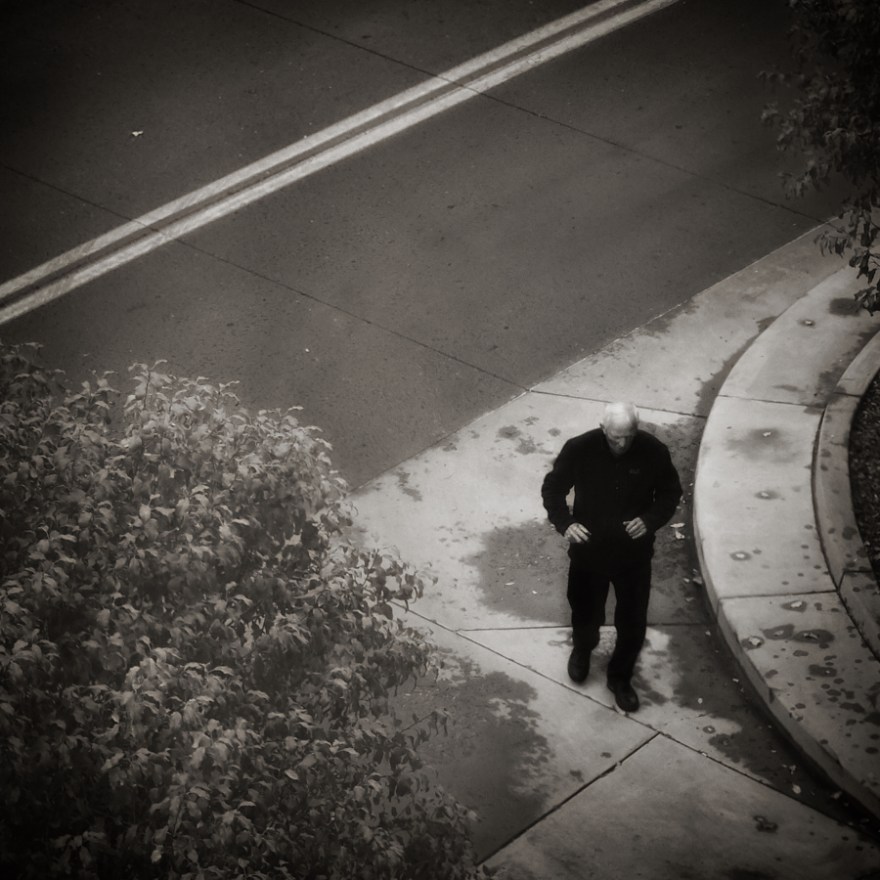
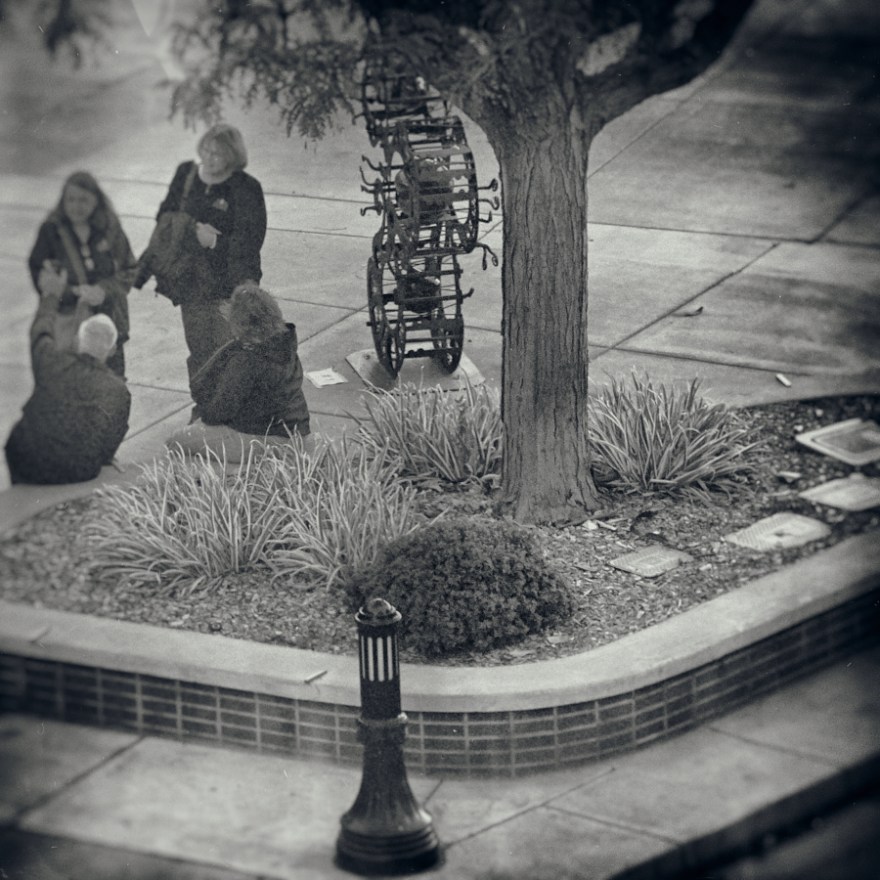
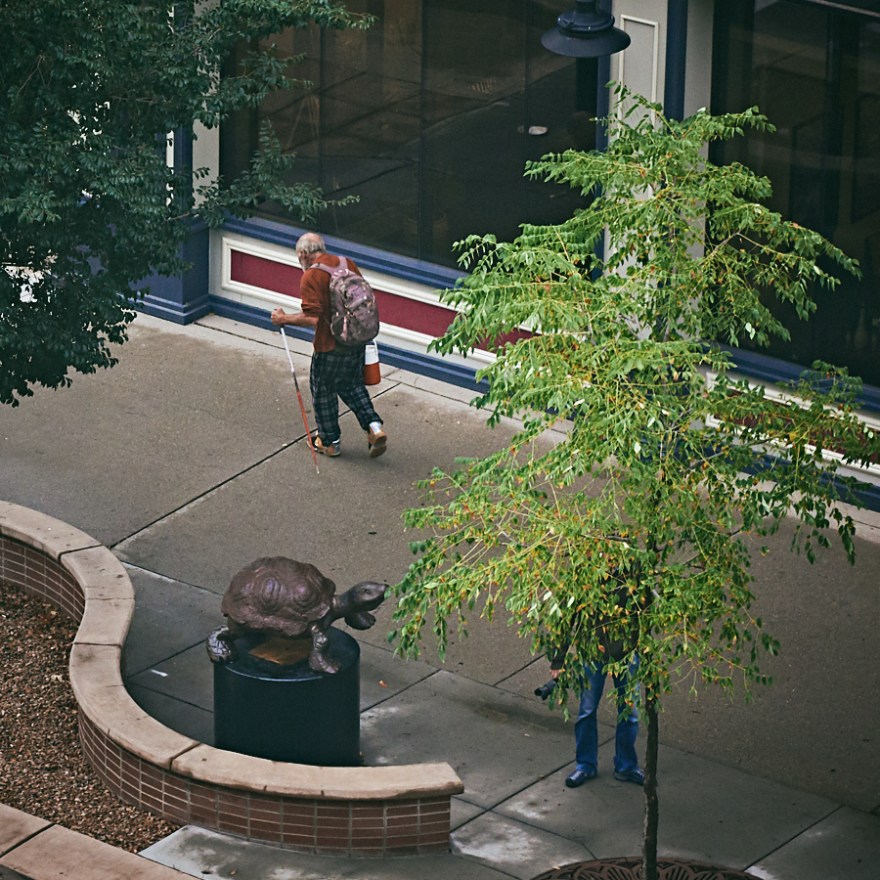
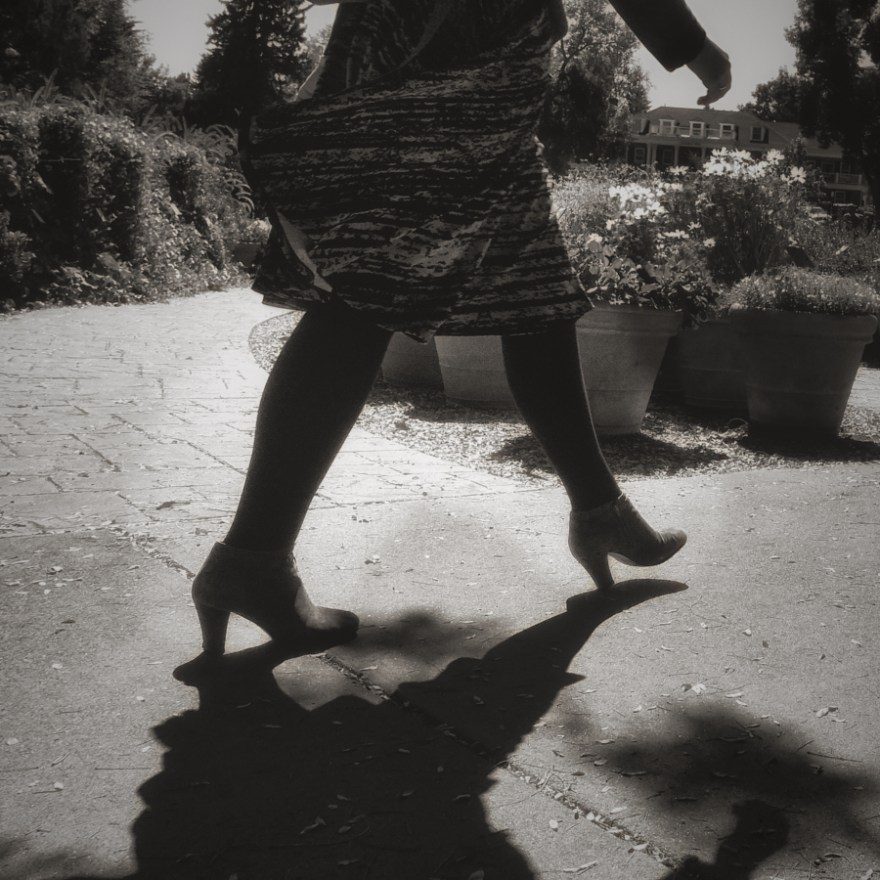

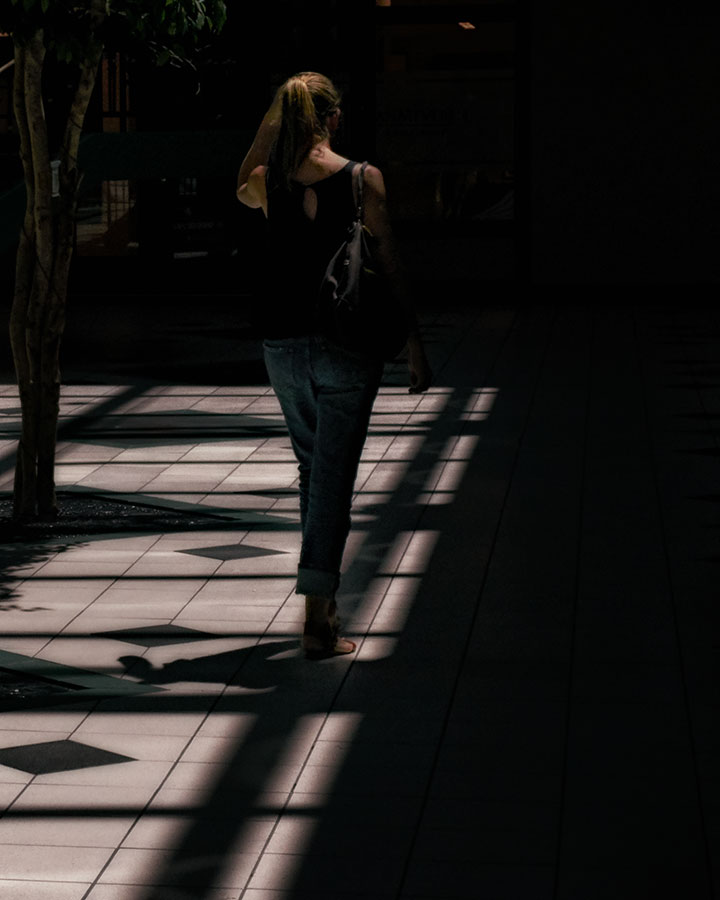
Has your creative work taken you down an unexpected path that was both exciting and challenging?
May is the month of my youngest sister’s birthday. Within memory, it is also the month of promised freedom…freedom from winter’s bone-chilling cold and freedom to escape the confines of home and school as jump ropes, marbles, chalk, and baseballs emerged from dark musty closets. Its promise was the promise of summer which held the yearning for freedom from school; and thus, the freedom to swim in the Yampa River, to ride the train to Steamboat Springs, to lose myself in a stack of library books, and to explore a backyard that had no fence barriers.
The photo study project during last May was inspired by my initial reading of Bruce Percy’s ebook, “The Art of Tonal Adjustment.” and Ted Forbes’ educational video in which he reviewed low angle photography.

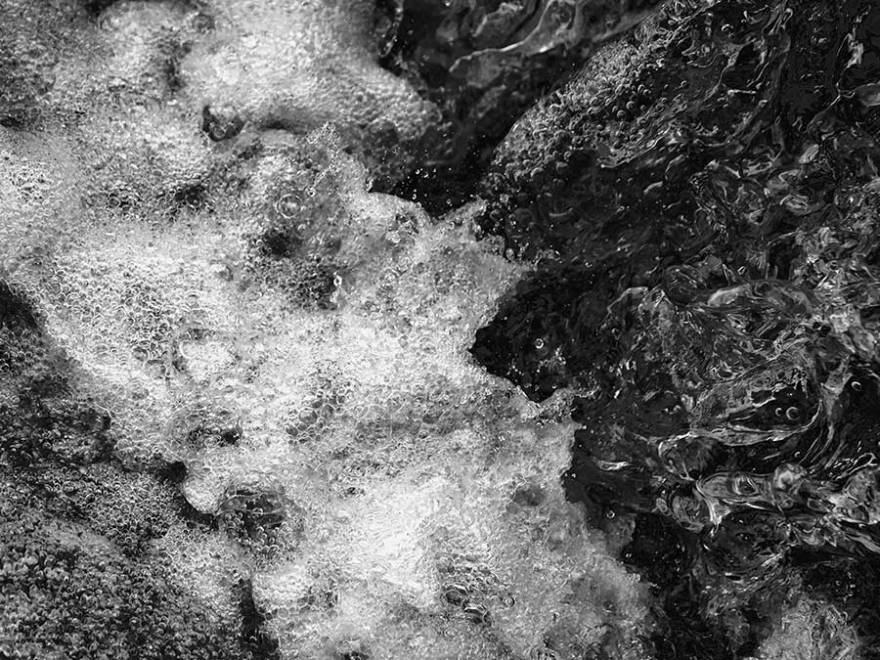

What childhood memories does May awaken for you? Over the past year have you been inspired by a blogger, a photographer, a writer?
I am grateful for all of those who, in a role of teacher–intentional and unintentional, were an inspiration and within the listening and processing of their worldview a new window to my world opened. One window was opened this morning with this very interesting educational video about frames of reference which I will need to replay a number of times in order ease my mental fog.
“…April showers bring May flowers.”
April stirs my slumbering hunger for color to counteract the depressive yellowish-brown, tired, and bare world winter leaves in its wake. Growing up in the western part of Colorado, I wasn’t aware of how brown, dry, and “un-alive” this state can be until I saw Southern California’s multiple shades of green from the window of a plane and felt the amazing touch of the ocean’s breeze as I left the airport.
As I reviewed the blogs posted during April, I found that some of the composition elements that my photo study explored were:

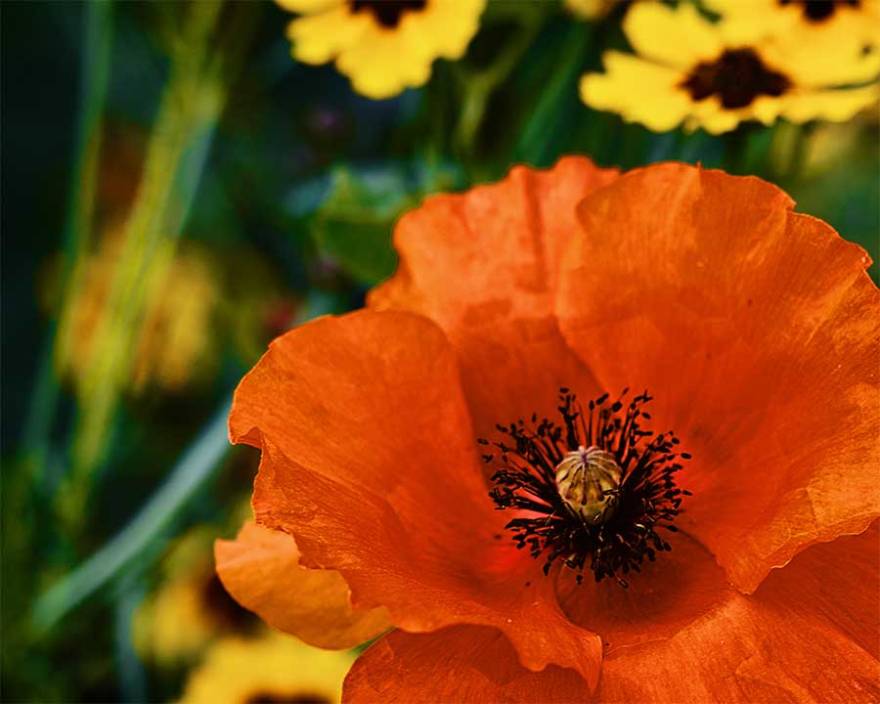
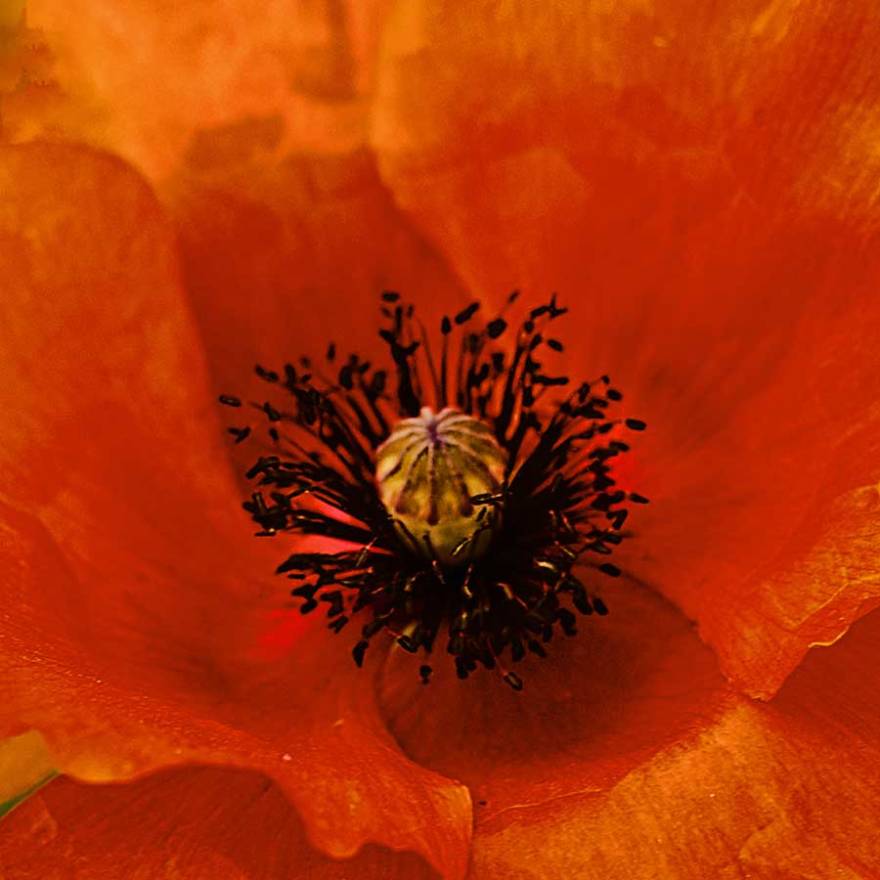





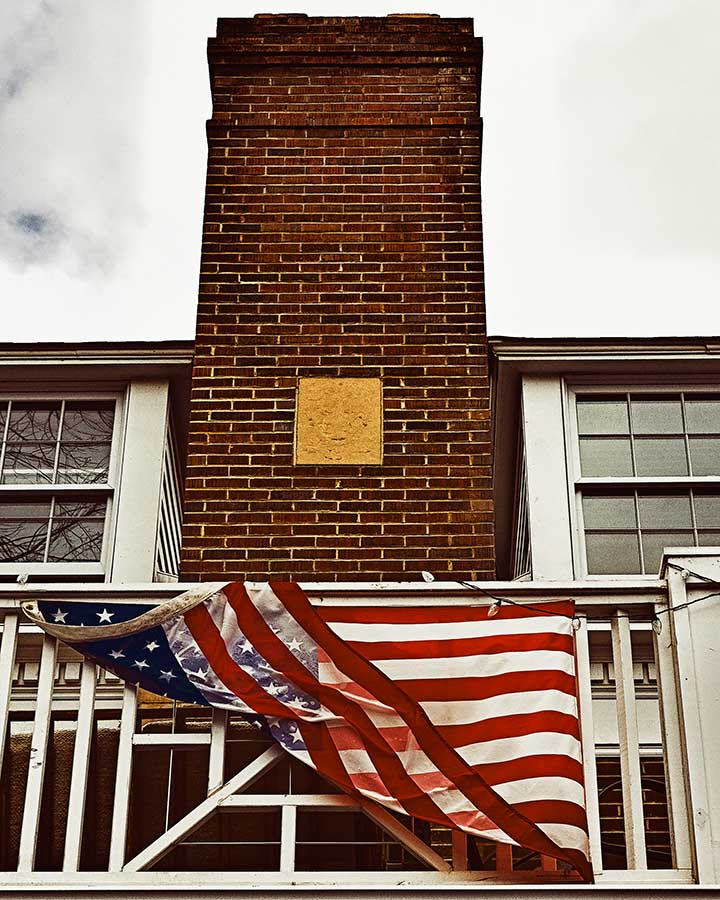
“From now on, before I go shoot, I’ll consult internally to focus on one thing I want to capture, and have that point of departure. It’ll give purpose to my work and me being out there. The advantages are that I’ll learn patience, presence and a deeper sense of observation. This is a powerful and deep message…have a point of departure.” ~Ralph Gibson


My favorite parts of blogging is the sharing of photographs and reading the thoughts you share in the comment section. This ongoing exchange is like an ongoing virtual trip through various countries and ideas that result in an expanding worldview. Thank you.
 a meditative journey
You must be logged in to post a comment.