The wings of the butterfly are delicate. Their wings are made up of thousands of scales that can fall off if touched. Without these scales to protect their wings, the underlying tissue can tear, preventing them from flying. The scales are unable to regrow once damaged.
street
Migrating is delicate. Each fall, millions of monarch butterflies migrate from Canada to Mexico. The monarch migration is a brilliant demonstration of nature’s ingenuity, but the delicate creatures face many perils, and the number of migrating monarchs is declining sharply.
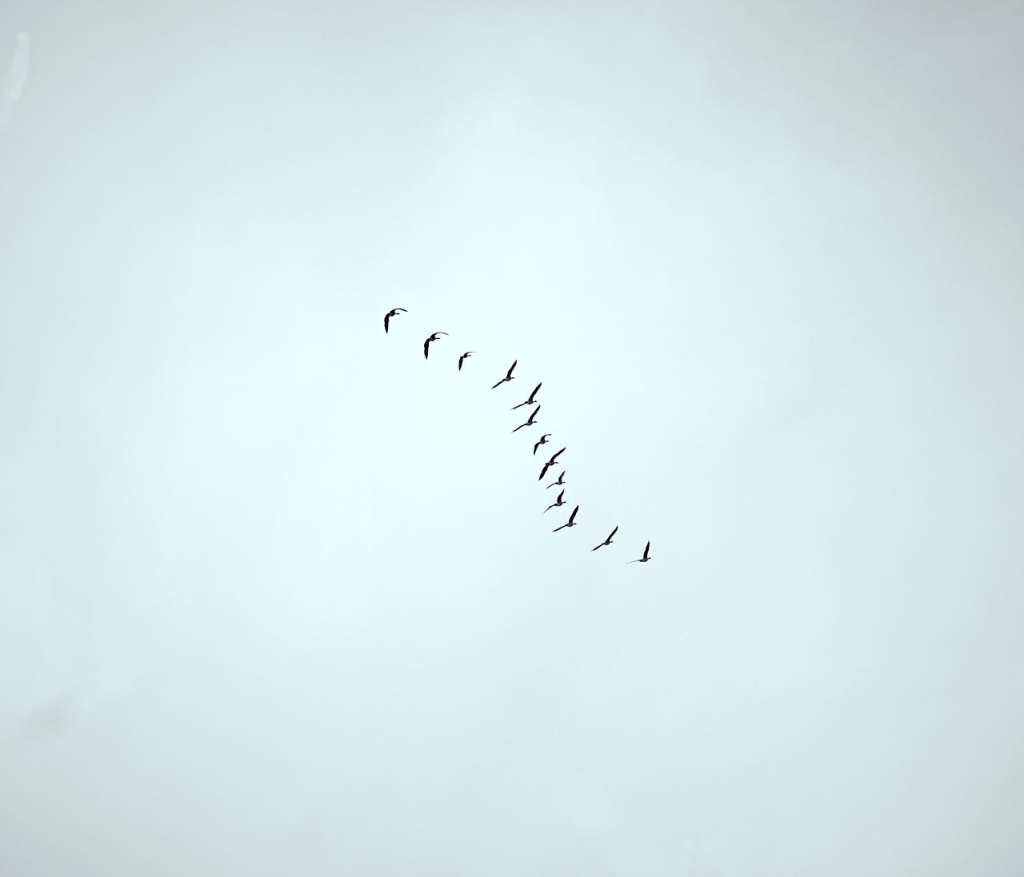
Peace is delicate.
Submitted for this week’s lens-artists challenge: delicate
“In a world where time is a sense, like sight or like taste, sequence of episodes may be quick or may be slow, dim or intense, salty or sweet, causal or without cause, orderly or random, depending on the prior history of the viewer. Philosophers sit in cafés on Amthausgasse and argue whether time really exists outside human perception. Who can say if an event happens fast or slow, causally or without cause, in the past or future? Who can say if events happen at all? The philosophers sit with half-opened eyes and compare their aesthetics of time.
Fujifilm X-T4 f/5.6 1/60 s 46.6 mm 800 ISO
Some few people are born without any sene of time. As consequence, their sense of place becomes heightened to excruciating degree. They lie in tall grass and are questioned by poets and painters from all over the world. These time-deaf are beseeched to describe the precise placement of trees in the spring, the shape of snow on the Alps, the angle of sun on a couch, the position of rivers, the location of moss, the pattern of birds in flock. Yet the time-deaf are unable to speak what they know. For speech needs a sequence of words, spoken in time.”*
“… our ordinary vision is limited, and…our conventional consensus of reality is not the only version of reality.
The complex multidimensionality of the modern world no doubt contributes to the constructive habit of the mind that, in its attempt to provide meaning, continually rearranges the world to fit individual needs. The failure to recognize the constructive nature of the mind can be a major obstacle to artistry and creativity. Conversely, understanding the constructive nature of the mind and reality can lead the way to Great Understanding in the art of photography and in the art of living.” (61)**
Egidio invites photographers to share photographs that are associated with songs. That is, “what music do you hear in your photos?”
I thought to share this masterpiece of abstract art created by a very quiet and thoughtful artist.
While photographs do not bring to mind music, they often speak to me either through haiku or a haiku accompanies me during a photo walk. There are associations with images and scent as well as music and memory.
Music seems more abstract than other art forms because it represents emotional states, symmetry and repetition, and other intangibles. But just because you can’t see or touch these things, doesn’t make them any less real. In preliterate societies, music was probably one of the best methods for storing and conveying complex stories and information.***
One of the best ways to understand how the over-all space of creative expression reflects its parts is to imagine yourself inside the space of the artwork…select a place within the composition where you would like to locate yourself for a few minutes of contemplation. …imagine…passing through different areas of the artwork…feel…energetic patterns. (152)****
green moss– all the way to my lap spring’s rainbow ~Issa*
Leica V-Lux 5: f/4 1/2500 s 10.1 mm 125 ISO
*cited: http://www.haikuguy.com “love note to Planet Earth. Spring’s dazzling colors touch and include Issa. He gazes and realizes: I am (we are) part of this glory!f”










 a meditative journey
You must be logged in to post a comment.