
the sun goes down –
but evening light remains
in the leaves ~ Nijo Yoshimoto*
*trans: Steven D Carter
Haiku before Haiku
initially posted on September 26, 2012
the sun goes down –
but evening light remains
in the leaves ~ Nijo Yoshimoto*
*trans: Steven D Carter
Haiku before Haiku
initially posted on September 26, 2012

i like to wash,
the dust of this world
in the droplet of dew ~Basho

droplets forming
on the morning-glories
sitting still ~ Issa
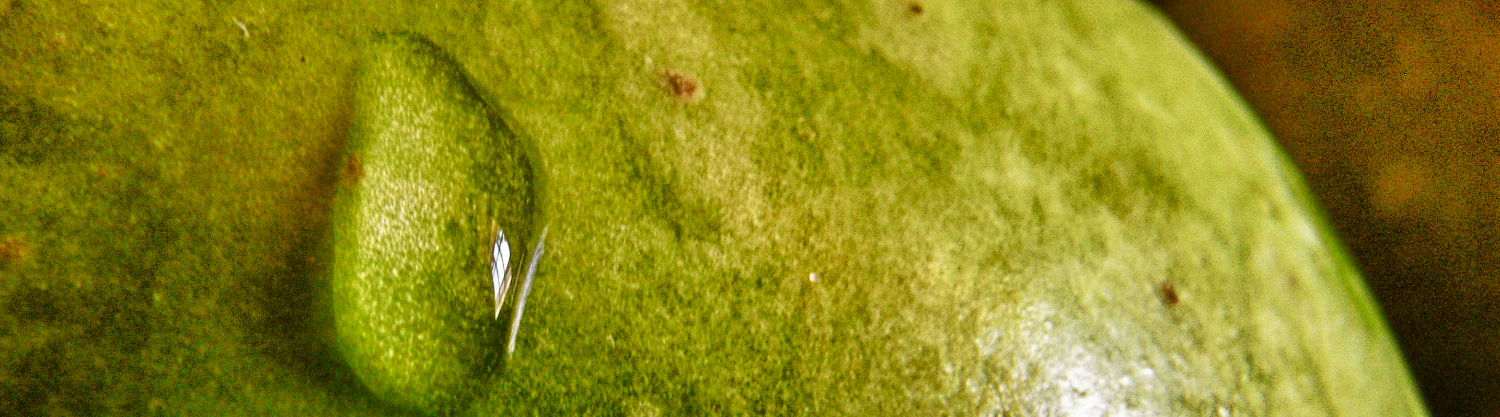
initially posted on September 15, 2012

apple’s heart
embracing two seeds —
morning light
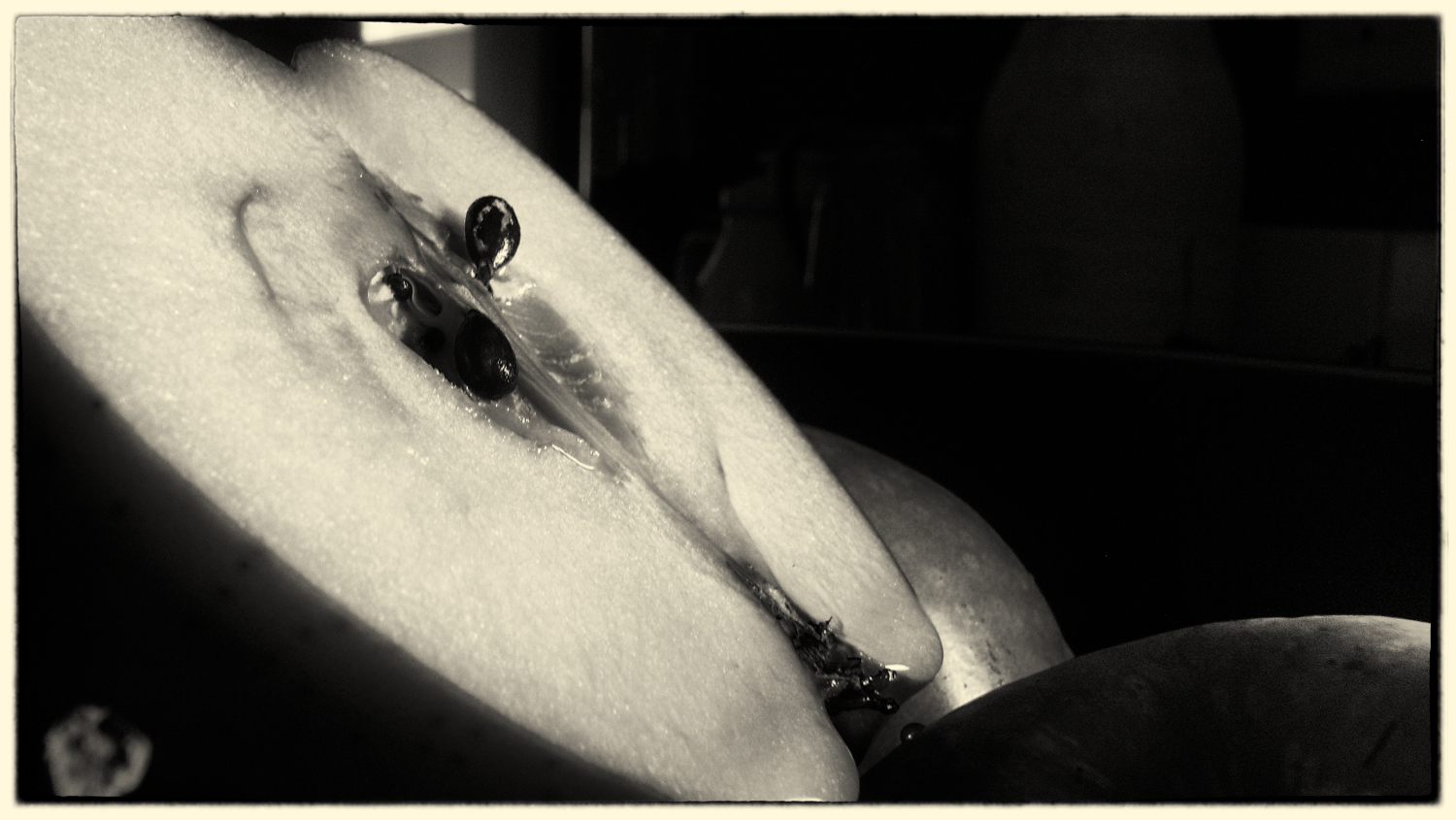
first published on September 14, 2012
The cherry petals gone,
There is no special color to my thoughts,
Yet as I gaze,
From the vacant sky there falls
The quiet sadness of spring rain.
–Princess Shikishi (Miner, Introduction to Japanese Court Poetry)

The Plum-blossom is the first of the “hundred flowers” to open. It symbolizes the beginnings of things, and is also one of the “three friends” who do not fear Winter’s cold, the other two being the pine and the bamboo.
cited: Fir-Flower Tablets Poems Translated from the Chinese Trans: Florence Ayscough & Amy Lowell Project Gutenberg
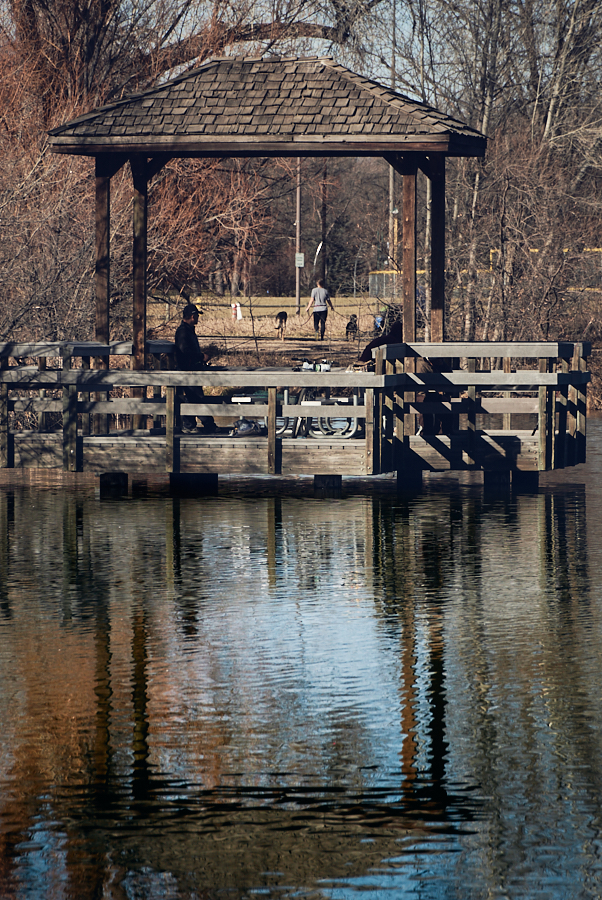
A Winter night, a cold Winter night. To me, the night is unending.
I chant heavily to myself a long time. I sit, sit in the North Hall.
The water in the well is solid with ice. The moon enters the Women’s Apartments.
The flame of the gold lamp is very small, the oil is frozen. It shines on the misery of my weeping. ~Li t’ai-Poa Woman Sings to the Air: “Sitting at Night Fir-Flower”
excerpt: Trans: Florence Ayscough & Amy Lowell Fir-Flower Tablets Poems Translated from the Chinese Project Gutenberg
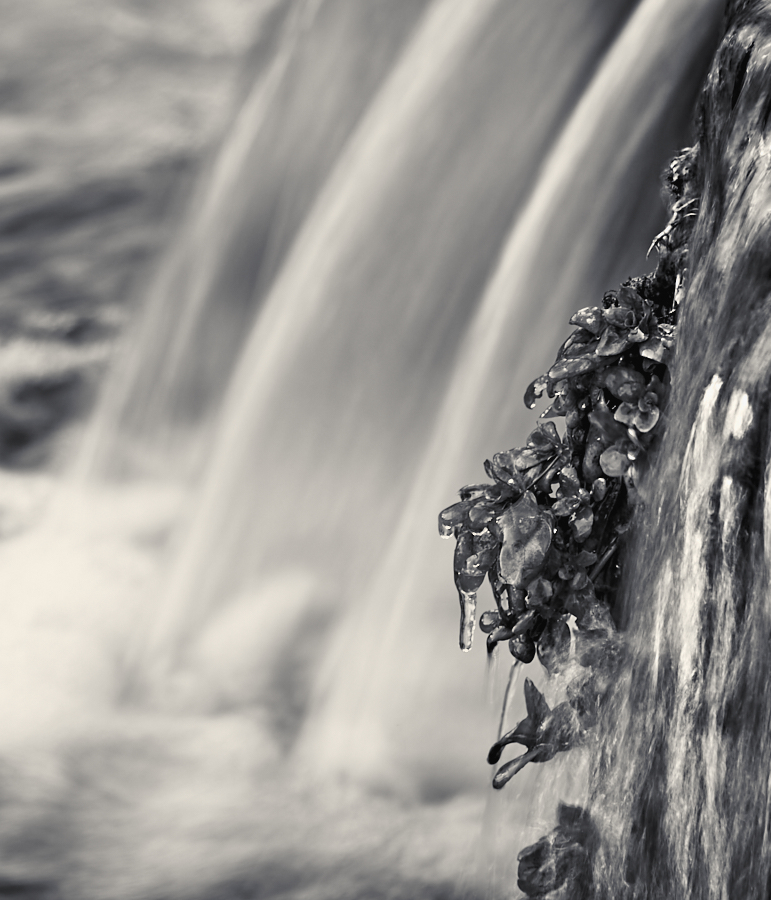
First snow! I see it young every winter,
Yet my face grows old
As Winter comes. ~ The Diary of Izumi Shikibu
cited: Trans: Annie Shepley Omori & Kochi Doi Diaries of Court Ladies of Old Japan

This week’s lens-artists photo challenge – winter – is sponsored by Leya
The grass does not refuse
To flourish in the spring wind;
The leaves are not angry
At falling through the autumn sky.
Who with whip or spur
Can urge the feet of Time?
The things of the world flourish and decay,
Each at its own hour.
cited: The Poet Li Po (AD 701- 762) Trans: A Waley, Project Gutenberg



This week’s lens-artists photo challenge is sponsored by Patti.
In the courtyard there grows a strange tree,
Its green leaves ooze with a fragrant moisture.

Holding the branch I cut a flower from the tree,
Meaning to send it away to the person I love.

Its sweet smell fills my sleeves and lap.
The road is long, how shall I get it there?

Such a thing is not fine enough to send:
But it may remind him of the time that has past since he left

cited: Trans: Arthur Waley. A Hundred and Seventy Chinese Poems, Project Gutenberg

Note: The poem above is one of a series known as the Nineteen Pieces of Old Poetry. Some have been attributed to Mei Shēng (first century b.c.), and one to Fu I (first century a.d.).
This week’s lens-artists challenge (spring) is hosted by Tina
We ventured into that sea,
To find the pearls of consolement,
No pearls, but drops of sad, sweet tears we found.
~The Sarashina Diary (cited: Diaries of Court Ladies of Old Japan)

stillness–
in the depths of the lake
billowing clouds ~Issa (cited: haikuguy.com)

In response to this haiku, David (haikuguy.com) writes:
” Even though Issa is known for his comic haiku that have surprising, spiritual resonance; he is just as capable of revealing the sublime. French translator Jean Cholley translates the first word, shizukasa, as “sérénité” (“serenity”); En village de miséreux: Choix de poèmes de Kobayashi Issa (Paris: Gallimard, 1996) 33. Indeed, shizukasa denotes tranquility, quiet, calm. Of English possibilities, I’ve decided to use “stillness”–but the reader should be aware that Issa establishes a sense of deep peace before showing billowing mountains of clouds reflected “in the depths of the lake.” The haiku serves as a substitute for experience–or, perhaps, a clear window into experience–allowing the reader, in contemplation, to see that same lake, those same clouds, and to feel the serenity and stillness of the moment.”
On my coming back,
how many pathways are there
through the spring grasses?
~Buson (cited: Y Sawa & E M Shiffert, Haiku Master Buson)

Skyscape photo: Nikon D750 f/8 1/30s 36mm 400 ISO edited: Capture One 20
In such a place
Why do they bloom,
These maidenflowers?
Though people’s tongues
Are full of malice in this world.. ~ Henjo (cited: waka poetry)

skyscape photography: Nikon D750 f/5.6 1/125 125mm 400 ISO
quite a feat–
in utter silence
the plum tree blooms ~Issa (cited: haikuguy.com)
Returning to silence begins with an awareness of our in-breath and our out-breath. The uniting of body and mind opens a door to noble silence. We become available to life and life becomes available to us with just three seconds of mindfulness of the breath…releasing the past and the future.
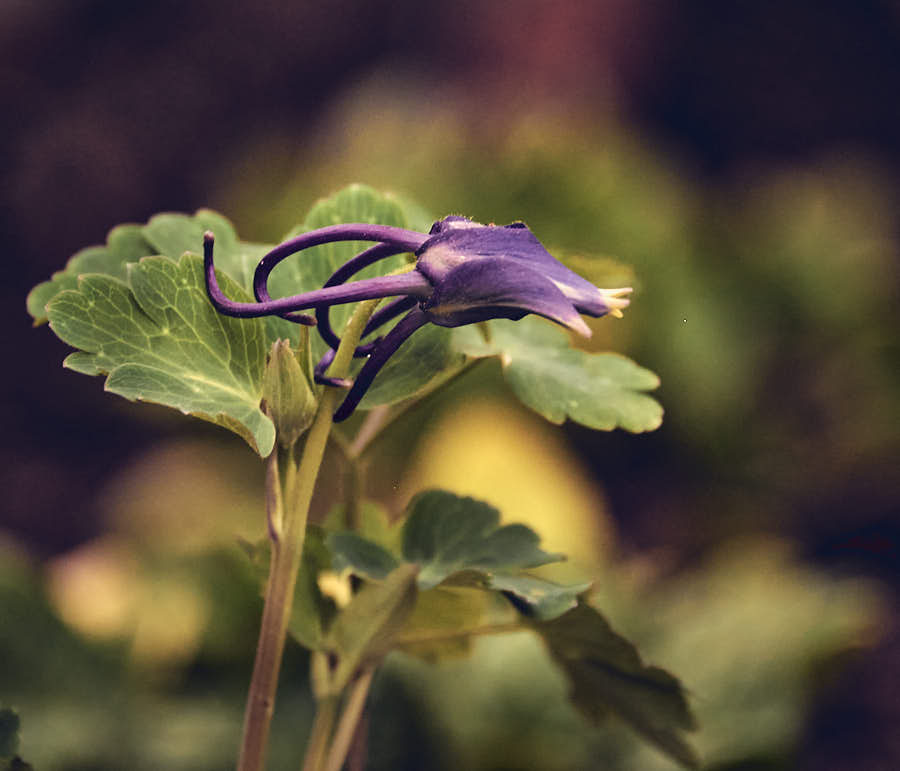
Nikon D750 f/5.6 1/100s 300mm 400 ISO/neutral density filter edited: Capture One 20
Around my home are the river rock I’ve picked up during nature walks so I’ve especially enjoyed the video, “Matter and Memory” by Katayama Yoshiyuki. As an introduction to this video, she noted:
“I like so-called ordinary stones, and I often bring them home as a souvenir if there are stones that I like when I go somewhere far away.
Ordinary stones are generally worthless, but I sometimes feel that they are more valuable to me than expensive goods that are mass production.
Stones are like containers with nothing inside. That is why I feel I can pack a lot of memories or scenery of the land into the stones and bring them home.
“‘That which I could never find without going to that place’
It is probably an important factor, I think.”
 a meditative journey
You must be logged in to post a comment.