The camera is an instrument that teaches people how to see without a camera ~Dorothea Lange
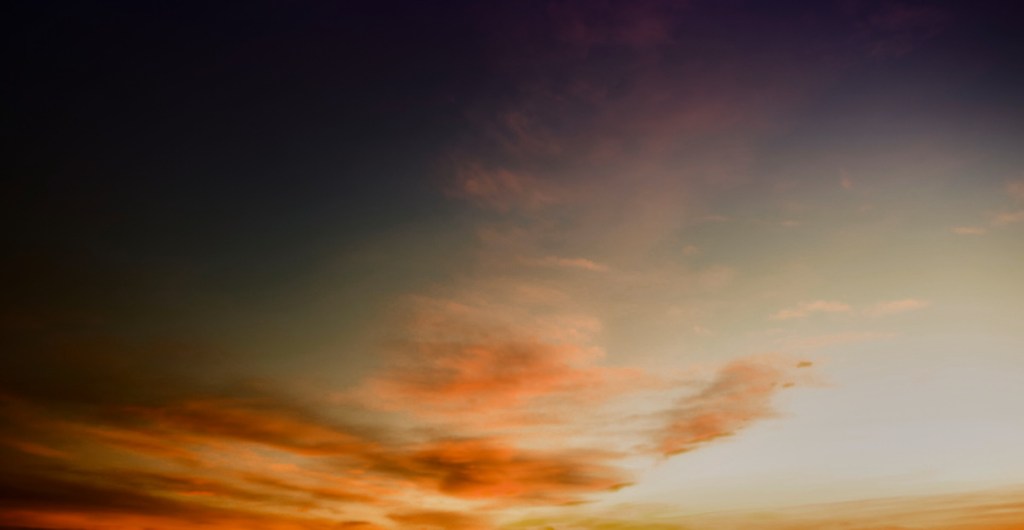
Fujifilm X-T4: f/4 1/25s 16mm 500 ISO
The camera is an instrument that teaches people how to see without a camera ~Dorothea Lange
Fujifilm X-T4: f/4 1/25s 16mm 500 ISO
She with a cup of coffee, embraced within her chilled palms, both blanketed by the first light’s silence … her eyes looking, not seeing the eastern horizon’s slow transition from darkness to light. Suddenly, the sky’s canvas painted by the dance of the sun’s rays and clouds broke through her internal musings, “Wait, wait, please don’t move,” she pleaded as she began a search for her camera and trying so desperately, once again, to win her battle with … the moment by moment changes within life, the ephemeral nature of all that is…
across a concealed blue sky
aimless shifting stories...
gathering and dispersing – obscure particles
painting stories … anew,
moment by moment
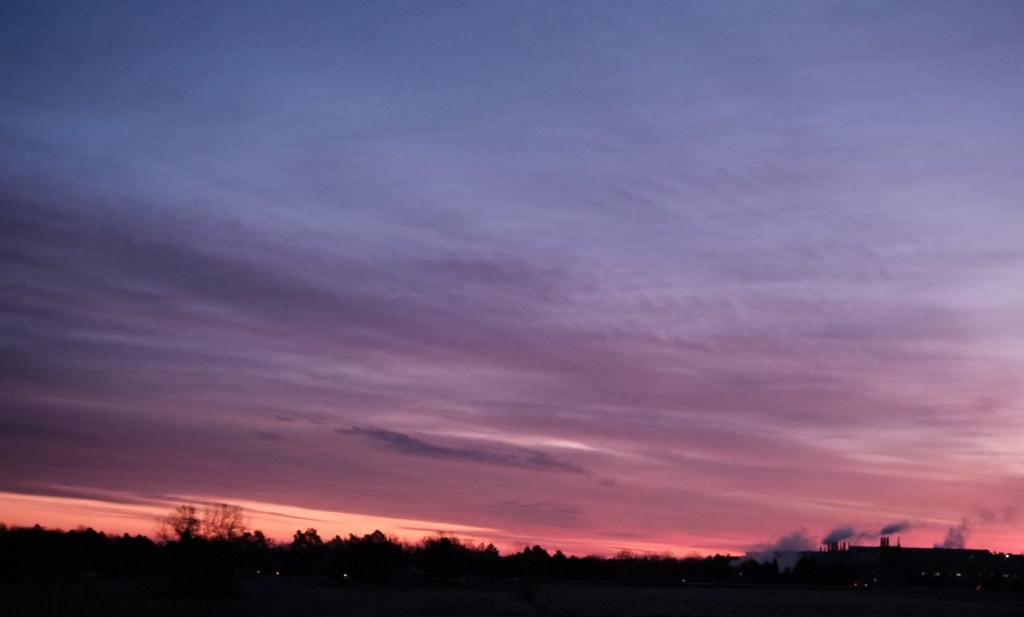


Thank you Tina for the week’s lens-artist challenge: Ephemeral
In sorrow I gaze upon the sky of Autumn
The clouds are in turmoil
And the wind is high. ~The Diary of Izumi Shikibu
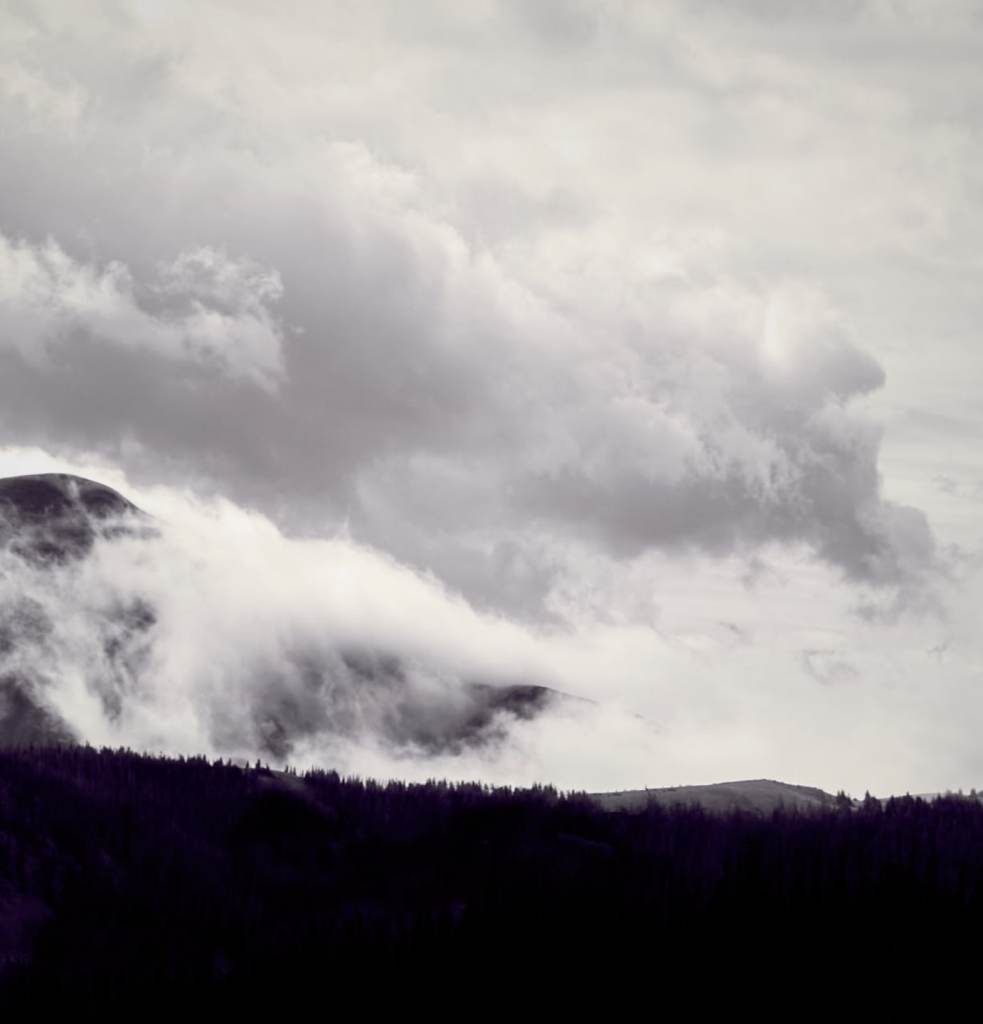
“”We live here and now, everything before and in other places is past, mostly forgotten and accessible as a small remnant disordered slivers of memory that light up in rhapsodic contingency and die out again.

Fujifilm X-T4: f/9 1/10 s 80 mm 400 ISO
“This is how we are used to thinking about ourselves. And this is the natural way of thinking, when it is others we look at: they really do stand before us here and now, no other place and no other time, and how should their relationship to the past be thought of if not in the form of internal episodes of memory, whose exclusive reality is in the present of their happing?” Pascal Mercier, Night Train to Lisbon, pp, 241-242
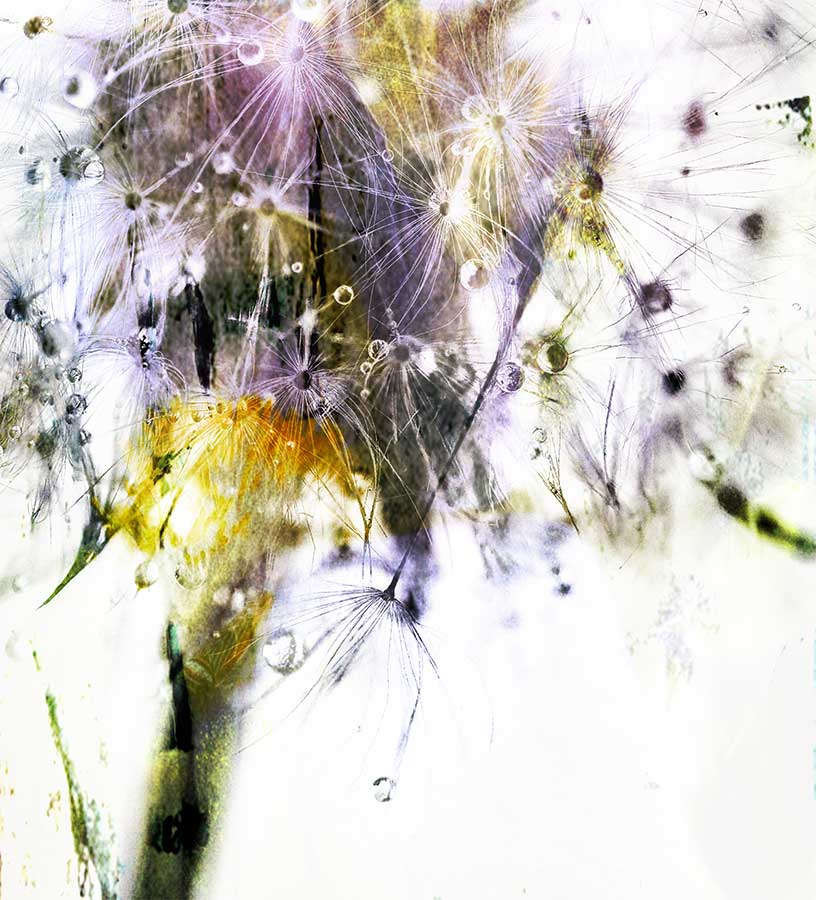
Ritva Sillanmaki invites lens-artists photographers to “see beyond the surface” and “focus on the shapes, colors, textures, and patterns of the subject, rather than its literal representation.”
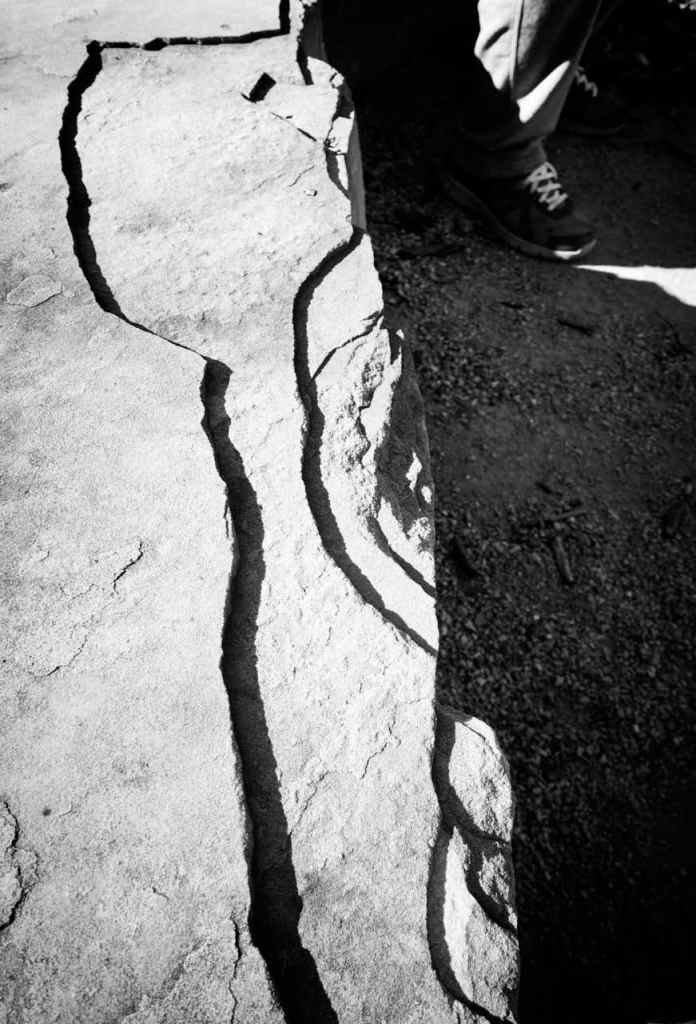
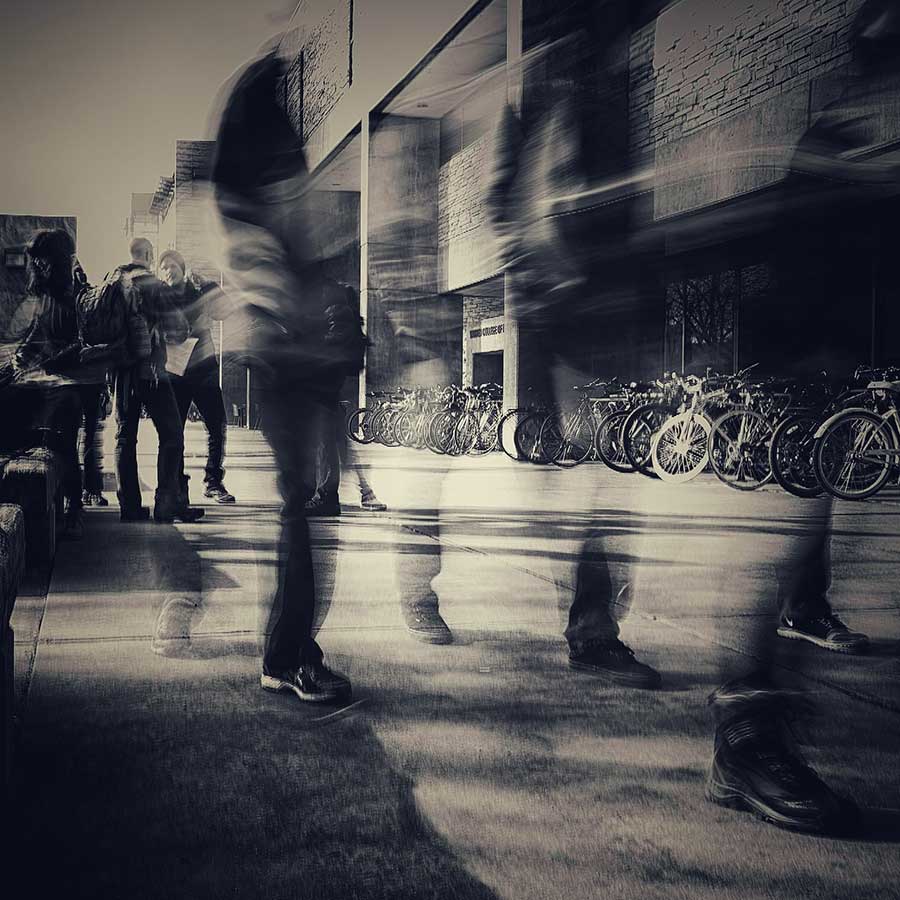
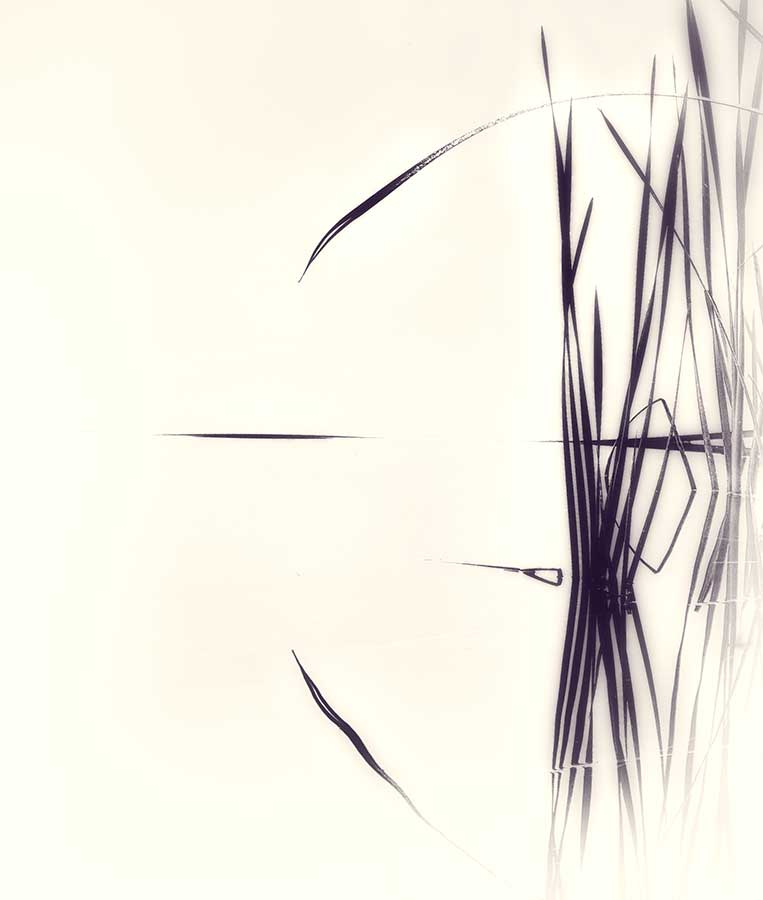
Some of the images below were created through the use of double exposure, shutter speed, focus, light and shadow, and gift of nature’s beauty.



delightful, the view
from the gate in the long night…
all four directions ~Issa*

*cited: haikuguy.com
January 1. 2023: What is something you want to achieve this year?
to mindfully embrace impermanence
dragonfly, I and …
wandering clouds at pond’s shore
our impermanence
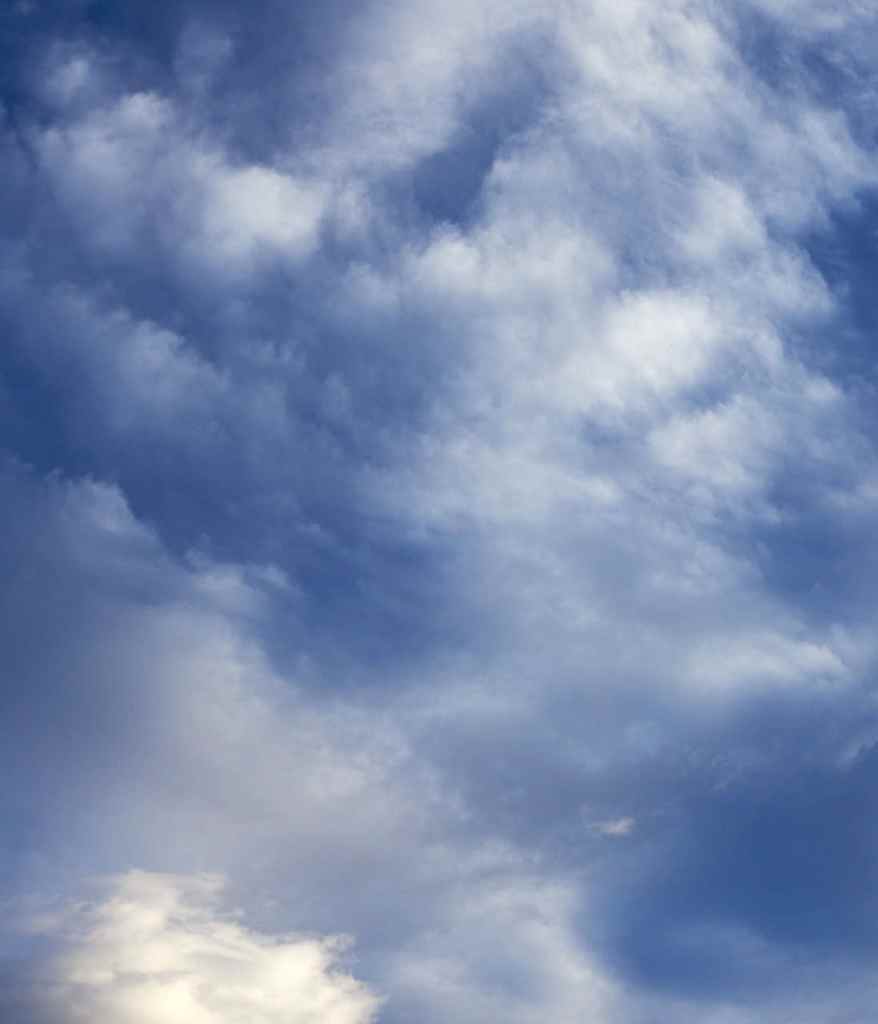


A Cloud Never Dies by Thich Nhat Hanh
The dark sky dulls my dreamy mind,
Diaries of Court Ladies of Old Japan
The down-dripping rain lingers–
O my tears down falling, longing after thee! ~The diary of Murasaki Shikibu

Beyond the clouds
My gaze goes on and on;
The endless sea:
What lies beyond is unknown
As my gloomy thoughts…
~Lord Suetsune (cited: http://www.wakapoetry.net)

sparrow… Apple iPad f/1.8 1/12000s 20 ISO
Weekend skies with Hammad Rais
Each night as I watch the sunset, I am surprised to see the the western sky’s limitless wardrobe of clouds.

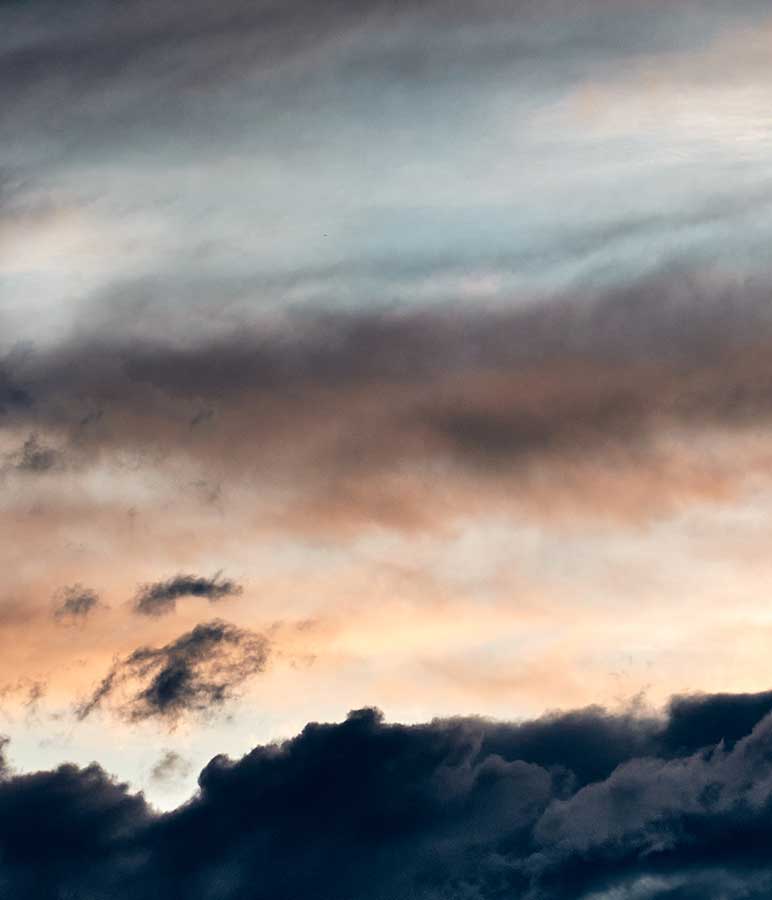


I have found that taking the time to sit on the veranda to watch the sunset and photograph the impermanence of clouds offers me moments of peace during this time of uncertainty. Thank you Leya for this week’s photo challenge: surprise.
stillness–
in the depths of the lake
billowing clouds ~Issa (cited: haikuguy.com)
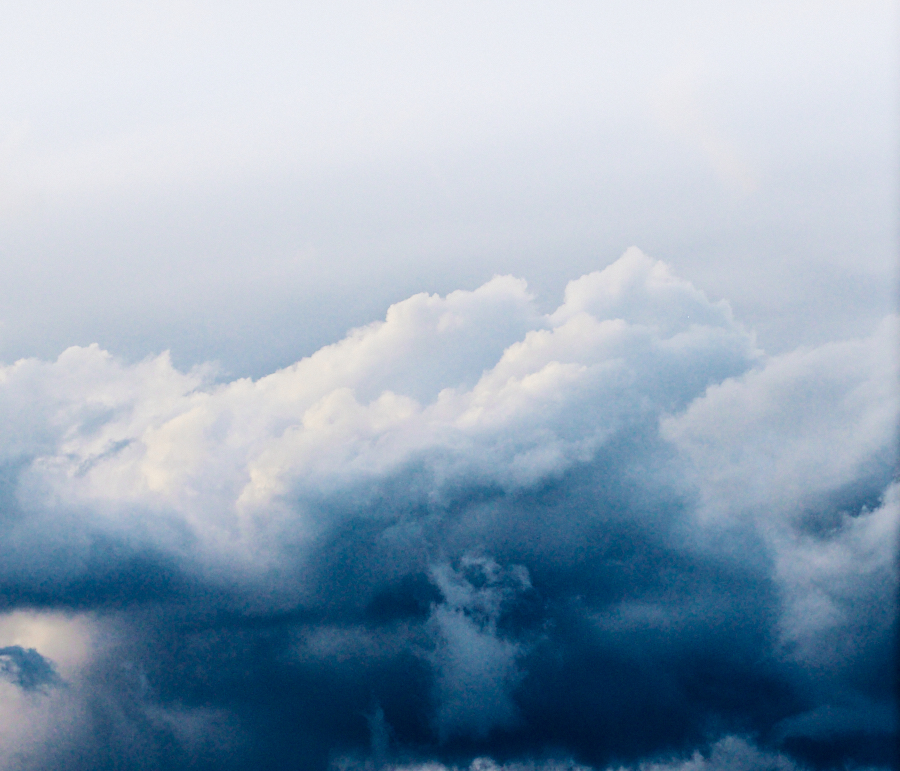
In response to this haiku, David (haikuguy.com) writes:
” Even though Issa is known for his comic haiku that have surprising, spiritual resonance; he is just as capable of revealing the sublime. French translator Jean Cholley translates the first word, shizukasa, as “sérénité” (“serenity”); En village de miséreux: Choix de poèmes de Kobayashi Issa (Paris: Gallimard, 1996) 33. Indeed, shizukasa denotes tranquility, quiet, calm. Of English possibilities, I’ve decided to use “stillness”–but the reader should be aware that Issa establishes a sense of deep peace before showing billowing mountains of clouds reflected “in the depths of the lake.” The haiku serves as a substitute for experience–or, perhaps, a clear window into experience–allowing the reader, in contemplation, to see that same lake, those same clouds, and to feel the serenity and stillness of the moment.”

 a meditative journey
You must be logged in to post a comment.