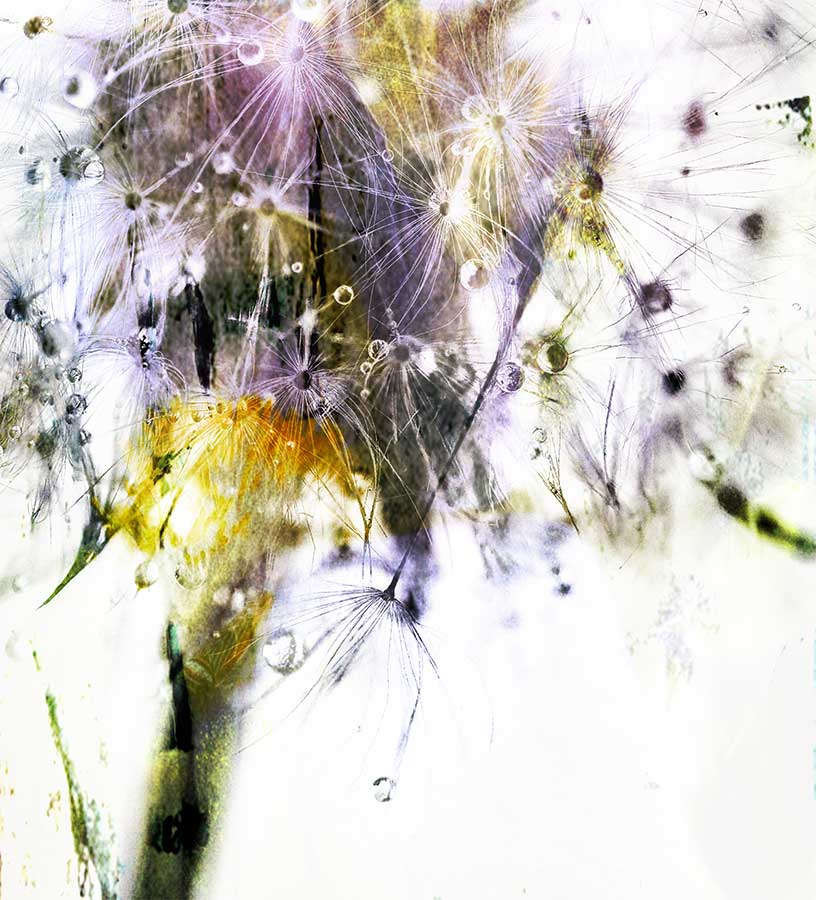
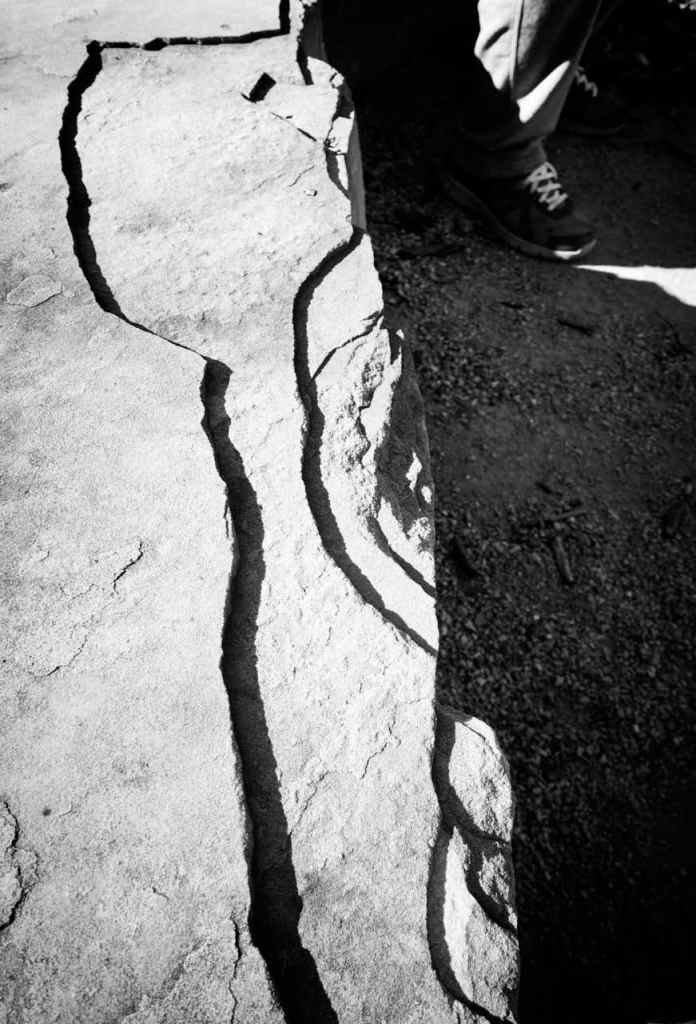
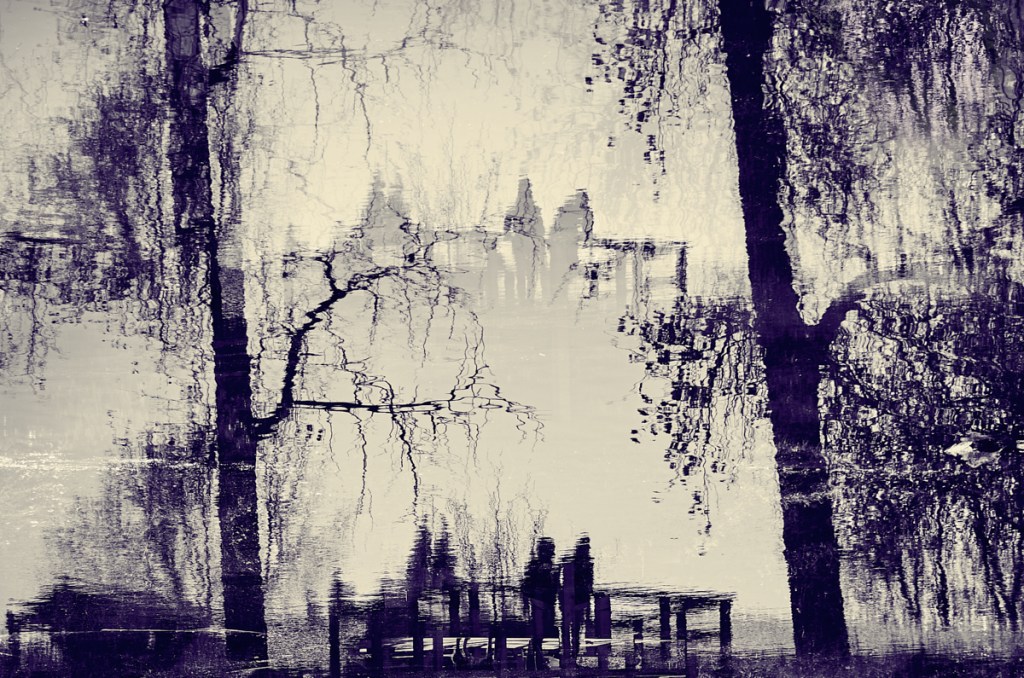
Ritva Sillanmaki invites lens-artists photographers to “see beyond the surface” and “focus on the shapes, colors, textures, and patterns of the subject, rather than its literal representation.”
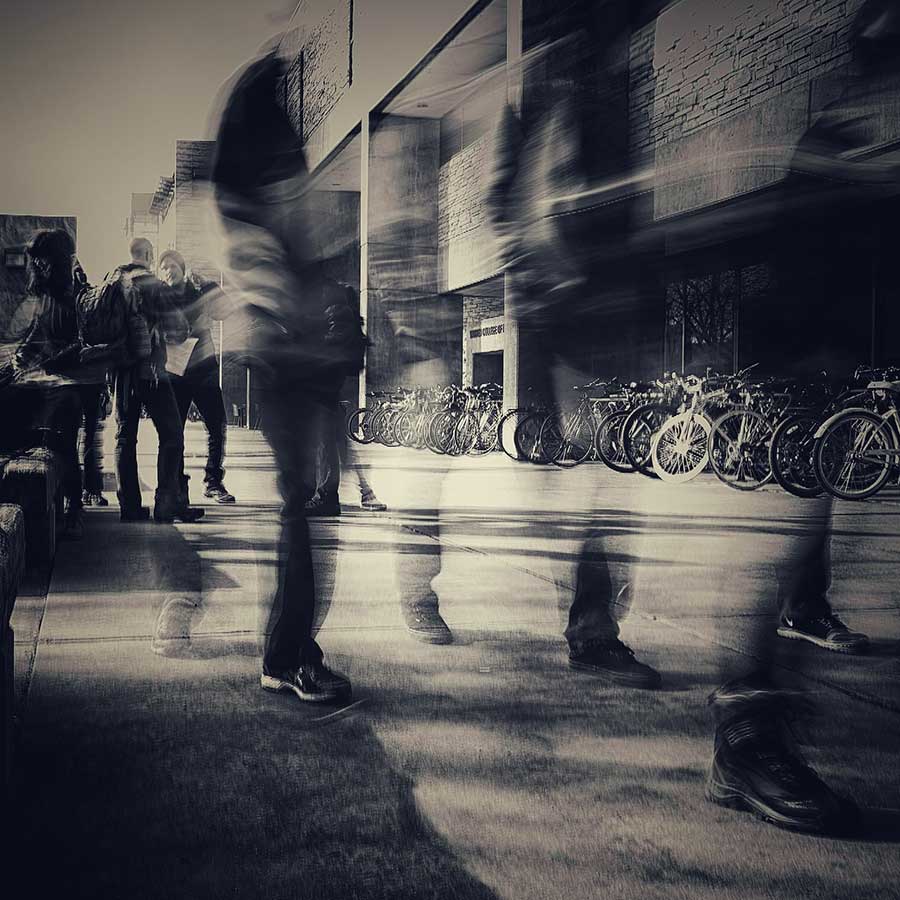
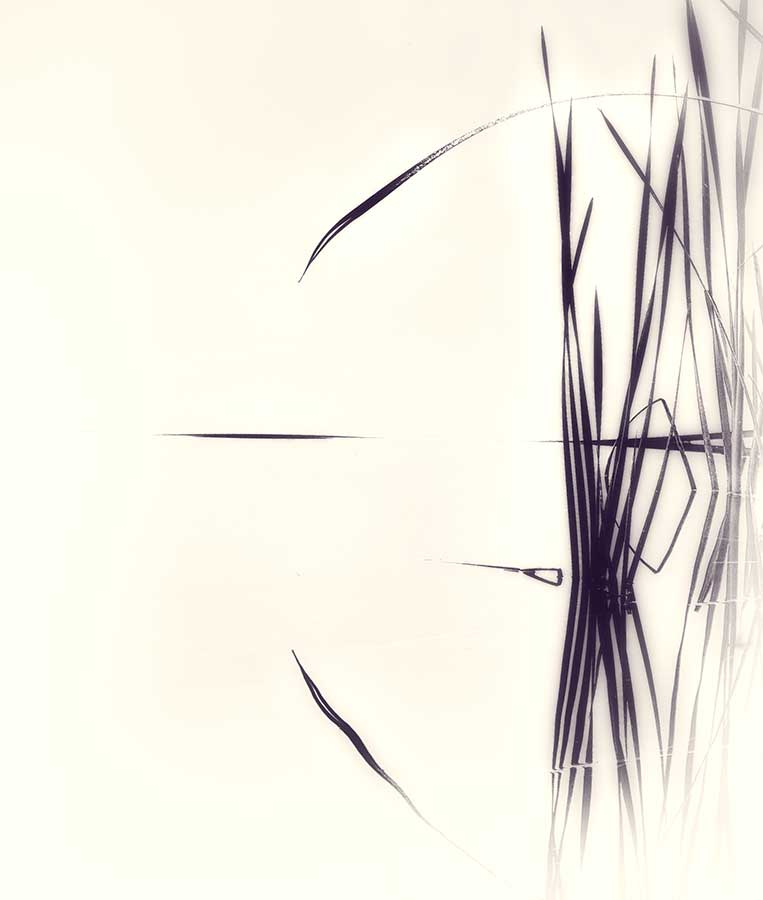
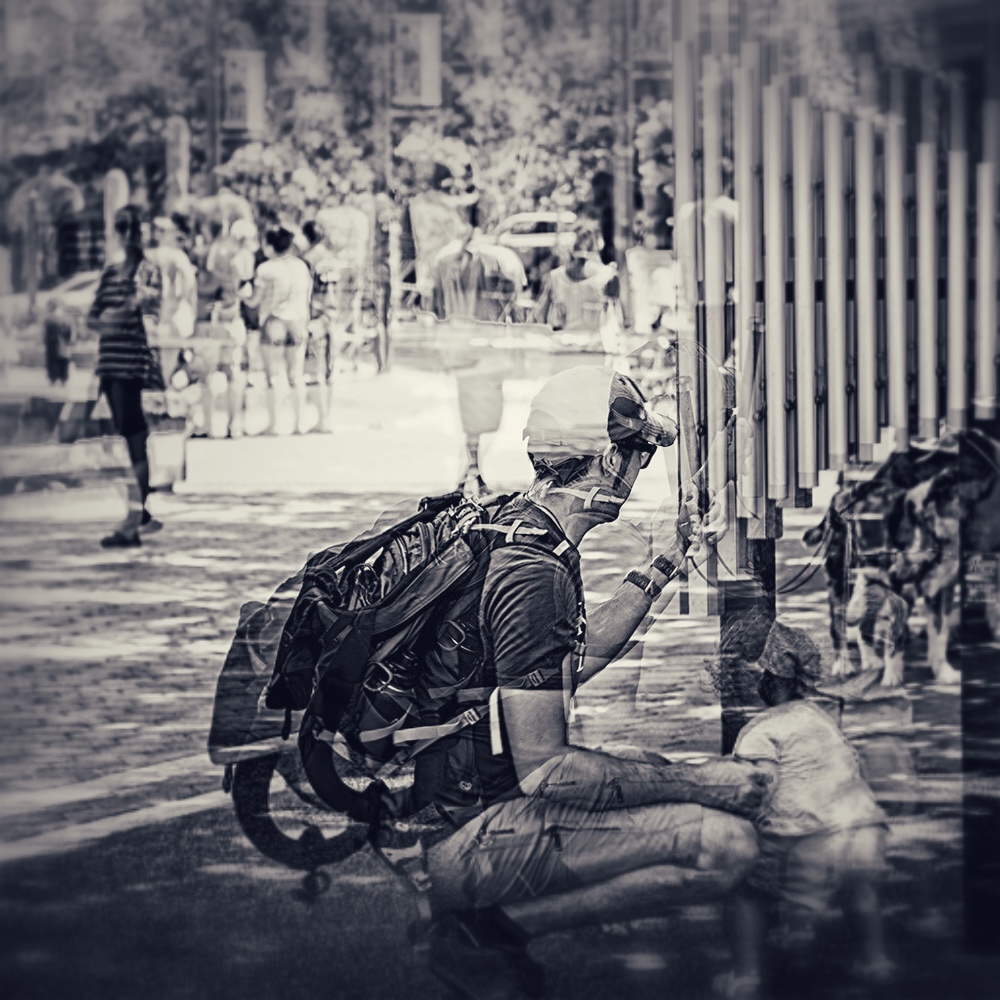
Some of the images below were created through the use of double exposure, shutter speed, focus, light and shadow, and gift of nature’s beauty.
double exposurelight and shadowlong exposurenature’s gift of reedsshutter speedblur focusnature’s gift of clouds
Some historians speculate that April Fools’ Day dates back to 1582, when France switched from the Julian calendar to the Gregorian calendar as called for by the Council of Trent in 1563. In the Julian Calendar, as in the Hindu calendar, the new year began with the spring equinox around April 1.
People who were slow to get the news or failed to recognize that the start of the new year had moved to January 1 and continued to celebrate it during the last week of March through April 1 became the butt of jokes and hoaxes and were called “April fools.” These pranks included having paper fish placed on their backs and being referred to as “poisson d’avril” (April fish), said to symbolize a young, easily caught fish and a gullible person.
This week scillagrace invites us to share Getting To Know You photographs that show our relationship with a subject that generated our attention, won our affection and taught us a thing or two.
on a makeshift bridge we make friends… croaking frog ~Issa (cited www.haikuguy.com)
I enjoy photo walk abouts…it is as if a camera has a third eye that invites me to look/see. Over time, I’ve enjoyed expanding my efforts to include using double exposure, long exposure, window reflections in street photography.
Introducing body language as a way to introduce emotions within street photography.
Exploring window reflections as a means to compose a frame within a frame as well as create an abstract street image.
Accepting the challenge of in-camera double exposure.
And…may I invite you to spend a few minutes watching a mom and child, getting to know each other through laughter and validation. I know you will find yourself smiling.
This week’s lens-artists photo challenge (Travels and Trifles) invites us to share our photo editing process that aids in the realization of our artistic interpretations.
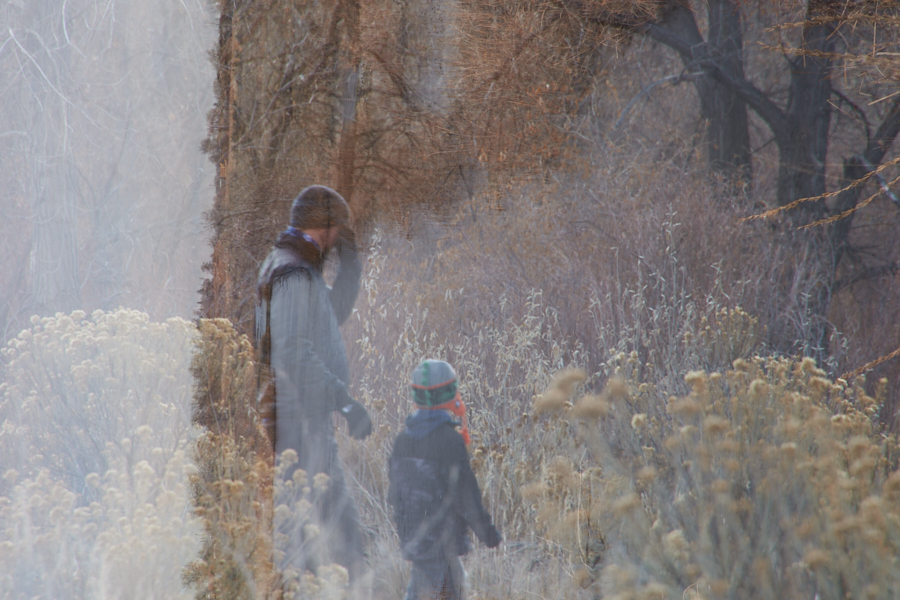
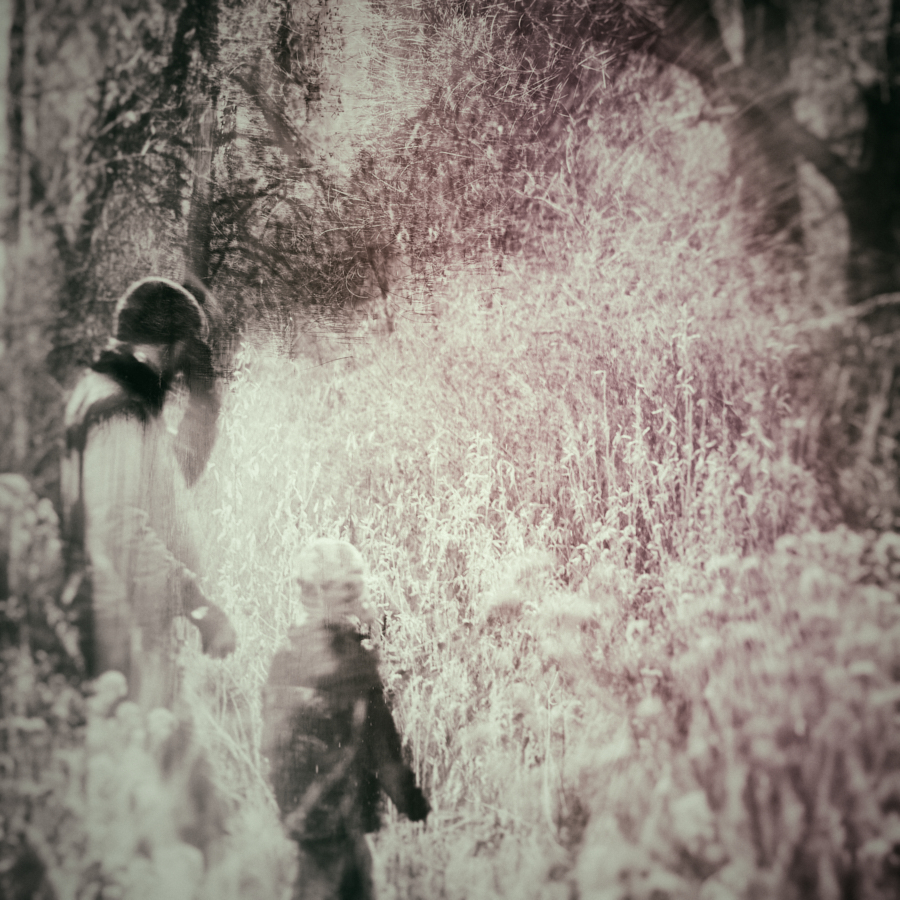
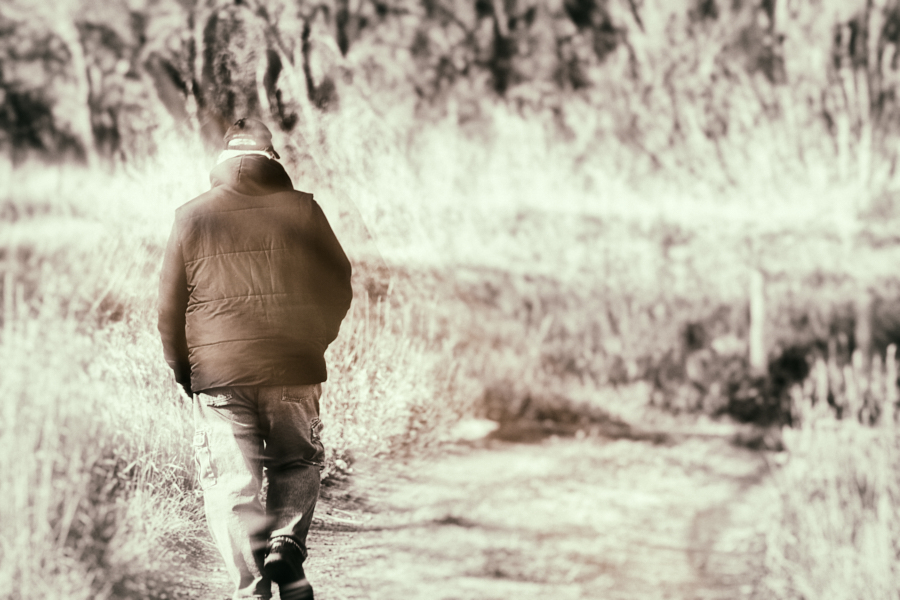
The side-by-side images below (Nikon D750) were part of a nature walk that began with an intention to create in-camera double exposure photographs. As you will notice only one of the photographs below was created in camera.
After the initial adjustment and cropping edits within Capture One 21, the final images were created using the Analog Efex Pro 2 software.
f/8 1/250s 38mm 100 ISO
f/8 1/320s 38mm 100 ISO
f/8 1/125s 38mm 100 ISO
Often when I walk away from the editing process with a bit of frustration, I call to mind a mantra introduced to me by the photographer, Bruce Percey, “you can’t make a bad photograph good, but you can make a good photograph bad.
I have often found that what is “forgettable” and that which is “favorite” often times is grounded in the subjective experiences of the photographer and the viewers.
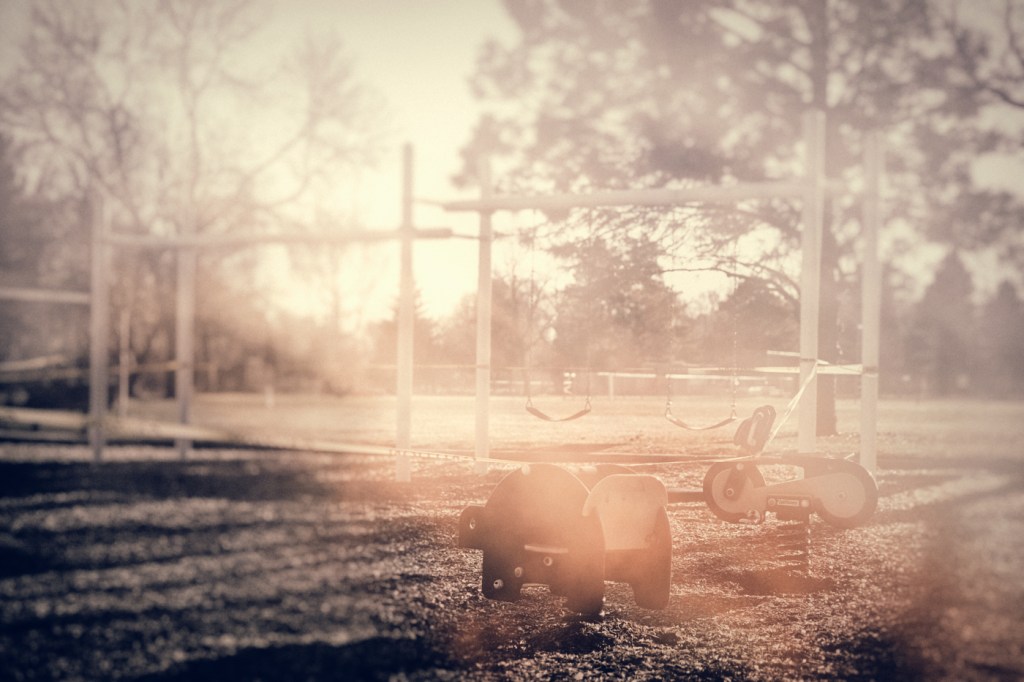
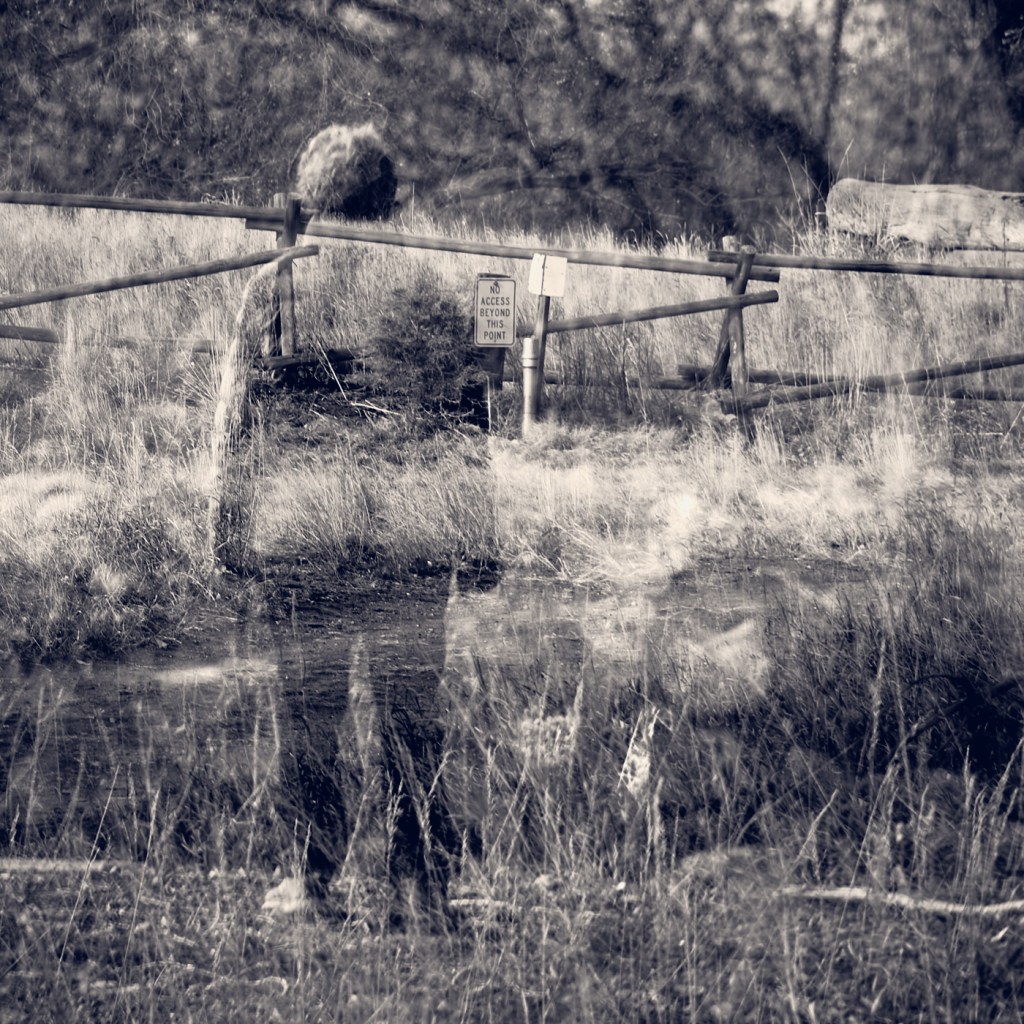
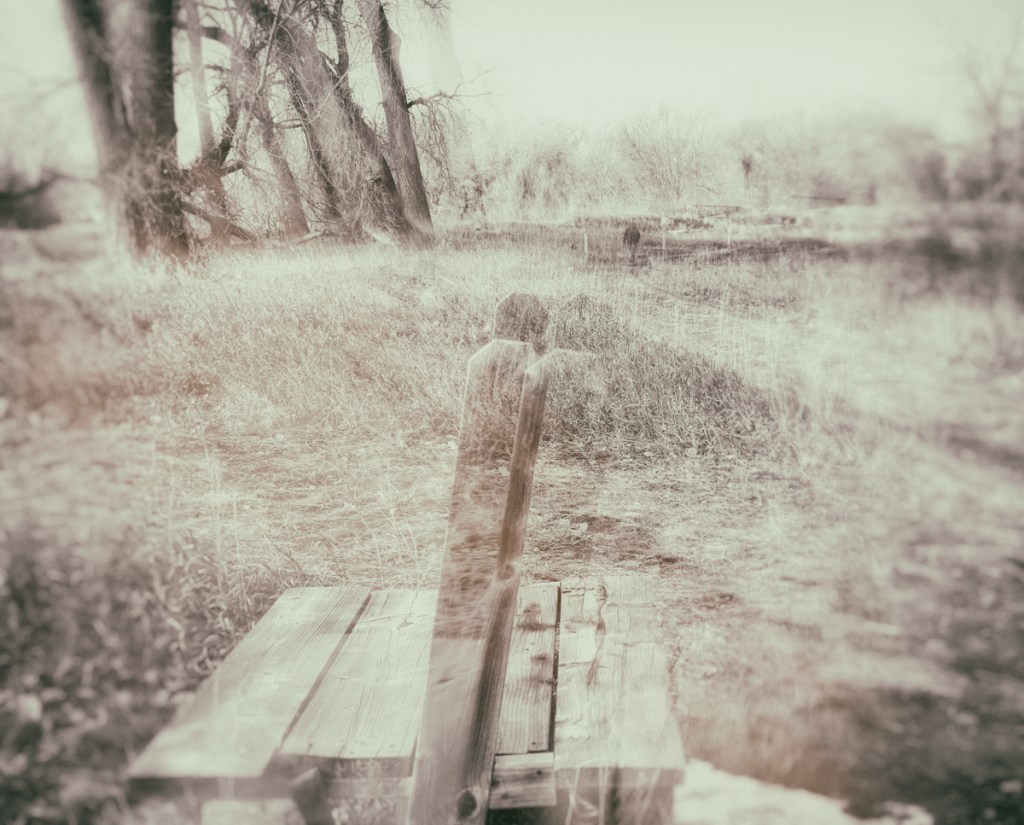
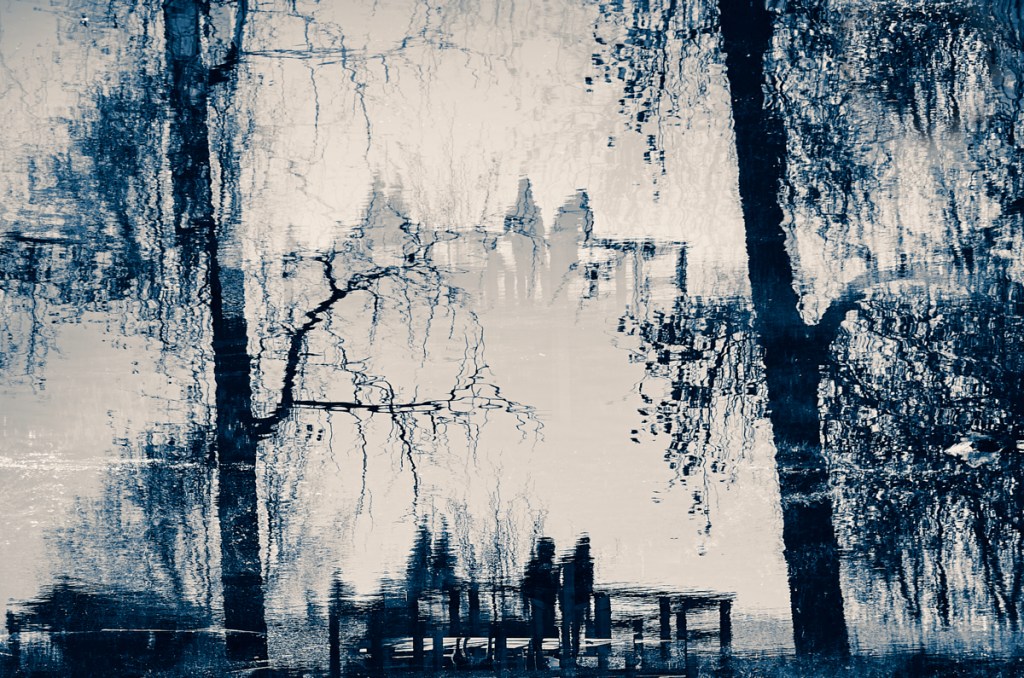
The images above were created through the use of multiple exposure, both within camera and through digital editing. This Double Exposure project was inspired by the belief that images give voice to the emotional pain of COVID across the globe. While this virus does not discriminate, the number of people who are most impacted during this time are those who live within impoverished communities—dense housing projects, reliance on public transportation, low income, limited access to medical care and sick leave, employment instability, and rates of non-communicable diseases and illness.
The phoenix that may arise from the flames of inconsolable grief is an awareness of the inequality aggregation of these social and economic disparities exacerbates the adverse effects of all humanity.
On and on, always on and onAway from you, parted by a life-parting. Going from one another ten thousand “li,”Each in a different corner of the World.The way between is difficult and long,Face to face how shall we meet again?The Tartar horse prefers the North wind,The bird from Yüeh nests on the Southern branch.Since we parted the time is already long,Daily my clothes hang looser round my waist.Floating clouds obscure the white sun,The wandering one has quite forgotten home.Thinking of you has made me suddenly old,The months and years swiftly draw to their close.I’ll put you out of my mind and forget for everAnd try with all my might to eat and thrive.*
*cited: Trans: Arthur Waley, Project Gutenberg A Hundred and Seventy Poems. Note: The above poem is from a series known as the Nineteen Pieces of Old Poetry. Some have been attributed to Mei Shēng (first century b.c.), and one to Fu I (first century a.d.).
PA Moed invites us to share images that feature a subject that begins with the letter A. Hum…can tone be a subject? Or am I being a bit of a rebel by featuring double exposure photography with “A” toned luminosity masks (amber, azure, and amethyst with their contrasting tones)?
Had I not seen erect in the river These solid timbers of the olden time How could I know, how could I feel The story of that house? ~The Sarashina Diary (cited: Diaries of Court Ladies of Old Japan)
double exposure… amber tone
That moonless, flowerless winter night It penetrates my thought and makes me dwell on it– I wonder why? ~The Sarashina Diary (cited: Diaries of Court Ladies of Old Japan)
double exposure…azure tone
Do you see that the little night opens 1 And on the ridge of the mountain, serenely bright, Shines the moon of a night of Autumn? ~ Diary of Izumi Shikibu (cited: Diaries of Court Ladies of Old Japan)
double exposure…amethyst
Nikon D750 f/4.8 1/800s 65mm 100 ISO
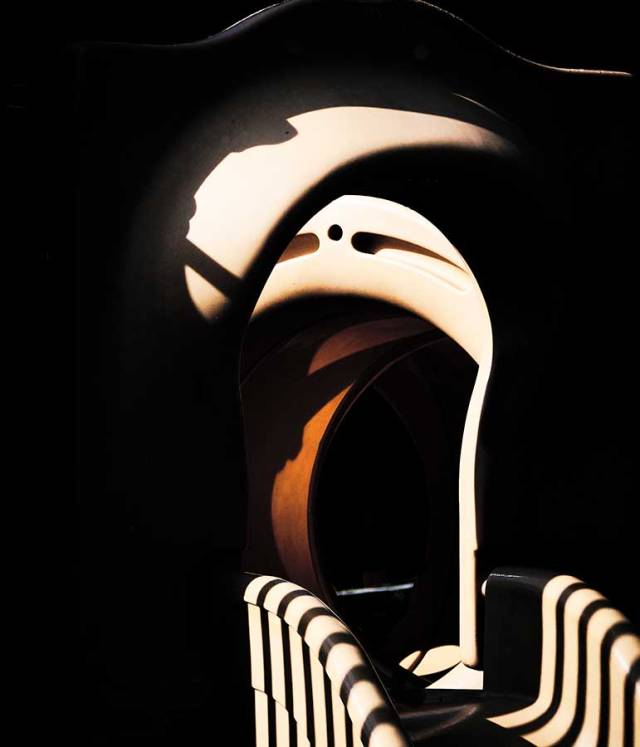
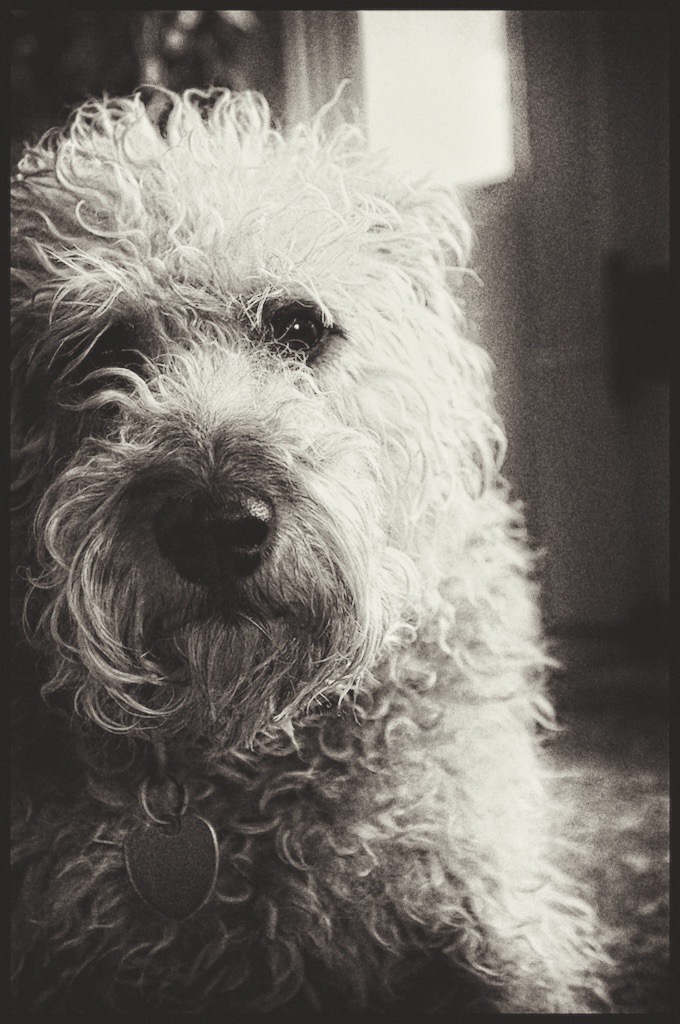
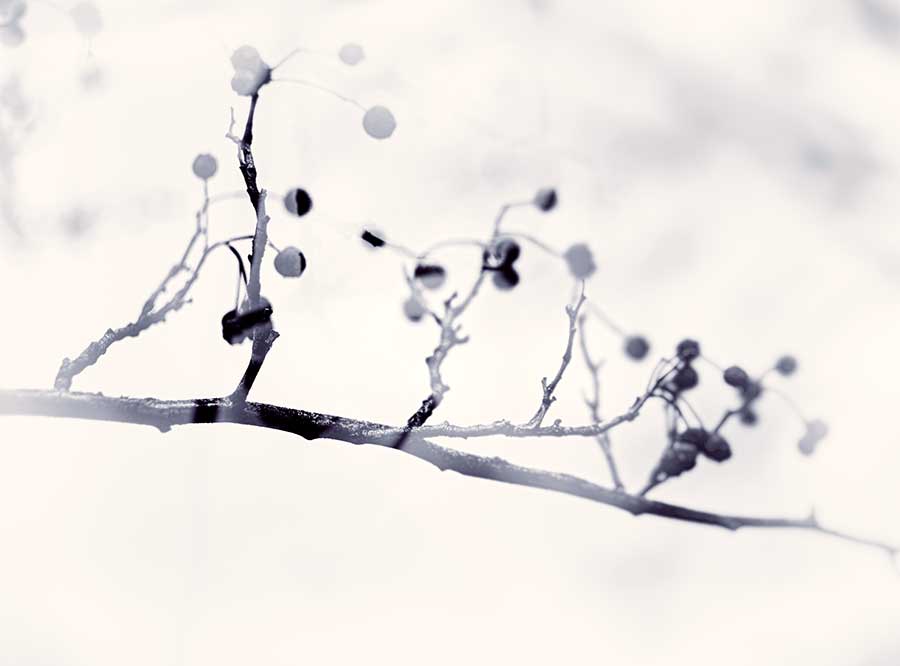
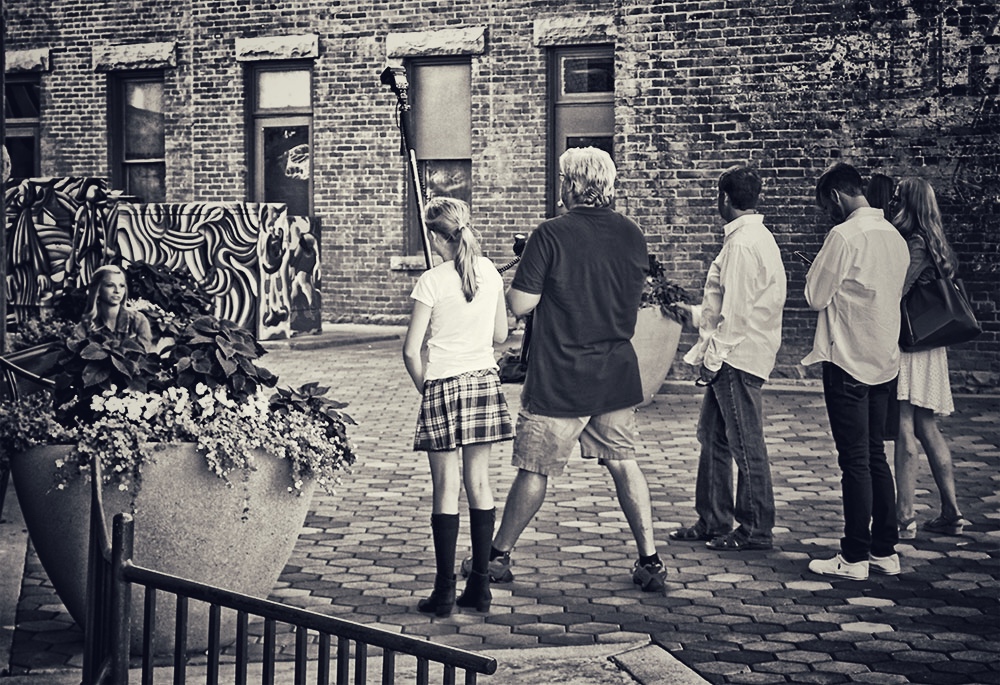
Applying a subtle color to the highlights and shadows/ of your black and white photographs gives you a slice of the emotional qualities that color can offer, without disguising the depth and texture of your black and white photograph.













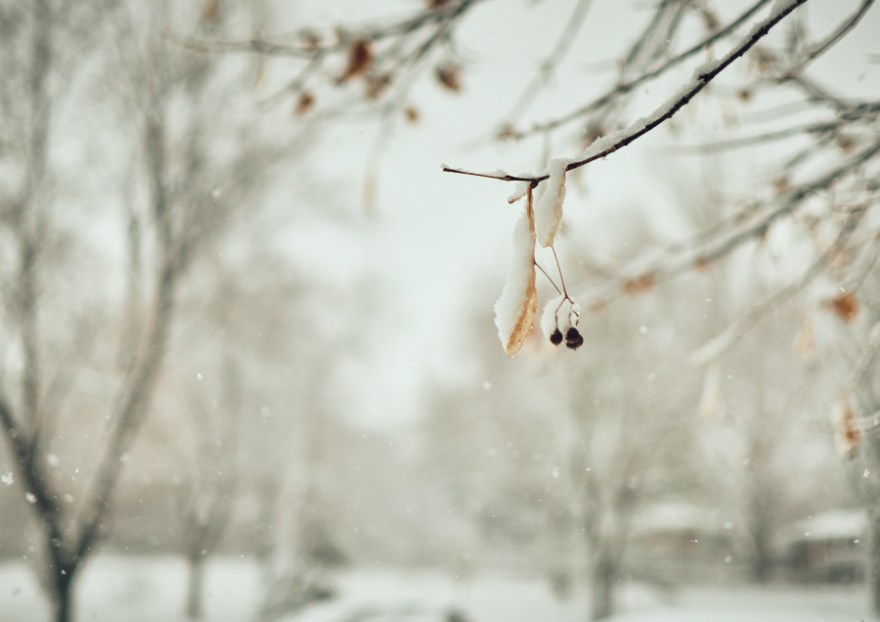


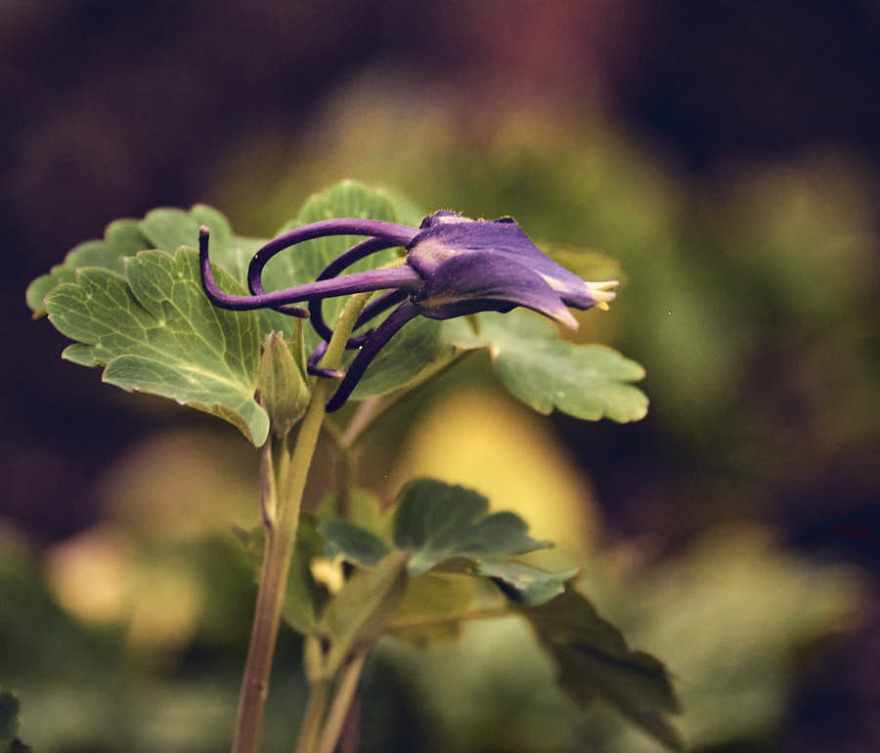
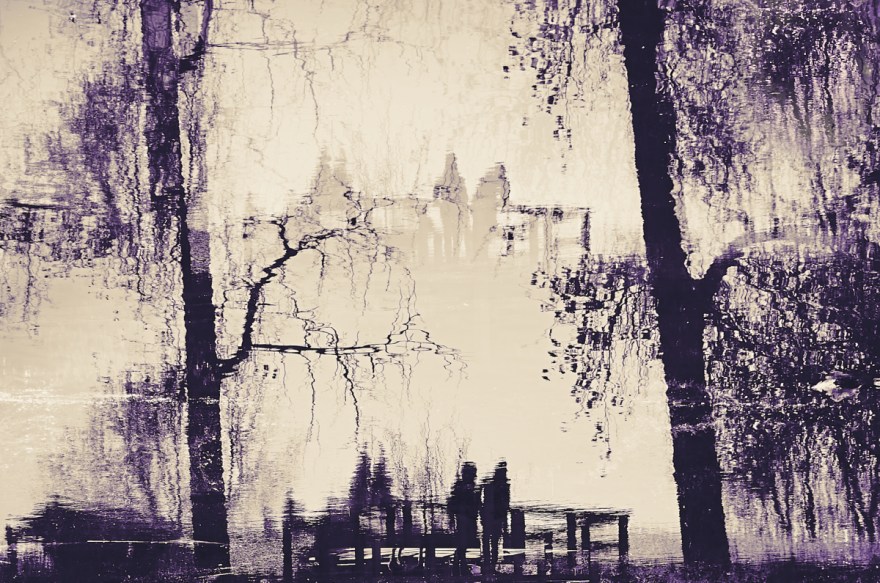






 a meditative journey
You must be logged in to post a comment.