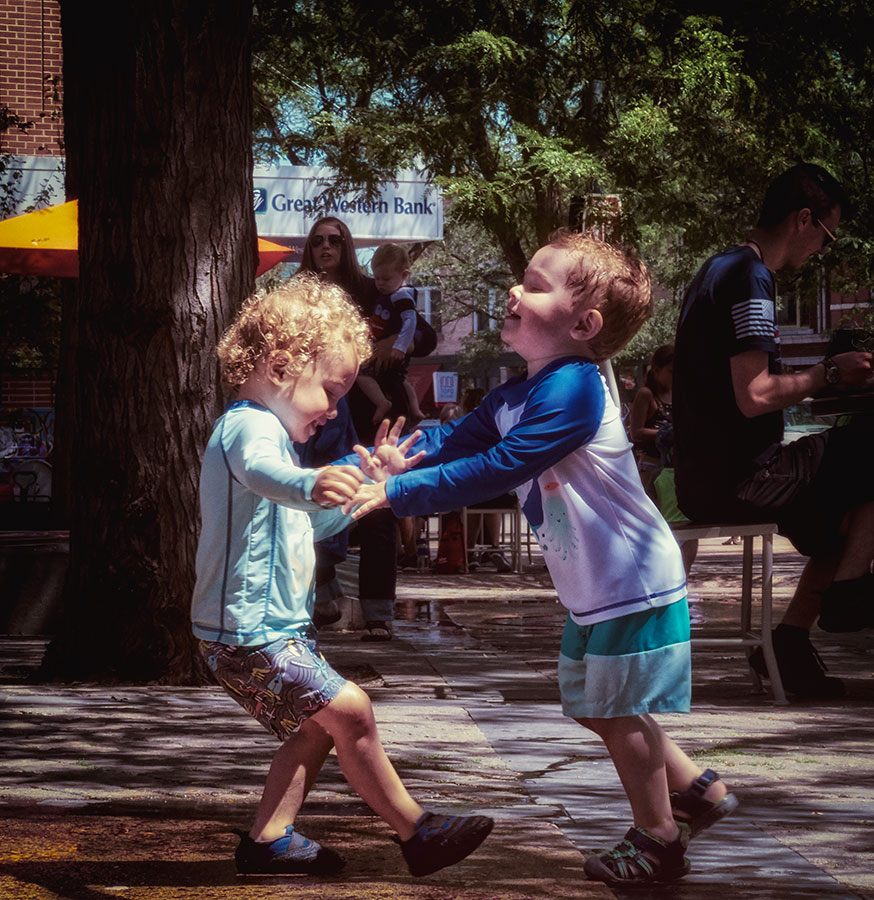
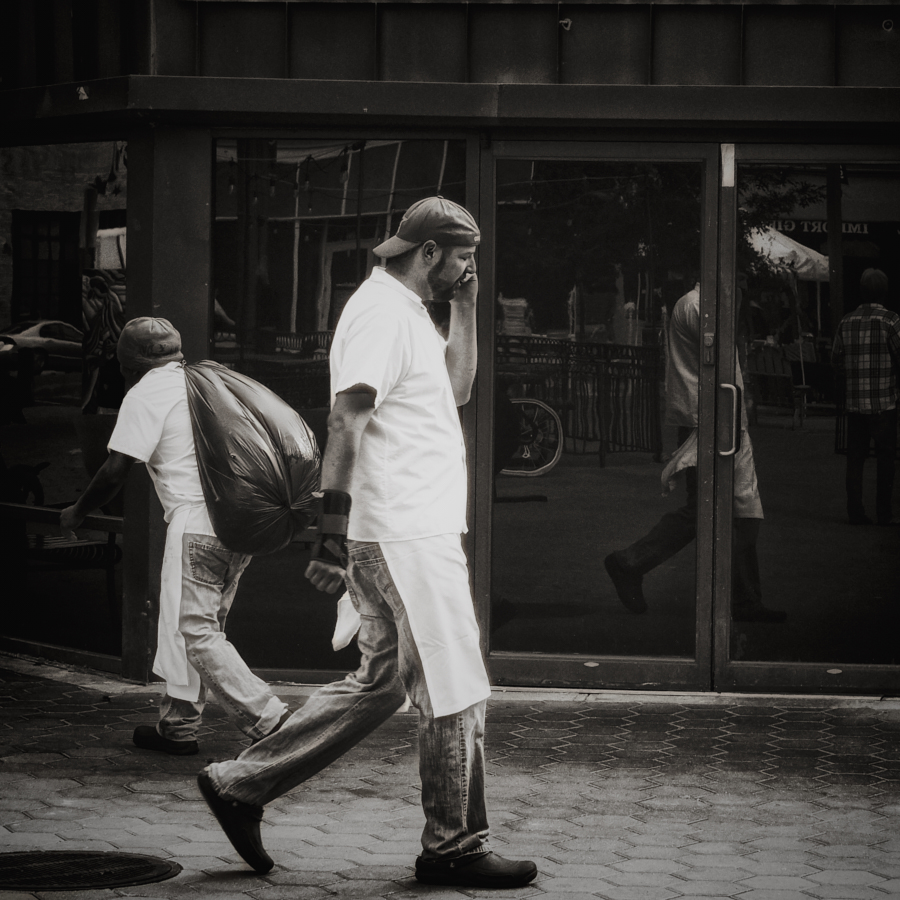
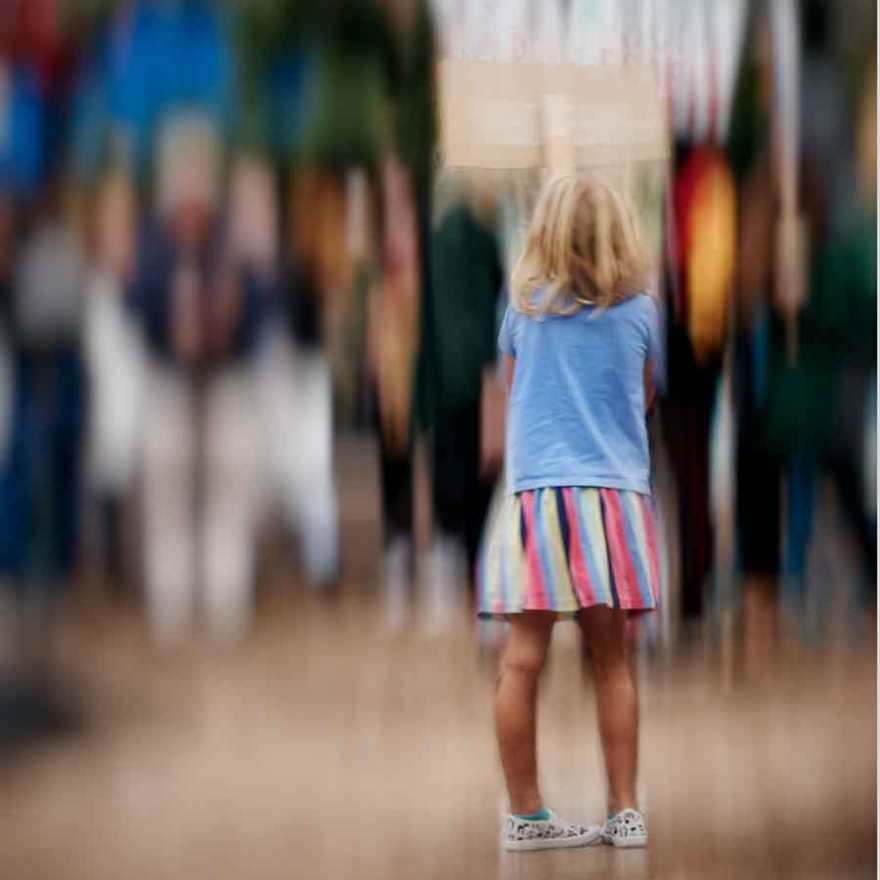
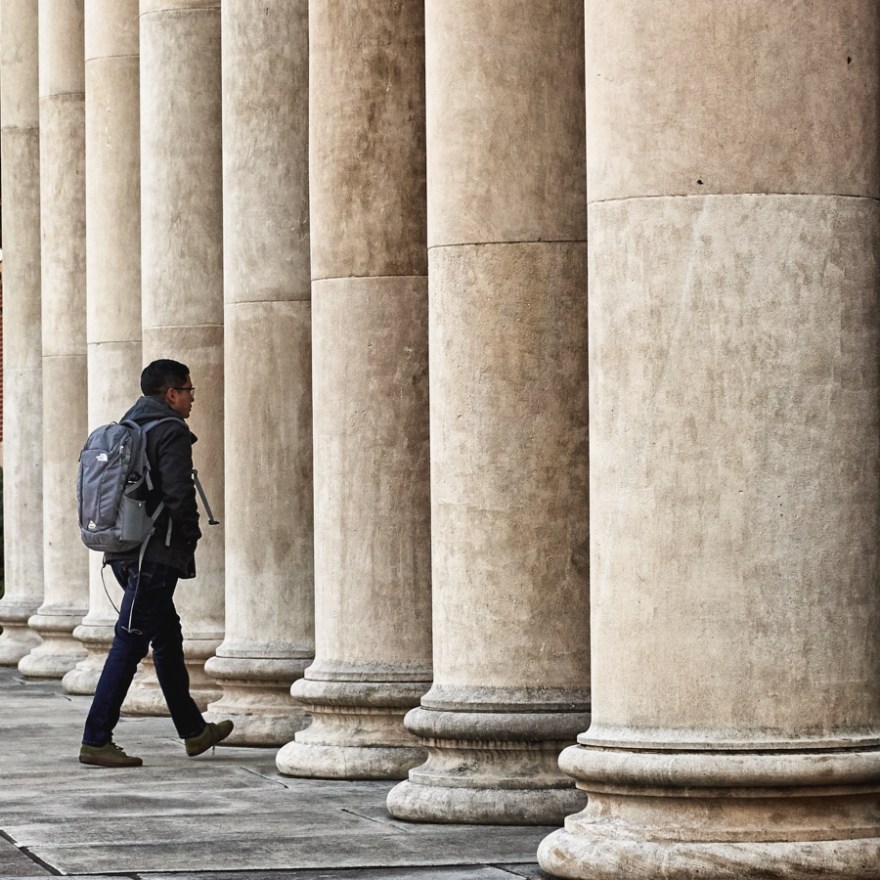
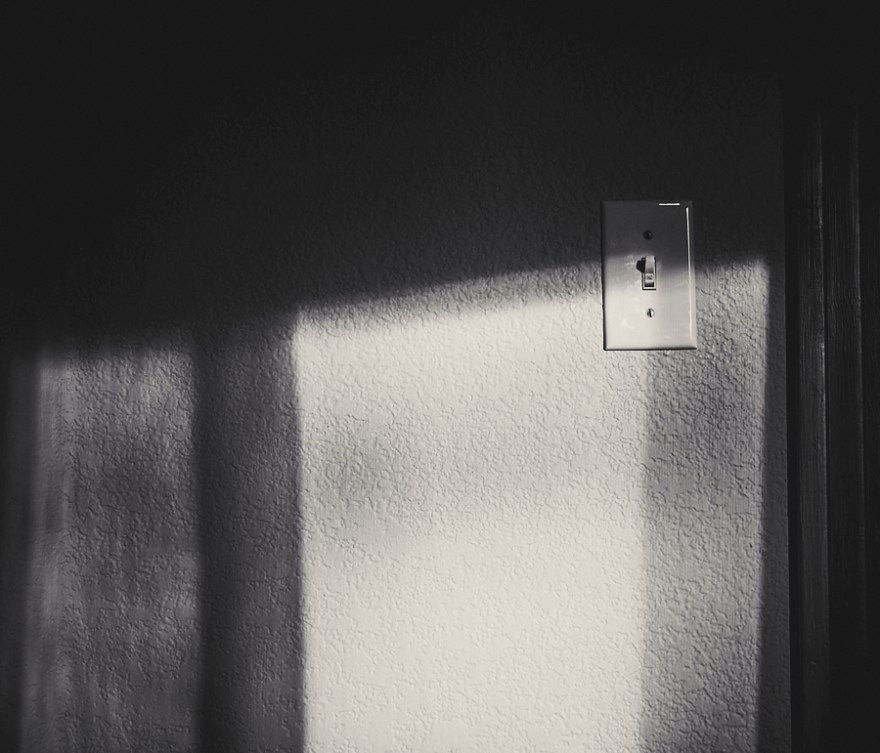
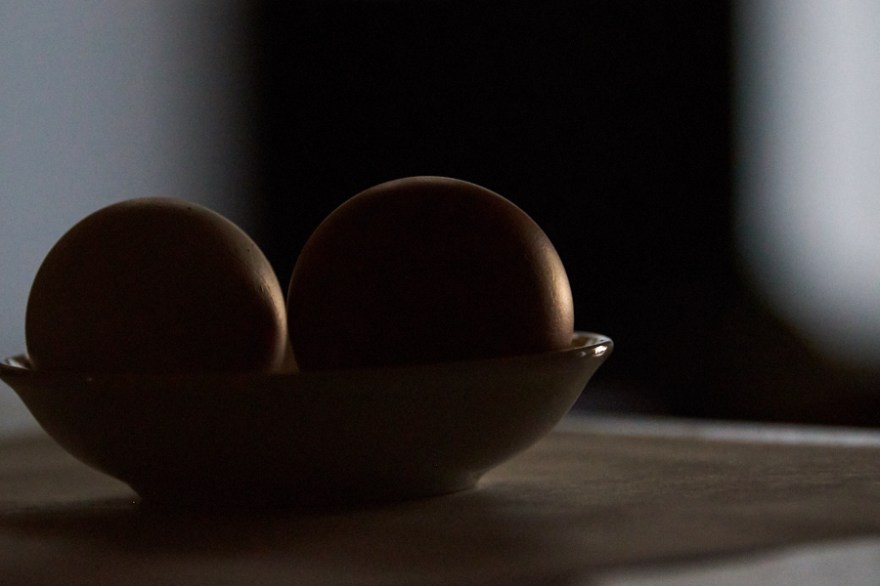
This weekPatti invites us to explore the various composition elements that invite viewers to focus on the subject : leading lines, patterns, color, contrast, selective focus, freezing the action, doorways or arches, or human/animal eyes.
leading lines & patternscolor & fame within a framecontrast selective focus & colorfreezing actioneyes
This week Ann-Christine (Leya) invites us to explore where or what is our hideaway.
What exactly is a hideaway?
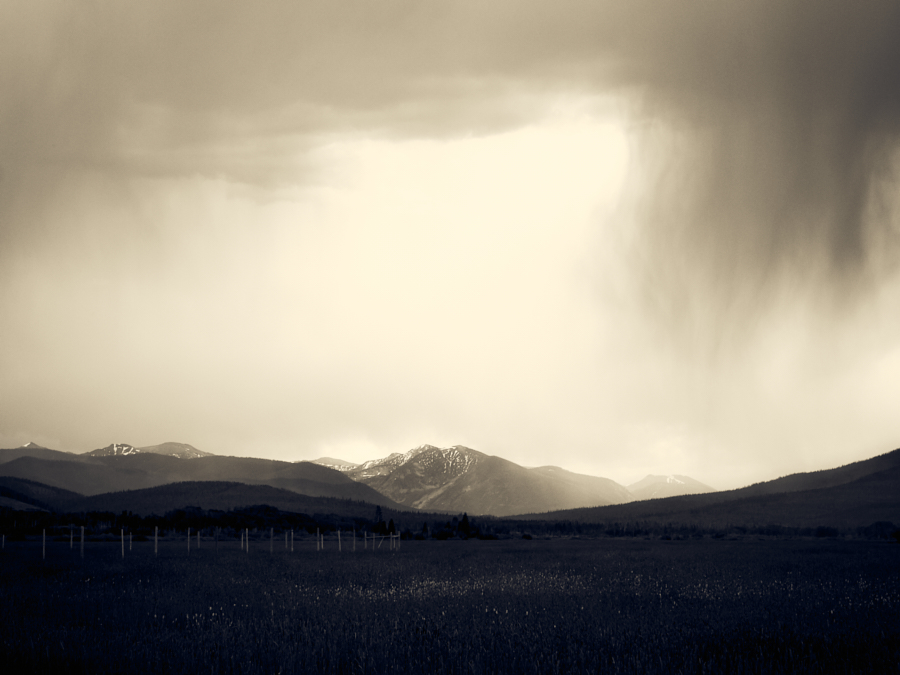
North Park
Roger’s International Thesaurus (revised: Robert L Chapman, 1977) offers two understanding of Hideaway: 1) hiding place – secret place, corner, asylum, sanctuary, retreat, refuge, cubbyhole and 2) retreat – secret place, den, ivory tower, hideout, cell, lair, cloister, hermitage, ashram
One may take refuge, claim sanctuary, throw oneself into the arms of, make port, reach safety.
Cameron Peak
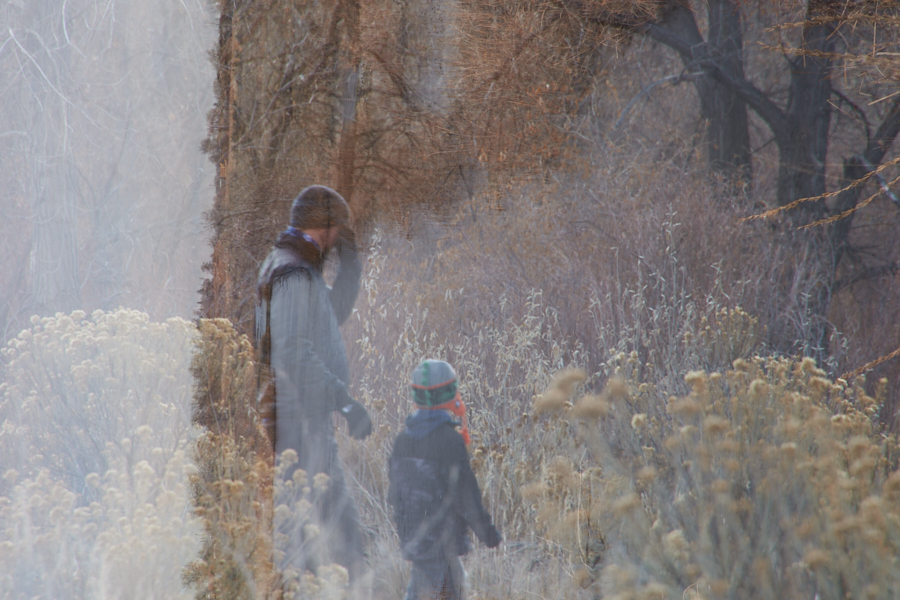
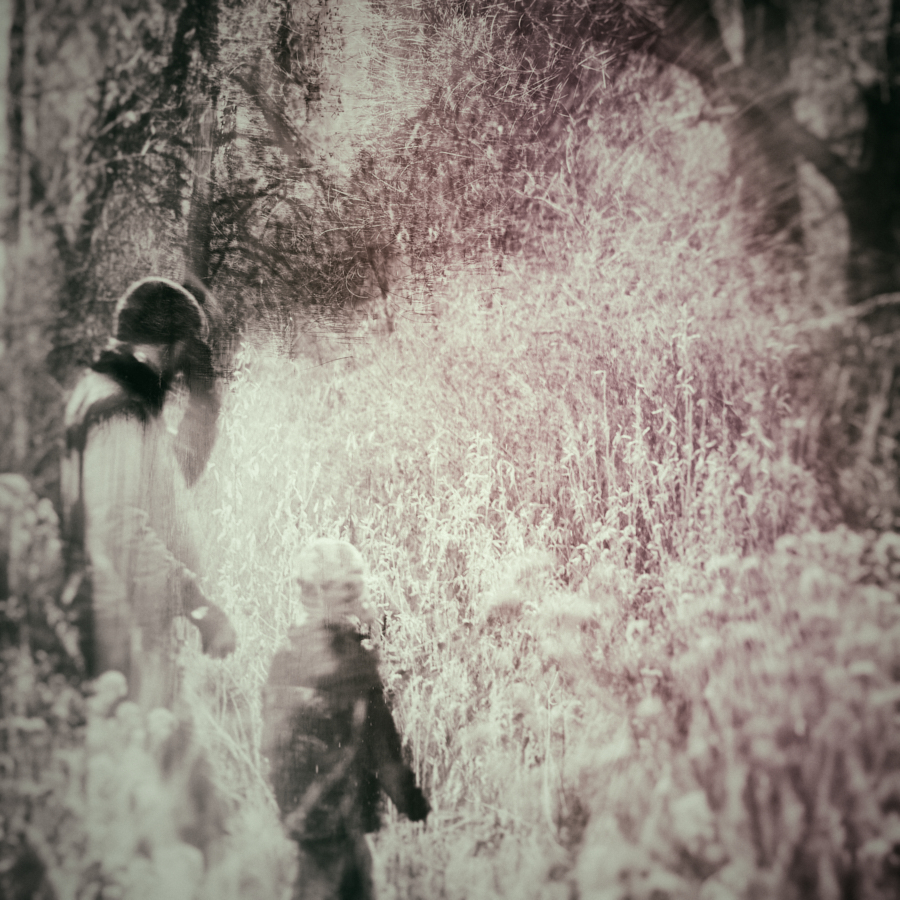
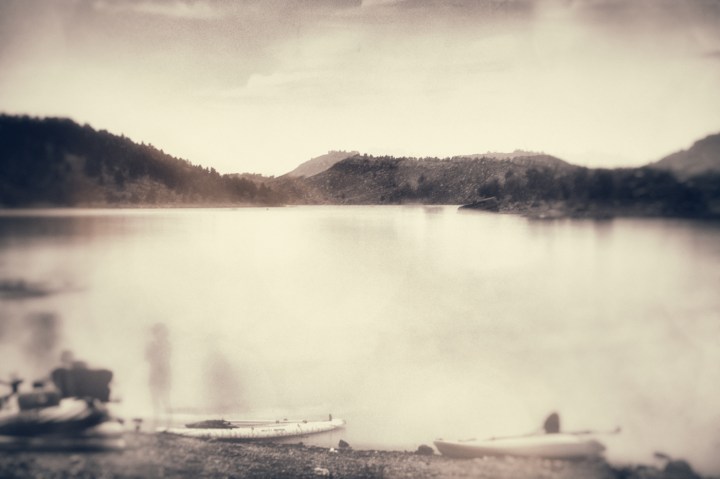
My hideaway…retreat…sanctuary is my backyard where my family plays, camps, swims, hikes, photographs, share memories/hopes/fears, and laughs. These places where we sought sanctuary include Medicine Bow National Forest, Horsetooth Reservoir, Poudre Canyon, Cameron Peak, North Park.
Poudre Canyon
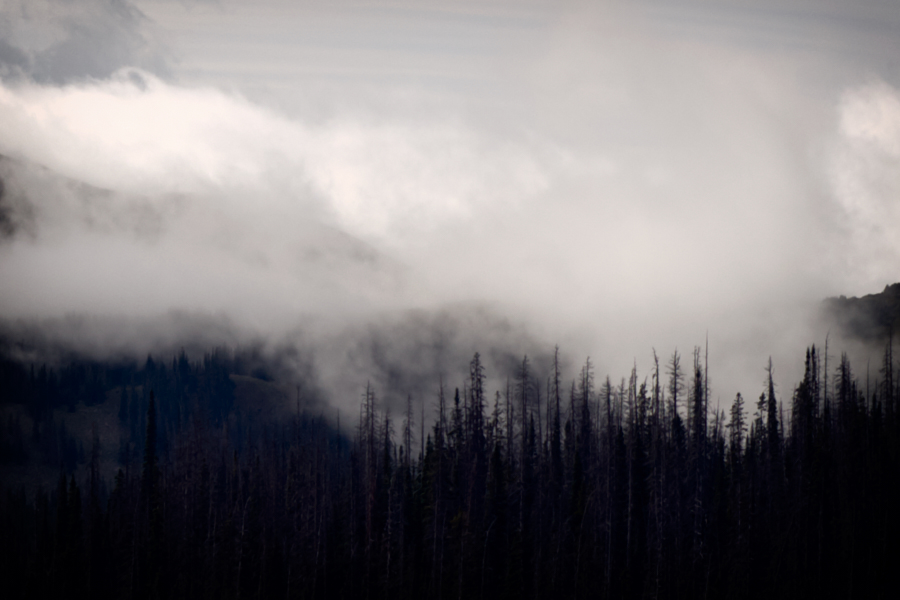
Today, all threatened within the Mulen Fire and the Cameron Peak Fire.
Horsetooth Reservoir
“…from another perspective, refuge is about how you relate to the experience of life itself. When you stop looking outside or inside for something to free you from your struggles, you take refuge in direct awareness. …When awareness and experience are not different, you stop struggling with what arises and you are taking refuge in clarity…when you experience life without grasping, opposing or ignoring what arises, you take refuge in unrestricted experience.” (cited: Ken McLeod, Reflections on Silver River)
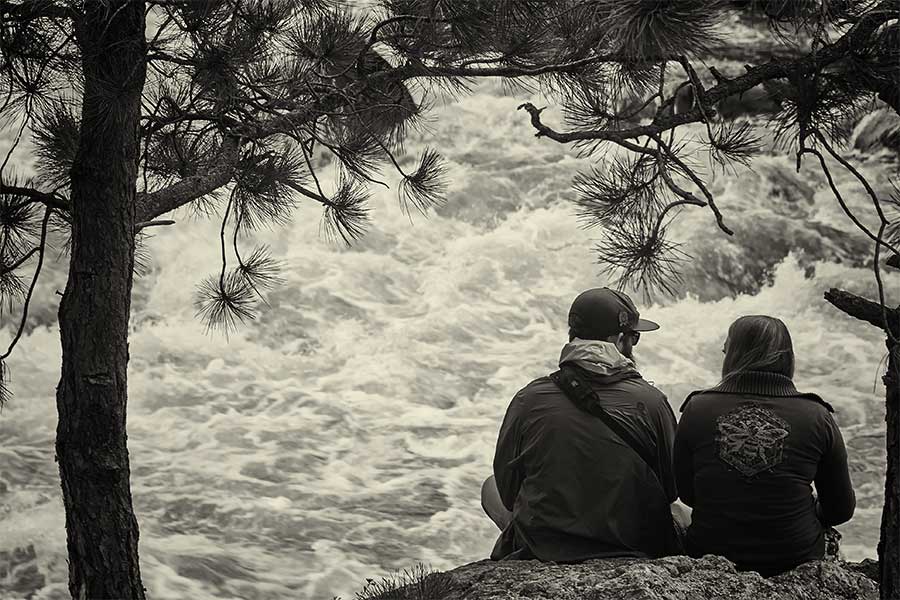
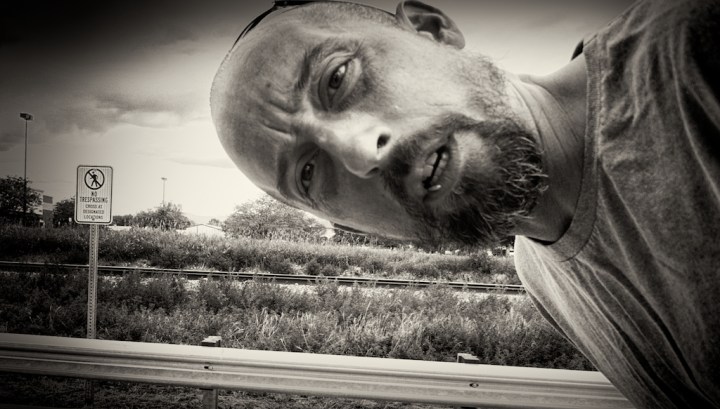
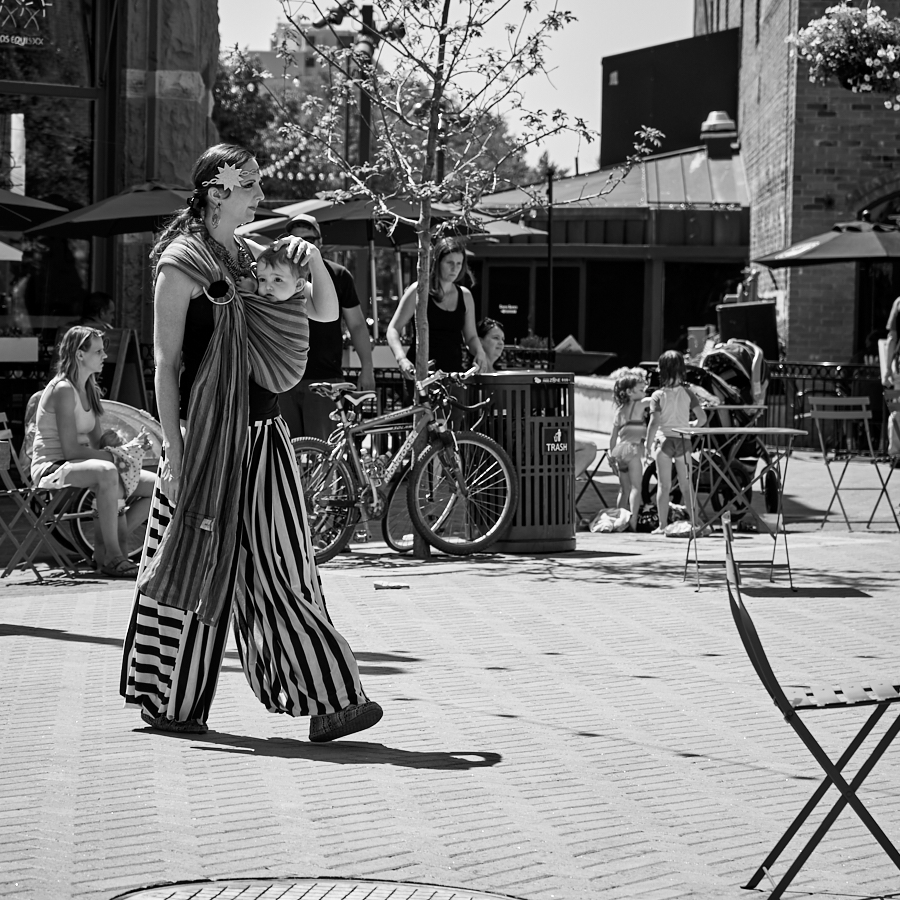
Nonverbal communication: It is suggested that 50 to 75% of all communication is transmission through our eye contact, facial expressions, gestures, posture and the distance between people. We also understand messages through variations of body language, distance and physical environments.
In the mountain depths, Treading through the crimson leaves, The wandering stag calls. When I hear the lonely cry, Sad–how sad!–the autumn is ~Sarumaru (cited: Ogura Hyakunin Isshu)
did others sit here too waiting for spring? old tatami mat ~Issa (haiku.guy)
blooming plum– the voices of children sound reverent ~Issa (haikuguy.com)
A haiku…is a way in which the cold winter rain, the swallows of evening, even the very day in its hotness, and the length of the night, become truly alive, share in our humanity, speak their own silent and expressive language. (cited: Haiku: Eastern Culture)
Symbols are objects that conveys agreed upon messages within a particular group of people.
Harry Nilsson, Every Body is Talking’
Ride and jump on over to HorseAddict to join in this week’s lens-artist’s photo challenge: communication
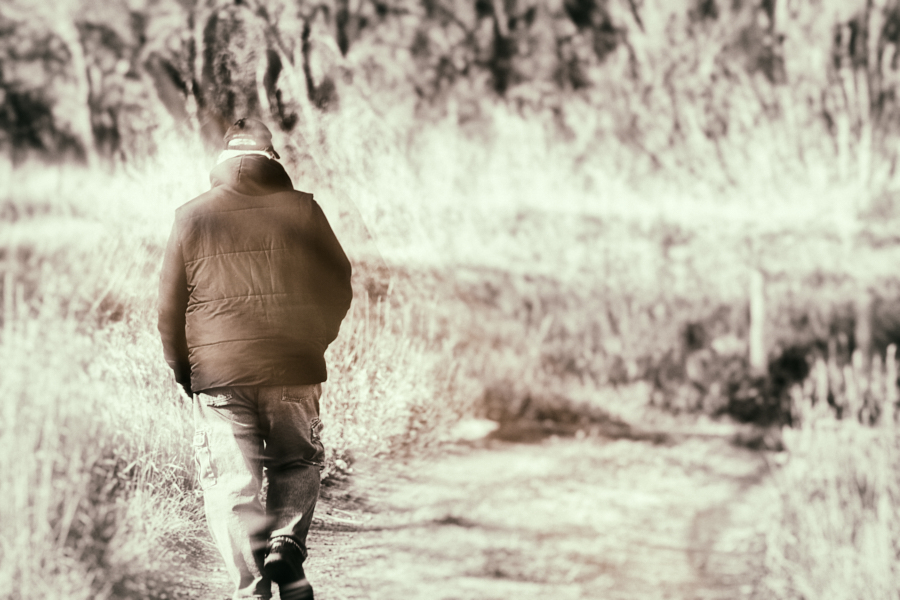
to the man walking “Look behind you!” windblown butterfly ~ Issa (cited: www.haikuguy.com)
Sony RX1003 f/3.5 1/30s 25.7mm 80 ISO
Spring has its hundred flowers, Autumn its moon, Summer has its cooling breezes, Winter its snow. If you allow no idle concerns To weight on your heart, Your whole life will be one Perennial good season. ~The Golden Age of Zen
Sony RX1003 f/3.5 1/25s 25.7mm 80 ISO
Though days pass And others may forget I can never lose the thought That meeting in the evening Of an Autumn day. ~The Dairy of Izumi Shikibu (cited: Diaries of Court Ladies of Old Japan)
Sony RX1003 f/3.5 1/8s 25.7mm 80 ISO
Hop on over to Amy’s (The World is a Book) to join this week’s photo challenge: photo walk
This week Patti introduces various types of symmetry that create images that are powerful and dramatic: vertical, centered, mirrored, horizontal, and radial.
Radial symmetry is all about circles. It is often seen within flower images as petals fan out from a center circle. Other examples are spokes on a wheel, or ripples of water making concentric circles.
While I have studied various types of symmetry over the years, radial symmetry is one type of compositional element that is new to me. Consequently I decided to open my eyes to various ways to compose symmetry through the use of circles.
Photography, in a nut shell, is lines, shapes, colors, and feelings
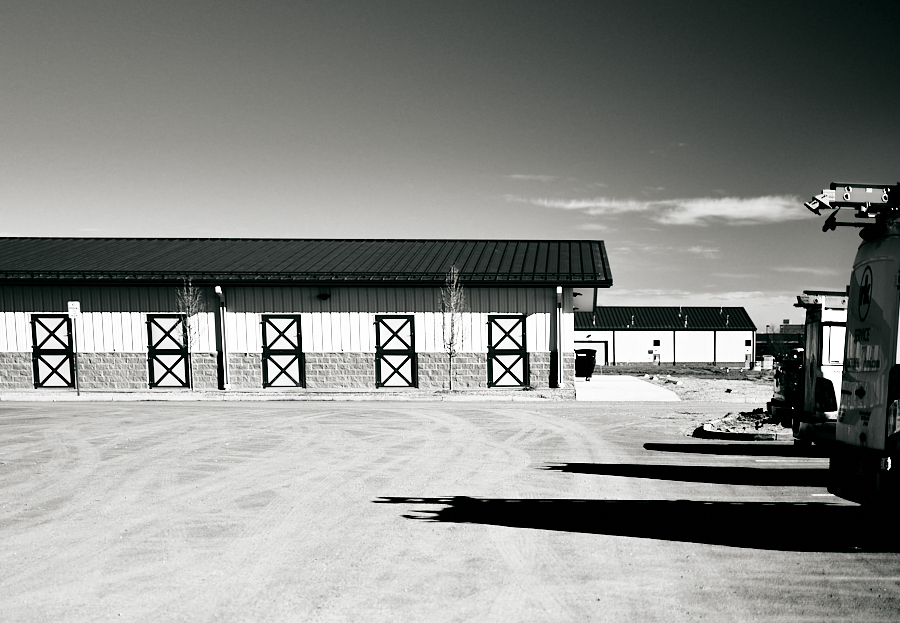
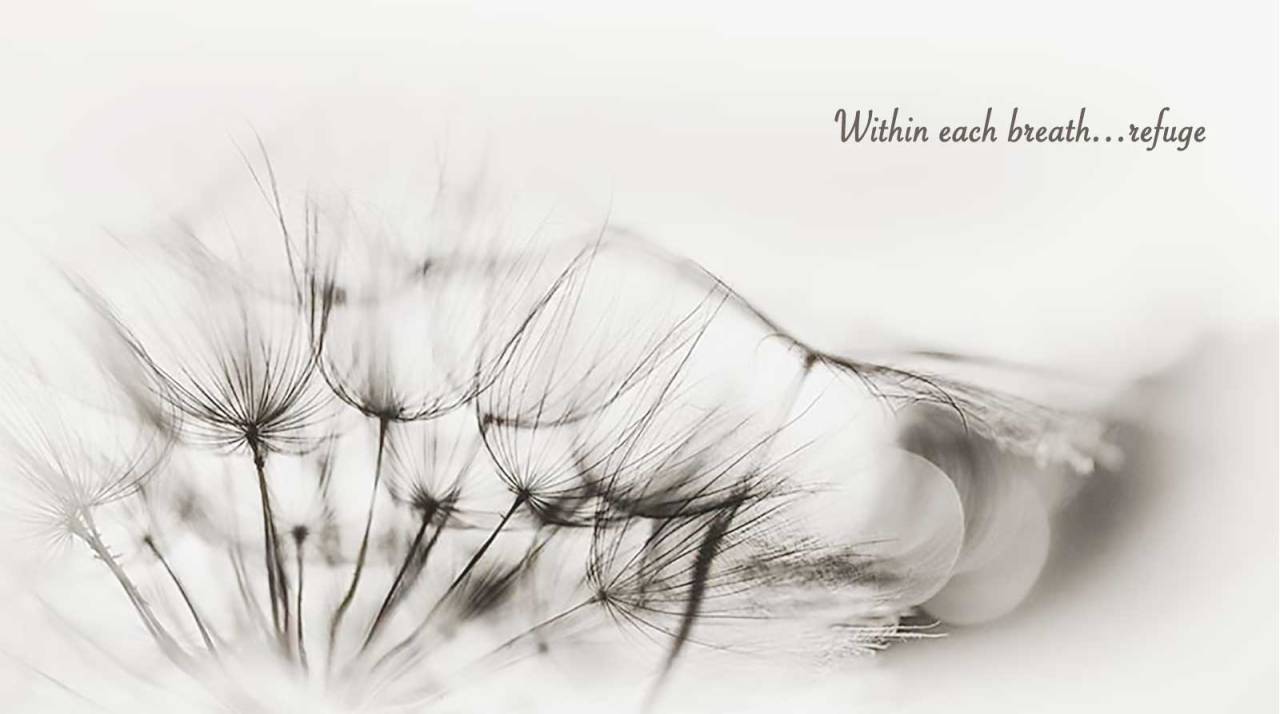
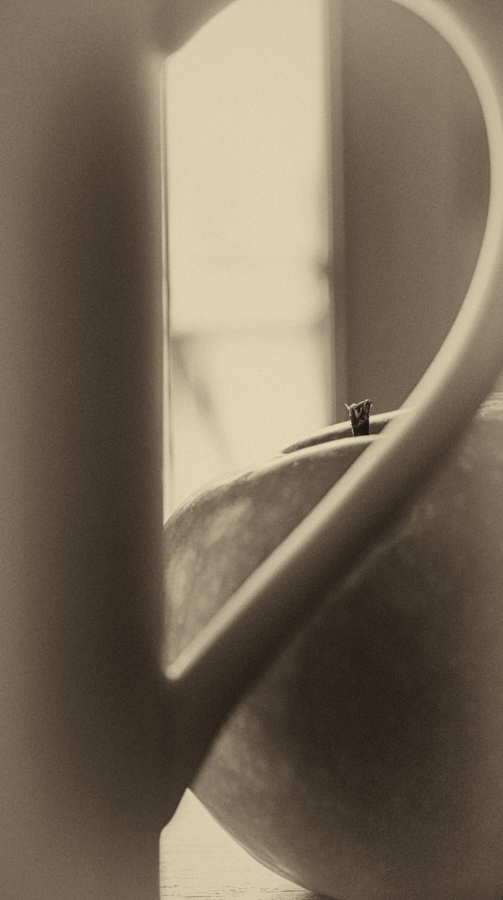
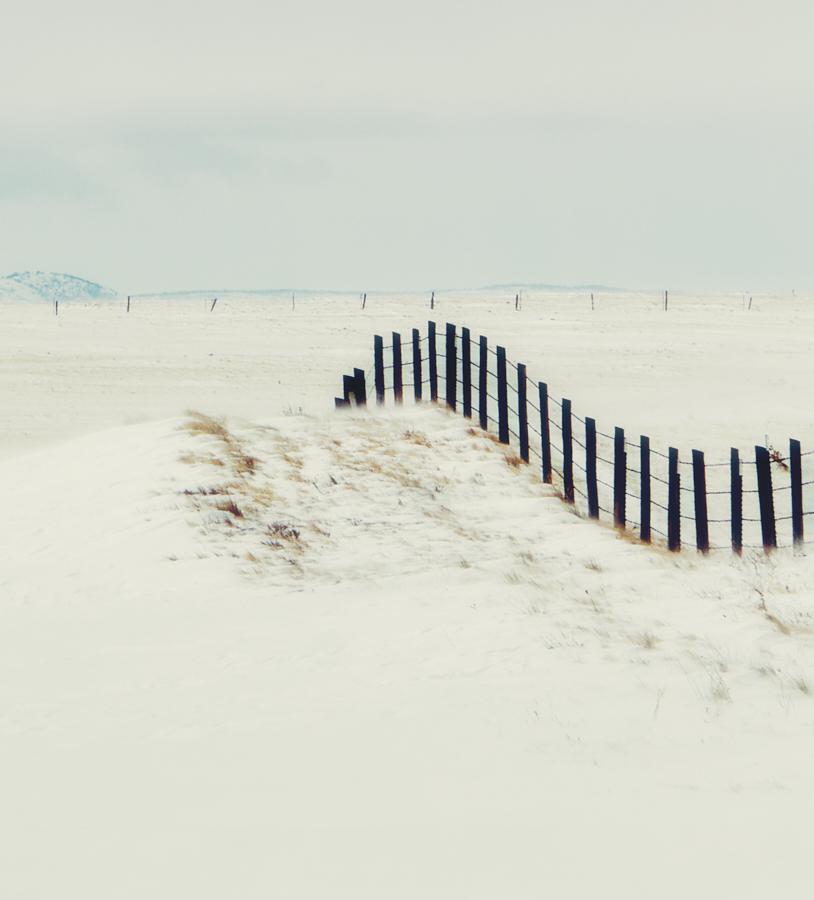
In photography negative space is perhaps the most important element as it embraces the subject within your image — the element of interest — helping it stand out and inviting the viewer’s attention. It is the aspect within a photograph that generally doesn’t attract much attention. It is sometimes referred to as white space and has the potential to change what appears to be an average subject into an outstanding image.
The simplest example of positive and negative are the words in this blog. These words draw your attention while the background doesn’t. The words are positive space, and the white background is negative space
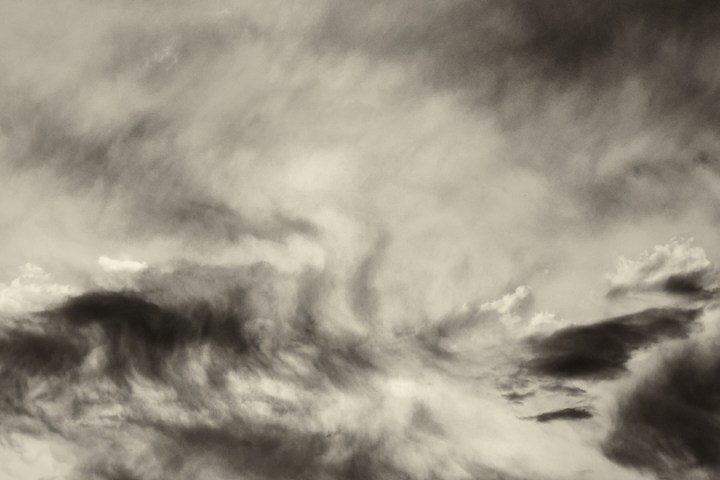
Negative space awakens feelings of peace, calm, quiet, loneliness, isolation. It is less about the subject within a photograph and more about awakening a feeling in the viewer.
Negative space can create a sense of lightness, airiness…it can strengthen the positive emotions in a photography, emphasize the feelings of your subject, conveying whatever story you as a photographer wishes to evoke in your viewer.
Negative space provides “breathing room” giving the viewer’s eyes a place to rest and preventing an image from appearing too cluttered…creating a more engaging composition.
Negative space, in the world of photography, may be more important especially if the photographer tends towards creating images that are simple; yet effective. Michael Kenna, Bruce Percy, and Masao Yamamoto are three artists known for their minimalistic images.
ThePlum-blossom is the first of the “hundred flowers” to open. It symbolizes the beginnings of things, and is also one of the “three friends” who do not fear Winter’s cold, the other two being the pine and the bamboo.
cited: Fir-Flower Tablets Poems Translated from the Chinese Trans: Florence Ayscough & Amy Lowell Project Gutenberg
A Winter night, a cold Winter night. To me, the night is unending.
I chant heavily to myself a long time. I sit, sit in the North Hall.
The water in the well is solid with ice. The moon enters the Women’s Apartments.
The flame of the gold lamp is very small, the oil is frozen. It shines on the misery of my weeping. ~Li t’ai-Poa Woman Sings to the Air: “Sitting at Night Fir-Flower”
excerpt: Trans: Florence Ayscough & Amy Lowell Fir-Flower Tablets Poems Translated from the ChineseProject Gutenberg
First snow! I see it young every winter, Yet my face grows old As Winter comes. ~ The Diary of Izumi Shikibu
But it may remind him of the time that has past since he left
spring 2017
cited: Trans: Arthur Waley. A Hundred and Seventy Chinese Poems, Project Gutenberg
spring!
Note: The poem above is one of a series known as the Nineteen Pieces of Old Poetry. Some have been attributed to Mei Shēng (first century b.c.), and one to Fu I (first century a.d.).
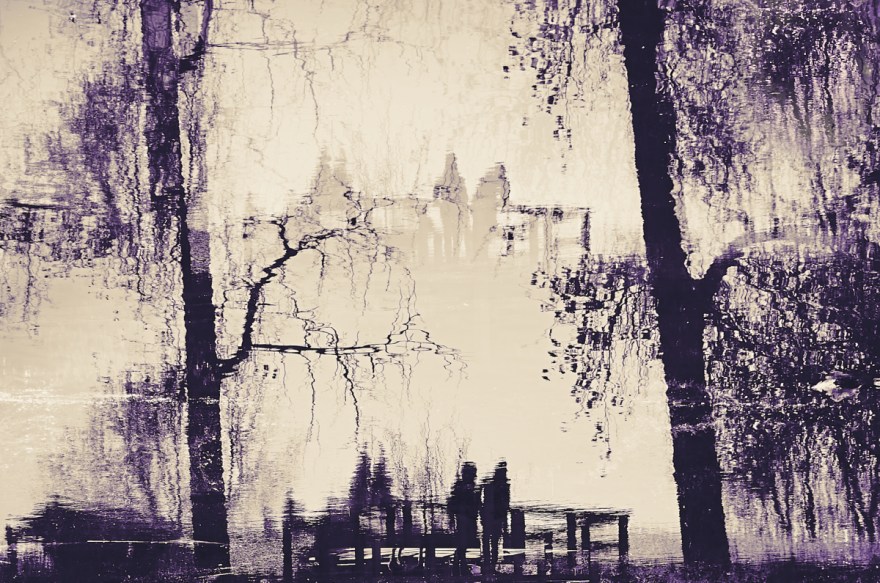
This week’s lens-artists challenge (spring) is hosted by Tina
You must be logged in to post a comment.