Contemplative and landscape photographs submitted in response to Ritva’s lens-artist challenge: encouraging photographers to deliberately defy traditional framing conventions.
Photographing what is … the morning’s light
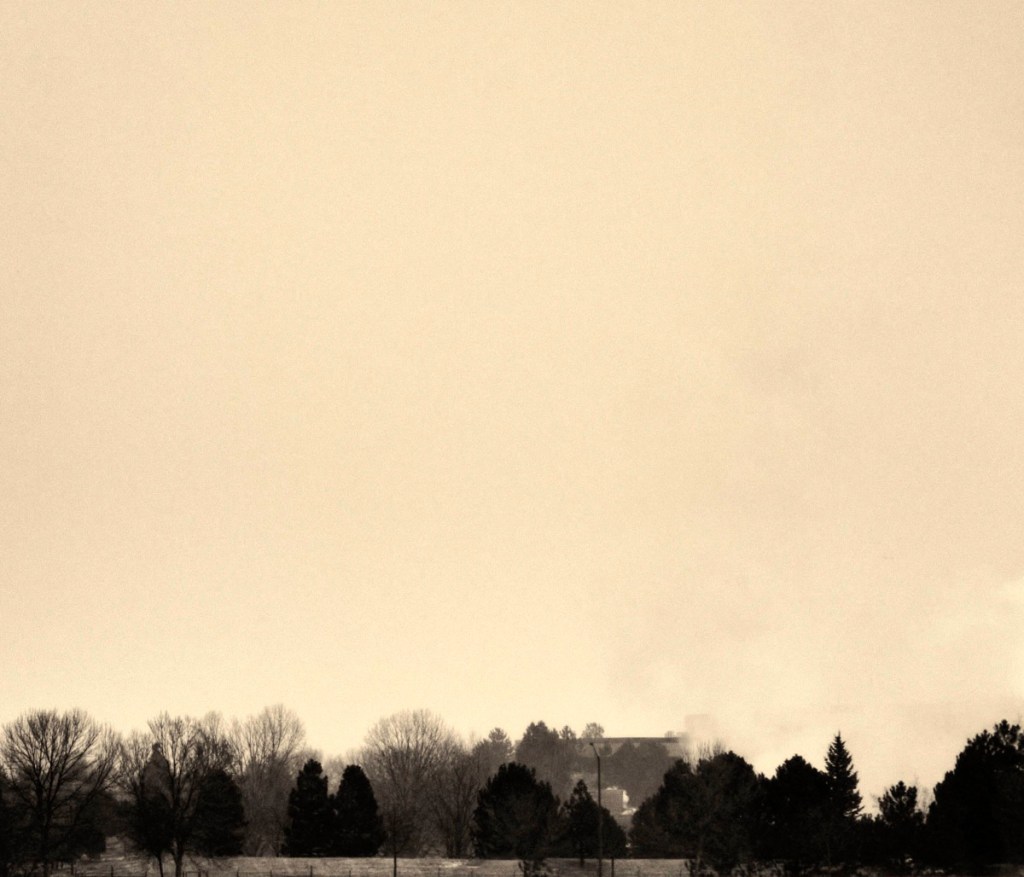
landscape images cropped with a focus on negative space.
Photo composition is an essential element of any photographic image. A photograph has only two essential elements, subject, and composition (not camera settings). By composition, we refer to the way we place all the elements of the photograph inside the four sides of our frame. ~George Tatakis
Lines are horizontal, vertical, diagonal, organic, and implied. Ted Forbes (The Art of Photography) wrote that while lines don’t actually exist in nature they are most likely the most basic element of visual composition. He further noted:
Lines serve many purposes in visual composition. They can divide the composition, they can direct the viewers eye, they can define shapes and they can make a statement to the feel or interpretation of the image by the viewer. Line’s speaking to the feel of a composition is extremely important.
For me going beyond the intellectual understanding of color theory: that is, to feel, see, sense, and be engaged with the multiple interactions of color within an image is a challenge.
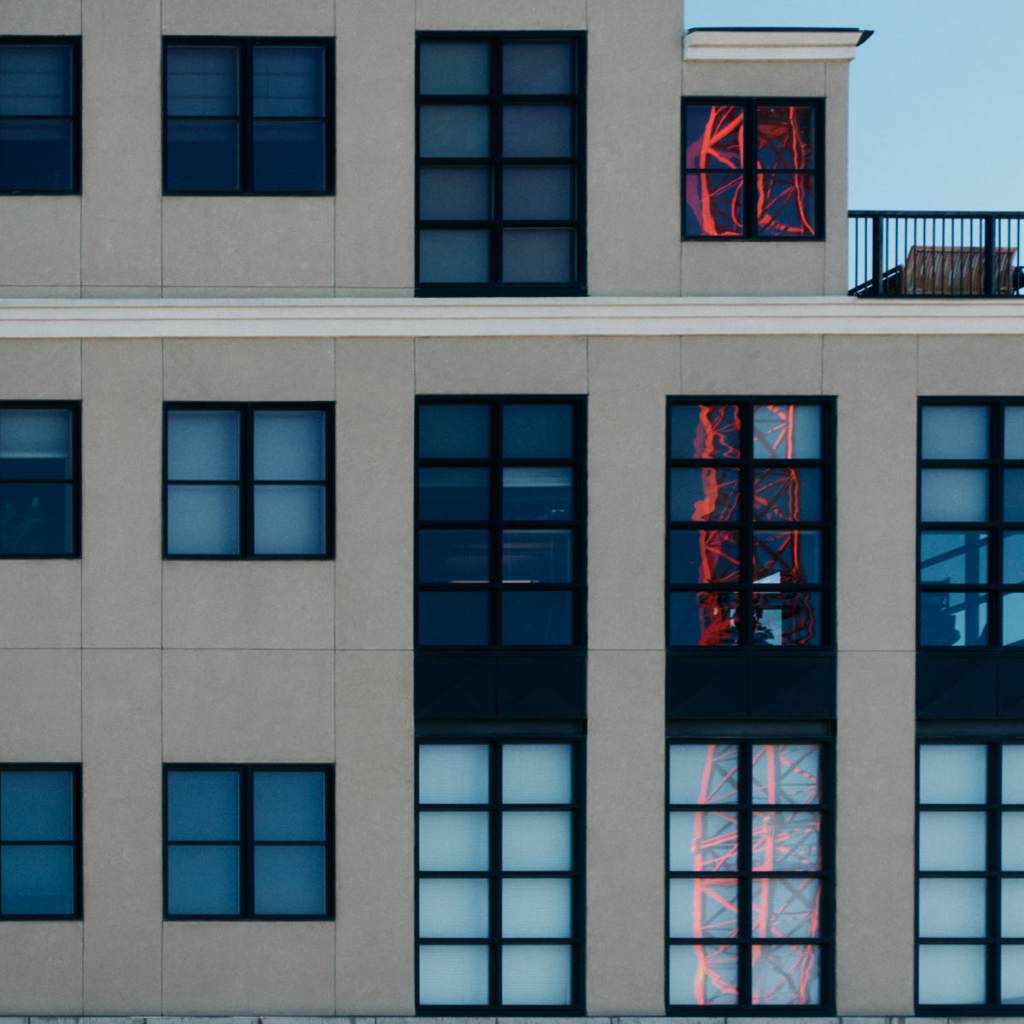
It is my understanding that patterns are the repetition of shapes that are pretty basic and similar to each other. We will see them repeating at regular intervals within nature, design, works of art, architecture, and photography.
Thank you John (journeyswithJohnbo) for this invitation to refresh my understanding of these three tools of composition
As an autodidact, individuals who choose the subject they will study, their studying material, and the studying rhythm and time, in 2018 I began blogging a 52-week Photo Study that explored topics such as visual composition, creativity, point of view, the photographer, street photography, contemplative photography, landscape photography, and developing a personal style,
YOUR FIRST 10,000 PHOTOGRAPHS ARE YOUR WORST.” ~Henri Cartier-Bresson
After reading Henri Cartier-Bresson’s quote, I realized that one may just mindlessly click away 10,000 times with hope that…maybe, just maybe…accidentally…one image will be an A+ A+ A+ photograph (see the movie, “A Christmas Story”).
Then…a shower thought…maybe that one triple A+ image really only arises after 10,000 intentional shutter releases. Can you just image being present to, thinking through, and connected with each transient moment 10,000 times? In reality this would be like setting out on a journey of 10,000 steps knowing that one will never reach their destination.
Yet, what is an important part of a 10,000 endeavor? To create a triple A+ image? Or to undertake a photo study journey accompanied by fun, education, knowledge, experience, and exploration? I’ll go with the fun of creating and opening myself to the beauty of Mother Earth so this photo study blog journey is an encouragement to–not create a triple A+ image– but to be more intentionally present with each click of the shutter.
Thank you Tina (travels and trifles) for this week’s photo challenge to explore and share one’s lifetime journey of learning.
Ritva writes that “we work so hard to learn the photography rules, at least I do but now it is time to BREAK them!! The problem is just that in order to break a rule, you must know that there is a rule in the first place!”
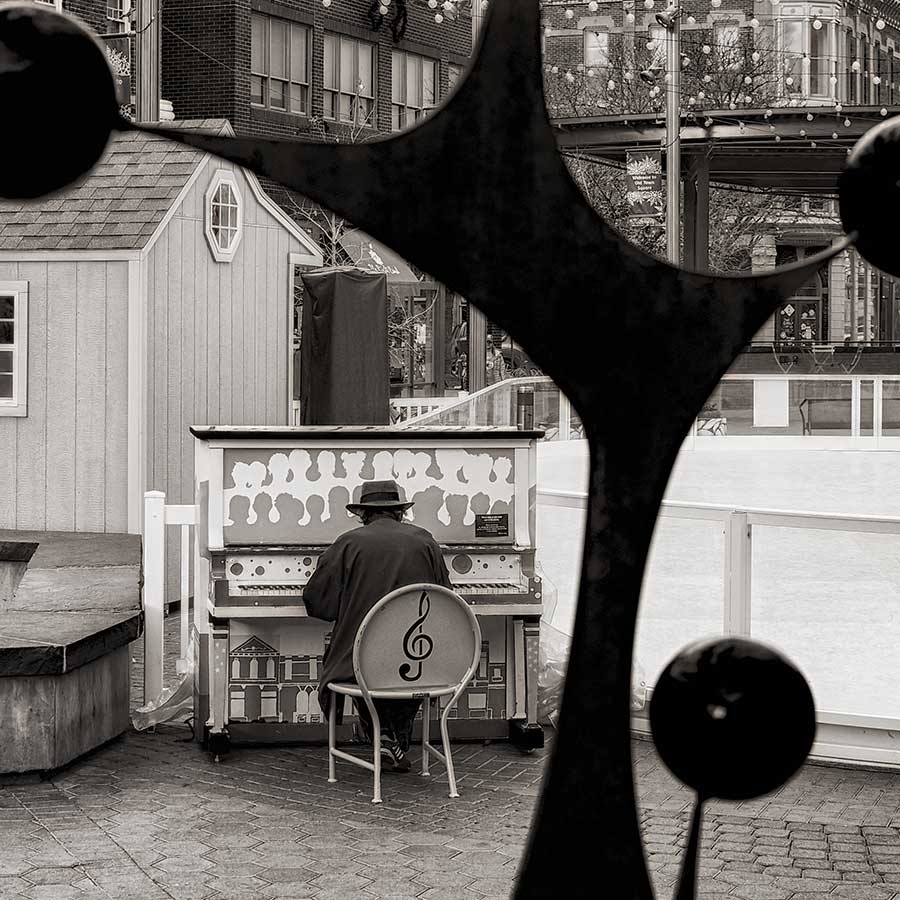
The composition guidelines (rules) used within this image:
Sub-framing – a picture in a picture is a technique which invites a viewer’s eye into an image through the use of natural or man-made elements. This invitation to the viewer to be guided from the foreground to the background also adds depth to an image. They may take multiple shapes or forms and may either dominate an image or constitute a small component in a wider composition.
Does the composition of this image invite you to be guided from the foreground to the framed tree in the left upper corner?
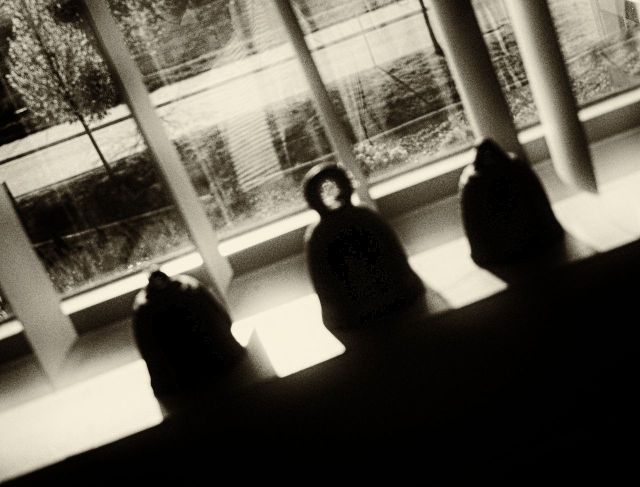
Rule of odds – guideline created by how the composition within an image may gift us with the balance we unconsciously seek
Does the three blurry bells gift you with a sense of balance? Or does the line composition have a negative affect on balance? I find that my head tilts in an attempt to fit the image into a sense of expectation.
Rule of thirds: the element of composition that begins with dividing an image into thirds, horizontally and vertically, creating nine imagined sections.
This image is created with five layers, do you find that the composition may have some how upset the rule of thirds?
John’s lens-artists’ challenge invited me to open up my photographer’s eyes to the compositional elements of shape, form, texture, and light. I thought to expand this challenge to include Ted Forbes’ invitation to “think in pairs” … the page spread. Ted Forbes notes that thinking in pairs is the “building block” of a printed body of work as well as an invitation to image how photographs might speak visually to one another,
So jumping into this challenge…which has indeed been a challenge.
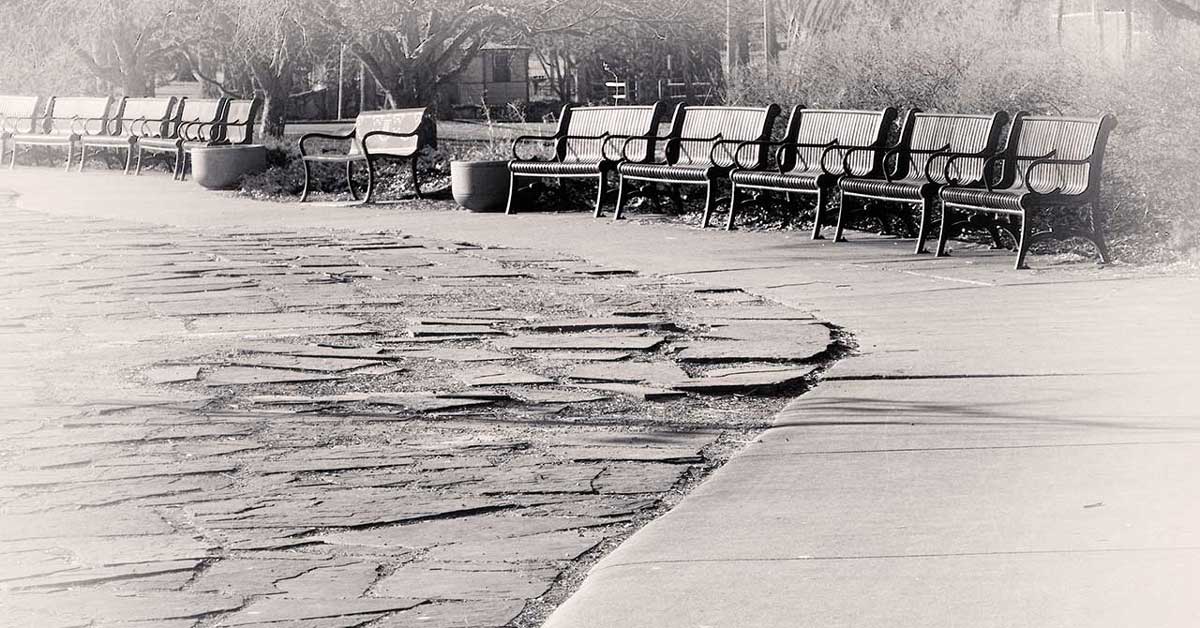
The first pair of images includes the use of light to form horizontal lines. Also my eye sees a triangle form and shape within in both images.
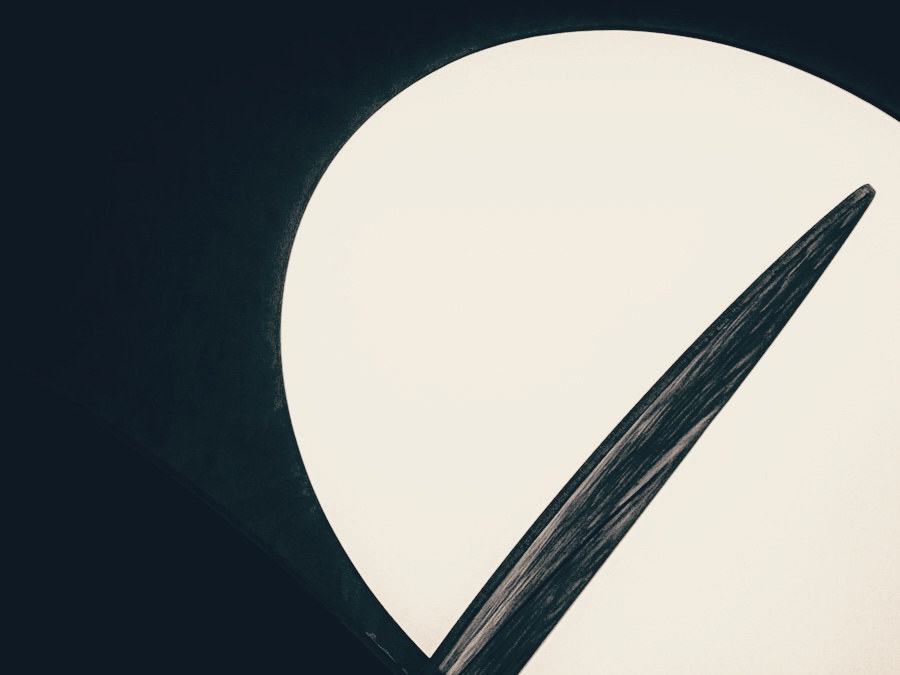
The second pair of images include circular shapes, as well as, a bit of texture and the use of monochrome.
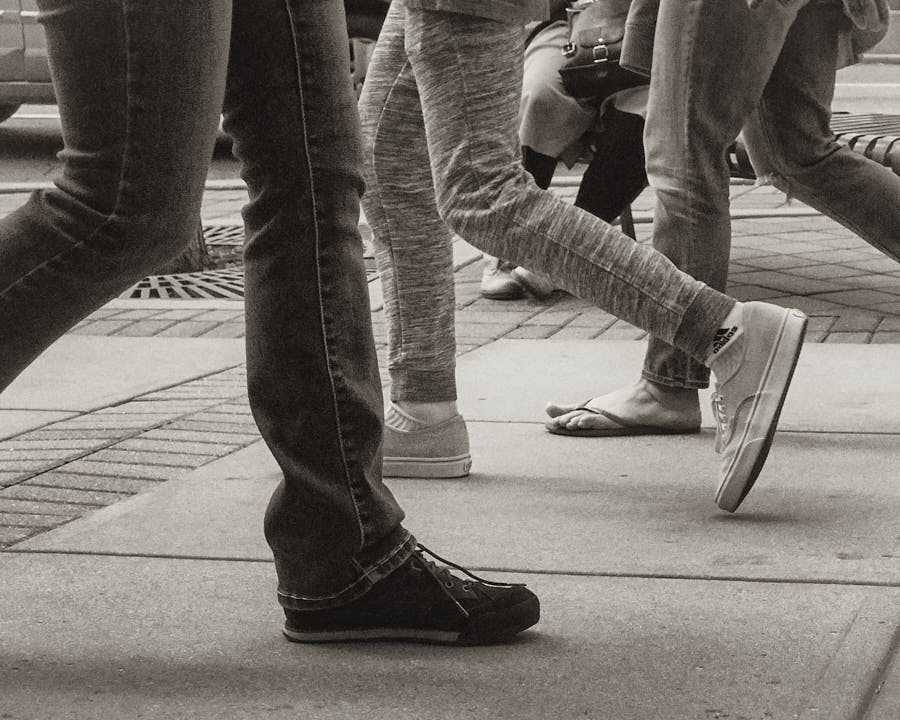
The third pair of images (which is my favorite) includes the use of triangles and texture (sidewalk and jeans).
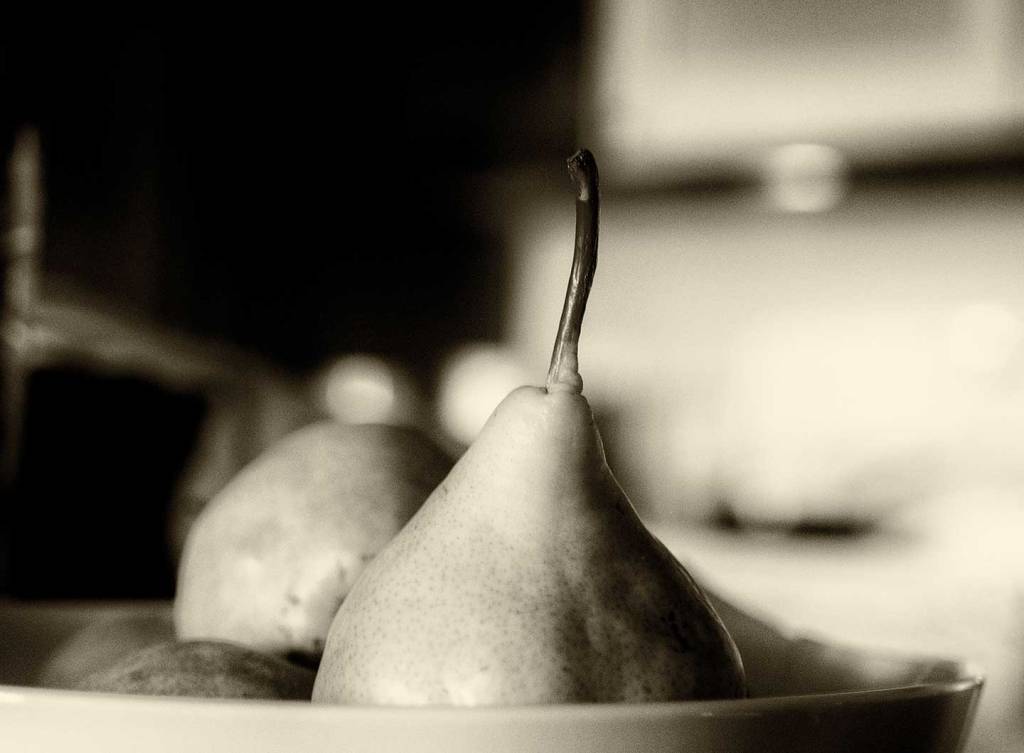
The fourth pair is composed of still life photographs that includes the use of shapes, texture, light and shadow, and form. The element within both images that brought them together for me is the stems.
Journeys with Johnbo’s lens-artists challenge invites photographers to see the compositions of shape, form, texture, and light
As I was wandering though YouTube I found myself watching a couple of videos that discussed the question, “what makes a good photograph?”
The most important thing I’ve learned so far is that each person’s response to an image is subjective. I’ve also heard that when we are watching the sun set with a loved one, we do not experience the same sunset. A lonely thought, don’t you think?
Yet, an important element of a good image is … storytelling.
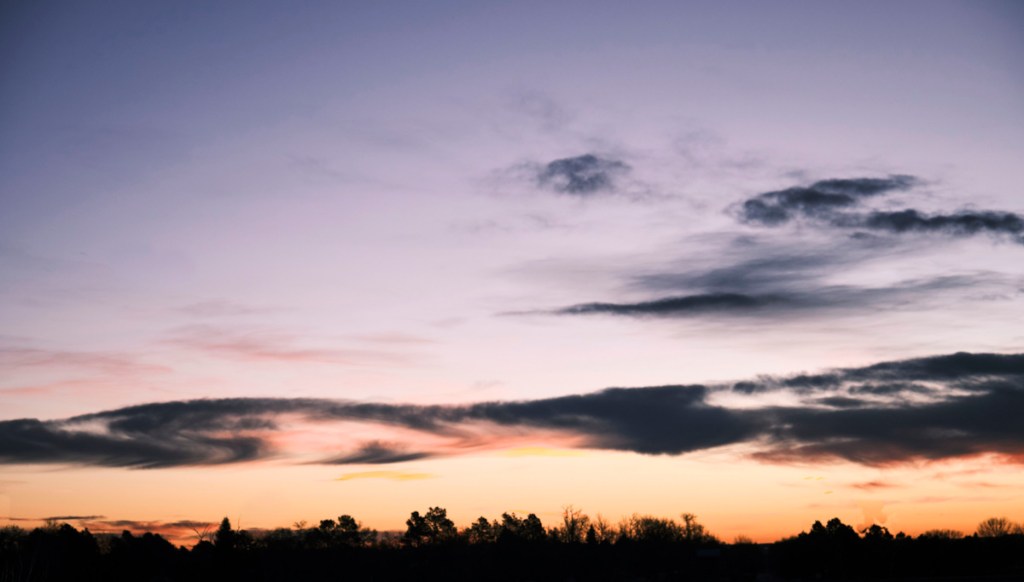
So now I ask myself and you, “is there a story or two within a skyscape photograph?”
Patterns give us order in an otherwise chaotic world.
I find myself pondering the concept of perfect…are patterns designed by human design seen as more perfect than the ones that ebb and flow through the dynamics of mother nature?
Is there a pattern within an image that at first glance seems chaotic?
solitude
Does rhythm which involves the same or similar elements repeating at regular intervals create an image that soothes the eye and thus a seemingly “perfect pattern?”
Hum…it is a challenge to outline my editing process as it is more often than not a spontaneous flow of visual experimentation.
For this week’s challenge I chose the image below … the repeating patterns found within the dandelion family are inviting to my photographer’s eye.
Sony RX100 M3 …f/3.5 .. 1/400s .. 25.7 mm .. 80 ISO
First the raw image was cropped and edited in Capture One. A healing mask was used to remove some of the stems in the background.
Silver Efex: The editing process within Silver Efex began with a custom preset and some global adjustments. The blue filter was used as it was seen to lessen some of the background distraction. The IIford FP4 Plus 4 film type was chosen with a bit of yellow and green color filter sensitivity adjustments. Control points – contrast and brightness – were located in the parachutes. The vignette was set at -21%.
Photoshop: Contrast between lights and darks were explored with 3 curve layers.
Capture One: A custom split tone preset was the finishing edit.
One editing rule that I broke today is to walk away from an image for a period of time as a way to see my work through fresh eyes. Please let me know if you see any distractions or composition concerns.
Anne @ Slow Shutter Speed invited photographers to post their black and white photos as well as share their photo editing process.
Two Sonys, one Ricoh, one Lumix, one Leica, two Nikons, and one iPhone have been my photography companions over the past 10 years. Our wanderings has had its ups and downs … losing files, grieving of Aperture, diving into various software editing programs, a self-learning photography project, breaking rules, being obsessed with various subjects, experimenting various techniques, and being awed by multiple photographers, world wide.
It has been a journey! Let’s begin with one of my first macros with a Ricoh.
macro Exploring monochromemotion blur photographyportraiture wide open aperture point of view photographydouble exposure
…and there were the obsessions with…
the dandelion family egg obsession
and during this pandemic…
skyscape obsession
and the list goes on and on. Thank you Amyfor the invitation pause for a bit to reflect on where I’ve been and to share a bit of my photo journey.
“The new coronavirus has … sickened thousands of America’s first responders and killed dozens more.
“But many have recovered, and they’re going back to work — back to the crime scene, back into the ambulance, back to the jail. Going back to this deadly pandemic’s front lines.
“They go with a lingering cough and lost weight. They toss and turn at night, wondering if the claims of immunity are true. They fear that picking up extra overtime shifts may expose them, and their families, to additional risks.
“And then they pull on their uniforms and go back to work.”
cited: Stefanie Dazio, Michael R. Sisak and Jake Bleiberg, After COVID-19: Anxious, wary first responders back on job Associated Press
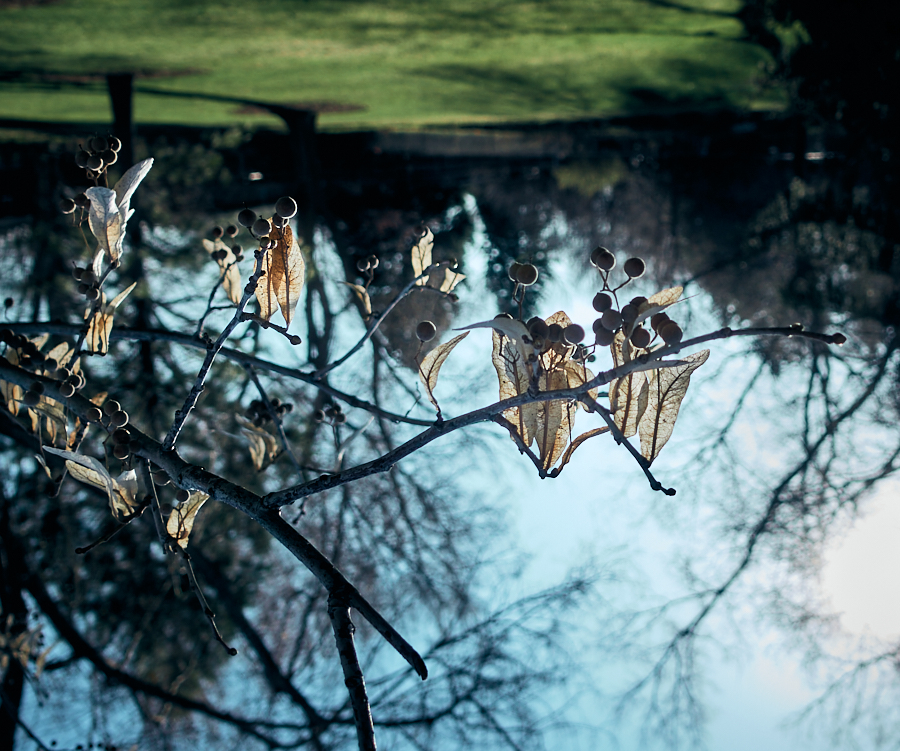
Composing 180º rotated
In a recent email, Bruce Percy wrote, “I think I’m usually an observant composer, but when I use a ground glass on [6X9 Ebony SW23] cameras my mind has to work harder at visualizing the final photograph as the image is flipped vertically and horizontally.
first composition
“I don’t use this camera very often so when I do use it, it usually takes me a few days to start to ‘see’ images the right way up in my mind’s eye.
“After I’ve been doing that for a few days, it’s amazing to note how my mind’s eye adapts. I think there is a lot of usefuleness in working with images when they are rotated at 180º as they force your eye to go into areas of the picture that aren’t normally visited. You spot things in the composition that you normally wouldn’t.”
second composition
Composition elements used within the above image created using a Sony RX1003 f/2.8 1/125s 8.8mm 80 ISO.
While the first image brings my attention to how the spring’s morning sun highlights the autumn leaves, I found that the 180 degree rotation opened my eyes to how irritating the sun was in the upper left as well as invited me to explore using the horizon (rule of thirds).
Composition elements:
subject (leaves) sharpened by using a blurred background
rule of thirds
perspective
space
I would enjoy reading your thoughts about Bruce Percy’s discussion about 180 degree rotation and compositional elements.
I find myself being drawn again and again to how the yellow caution tape forms a number of barriers around play areas within a park near my home. The tape intensifies the overwheming silence and emptiness contrasting with the news blitz that feeds powerlessness, sadness, anger, confusion, mistrust, division, anxiety, etc.
The empty playground also beings to mind the story of The Pied Piper of Hamelin. The story is a familiar one, but what most of us probably don’t know is that it has its feet at least somewhat planted in an apparently true event that took place in the real-life town of Hamelin, Germany in 1284.
The earliest accounts of the story don’t include the rats, which wouldn’t show up until around the year 1559, but they do include the piper, dressed in his “clothing of many colors.” there is not enough historical data to ascertain for certain what happened in the town of Hamelin in 1284, there is little doubt that something occurred there which left a heavy mark on the town, and on world folklore. Theories advanced over the years include that many of the town’s children died of natural causes that year; or possibly drowned in the nearby river; or were killed in a landslide, thus explaining the recurring motif of the rats being led into the water, or of the mountain opening up and swallowing the children. The pied piper himself is considered a symbolic figure of death.
One other explanation is that the children may have died of the Black Plague, which could be why the rats were later added into the story, though the Black Plague didn’t hit Germany until the 1300s, making its arrival probably too late to be the source of the legend.
Other theorists hold that the story of the pied piper actually refers to a mass emigration or even another Children’s Crusade like the one that may have occurred in 1212.
Our first clue about what really happened in the town of Hamelin comes from a stained glass window that stood in the town’s Market Church until it was destroyed in 1660. Accounts of the stained glass say that it alluded to some tragedy involving children, and a recreation of the window shows the piper in his colorful clothes and several children dressed in white. The date is set by an entry in Hamelin’s town chronicle, which was dated 1384 and said, simply and chillingly, “It is 100 years since our children left.”
Grammarist point out that the phrase “pied piper” usually has a pejorative connotation, pointing out that, “When it is time to pay the piper it is time to accept the consequences of a thoughtless or rash action” or to “fulfill a responsibility or promise, usually after the fulfillment has been delayed already.” Both of these meanings probably tie back to the legend of the pied piper.
Even the words “pied piper” have entered into common usage to mean everything from “a charismatic person who attracts followers” to “a leader who makes irresponsible promises” to “one who offers strong but delusive enticement,” according to the Merriam Webster Dictionary entry for pied piper meaning. “Pied piping” is also a phrase used to describe a certain phenomenon in linguistics in which some words “drag” others along with them when moved to the front of a sentence. (cited: The Chilling Story Behind the Pied Piper of Hamelin)
Now that I have got this obvious allusion out of my system, let’s move on the the composition elements within the above photograph:
Rule of Thirds
Rule of Odds
Leading Lines from right to left
Space
Triangle created by the placement of the “triangle” snow pile with the two subjects
Stay at Home Order … day 21 plus 14 seclusion retreat days
“A haiku is not a poem, it is not literature; it is a hand becoming, a door half-opened, a mirror wiped clean. It is a way of returning to nature, to our moon nature, our cherry blossom nature, our falling leaf nature, in short, to our Buddha nature. It is a way in which the cold winter rain, the swallows of evening, even the very day in its hotness, and the length of the night, become truly alive, share in our humanity, speak their own silent and expressive language.”
– Haiku: Eastern Culture, 1949, Volume One, p. 243.
Nikon D750 f/5.6 1/640s 300m 400 ISO
This month I’ve continued with my intention to study and implement composition elements as offered through an on-line education site, Udemy. Thus far, I have completed two of their photography courses.
It is my intention for the next 30 days to “focus” on the basics of composition, both within camera and digital darkroom.
The image above was created by moving closer (telephoto lens) at a construction site with simplicity in mind. I learned in the second class that if photographers find the environment to be boring…they need to move in closer. Also, beautifully composed photographs will include 3-5 rules. It is my thought that the above image includes:
space
golden points, right to left
lead room
close-in with blurred background
sharpness
Do the shadows meet the rule of odds?
Does this photo include the element of dark figure on light background?
Do you have any constructive feedback about the above image? Do you see something I may have overlooked? If so, I would enjoy reading your thoughts. Thanks!







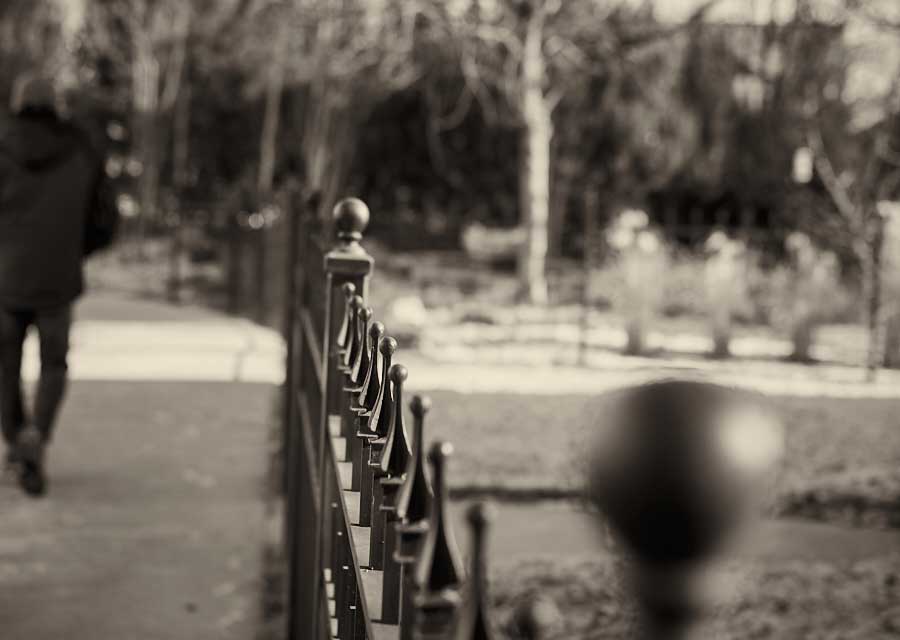



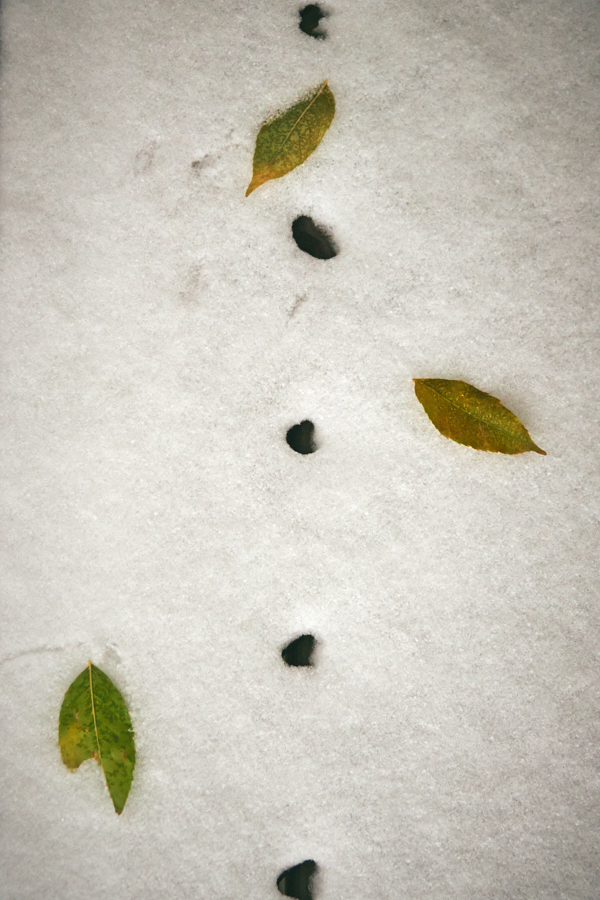








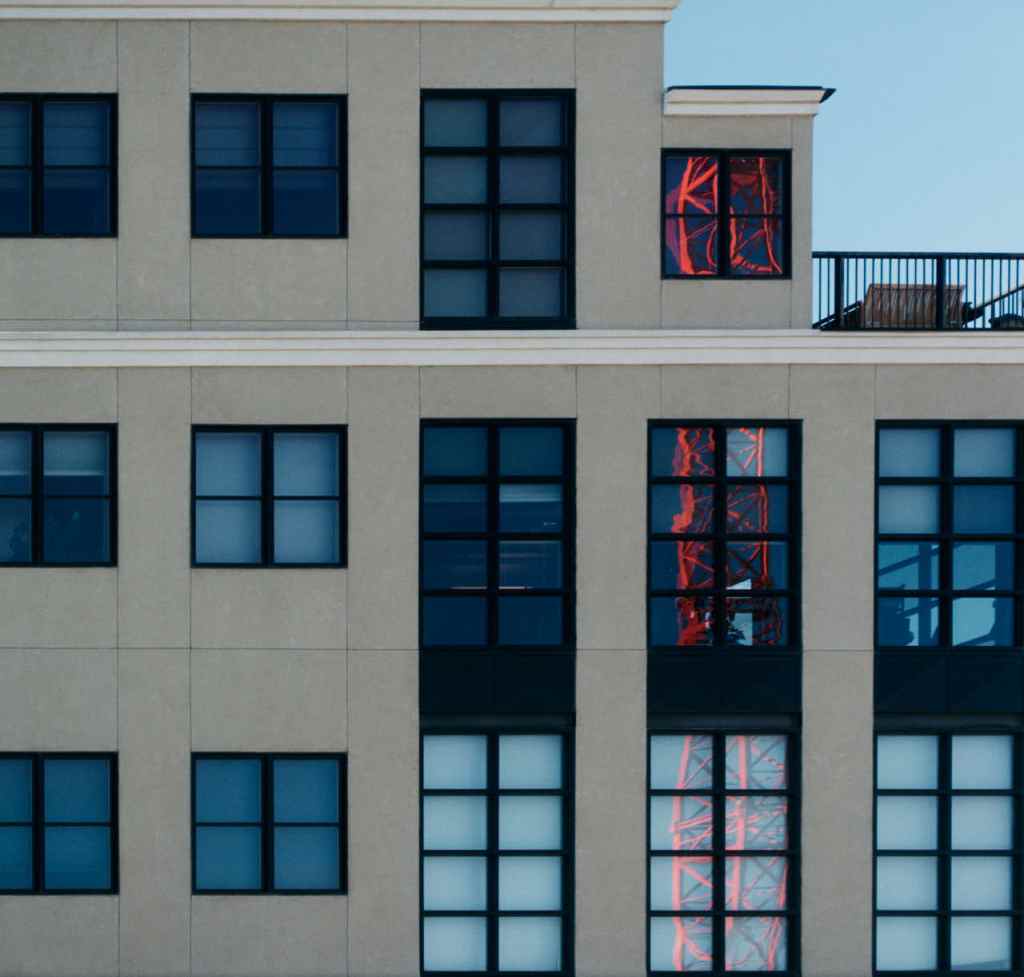


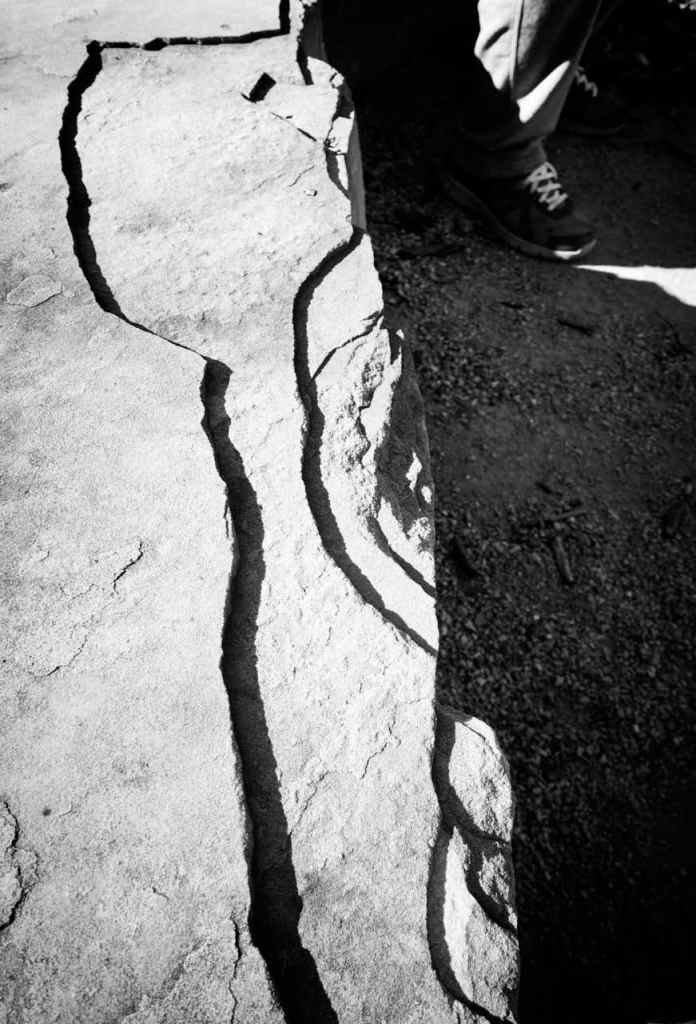


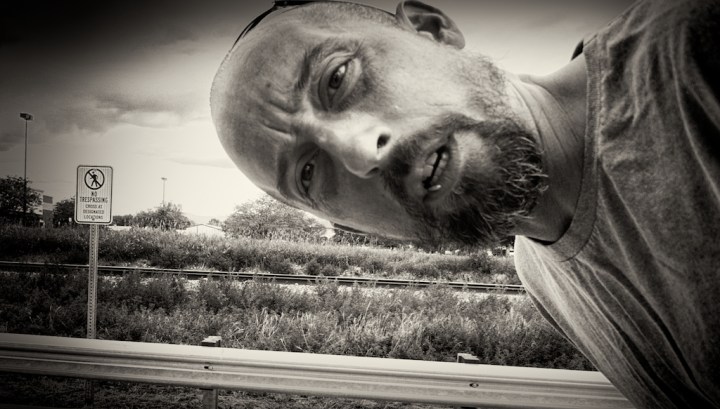





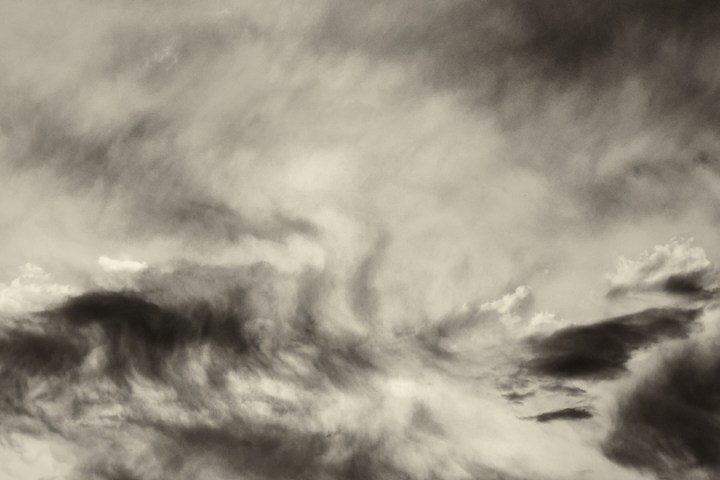





 a meditative journey
You must be logged in to post a comment.