Some historians speculate that April Fools’ Day dates back to 1582, when France switched from the Julian calendar to the Gregorian calendar as called for by the Council of Trent in 1563. In the Julian Calendar, as in the Hindu calendar, the new year began with the spring equinox around April 1.
People who were slow to get the news or failed to recognize that the start of the new year had moved to January 1 and continued to celebrate it during the last week of March through April 1 became the butt of jokes and hoaxes and were called “April fools.” These pranks included having paper fish placed on their backs and being referred to as “poisson d’avril” (April fish), said to symbolize a young, easily caught fish and a gullible person.
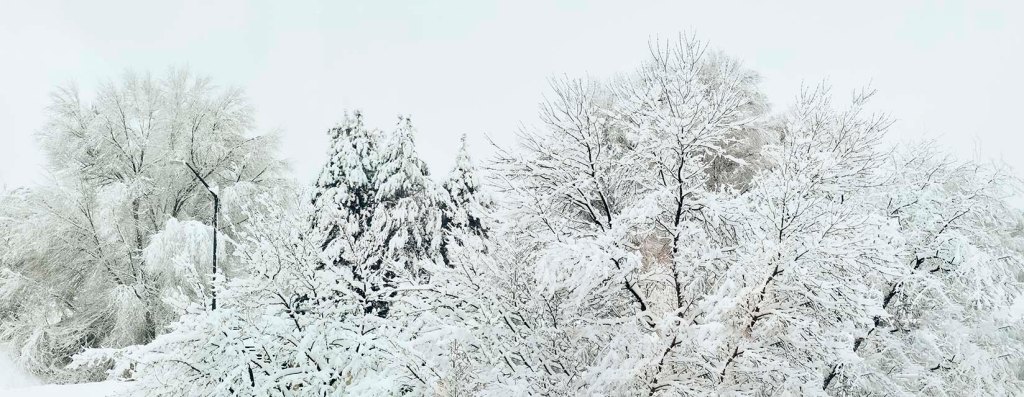
In northeastern Colorado, March and April often bring heavy snow storms. While many across the globe may be tired of snow, I delight watching big snowflakes cover the world outside my window waiting with anticipation for the stilled silence that will embrace the neighborhood.
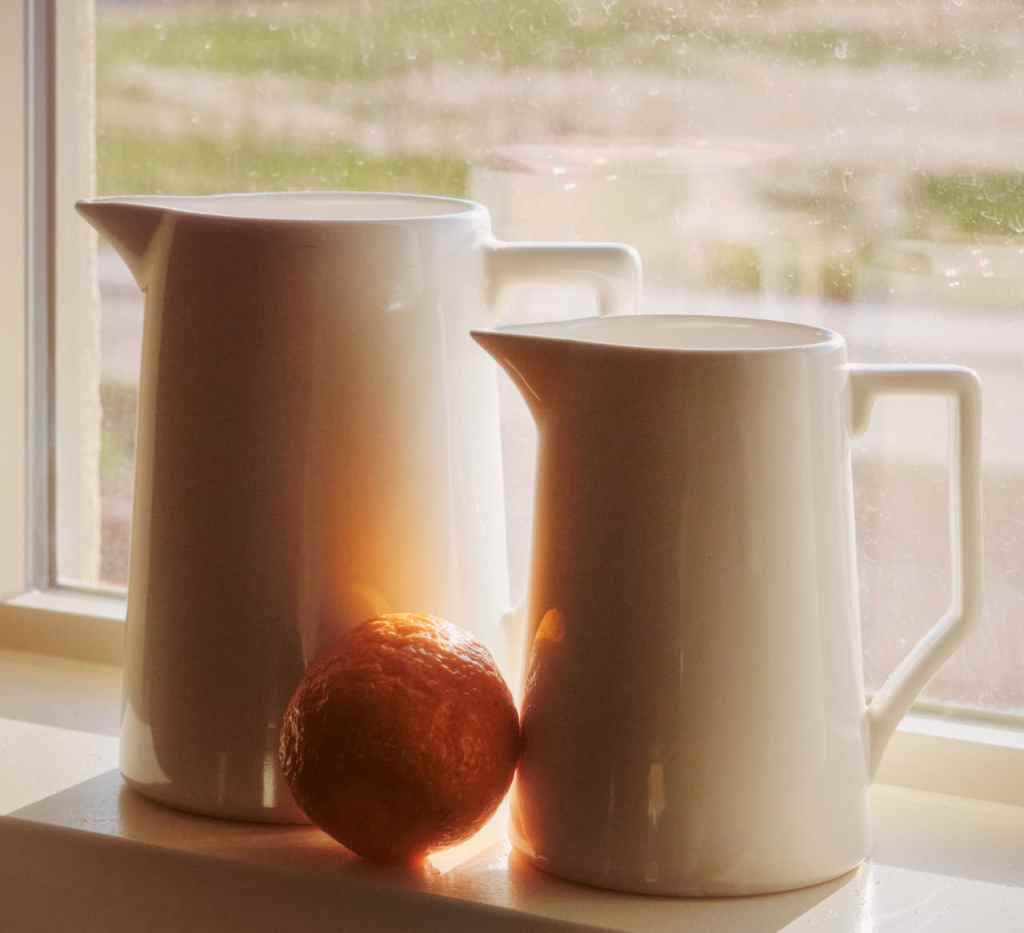
Waking up to a snow covered streets is a sure sign that soon there will be a call; it’s a snow day! A guiltless day away from the office, yes!
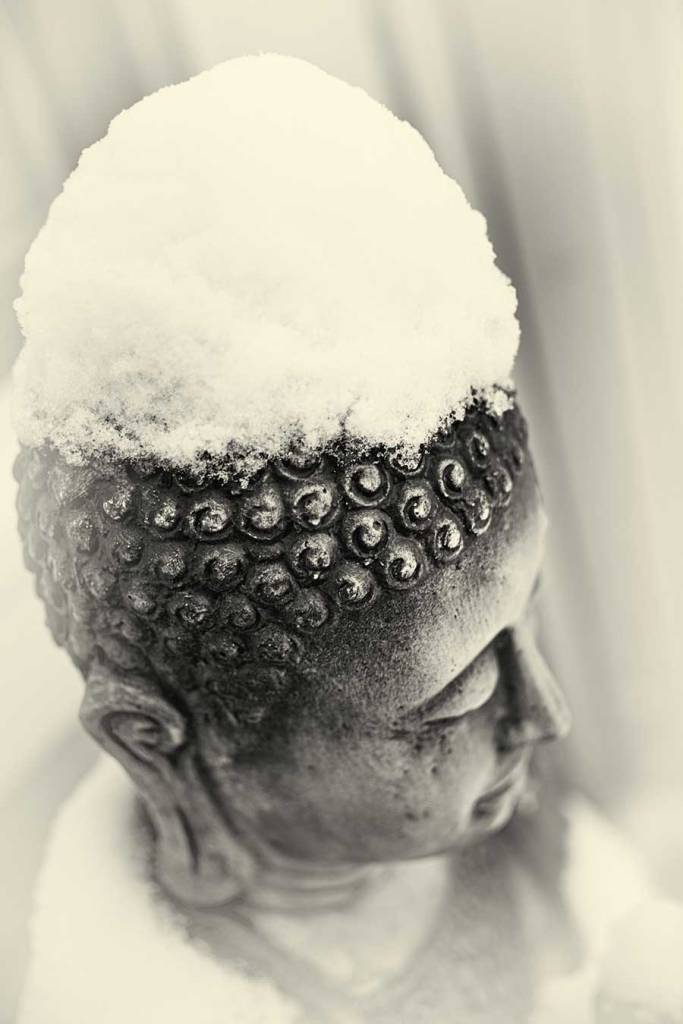
And then after a sleep in, there is a walk through the park and being silently greeted by snow people.
Do you remember playing King of the Mountain on the big piles of snow left by snow plows?
The next best part of these storms is the warning that occurs in a day or two … the sounds of melting snow’s rivulets and the touch of spring’s silken breezes.
spring begins– sparrows at my gate with healthy faces ~Issa (haikuguy.com)
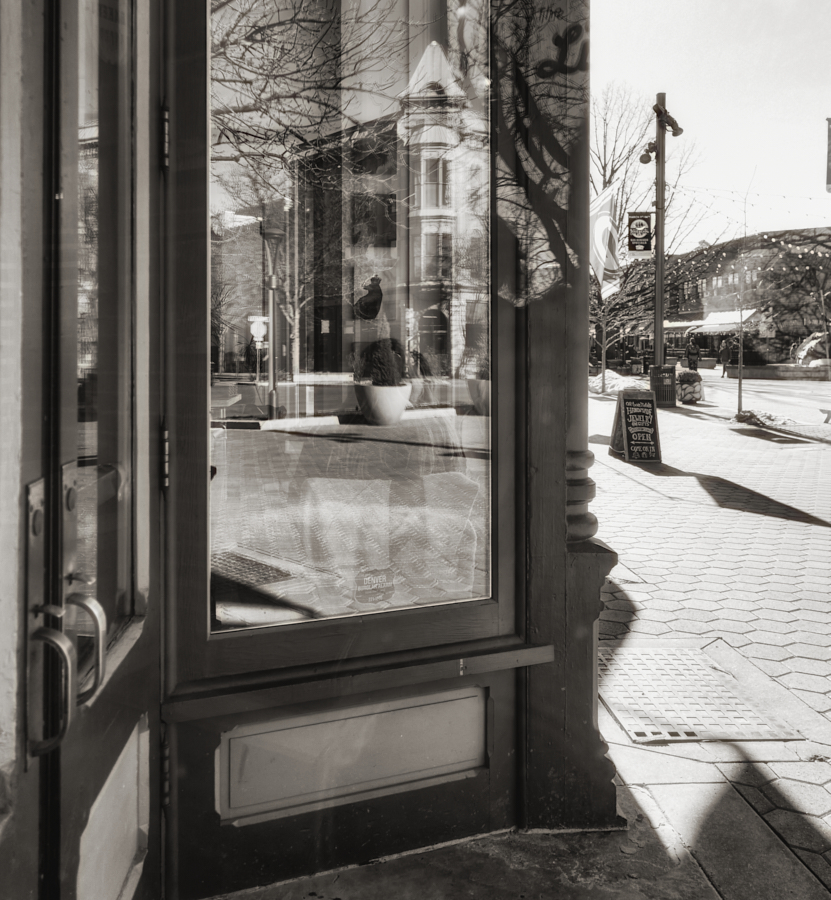
Road trips! I love spontaneous road trips with nights in “X-Files” motels that invite with their buzzing neon vacancy sign.
I delight in planned vacations that included staying in city centered-hotels, having breakfast while watching national news, and then roaming (with camera in hand) through art galleries, museums, churches, parks, historical buildings, cemeteries, and shopping districts.
I welcome intentional photo walks that invite an openness to be present to the world as it presents itself and to delight in the richness, complex and wondrous elements of life.
These roads most often taken is Contemplative Photography where I open myself to what is and to see without expectations.
A freshly-opened cherry bud … her lips upon the flute. She leans in the corner of the balcony: the night is chill, her silken robes are thin, her fingers cold . . . but music floats through the frosty woods and startled plums fall pattering down. ~Chang Hsien (Ed. various. The Jade Flute, The Project Gutenberg eBook)
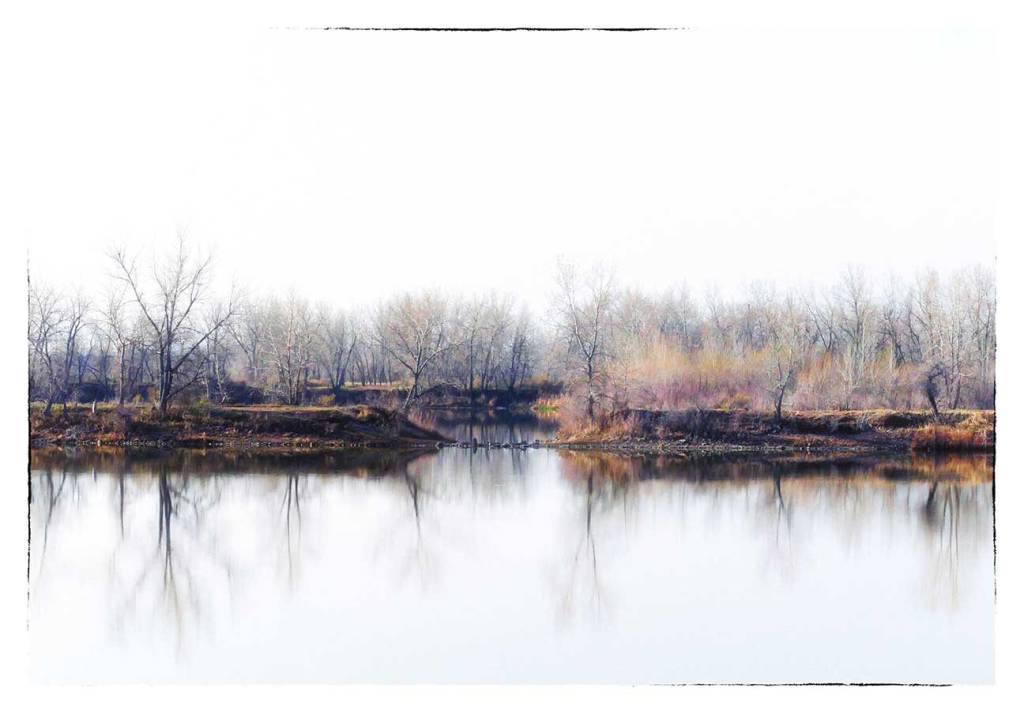
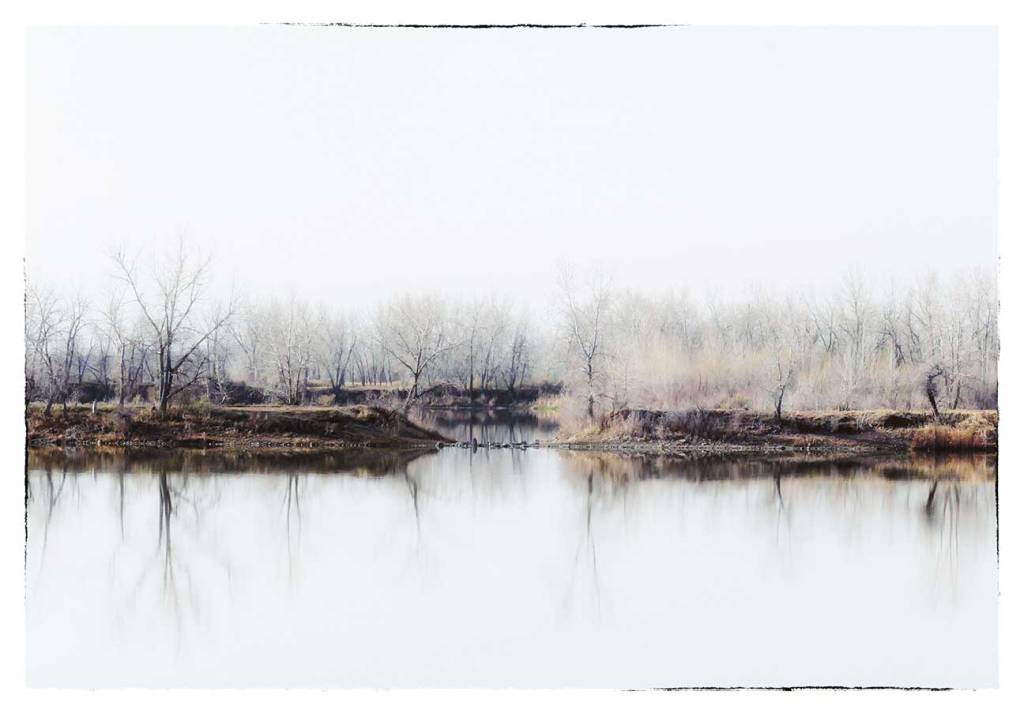
The general sense impressions I have of “alone times” are moments of grief and loss as well as feelings similar to forlorn, isolated, lonely.
if there’s a house standing alone, sure enough… plum blossoms ~Issa (www.haikuguy.com)
I have often pondered a different sense of “alone” after learning of it’s origins; Middle English, “all one.”
“All one” speaks to me of a time of solitary; a sense of completion, wholeness, self-direction, and freedom.
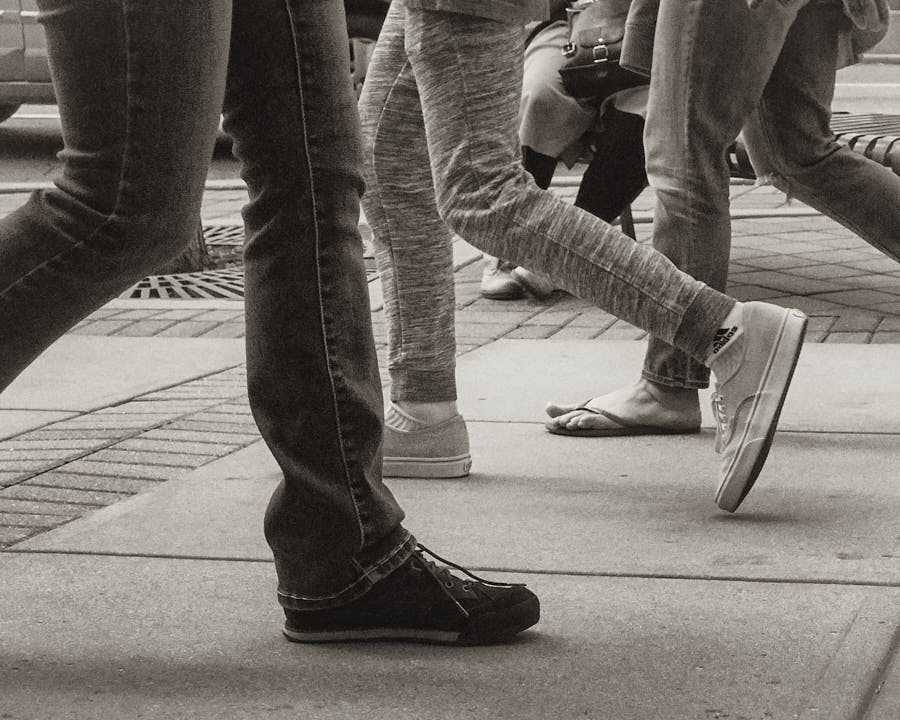
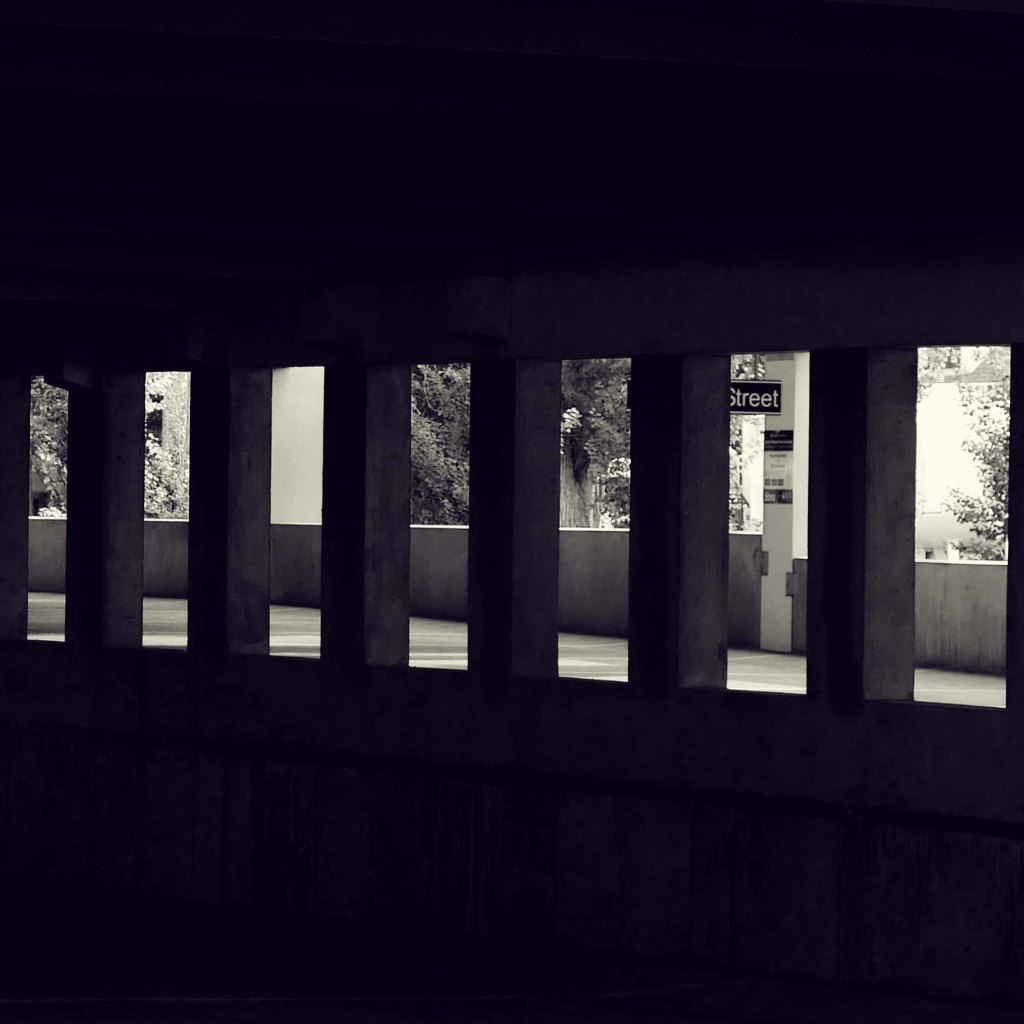
Patterns give us order in an otherwise chaotic world.
I find myself pondering the concept of perfect…are patterns designed by human design seen as more perfect than the ones that ebb and flow through the dynamics of mother nature?
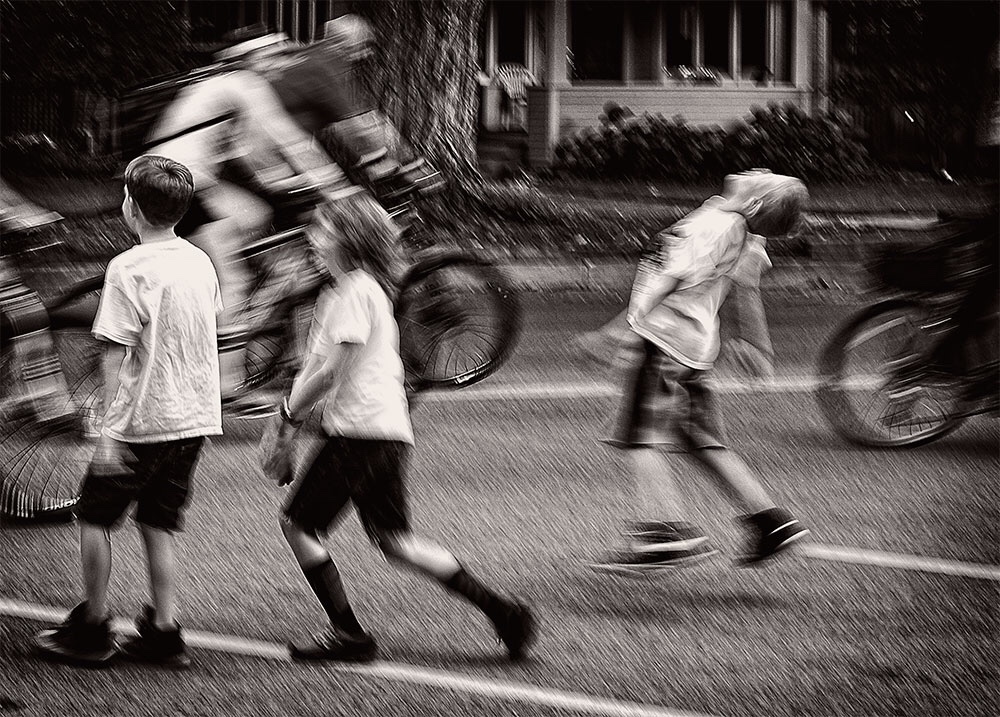
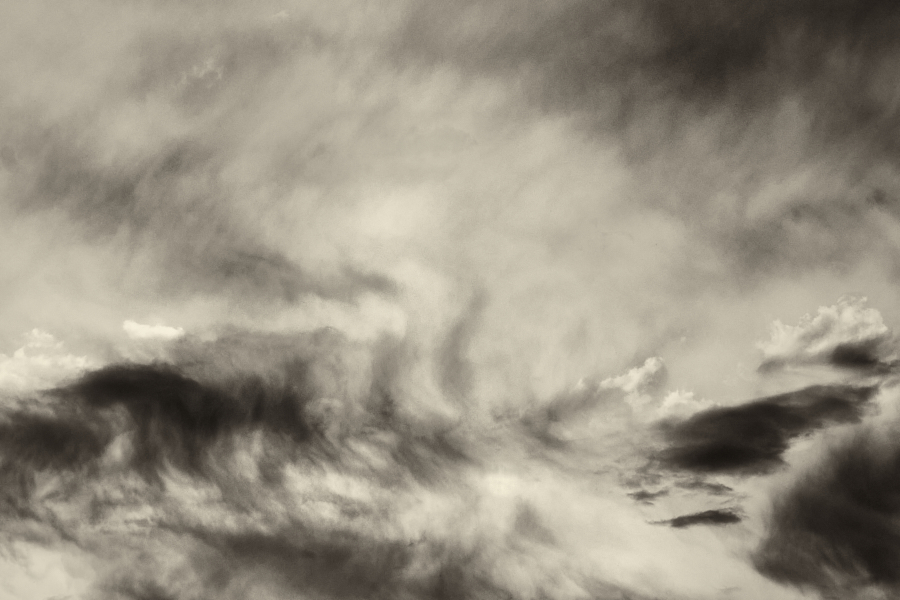
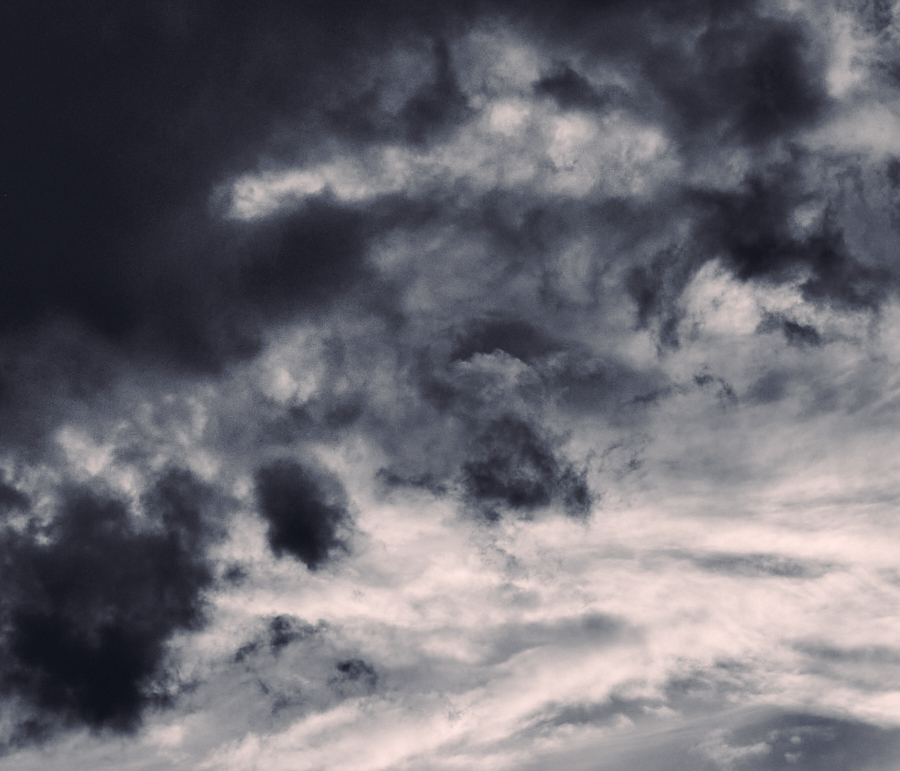
Is there a pattern within an image that at first glance seems chaotic?
solitude
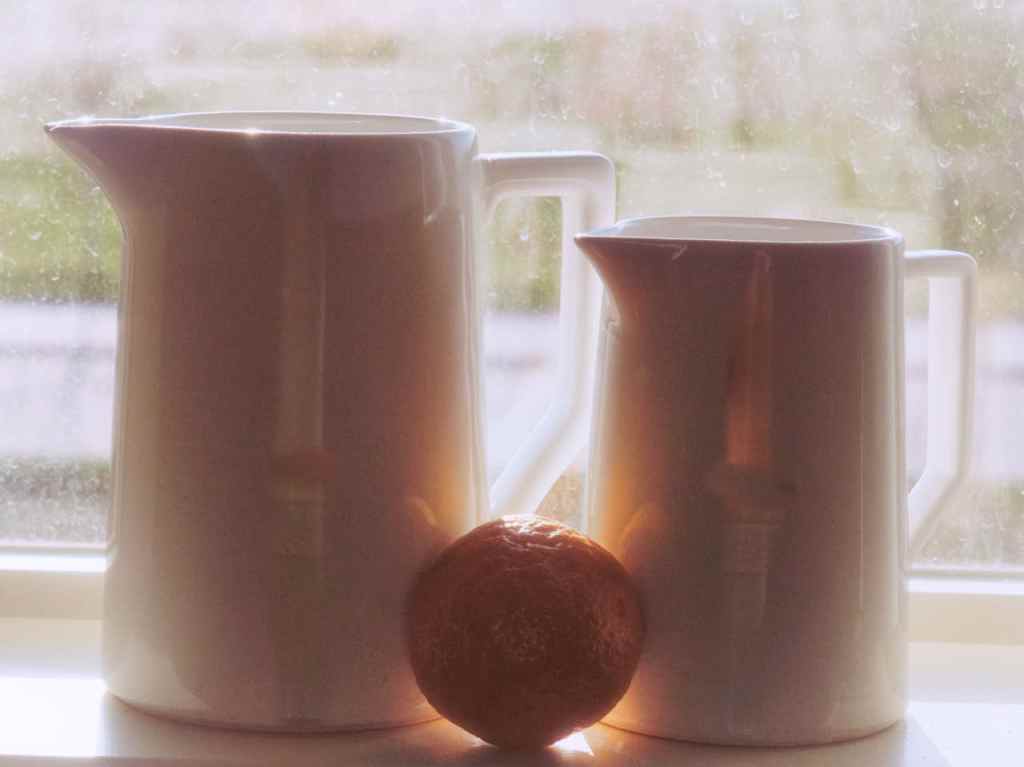
Does rhythm which involves the same or similar elements repeating at regular intervals create an image that soothes the eye and thus a seemingly “perfect pattern?”
You must be logged in to post a comment.